Do Property Management Companies Pay Up Front for Roof Replacement?
You spot a dark water stain on the ceiling of your rental property. Dread sets in about the cost, followed by a critical question: do property management companies pay up front for roof replacement? According to common industry standards, the short answer is no.
Think of your manager as a trusted assistant holding your household wallet. They easily use your cash to pay daily bills, but they will never use their personal paycheck to cover your expenses. This concept defines the basic difference between an “agent” (the manager) and a “principal” (you, the owner). Grasping this dynamic naturally clarifies owner versus property manager liability when expensive emergencies happen.
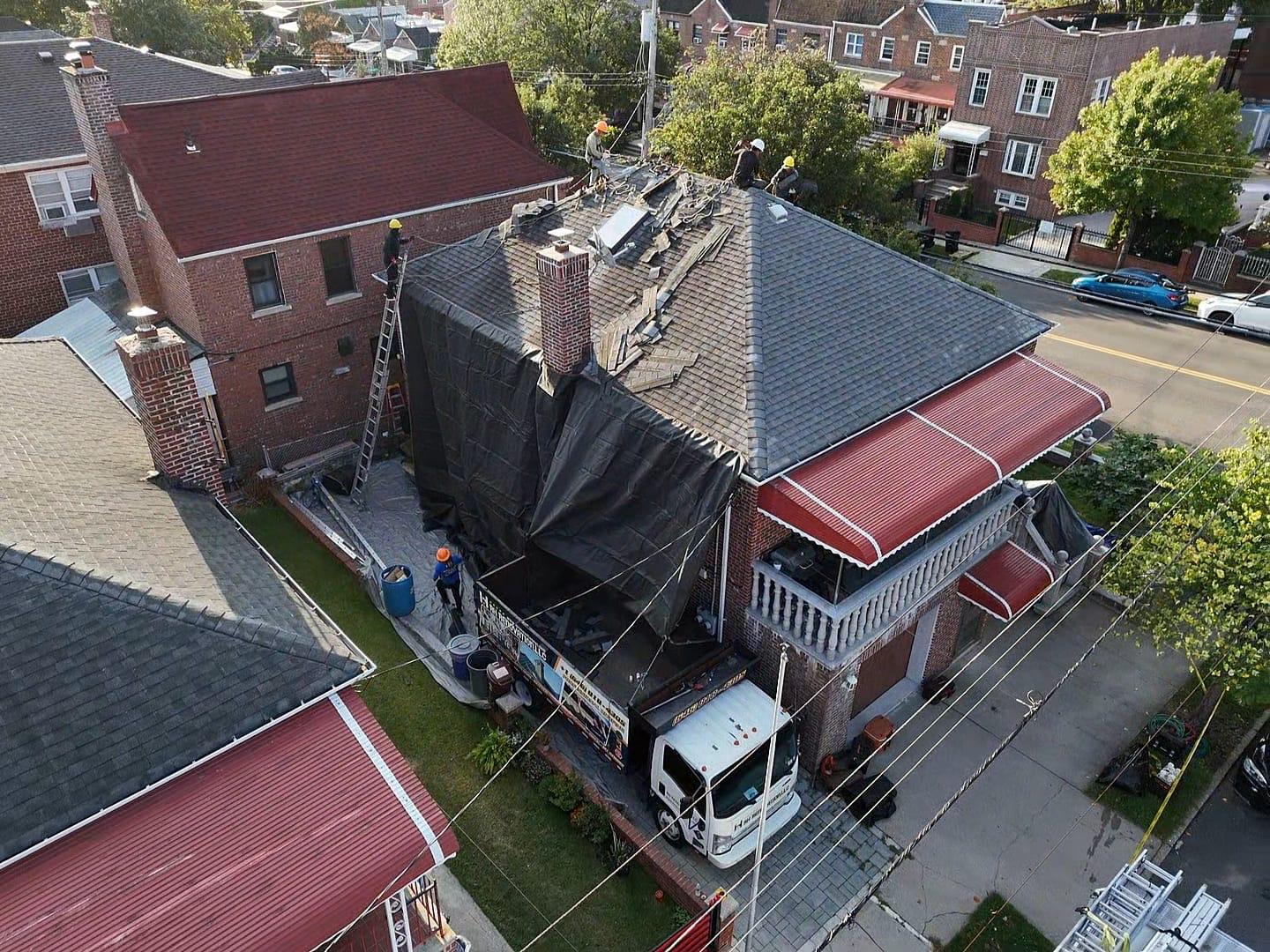
While minor repairs pull from small operational funds, a typical $15,000 roof replacement is considered a “Capital Expenditure” (CapEx)—a major long-term property investment. Because property management roofing projects demand such significant capital, your management firm acts purely as a middleman. They arrange the labor, but they do not act as a lender.
Before construction crews tear off a single damaged shingle, that project money must actually exist in your specific property account. Successfully managing this financial workflow requires knowing exactly how large reserve funds operate.
The Spending Limit Trap: Why Your Management Agreement Blocks Automatic Roof Payments
You already know a legal contract governs the relationship with your property manager, but a crucial detail often gets overlooked: the repair threshold. This specific dollar amount acts as a financial safety valve. While your manager handles daily operations, strict property management agreement repair spending limits legally prevent them from authorizing massive bills—like a $15,000 roof replacement—without your direct written permission. If they overspend without asking, they risk footing the bill themselves.
Separating everyday fixes from major structural overhauls clarifies why this boundary exists. Think of your manager as an assistant with a specific allowance; they can use it for quick roof maintenance solutions, but they cannot empty your bank account. Contracts typically divide these expenses clearly:
- Standard Maintenance (Under Threshold): Unclogging toilets, fixing broken locks, or patching minor leaks.
- Capital Improvements (Over Threshold): Full property management roofing replacements, installing new HVAC systems, or upgrading siding.
Finding this exact threshold in your paperwork is the single best way to avoid project delays when major damage occurs. Once you know your authorization limit, evaluating where the actual cash comes from becomes the next priority.
Reserve Funds vs. Capital Expenditures: Why Your Monthly Savings Won’t Cover a New Roof
Looking at your monthly statements, you probably notice a small amount held back. This property management reserve fund for major repairs covers emergency leaks without bothering you for a credit card. However, this account typically holds only $500, which barely scratches the surface of a $10,000 roof replacement.
Differentiating between maintenance reserves and capital expenditures prevents cash flow disruptions. Routine fixes pull from operational funds, but a new roof is a Capital Expenditure (CapEx)—a major investment improving property value. Your manager expects you to fill this large bucket from private savings.
When a massive storm hits and your reserve falls short, why can’t the manager temporarily cover the cost using another property’s account? By law, companies are strictly prohibited from “commingling” funds. They cannot legally mix different owners’ cash or their own corporate money, firmly placing all capital expenditure responsibilities for rental property owners squarely on your shoulders.
To avoid a stressful financial scramble, you must calculate the gap between your current balance and a full roof cost. Once you secure the necessary cash to cover that deficit, the next challenge is transferring those thousands of dollars safely.
The Payment Workflow: How Property Managers Move Your Money to the Contractor
When a major roof replacement is needed, moving from an empty reserve fund to an active construction site requires your direct involvement. You must make an “owner contribution”—a direct transfer from your personal savings into the manager’s system. Knowing exactly how property managers process large roofing invoices prevents costly project delays while your home remains vulnerable to the elements.
After you transfer those funds, your manager acts as a financial safeguard using an escrow-style handling process. They hold your money securely in a dedicated property trust account rather than handing a massive lump sum to the builder upfront. This specific structure ensures nobody walks away with your cash before the old shingles are even removed from the property.
Standard roofing contractor payment terms for managed properties typically require progress payments rather than full payment upon completion. To manage this safely, your property manager facilitates a strict four-step workflow: 1) Quote Approval by the owner, 2) Owner Fund Transfer into the trust account, 3) Deposit to Contractor to secure schedule and materials, and 4) Final Inspection and Payment upon verified project completion.
Mastering this straightforward timeline keeps construction moving seamlessly while ensuring owner draws for repairs are perfectly documented for your annual tax records. However, if a sudden storm caused the roof damage rather than basic old age, a completely new funding source enters the equation.
Navigating the Insurance Handoff: Who Signs the Contract and Who Gets the Check?
When funding roof replacement through rental property insurance claims, the payment process involves multiple parties. Your payout rarely goes straight to the roofing company. Because your lender has a financial stake in the home, they are listed as a “loss payee” on your policy, meaning the massive insurance check typically requires both your signature and the bank’s endorsement. Coordinating with your mortgage company early prevents frustrating check-holding delays that stall crucial repairs.
Beyond moving money, owners often ask who signs roofing contracts for rental units. Generally, you must sign this legal document yourself. While managers have a strict ethical obligation—a fiduciary duty—to protect your investment, property management fiduciary duty for building envelopes rarely includes assuming the contractual liability of a massive structural replacement. Your manager acts as a vital project coordinator handling daily logistics, but by signing as the principal owner, you retain all direct warranty rights.
Even with full insurance approval, heavy depreciation deductions or high policy deductibles can still leave you with a hefty out-of-pocket balance. If you do not have adequate savings to cover this remaining gap before the first hammer swings, you must explore outside capital.
Financing and Alternatives: What to Do When the Cash Isn’t Ready
Finding out your insurance won’t cover a massive replacement is stressful when emergency repair funds for multi-unit investment properties are depleted. Before borrowing to bridge this gap, check your contract for a “Project Management Fee.” Managers often charge an extra 5% to 10% to oversee large projects, meaning a $15,000 roof could instantly become a $16,500 bill.
To cover these out-of-pocket totals, evaluate these common roof replacement financing options for investment property owners:
- Contractor Financing: Pro: Fast approval directly through the roofer; Con: High interest rates if not paid off quickly.
- HELOCs: Pro: Lower interest rates leveraging your equity; Con: Takes weeks to secure.
- PM-Brokered Loans: Pro: Conveniently coordinated by your manager; Con: May include hidden middleman fees.
Who actually does the work also heavily impacts commercial property management capital improvement budgeting. Ask if your manager uses in-house maintenance or third-party subcontractors. While an in-house handyman is perfect for fixing a leaky faucet, full replacements require licensed third-party roofers to keep your warranties valid. Paying that extra oversight fee is only worthwhile if your manager is coordinating specialized, fully insured professionals.
Sudden crises often force rushed, expensive borrowing decisions. Getting ahead of the curve ensures you never scramble for high-interest capital when shingles fail, securing a reliable safety net for long-term property stability.
Your Financial Blueprint: How to Prepare for the Next Major Structural Expense
You now know your property manager is your project command center, but your personal liquidity ultimately powers the replacement. Successfully managing large scale maintenance expenses for remote landlords requires foresight. Start by building a dedicated roofing fund completely separate from your daily operating reserves.
Prepare for your next property management roofing discussion by conducting a quick contract audit with these five questions:
- What is my exact spending limit before requiring owner approval?
- How are emergency roof inspection services coordinated and funded?
- Do you charge extra oversight fees for major construction projects?
- What is the specific workflow for releasing my funds to contractors?
- How frequently will I receive progress updates?
By replacing reactive panic with proactive planning, you protect both your property value and your wallet. Establish your dedicated fund today, and you will face your next major repair with total confidence.