How Long Does A Shingle Roof Last
A shingle roof is a popular choice for many homeowners. It offers a balance of affordability and durability, contributing to a reliable shingle roof lifespan. But how long does a shingle roof last?
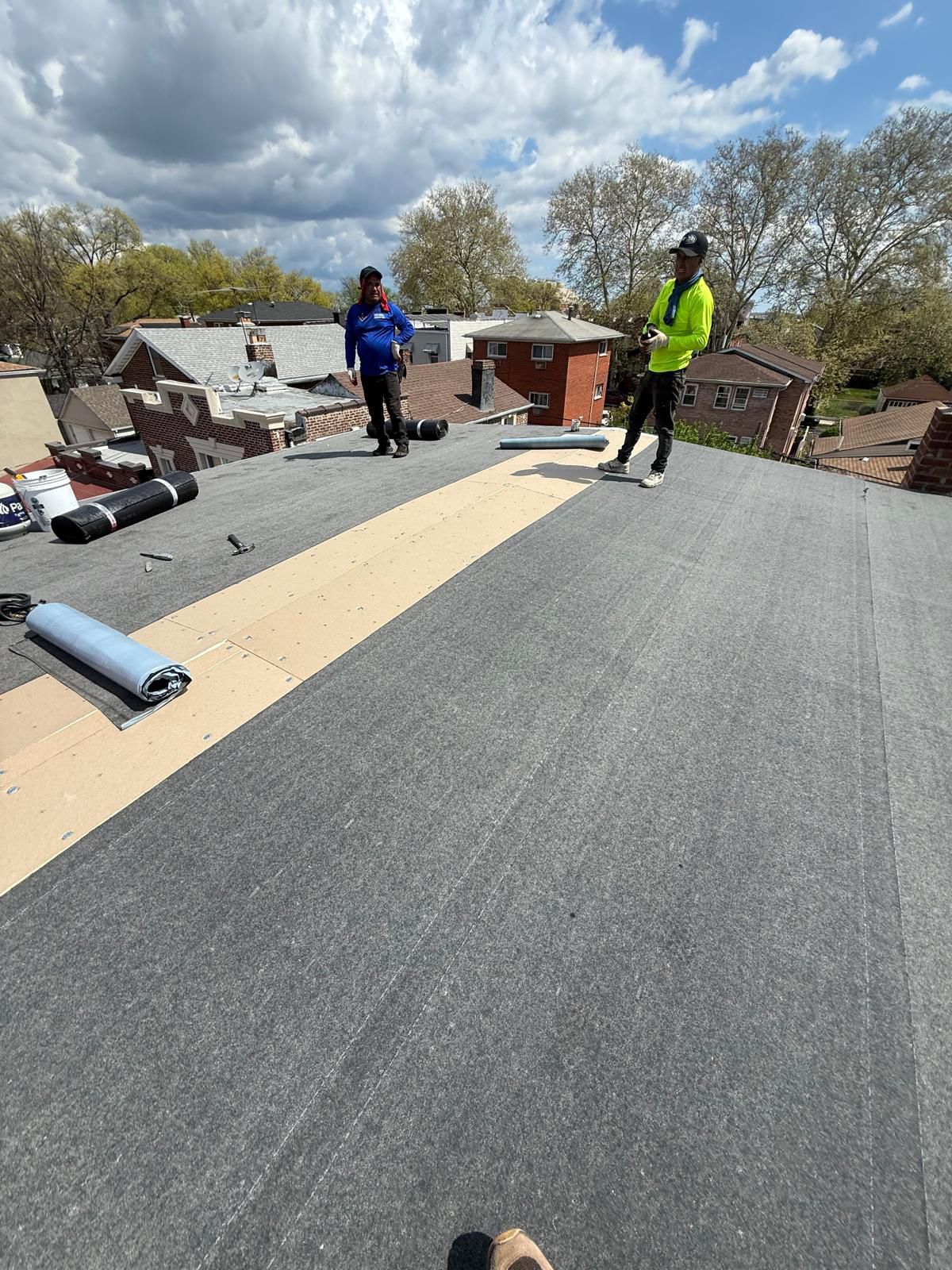
The lifespan of a shingle roof depends on several factors. These include the type of shingles used and the local climate. Regular maintenance also plays a crucial role. In general, the average lifespan of a shingle roof varies with materials, installation quality, and care.
Asphalt shingles are the most common type. They typically last between 20 to 30 years. However, other types like architectural shingles can last even longer. In many cases, the architectural shingle roof lifespan extends well beyond standard three-tab products.
Understanding the lifespan of your roof is essential. It helps in planning for future repairs or replacements. Knowing when to replace your roof can prevent costly damage. Recognizing roof replacement signs early makes budgeting easier.
Signs of wear and tear should not be ignored. Missing shingles or leaks are clear indicators. Regular inspections can help catch these issues early.
Proper care can extend the life of your roof. This includes cleaning debris and ensuring good ventilation. Investing in quality materials can also make a difference. Following a practical roof maintenance guide helps you prioritize the most impactful tasks.
In this guide, we will explore these topics in detail. You’ll learn about different shingle types and their lifespans. We’ll also cover maintenance tips and signs of roof replacement. If you’re asking what is the lifespan of a shingle roof, the sections below break down the answers by material and climate.
Understanding Shingle Roof Types and Their Lifespans
Shingle roofs come in different styles, each offering its own lifespan benefits. Choosing the right type for your home depends on your priorities, such as durability and aesthetics. Each type of shingle has unique characteristics that impact its longevity and maintenance needs. If you’re evaluating what is the lifespan of a shingle roof in your region, start by comparing materials and designs.
Types of Shingle Roofs
- Asphalt Shingles: Affordable and popular, asphalt shingles are typically categorized as three-tab or architectural. They offer decent weather resistance.
- Composition Shingles: Made from a fiberglass base covered with asphalt and minerals, these are an economical option. They provide good durability and come in various colors.
- Wood Shingles: These offer a classic look, and proper maintenance can extend their lifespan significantly. They also provide excellent insulation properties.
- Architectural Shingles: Known for their durability, they have a longer lifespan than standard asphalt shingles. Their multi-dimensional appearance adds depth to roofs.
- Slate and Tile Shingles: While expensive, these types can last over a century, adding high resale value to homes.
Lifespan Overview
The average lifespan of asphalt shingle roofs ranges from 20 to 30 years—the average lifespan of asphalt shingle roof installations reported by many manufacturers. The composition shingle roof lifespan typically ranges from 15 to 25 years. They require regular maintenance and inspections to achieve their full potential.
With appropriate care, the wood shingle roof lifespan might last around 30 years. They demand more upkeep, such as treating for mold and pests. Architectural shingles boast a much longer lifespan, often lasting between 30 to 50 years; the architectural shingle roof lifespan makes them a good long-term investment.
In general, the average lifespan of shingle roof systems depends on maintenance, ventilation, installation quality, and local climate.
Average Lifespan of Asphalt Shingle Roofs
Asphalt shingles are one of the most common roofing materials due to their affordability and versatility. They generally offer a balance between cost and lifespan that appeals to many homeowners. However, their durability can vary significantly based on several factors.
The typical lifespan of an asphalt shingle roof is 20 to 30 years, aligning with the average lifespan of asphalt shingle roof systems across many regions. This range depends on climate conditions, quality of the installation, and ongoing maintenance. Regular inspections and timely repairs can help achieve the maximum lifespan.
Factors Influencing Lifespan
- Quality of Materials: High-grade asphalt shingles tend to last longer.
- Climate Conditions: Regions with extreme weather may see shorter roof lifespans.
- Installation Standards: Professional installation can improve durability significantly.
- Maintenance Routine: Regular cleaning and repair extends roof life.

An asphalt roof’s maintenance should not be overlooked. Moss and algae growth can weaken shingles and lead to premature aging. Proper ventilation and insulation also help to avoid heat and moisture damage, which can degrade shingles over time.
Choosing asphalt shingles involves considering both upfront costs and the potential for future repairs or replacements. With the right care, they can provide solid protection for a few decades, making them a sensible choice for cost-conscious homeowners.
Composition, Wood, and Architectural Shingle Roof Lifespans
Shingle roofs come in various types, each with distinct characteristics and lifespans. Understanding these differences can guide homeowners in making informed choices.
Composition Shingle Roof Lifespan
Composition shingles offer versatility and easy maintenance. They typically last between 15 to 25 years. These shingles are made from a mix of materials that enhance their adaptability. However, they’re less durable compared to other types.
Wood Shingle Roof Lifespan
Wood shingles provide a rustic charm but require consistent care. With proper maintenance, they can last about 30 years. It’s essential to protect wood shingles from rot and insect damage, which can significantly shorten their lifespan. Regular treatment with preservatives can help maintain their integrity.
Architectural Shingle Roof Lifespan
Architectural shingles offer enhanced durability and aesthetic appeal. These shingles can endure between 30 to 50 years due to their thicker design and layered construction. They’re more resistant to weather damage and can uphold their quality longer.
- Composition Shingles: 15-25 years.
- Wood Shingles: ~30 years, require regular maintenance.
- Architectural Shingles: 30-50 years, highly durable.
Each shingle type has unique benefits and potential drawbacks. Selecting the right shingle involves balancing factors like appearance, budget, and maintenance capability. Homeowners should also consider local weather patterns and specific home requirements when deciding on roofing materials. With the right choice, a roof can offer lasting protection and style.
Key Factors Affecting Shingle Roof Lifespan
The lifespan of a shingle roof is influenced by several critical factors. Understanding these can help in maximizing roof longevity.
Climate plays a major role in roof durability. Extreme weather, such as hail, high winds, or heavy snowfall, can wear down shingles. UV radiation from the sun can also degrade shingles over time.
Installation quality significantly impacts roof lifespan. Proper installation ensures that shingles are secure and provides better protection against environmental elements. Faulty installation can lead to premature damage and costly repairs.
Another crucial factor is roof maintenance. Regular inspections and timely repairs can prevent minor issues from turning into major problems. Keeping gutters clean and ensuring proper drainage also protect the roof structure.
The choice of materials affects longevity as well. High-quality shingles and underlayment can withstand harsh conditions better than cheaper alternatives. Investing in durable materials pays off in the long run.
Key Influencing Factors:
- Climate and Weather Conditions
- Quality of Installation
- Regular Maintenance Practices
- Material Quality
Roof pitch and design may also influence how long a roof lasts. Steep roofs allow better water runoff, which can reduce shingle wear. Informed decisions about these elements help prolong the life of a roof. By addressing these factors, homeowners can ensure their shingle roof remains in good condition for many years.
Signs You Need a Roof Replacement
Recognizing roof replacement signs and identifying the signs of a worn-out roof is crucial for timely replacement. Ignoring these signs could lead to further damage.
One major indicator is missing or curled shingles. They compromise the roof’s protection and allow water to seep through. Such issues require prompt attention.
Leaks inside the home are a clear warning sign. Water stains on ceilings or walls suggest the roof is no longer watertight. Addressing leaks quickly can prevent structural damage.
Another red flag is visible wear and tear. If shingles are losing granules, this can suggest the roof’s materials are degrading. The granules protect shingles from UV rays and weather elements.
Sagging indicates significant structural issues. If the roof seems to dip or droop in certain areas, it may need immediate inspection and repair.
Common Roof Replacement Signs:
- Missing or Curled Shingles
- Interior Leaks and Water Stains
- Worn or Granule-less Shingles
- Sagging or Dipping Roof Sections
Regular inspections can help detect these signs early. By being proactive, homeowners can avoid costly repairs and maintain their property’s safety and value. Recognizing these signs and consulting a professional can safeguard your home against further damage.
Roof Maintenance Guide: How to Extend Your Shingle Roof’s Life
Regular maintenance is key to maximizing your shingle roof’s lifespan. Simple routine checks can prevent major problems from developing.
Start by cleaning debris from the roof’s surface. Leaves, twigs, and dirt can trap moisture and cause rot. A clean roof functions more effectively.
Inspect your shingles periodically for signs of wear. Look for cracks, curling, or granule loss. Early detection of shingle damage allows for timely repairs.
Ensure your gutters are clear and functioning properly. Clogged gutters can lead to water buildup, which may seep under the shingles. Proper drainage is crucial for roof health.
Proper ventilation is another critical factor. Ensure your attic has adequate ventilation to reduce heat and moisture buildup. This helps maintain the integrity of the shingles.
Important Maintenance Steps:
- Regular Debris Removal
- Frequent Shingle Inspections
- Clear and Functional Gutters
- Adequate Ventilation
- Professional Inspections Every 3-5 Years
Professional inspections should not be overlooked. A roofing expert can identify potential issues that an untrained eye might miss. Investing in professional guidance ensures peace of mind and longevity for your shingle roof. By following these maintenance tips, you can significantly extend the life of your roof, safeguarding your home from unexpected issues.
Shingle Roof Durability: Materials, Installation, and Climate
The durability of your shingle roof depends on several key factors. High-quality materials, proper installation, and regional climate play crucial roles. These choices directly influence shingle roof durability.
Choosing the right shingle type is paramount. Consider options like asphalt or architectural shingles for their proven longevity. High-quality materials directly influence the roof’s lifespan.
Installation quality cannot be understated. A poorly installed roof is more prone to damage and leaks. Always hire experienced professionals to ensure a seamless installation.
Climate conditions also impact a shingle roof’s durability. Extreme weather, like hail or high winds, can cause significant wear. Tailor your shingle choice to your local climate needs.
Factors Influencing Shingle Roof Durability:
- Quality of Materials
- Professional Installation
- Local Climate Conditions
Understanding these elements ensures your roof stands the test of time. By prioritizing material quality, professional installation, and considering climate effects, you help safeguard your home. Investing wisely now can prevent costly repairs and replacements in the future. Always consult with roofing experts to determine the best options for your circumstances.
Cost Considerations and Warranties for Shingle Roofs
When planning for a shingle roof, consider both initial and ongoing costs. The price varies based on material quality and labor. Investing in higher-grade shingles can reduce long-term expenses through extended durability.
Warranties are a critical factor in your decision. They offer peace of mind and protection against defects. Be sure to understand the terms and the coverage duration. A robust warranty can save you significant money on potential future repairs.
Assess all costs beyond materials, including labor and potential maintenance. Factor in unexpected expenses like repairs that might arise. Doing a comprehensive cost assessment helps in making informed decisions.
Key Cost Considerations:
- Initial Material and Installation Costs
- Warranty Terms and Coverage
- Future Maintenance and Repair Expenses
Taking these into account ensures you choose the best option for your budget. A well-thought-out plan balances upfront costs with long-term benefits, offering reliable roof performance.
Frequently Asked Questions About Shingle Roof Lifespan
Understanding how long does a shingle roof last involves addressing common questions from homeowners. A critical query often involves the variability in roof lifespan. Factors such as local climate, maintenance routine, and material quality all play significant roles.
Another frequent question is about the best time for replacements or repairs. Signs like significant leaks, missing shingles, or extensive wear indicate it may be time for a new roof. Understanding these signs helps in preventing further damage or costs.
Lastly, many ask about ways to extend the life of their shingle roof. Regular inspections, prompt repairs, and proper maintenance all enhance longevity.
Common Questions:
- What is the lifespan of a shingle roof?
- What is the average lifespan of shingle roof materials?
- What affects shingle roof lifespan the most?
- When should I consider a replacement?
- How can I extend roof life efficiently?
Answering these queries helps homeowners make informed decisions and maintain roof integrity.
Conclusion: Maximizing the Life of Your Shingle Roof
Proper care and timely maintenance are essential for maximizing your shingle roof’s lifespan. Regular inspections and addressing issues quickly can prevent costly replacements.
Choosing high-quality materials and professional installation can also extend your roof’s life. By following a well-planned maintenance routine, your shingle roof can achieve its maximum potential, providing lasting protection and value to your home.
Q&A
Question: How long does a shingle roof last for different materials?
Short answer: Lifespan varies by shingle type and care:
- Asphalt (three-tab): typically 20–30 years.
- Composition: about 15–25 years.
- Wood: around 30 years with proper maintenance.
- Architectural: roughly 30–50 years, thanks to thicker, layered construction.
- Slate and tile: can last over a century. Actual results depend on climate, installation quality, ventilation, and ongoing maintenance.
Question: What factors have the biggest impact on a shingle roof’s lifespan?
Short answer: Four areas dominate longevity:
- Climate: hail, high winds, heavy snow, and UV accelerate wear.
- Installation: professional, standards-based installation prevents premature failures.
- Maintenance: routine inspections, clean gutters, and prompt repairs stop small issues from growing.
- Materials: higher-quality shingles and underlayment stand up better over time. Roof pitch/design and adequate ventilation also influence how quickly shingles age.
Question: How do I know it’s time to replace my shingle roof?
Short answer: Look for clear warning signs:
- Missing, curled, or visibly worn shingles.
- Interior leaks or water stains on ceilings/walls.
- Heavy granule loss (bald-looking shingles).
- Sagging or dipping roof sections. If you see multiple signs or active leaks, schedule a professional inspection to confirm the need and timing for replacement.
Question: What maintenance steps will extend my shingle roof’s life?
Short answer: Focus on a simple, consistent routine:
- Remove debris (leaves, twigs) so moisture doesn’t get trapped.
- Inspect shingles regularly for cracks, curling, or granule loss; repair promptly.
- Keep gutters clear to ensure proper drainage.
- Ensure adequate attic ventilation to minimize heat and moisture damage.
- Get professional inspections every 3–5 years. For wood shingles, add periodic treatments to prevent rot, mold, and insect damage.
Question: How should I weigh costs and warranties when choosing shingles?
Short answer: Balance upfront price with long-term value. Higher-grade materials and professional installation often reduce future repair/replacement costs. Consider your local climate when selecting shingles to avoid premature wear. Review warranty terms and coverage length carefully—robust warranties provide added protection against defects and can save money over time. Factor in labor and ongoing maintenance when comparing total cost of ownership.