Different Types of Gutter Leaf Guards
Choosing the right gutter guard starts with understanding how each design handles leaves, seed pods, roof grit, ice, and heavy rain. This comparison breaks down the most common gutter protection systems, the trade-offs behind each option, and the situations where one style makes more sense than another. RH Renovation, a highly-rated roofing and exterior home improvement contractor headquartered in the Bronx, New York, helps homeowners compare practical choices alongside comprehensive gutter installation, replacement, and repair services across New York City.
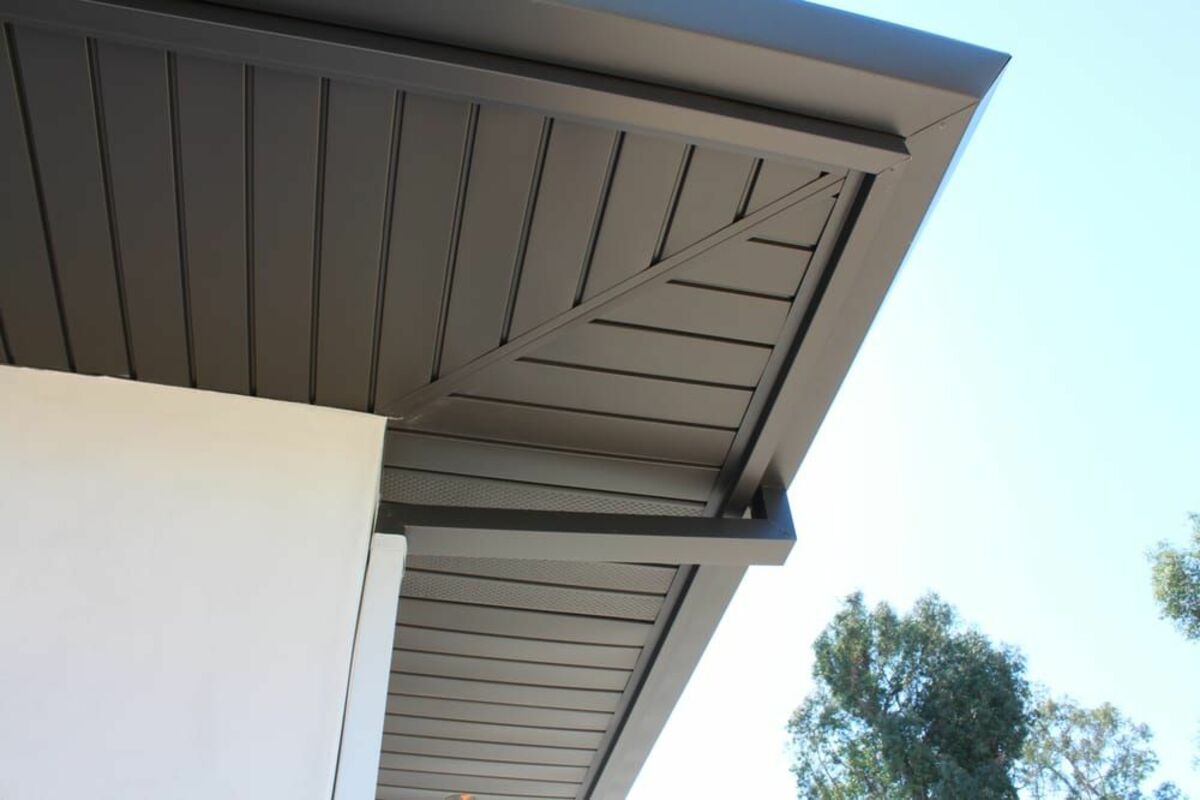
Which gutter leaf guard type is best for your home?
The best gutter leaf guard is the one that matches your roofline, nearby trees, maintenance expectations, and budget—not simply the one with the strongest marketing claim. Micro-mesh guards are often the most versatile for mixed debris, while screen and perforated guards can work well for larger leaves in simpler settings. Foam and brush inserts are easier to understand and may suit short-term needs, but they usually require more frequent cleaning because debris can settle inside or on top of them.
If you are comparing leaf guard reviews, pay close attention to the reviewer’s home conditions. A guard that performs well under broad maple leaves may not handle pine needles, roof grit, or city debris the same way. In New York City, where roofs and gutters may deal with tight lot lines, older drainage layouts, wind-driven debris, and seasonal storms, professional evaluation can prevent a mismatch.
Quick comparison of common gutter guard types
The following table compares different types of gutter leaf guards using the same practical criteria. It is not a substitute for an on-site inspection, but it gives you a clear starting point for deciding which options deserve a closer look.
Screen gutter guards offer simple protection
Screen guards are among the most recognizable types of gutter leaf guards. They usually sit over the top of the gutter and use a grid-like surface to block larger leaves, twigs, and debris. For homes with broadleaf trees and relatively easy roof access, this can be a practical entry point into gutter protection.
The benefit is straightforward: larger debris stays out of the gutter channel, helping water move toward downspouts with fewer blockages. Screens may also be easier to inspect because you can often see what is collecting on top. However, smaller material such as seed pods, shingle granules, and pine needles may still pass through or get caught in the openings.
Screen guards work best when expectations are realistic. They reduce gutter cleaning, but they do not eliminate exterior maintenance. If leaves mat down on the screen after rain, water may skate across the surface instead of entering the gutter, especially if the roof pitch and guard angle are not well aligned.
Micro-mesh guards provide finer filtration
Micro-mesh guards use a tightly woven surface to stop smaller debris while allowing water through. For many homeowners comparing different types of leaf gutter guards, this category stands out because it addresses more than just large leaves. Pine needles, small seeds, roof grit, and windblown particles are often the debris that cause persistent clogs.
The main advantage is filtration. A well-fitted micro-mesh system can help keep the gutter channel clearer in complicated environments. This makes it appealing for homes near mixed tree cover or properties where repeated downspout clogs have been a problem.
The trade-off is that the top surface still needs attention. Fine debris can dry on the mesh, and pollen or organic film may reduce water flow if neglected. Installation details also matter: pitch, fastening method, gutter condition, and edge alignment can all affect performance. A strong product installed poorly can disappoint, while a properly matched system can deliver meaningful gutter guard benefits.
Perforated metal guards balance strength and airflow
Perforated guards are usually made from metal panels with small punched openings. They are often chosen by homeowners who want a sturdier cover than a basic screen but do not necessarily need the fine filtration of micro-mesh. Aluminum is common because it resists rust and works well with many gutter systems, though the exact gutter guard materials vary by manufacturer.
These guards can be a sensible option for moderate leaf conditions. They create a solid cover over the gutter while giving rainwater defined entry points. Because the holes are visible and structured, the product can be easier to understand during a consultation.
Their limitation is similar to screen guards: anything smaller than the openings may enter. Small seed pods, needles, and grit can still build up inside the gutter over time. Perforated systems are often best for homeowners who want durability and reduced cleaning, while accepting periodic maintenance as part of owning an exterior drainage system.
Reverse-curve guards redirect water by shape
Reverse-curve, or surface-tension, guards use a curved front edge to guide rainwater into the gutter while leaves slide or fall away. They are different from flat covers because they rely on water behavior, roof slope, and product profile. When conditions are right, they can manage large leaves effectively.
The design is useful for certain homes, but it is not universal. Heavy rain, steep roof sections, existing gutter placement, and fascia details can influence whether water follows the curve or overshoots the gutter. In dense urban areas, where rooflines can be tight and drainage paths vary, that evaluation matters.
Reverse-curve guards may also be more visible from the ground than lower-profile systems. Some homeowners like the defined edge; others prefer a subtler look. If appearance is important, compare samples against your roof and trim before choosing this style.
Foam and brush inserts are easier to install but need closer attention
Foam and brush inserts sit inside the gutter rather than covering it from above. They are easy to understand: the insert fills the channel, allowing water to pass while attempting to block leaves. For simple gutters or temporary situations, this can seem attractive.
The challenge is that both styles can hold debris. Brush guards catch leaves and twigs in the bristles, which means they must be removed and cleaned to stay effective. Foam inserts can collect sediment, roof grit, seeds, and organic matter on the surface or inside the material.
These options may suit homeowners who can inspect gutters frequently and who want a less complex system. They are less appealing for hard-to-reach rooflines, heavy tree cover, or anyone hoping to minimize hands-on maintenance. In many leaf guard reviews, disappointment comes from expecting inserts to act like permanent clog prevention instead of maintenance-reduction tools.
Which option is easiest to maintain?
Micro-mesh and perforated metal guards are often easier to manage for homeowners who want a more permanent cover, while brush and foam inserts usually demand more frequent hands-on cleaning. Screen guards fall in the middle: simple to inspect, but more vulnerable to small debris and surface buildup. Reverse-curve systems can shed large leaves well, but edges and valleys may still collect debris.
Use this maintenance-focused comparison when deciding between types of gutter prevent leaf guards:
- Lowest tolerance for climbing or cleaning: consider professionally installed micro-mesh or a durable hybrid system.
- Mostly large leaves and visible gutters: screen or perforated guards may be enough.
- Frequent pine needles, seeds, or roof grit: look closely at micro-mesh rather than wide-opening designs.
- Short-term or easy-access gutters: foam or brush inserts may be acceptable if you plan to inspect them often.
- Complex rooflines or older gutters: schedule a professional assessment before choosing any guard style.
Maintenance also depends on the condition of the gutter system underneath. If gutters are sagging, undersized, leaking, or pitched incorrectly, a guard will not fix the underlying drainage problem. RH Renovation’s comprehensive gutter replacement, repair, and installation services across New York City can help address those issues before a protection system is added.
Gutter guard materials affect durability and appearance
Gutter guard materials influence how the system performs over time. The guard’s design gets most of the attention, but the material determines how it responds to weather exposure, debris weight, fastening, and seasonal temperature changes. Matching material to the home is especially important in an exterior environment where water, wind, and freeze-thaw cycles can stress weak components.
Common material considerations include:
- Aluminum: lightweight, rust-resistant, and common in many gutter protection systems.
- Stainless steel mesh: often used where fine filtration and corrosion resistance are priorities.
- Plastic or vinyl components: lightweight and affordable in some products, but quality varies significantly.
- Foam: simple and flexible, though it can collect organic material and may need replacement.
- Brush bristles with a metal core: easy to place, but debris can become tangled inside.
The right material is not only about strength. It also affects visibility, compatibility with existing gutters, and how the guard handles repeated cleaning. A low-profile metal guard may suit a finished exterior better than a bulky cover, while a fine mesh may be more appropriate for roofs that shed grit and small debris.
Which gutter guard gives the best long-term value?
The best long-term value usually comes from the guard that reduces repeated clogs without creating excessive cleaning demands or damaging the existing gutter system. For many homes, that points toward durable screen, perforated, micro-mesh, or hybrid systems rather than simple inserts. However, value depends on the home’s debris load, roof design, and whether the installation corrects drainage issues first.
When comparing options, consider the full ownership picture:
- Current gutter condition: Guards should not be installed over gutters that are loose, leaking, or incorrectly pitched.
- Debris type: Large leaves, pine needles, roof grit, and seed pods require different opening sizes and surfaces.
- Roof pitch and water volume: A steep roof or heavy runoff may overwhelm a poorly matched guard.
- Access and safety: Hard-to-reach gutters justify a more durable, lower-maintenance approach.
- Appearance: Some systems are nearly hidden, while others are visible from the street.
- Serviceability: A good system should still allow inspection and cleaning when needed.
This is where professional guidance can protect your investment. RH Renovation can evaluate whether your home needs gutter repair, full gutter replacement, new gutter installation, or a guard system added to a sound existing setup.
Decision guide for New York City homeowners
New York City homes can present different gutter challenges than suburban properties. Rowhouses, multi-story buildings, tight access points, mature street trees, and older exterior details can all affect the right choice. A product that looks simple online may require careful fitting in the field.
A practical decision path looks like this:
| If your main issue is… | Start by comparing… | Watch out for… |
|---|---|---|
| Large seasonal leaves | Screen, perforated, reverse-curve | Surface buildup after storms |
| Pine needles or small debris | Micro-mesh, fine hybrid systems | Mesh clogging if not cleaned occasionally |
| Aging or leaking gutters | Repair or replacement first | Covering up a drainage problem |
| Limited roof access | Durable professional systems | Insert products that require frequent removal |
| Appearance from the street | Low-profile guards | Bulky covers that change the roof edge |
| Mixed debris and heavy rain | Micro-mesh or hybrid systems | Poor pitch or undersized gutters |
The safest choice is rarely based on product type alone. It comes from pairing the guard with the gutter’s condition, the roof’s water flow, and the debris around the property. That is why a contractor who understands both roofing and exterior drainage can make a meaningful difference.
Final recommendation
If you want broad protection for a typical home with mixed debris, start by comparing micro-mesh, perforated metal, and quality screen systems. If your gutters only collect large leaves and are easy to reach, a simpler screen or perforated guard may be sufficient. If you are considering foam or brush inserts, treat them as maintenance-reduction products rather than set-and-forget protection.
For homeowners in New York City, RH Renovation offers a practical next step: a professional review of your gutters, roofline, and drainage needs before you commit to a system. As a highly-rated roofing and exterior home improvement contractor headquartered in the Bronx, New York, RH Renovation provides comprehensive gutter installation, replacement, and repair services across New York City. Contact the team to compare gutter guard types, correct existing gutter issues, and choose a system that fits the way your home actually handles water and debris.