Hidden Costs of Delaying Roof Repairs in NYC
A small roof leak might not seem like an urgent problem. Perhaps you noticed a faint water stain on the ceiling, a missing shingle after a storm, or a small damp spot near a chimney. If the damage appears minor, it can be tempting to postpone repairs until the next season or until your budget allows.
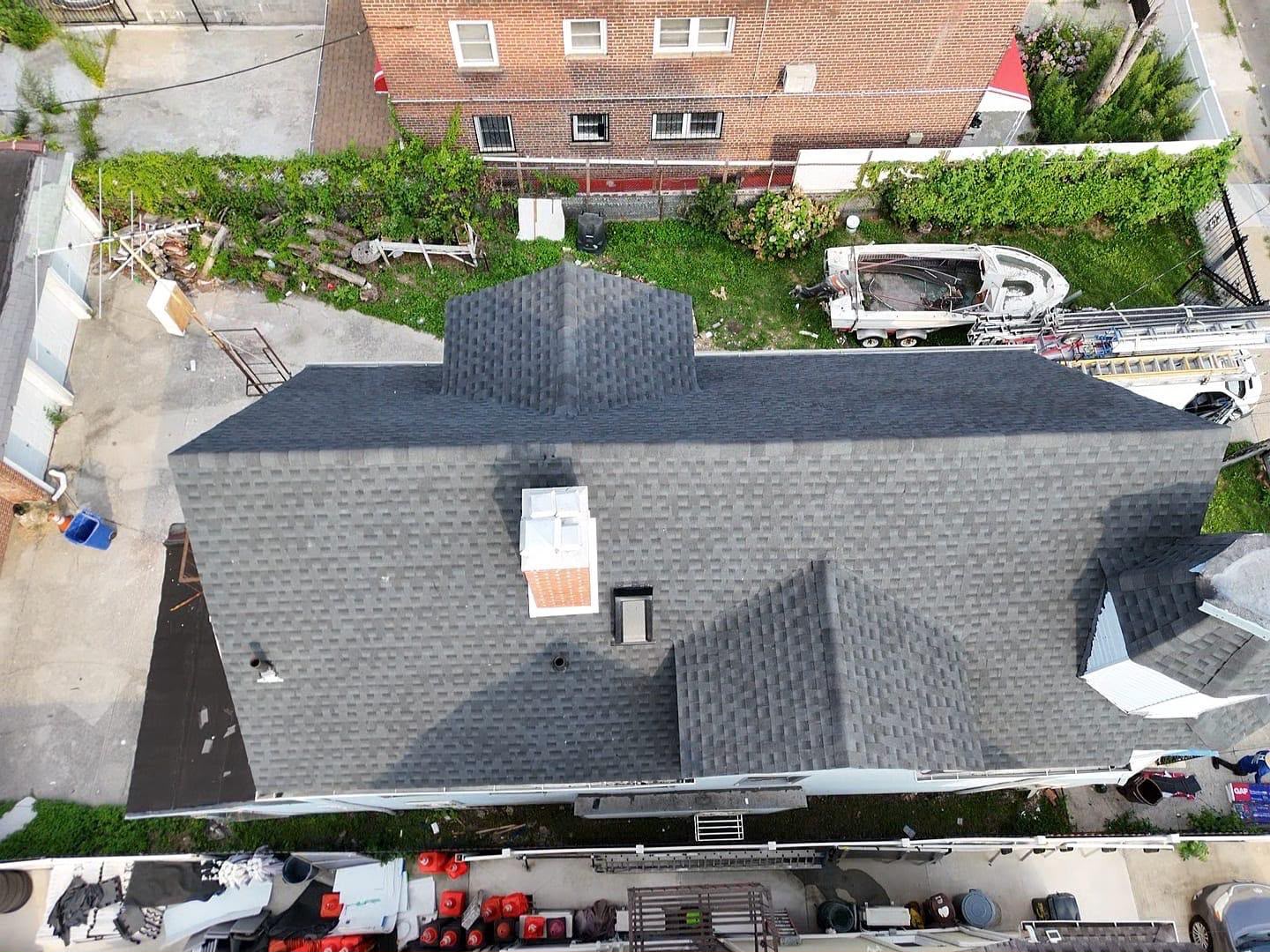
However, delaying roof repairs in NYC can turn a manageable roofing issue into a much more expensive problem. Water can travel beneath roofing materials, soak insulation, damage roof decking, weaken structural components, and create conditions that encourage mold growth. What begins as a minor repair can eventually require extensive roofing work and interior restoration.
New York City’s changing weather makes these problems especially important. Heavy rainfall, winter snow, freezing temperatures, ice buildup, and summer heat place continuous stress on residential and commercial roofing systems.
Whether you own a single-family home in the Bronx, manage a multifamily property in Queens, or operate a commercial building in Westchester, addressing roofing problems early can help protect your investment.
At RH Renovation NYC, we have been helping property owners protect their buildings since 2004. As a GAF Master Elite® certified roofing contractor, we provide roof inspections, repairs, replacements, and exterior renovation services throughout the Bronx, Westchester, Queens, and Brooklyn.
In this guide, we explain the hidden costs of postponing roof repairs, the warning signs to watch for, and why addressing roofing damage early can save property owners money over time.
Why Delaying Roof Repairs Can Become Expensive
Your roofing system works as a complete protective barrier. Shingles, membranes, underlayment, flashing, ventilation, insulation, and drainage components all contribute to keeping water outside your property.
When one component fails, the surrounding materials can become vulnerable.
For example, a small opening around damaged flashing may allow rainwater to enter beneath the roofing surface. That moisture can spread through the roof deck and insulation before becoming visible on an interior ceiling.
The longer the problem remains unresolved, the greater the possibility of additional damage.
This is why a roof leak should never be judged solely by the size of the visible water stain. A professional inspection can help identify the actual source and determine whether the damage is limited or has spread to other parts of the roofing system.
1. Interior Water Damage and Expensive Restoration
One of the first hidden costs of delaying roof repairs is interior water damage.
When rainwater enters through a damaged roof, it can affect ceilings, walls, paint, flooring, insulation, and other interior finishes.
You might initially notice:
- Brown or yellow ceiling stains
- Peeling or bubbling paint
- Damp drywall
- Water dripping during heavy rainfall
- Discoloration around windows or upper walls
- Musty odors inside the property
Even if the leak appears to be small, moisture can continue spreading behind ceilings and walls.
For example, a damaged shingle or loose flashing component may allow water to enter the attic. Over time, the moisture can spread across the insulation and roof decking before eventually appearing as a ceiling stain.
If the leak is repaired early, the necessary work may be limited to the affected roofing area. If ignored, the property owner may also need drywall replacement, painting, insulation removal, and other interior restoration work.
How to avoid this cost: Arrange a professional roof inspection when you first notice water stains, dampness, or signs of moisture intrusion. Repairing the source of the leak is essential before completing interior restoration.
2. Mold and Indoor Moisture Problems
Another potential consequence of delaying roof repairs is mold growth.
Mold can develop when moisture remains in building materials and indoor environments for extended periods. Roof leaks can create favorable conditions for mold when insulation, drywall, wood, or other materials stay damp.
This is particularly concerning in properties where roof leaks remain hidden inside attic spaces or above finished ceilings.
Warning signs may include:
- Persistent musty smells
- Visible dark or discolored patches
- Damp insulation
- Recurring moisture stains
- Condensation or unexplained indoor dampness
Mold remediation can involve more than cleaning visible surfaces. Depending on the extent of contamination, affected materials may need to be removed, the moisture source corrected, and the area professionally assessed.
Prolonged indoor moisture can also create concerns about indoor air quality.
How to avoid this cost: Do not allow roof leaks or recurring moisture problems to continue. Repair the roofing defect, identify affected materials, and arrange appropriate moisture assessment and remediation when necessary.
3. Roof Decking and Structural Damage
Your roof decking provides the underlying surface that supports the roofing materials. It is commonly made from plywood or other structural wood panels.
When water repeatedly enters the roofing system, the decking can absorb moisture and deteriorate.
Over time, prolonged exposure may cause:
- Soft or weakened plywood
- Wood rot
- Delamination
- Deteriorated roof framing connections
- Reduced ability to support roofing materials properly
Structural deterioration is especially concerning because much of it can remain hidden beneath shingles, membranes, or other roofing materials.
A property owner might believe that only a small roof patch is necessary, while the underlying decking has already sustained significant moisture damage.
If deterioration becomes widespread, the project may require removing roofing materials, replacing damaged decking, and rebuilding affected sections before installing a new roofing system.
How to avoid this cost: Have suspected leaks investigated promptly. During a professional inspection, ask the contractor to assess the roof deck and explain whether any underlying materials require replacement.
4. Insulation Damage and Higher Energy Bills
Roof leaks can also affect your property’s insulation.
Insulation helps regulate indoor temperatures by slowing heat transfer between the interior and exterior. When insulation becomes wet, compressed, or contaminated, its effectiveness may decrease.
This can make it harder to maintain comfortable indoor temperatures.
During NYC winters, damaged insulation may contribute to greater heating demands. During summer, compromised attic insulation and ventilation can make cooling more difficult.
The consequences may include:
- Increased heating and cooling costs
- Uneven indoor temperatures
- Damp attic conditions
- Greater strain on HVAC equipment
- Additional insulation replacement expenses
Not every increase in energy costs is caused by roof damage, but moisture-related insulation problems can contribute to reduced building efficiency.
How to avoid this cost: Repair roof leaks before moisture spreads into insulation. If your attic or ceiling has become damp, have the affected insulation evaluated and replaced where necessary.
5. Emergency Roof Repairs Can Cost More
One of the most overlooked costs of delaying roof maintenance is the possibility of needing emergency roofing work.
A minor roofing defect may remain manageable during ordinary weather. However, another heavy rainstorm, strong wind event, or winter storm can make the damage significantly worse.
For example, a few loose shingles may expose the underlayment. If the exposed area is not repaired, additional wind and rainfall can allow water to penetrate the roofing system.
Similarly, a small opening in a flat roof membrane can become a larger leak when water continues entering through the damaged section.
Emergency situations may require:
- Urgent leak investigation
- Temporary waterproofing
- Emergency roof covering
- After-hours service
- Immediate interior water protection
- More extensive repairs than originally needed
Emergency work can also involve additional labor, access, and scheduling costs.
How to avoid this cost: Arrange repairs when you first identify a roofing problem instead of waiting for the next storm. If water is actively entering your property, contact a qualified roofing contractor for immediate assistance.
6. Damage to Gutters, Fascia, and Exterior Walls
Roofing problems do not always remain limited to the roof surface.
When gutters, flashing, or roof-edge components fail, water can travel down exterior walls and affect other parts of the building.
For example, damaged roof edges and overflowing gutters can expose fascia boards, soffits, siding, and masonry to repeated moisture.
Over time, this may lead to:
- Deteriorated fascia and soffit materials
- Peeling exterior paint
- Water stains on siding
- Damaged masonry joints
- Moisture around windows and exterior openings
- Drainage problems near the foundation
These issues can increase the scope of an exterior renovation project.
Proper roof drainage is especially important for NYC properties that experience heavy rainfall and winter freeze-thaw conditions.
How to avoid this cost: Keep gutters clear, inspect roof edges regularly, and address damaged flashing or drainage components promptly. RH Renovation NYC also provides professional gutter installation, repair, and replacement services to help protect your property’s exterior.
7. Premature Roof Replacement
A roofing system is designed to provide protection for many years, but its actual service life depends on material quality, installation, weather exposure, and maintenance.
When small roofing defects are ignored, moisture can gradually affect larger sections of the system.
For example:
- A small shingle defect may allow moisture beneath surrounding materials.
- An unresolved flashing leak may damage adjacent roof decking.
- A damaged flat roof seam may allow water to spread beneath the membrane.
- Blocked drainage may contribute to recurring ponding and membrane deterioration.
These problems do not automatically mean the entire roof needs replacement. However, continued exposure can increase the extent of damage and make repairs more complicated.
A roof that might have needed a localized repair could eventually require partial reconstruction or a complete replacement.
How to avoid this cost: Schedule periodic inspections and address damaged roofing components before they affect larger areas. If the roof is aging or experiencing recurring leaks, compare the cost and practicality of continued repairs with a professionally evaluated replacement.
8. Electrical and Property Safety Risks
Water intrusion can create additional safety concerns, especially when moisture reaches electrical fixtures, wiring, outlets, or equipment.
A leaking roof near ceiling lights or electrical components should be treated seriously.
Potential warning signs include:
- Water dripping around light fixtures
- Dampness near electrical outlets
- Flickering lights following water intrusion
- Visible moisture around electrical equipment
Do not touch wet electrical fixtures or attempt to investigate wiring yourself. If water is entering near electrical components, keep away from the affected area and contact a qualified electrician. Seek emergency assistance if there is an immediate electrical hazard.
Roof leaks can also create slipping hazards, falling ceiling materials, and other property safety concerns.
How to avoid this cost: Address roof leaks promptly and take appropriate safety precautions whenever water enters occupied spaces.
9. Business Disruption and Tenant Complaints
For commercial property owners and multifamily building managers, delayed roof repairs can create financial problems beyond the cost of the roofing work itself.
A leaking roof can affect tenants, employees, customers, inventory, equipment, and daily operations.
In an apartment building, recurring leaks may result in tenant complaints, interior restoration requests, and disruption to occupied units.
In commercial buildings, water intrusion can affect offices, storage areas, retail spaces, and equipment.
Depending on the severity, property owners may face:
- Temporary closure of affected spaces
- Damaged furniture or inventory
- Tenant dissatisfaction
- Additional property management expenses
- Business interruption
- Disputes over property damage and maintenance responsibilities
The financial consequences can extend beyond the original roof repair.
How to avoid this cost: Property managers should establish a regular roof inspection and maintenance schedule. Document roofing concerns, respond to reported leaks promptly, and arrange professional assessments before damage spreads.
10. Potential Insurance Complications
Another issue property owners should consider is how delayed maintenance may affect an insurance claim.
Homeowners and commercial property insurance policies have different terms, exclusions, reporting requirements, and responsibilities.
Depending on the policy and circumstances, damage related to a sudden covered event may be treated differently from deterioration caused by long-term neglect or inadequate maintenance.
If a roof leak develops and remains unresolved, insurers may examine the cause, timeline, maintenance history, and extent of damage when evaluating a claim.
This does not mean every delayed roof repair automatically results in a denied claim. Coverage depends on the specific policy and facts surrounding the damage.
How to avoid this cost: Review your insurance policy, document roof inspections and repairs, photograph visible damage, and report potential claims within the required timeframes. Contact your insurance provider when you are unsure about coverage.
Common Signs You Should Not Ignore
Roofing problems are not always obvious from inside or outside your property. However, certain warning signs indicate that an inspection may be necessary.
| Warning sign | Possible roofing problem |
|---|---|
| Brown ceiling stains | Water intrusion |
| Missing shingles | Wind or impact damage |
| Standing water on a flat roof | Drainage or membrane issues |
| Peeling paint near ceilings | Moisture infiltration |
| Musty attic odor | Persistent moisture |
| Loose or corroded flashing | Potential leak entry point |
| Overflowing gutters | Blockage or drainage failure |
| Water around skylights | Flashing or skylight sealing problems |
If you notice any of these conditions, avoid assuming that the visible area represents the full extent of the damage.
A professional inspection can help determine the source of the problem and the most appropriate repair.
How Much Can Delaying Roof Repairs Cost in NYC?
The financial impact of delaying roof repairs depends on the type of roofing system, extent of damage, building accessibility, and how long moisture has been entering the property.
A localized flashing repair is generally a different project from replacing deteriorated roof decking, damaged insulation, and interior drywall.
Here are some of the expenses that may become part of a larger roofing project:
| Repair or restoration work | What may be involved |
|---|---|
| Roof leak repair | Shingle, membrane, or flashing repairs |
| Roof decking replacement | Removing damaged plywood or wood panels |
| Insulation replacement | Removing and replacing moisture-affected insulation |
| Ceiling restoration | Drywall repairs, finishing, and painting |
| Mold remediation | Assessment and removal of affected materials |
| Gutter repairs | Drainage improvements and component replacement |
| Roof replacement | Removal and installation of a complete roofing system |
The most important point is that the original roofing defect may represent only a small portion of the eventual repair bill.
For a more accurate understanding of roofing expenses, read our guide to roof repair and replacement questions, costs, and estimates.
The best way to understand your property’s actual repair needs is to arrange an inspection and request a detailed written estimate.
Roof Repair vs. Roof Replacement: When Should You Act?
Not every roof leak requires a complete roof replacement. In many cases, early intervention can prevent the need for extensive work.
Roof repair may be appropriate when:
- Damage is limited to a small area.
- A few shingles are missing or damaged.
- Flashing has become loose or deteriorated.
- A localized flat roof seam has failed.
- The remaining roofing system is in generally good condition.
Roof replacement may be more appropriate when:
- Roofing materials have widespread deterioration.
- Leaks continue in multiple areas.
- The flat roof membrane has extensive damage.
- Significant sections of the roof decking have deteriorated.
- The existing system has reached the end of its useful service life.
- Repeated repairs are no longer providing reliable protection.
The decision should be based on a thorough assessment rather than the assumption that every leak requires a new roof.
RH Renovation NYC provides roof inspection, repair, installation, and replacement services for different residential and commercial roofing systems.
How NYC Property Owners Can Prevent Expensive Roof Repairs
Preventive maintenance is one of the most practical ways to reduce the risk of unexpected roofing expenses.
Although no maintenance plan can eliminate every roofing problem, regular inspections and timely repairs can help identify developing defects before they become more extensive.
Here are some important steps property owners can follow.
1. Schedule Annual Roof Inspections
Have your roof professionally inspected at least once a year and after significant weather events when damage may have occurred.
An inspection should evaluate the roofing surface, flashing, drainage, roof penetrations, and visible signs of moisture intrusion.
2. Keep Gutters and Downspouts Clean
Blocked gutters can prevent rainwater and melting snow from draining properly.
Remove leaves and debris regularly, inspect gutter connections, and ensure downspouts direct water away from the building.
3. Inspect Flashing Around Chimneys and Skylights
Chimneys, skylights, vents, and wall transitions are common areas where roofing leaks develop.
Look for visible deterioration and arrange repairs when flashing becomes loose, damaged, or improperly sealed.
4. Monitor Flat Roof Drainage
Flat roofs should be designed to direct water toward appropriate drainage points.
Check for blocked drains, damaged membranes, and persistent ponding. Have drainage issues evaluated instead of relying on temporary surface patches.
5. Address Minor Damage Immediately
Do not wait until a ceiling stain becomes a major leak.
Missing shingles, loose flashing, damaged membranes, and deteriorating roof edges should be assessed promptly.
6. Keep Records of Roof Maintenance
Maintain photographs, inspection reports, repair invoices, and warranty documents.
These records help track recurring problems, support maintenance decisions, and provide useful information when discussing potential insurance claims.
For additional guidance, read our article on steps to prevent roof leaks.
Why Choose RH Renovation NYC for Roof Repairs?
When roofing problems appear, choosing an experienced contractor is important. A proper repair should address the source of the problem rather than simply cover the visible damage.
Since 2004, RH Renovation NYC has helped homeowners, landlords, and property managers protect their buildings throughout the Bronx and surrounding New York communities.
As a GAF Master Elite® certified residential roofing contractor, we offer roofing solutions designed around the property’s existing structure, roofing materials, and protection requirements.
Our services include:
- Roof leak detection and repair
- Shingle roof repair and replacement
- Flat roof repair and replacement
- Roof inspections and maintenance
- Roof flashing repair
- Skylight installation and leak repair
- Chimney repair and restoration
- Gutter installation and repair
We are fully insured and hold applicable credentials for our service areas, including Bronx DCWP License #2118142 and Westchester License #WC-35985-H22.
Our team serves property owners throughout the Bronx, Westchester County, Queens, and Brooklyn.
Whether you are dealing with a small roof leak, recurring flat roof problems, or storm-related damage, we can evaluate your roofing system and explain the available repair options.
You can also explore our completed roofing and exterior renovation projects to see examples of our work.
Frequently Asked Questions About Delaying Roof Repairs in NYC
What happens if I delay fixing a roof leak?
Delaying a roof leak can allow moisture to spread into insulation, roof decking, ceilings, and walls. Depending on the duration and extent of water intrusion, it may also contribute to mold growth, wood deterioration, and more extensive restoration work.
Can a small roof leak cause major damage?
Yes. Even a small opening can allow water to enter the roofing system. Moisture may travel through insulation and framing before becoming visible inside the property. The size of a ceiling stain does not necessarily indicate the full extent of roof damage.
Is it cheaper to repair a roof leak early?
In many situations, yes. Addressing a localized roofing problem early may prevent additional damage to insulation, decking, ceilings, and other building materials. However, actual costs depend on the existing condition of the roof and the extent of damage.
How long can I wait to repair a leaking roof?
You should not intentionally postpone an active roof leak. Even intermittent leaks can cause ongoing moisture damage. Arrange an inspection as soon as possible, and seek emergency assistance if water is entering near electrical components or creating an immediate safety hazard.
Can roof leaks cause mold in NYC homes?
Yes. Persistent moisture from roof leaks can create conditions that support mold growth on damp drywall, wood, insulation, and other building materials. Correcting the leak and addressing affected materials are important parts of resolving the problem.
Does homeowners insurance cover roof leaks?
Coverage depends on the policy and the cause of the damage. Sudden damage from a covered event may be treated differently from deterioration caused by age, wear, or neglected maintenance. Review your policy and contact your insurance provider for specific guidance.
How often should I have my roof inspected in NYC?
A professional roof inspection at least once a year is a sensible maintenance practice. You should also consider an inspection after significant storms, heavy snow, or other events that may have damaged roofing materials.
Should I repair or replace my roof if it keeps leaking?
The decision depends on the roof’s age, material, overall condition, and extent of damage. Localized problems may be repairable, while widespread deterioration or recurring failures may make replacement more practical. A professional inspection can help determine the best approach.
Does RH Renovation NYC offer emergency roof repair?
RH Renovation NYC offers 24/7 emergency response for roofing problems. Property owners can call (646) 818-4305 to discuss an active leak or urgent roofing concern and arrange assistance.
How much does roof repair cost in the Bronx?
The cost depends on the roofing material, damage location, accessibility, and amount of work required. Minor repairs generally cost less than projects involving damaged decking, insulation, or extensive membrane replacement. RH Renovation NYC provides free roofing estimates to help property owners understand their options.
Don’t Let a Small Roofing Problem Become an Expensive Repair
Delaying roof repairs can cost NYC property owners more than the original roofing work. Water intrusion can affect ceilings, insulation, decking, exterior walls, and other building components. In more serious cases, prolonged moisture can create mold concerns, structural deterioration, and disruption to tenants or business operations.
The best approach is to address roofing problems as soon as they appear.
Whether you need a minor leak repair, flat roof service, shingle replacement, or a complete roofing inspection, RH Renovation NYC is ready to help protect your property.
With more than 20 years of experience, GAF Master Elite® certification, and service throughout the Bronx, Westchester, Queens, and Brooklyn, we provide roofing solutions tailored to New York properties.
Noticed a roof leak or signs of water damage? Don’t wait for the next storm.
Call RH Renovation NYC at (646) 818-4305 or visit rhrenovationnyc.com to request your free roofing estimate.