Steps to Prevent Roof Leaks
A roof leak can cause much more than an annoying water stain on your ceiling. Even a small opening in your roofing system can allow moisture to enter your home, damage insulation, weaken roof decking, encourage mold growth, and affect interior walls and ceilings. By the time water becomes visible inside your home, the underlying problem may have already been developing for some time.
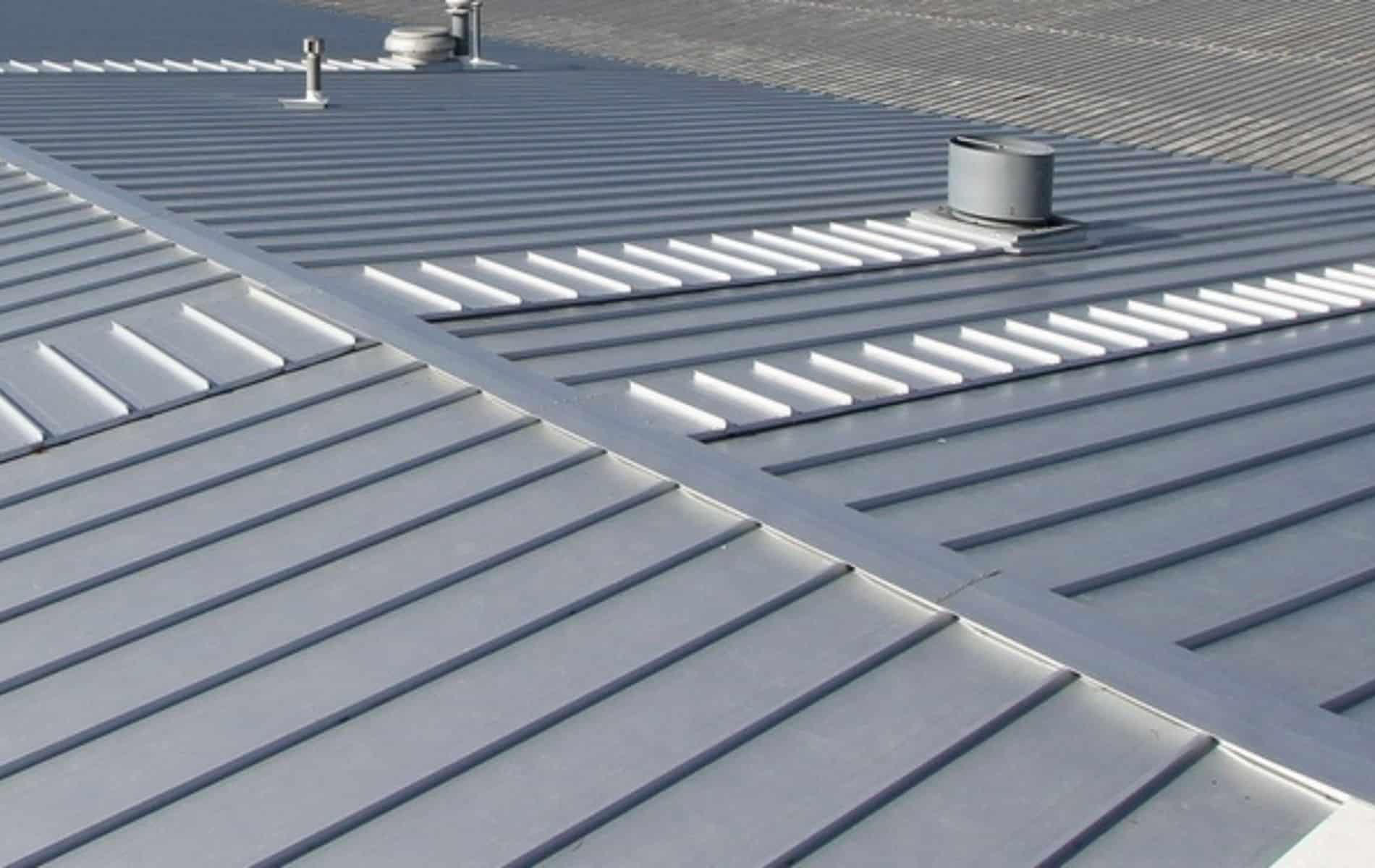
The good news is that many roof leaks can be prevented through regular inspections, proper maintenance, and timely repairs. Homeowners do not need to wait until water starts dripping through the ceiling to take action. Understanding how roofing materials, flashing, gutters, drainage systems, and ventilation work together can help you identify potential problems before they become expensive repairs.
For homeowners in the Bronx, Westchester County, Queens, and surrounding New York communities, changing weather conditions make preventative roof maintenance particularly important. Heavy rain, snow, ice, temperature fluctuations, and seasonal storms can gradually weaken roofing materials and expose vulnerable areas.
In this guide, RH Renovation explains 12 practical steps to prevent roof leaks, recognize early warning signs, and maintain a roofing system that protects your property throughout the year.
1. Schedule Regular Roof Inspections
One of the most effective ways to prevent roof leaks is to identify damage before water enters the building. Roofing materials naturally deteriorate over time, and small defects can develop around shingles, seams, flashing, vents, and other roof components.
A professional roof inspection can reveal problems that may not be visible from the ground. An experienced roofing contractor should examine:
- Missing, cracked, curling, or loose shingles.
- Damaged or deteriorating flashing around roof joints.
- Loose roofing materials and exposed fasteners.
- Cracks, blisters, or open seams on flat roofs.
- Damaged roof valleys where water collects and flows.
- Areas around chimneys, skylights, vents, and plumbing pipes.
- Signs of standing water or poor drainage.
How often should you inspect your roof?
As a general maintenance practice, arrange professional inspections at least twice a year, ideally in spring and fall. You should also consider an inspection after significant storms, strong winds, or other severe weather events.
Regular inspections are particularly useful for older properties because roofing materials and underlying structures may have experienced years of exposure to moisture and temperature changes.
2. Keep Gutters and Downspouts Clean
Clogged gutters are a common contributor to roof and water damage. When leaves, branches, dirt, and other debris accumulate inside gutters, rainwater cannot drain properly.
Instead of flowing through downspouts and away from the property, water may overflow against fascia boards, collect near roof edges, or enter vulnerable areas beneath roofing materials.
To reduce these risks:
- Remove leaves, twigs, and accumulated debris from gutters.
- Check downspouts for blockages.
- Make sure gutter sections are properly connected.
- Look for sagging gutters and loose mounting brackets.
- Confirm that water drains away from the home’s foundation.
- Repair damaged or leaking gutter joints.
Gutter cleaning is especially important during autumn when falling leaves can quickly block drainage systems.
If you notice water spilling over the sides of your gutters during rainfall, investigate the problem rather than assuming it is simply caused by heavy rain.
Why it matters: Proper gutter drainage helps prevent water from backing up beneath roof edges and reduces the risk of moisture damage to fascia, soffits, siding, and foundations.
3. Replace Damaged or Missing Roof Shingles
Shingles create an important protective barrier against rain, wind, and other environmental conditions. When individual shingles crack, curl, loosen, or disappear, the underlying roofing system becomes more vulnerable to moisture.
Even a relatively small damaged area can allow water to reach the underlayment or roof decking.
Look for these warning signs:
- Shingles missing after strong winds.
- Cracked or split shingles.
- Curling edges and lifted shingle tabs.
- Bald patches where protective granules have worn away.
- Shingle granules collecting inside gutters.
- Exposed roofing nails or deteriorating sealant.
Damaged shingles should be repaired or replaced promptly using compatible materials and appropriate installation methods.
Avoid covering damaged areas with random roofing products or applying sealant without identifying the underlying issue. A temporary patch may hide the symptoms without correcting the source of the leak.
If your roof has widespread shingle deterioration, recurring leaks, or extensive material damage, a professional assessment can help determine whether targeted repairs or a complete roof replacement is more appropriate.
4. Check Roof Flashing Around Vulnerable Areas
Roof flashing is one of the most important components of a leak-resistant roofing system.
Flashing consists of protective metal or compatible waterproofing materials installed around areas where the roof meets another surface or where something penetrates the roofing system.
Common flashing locations include:
- Chimneys.
- Skylights.
- Plumbing vents.
- Roof valleys.
- Dormers.
- Walls and roof intersections.
- Roof edges and transitions.
These locations are particularly vulnerable because water can enter through gaps, loose connections, damaged sealant, or improperly installed flashing.
For example, chimney flashing creates a protective transition between the chimney masonry and the roofing surface. If the flashing separates, corrodes, or becomes damaged, rainwater may travel beneath the surrounding roofing materials.
Have flashing inspected whenever you notice interior water stains near a chimney, skylight, or roof-wall connection.
Important: Replacing surface sealant alone may not solve a flashing problem. The correct repair depends on the flashing design, surrounding materials, and condition of the underlying roof.
5. Maintain Your Roof’s Drainage System
A roofing system must move water away from the building efficiently. Poor drainage can increase the time water remains in contact with roofing materials, creating opportunities for leaks.
This is particularly important for flat and low-slope roofs, where water does not drain as quickly as it does on steeply pitched roofs.
Homeowners should pay attention to:
- Roof drains and drainage outlets.
- Downspout connections.
- Roof valleys and channels.
- Areas where water regularly collects.
- Debris around drainage openings.
- Low spots and uneven roofing surfaces.
Standing water that remains on a flat roof after rainfall may indicate clogged drains, insufficient drainage slopes, or structural deflection.
Do not assume every temporary puddle indicates a roofing failure. However, recurring or persistent ponding deserves professional evaluation.
A qualified flat roofing contractor can determine whether the issue involves drainage design, membrane deterioration, damaged seams, or another underlying problem.
6. Inspect Skylights and Their Surrounding Seals
Skylights bring natural light into a home, but they also create additional openings in the roof. If the installation, flashing, or surrounding roofing materials deteriorate, water may enter around the skylight.
Common warning signs include:
- Water stains around the skylight frame.
- Condensation between glazing layers.
- Cracked or deteriorating exterior seals.
- Damaged flashing around the skylight.
- Moisture appearing on nearby ceilings.
- Visible deterioration of surrounding shingles or roofing membranes.
Inspect skylights periodically, particularly after severe weather.
Keep in mind that condensation can sometimes resemble a roof leak. Moisture on the interior glass may result from indoor humidity rather than water entering through the roof.
If you notice recurring moisture, determine whether the problem comes from condensation, flashing, glazing, or the surrounding roof system before arranging repairs.
Proper skylight installation and flashing maintenance help protect both the roof opening and the interior of your home.
7. Keep Trees and Overhanging Branches Trimmed
Trees provide shade and improve the appearance of a property, but branches hanging directly over the roof can create maintenance problems.
During storms, branches may break and damage shingles, roof membranes, flashing, gutters, and skylights. Even smaller branches can repeatedly scrape against roofing materials when moved by strong winds.
Falling leaves and twigs can also accumulate in gutters and roof valleys, restricting drainage.
To reduce these risks:
- Trim branches that touch or hang directly over the roof.
- Remove dead or weakened branches.
- Keep roof valleys clear of accumulated leaves.
- Monitor trees close to the property after storms.
- Arrange professional tree services when large branches require removal.
Avoid climbing onto the roof to remove branches yourself. Roof surfaces can be slippery, unstable, and dangerous, particularly after rainfall.
Proper tree maintenance protects roofing materials while also reducing the amount of organic debris entering your drainage system.
8. Maintain Proper Attic Ventilation and Insulation
A roof’s performance depends on more than its exterior covering. Conditions inside the attic can also contribute to moisture-related problems.
Poor attic ventilation can allow excessive heat and humidity to accumulate. When warm, moist indoor air enters a cold attic, condensation may form on roof sheathing, nails, insulation, and other surfaces.
This moisture can cause damage that homeowners sometimes mistake for an exterior roof leak.
To maintain a healthier attic environment:
- Check that ventilation openings are not blocked.
- Keep soffit vents clear of insulation and debris.
- Ensure exhaust vents function properly.
- Look for damp insulation or visible moisture.
- Check for mold-like growth and musty odors.
- Seal unintended openings that allow indoor air to escape into the attic.
Proper ventilation should be balanced with appropriate insulation and air sealing. Simply adding more vents without considering the overall ventilation design may not resolve the problem.
If you notice condensation, unexplained moisture, or persistent attic humidity, have the roof and attic evaluated to identify the actual source.
9. Pay Attention to Roof Valleys
Roof valleys are the areas where two sloping roof sections meet. They collect and channel substantial amounts of rainwater toward the roof drainage system.
Because water naturally concentrates in these locations, damaged shingles, deteriorating valley flashing, and accumulated debris can create conditions that lead to leaks.
During roof inspections, pay attention to:
- Cracked or missing shingles around valleys.
- Loose or damaged valley flashing.
- Leaves and branches obstructing water flow.
- Visible corrosion or deterioration.
- Signs of water staining inside the attic beneath the valley.
Roof valleys require correct installation and careful maintenance. Improperly placed fasteners, damaged flashing, or incorrectly installed roofing materials can compromise their ability to direct water away from the building.
If you notice a recurring leak near a valley, have a roofing professional inspect the entire area rather than simply replacing the visible damaged shingles.
10. Inspect Chimneys, Roof Vents, and Other Penetrations
Every opening through a roof creates a potential entry point for water. Chimneys, plumbing vents, exhaust pipes, and ventilation equipment must be properly integrated with the surrounding roofing materials.
Over time, weather exposure can damage the flashing, boots, sealant, and connections around these components.
Pay particular attention to:
Chimneys: Look for damaged step flashing, counter flashing, deteriorating masonry joints, and water stains near the chimney.
Plumbing vents: Inspect rubber or metal vent boots for cracks, gaps, and deterioration.
Exhaust vents: Check that vent covers and surrounding flashing remain securely attached.
Roof penetrations: Make sure exposed connections and protective materials remain intact.
A leak near a chimney does not necessarily mean the roofing material is damaged. Water may enter through deteriorating masonry, a damaged chimney cap, or improperly installed flashing.
Identifying the correct source is essential for choosing an effective repair.
11. Remove Snow and Address Ice Dams Carefully
Winter weather can create additional roofing challenges for homeowners in New York.
When snow accumulates on a roof, melting and refreezing can contribute to ice dams along roof edges. These formations can prevent melting snow from draining properly, allowing water to back up beneath shingles and enter the roof structure.
Potential warning signs include:
- Thick ice formations along gutters.
- Large icicles hanging from roof edges.
- Water stains near exterior walls.
- Damp attic insulation.
- Interior leaks during periods of snowmelt.
Preventative measures include maintaining proper attic insulation, addressing air leakage, keeping gutters clear, and ensuring adequate ventilation.
If ice dams repeatedly develop, the underlying attic conditions should be evaluated.
Do not climb onto an icy roof or use sharp tools, open flames, or aggressive chipping methods to remove ice. These approaches can damage roofing materials and create serious safety hazards.
For significant snow accumulation or recurring ice-dam problems, consult a qualified roofing professional about safe removal and long-term prevention.
12. Schedule Professional Roof Maintenance and Repairs
Even with careful maintenance, roofing materials eventually deteriorate. Weather exposure, installation defects, aging components, and unexpected damage can all affect a roof’s ability to keep water out.
Professional maintenance helps identify issues that may be difficult to recognize without roofing experience.
A roofing contractor can evaluate the condition of shingles, flat roofing membranes, flashing, gutters, skylights, drainage systems, and other critical components.
For homeowners, preventative maintenance can help:
- Identify small defects before they spread.
- Reduce the risk of interior water damage.
- Extend the useful service life of roofing materials.
- Improve drainage and overall roof performance.
- Determine whether repairs or replacement are necessary.
If your property has experienced recurring leaks, do not continue relying on temporary patches. Ask for a proper inspection and a written explanation of the recommended work.
RH Renovation NYC provides roofing services, including shingle roofing, flat roof repair and replacement, gutter work, chimney services, and skylight solutions for properties in the Bronx, Westchester, Queens, and Brooklyn. The company has operated since 2004 and holds GAF Master Elite® certification. RH Renovation NYC
Warning Signs That Your Roof May Be Developing a Leak
Not every roof leak immediately produces dripping water. In many cases, the first signs appear in the attic or around the upper sections of interior walls.
Recognizing these warning signs early can help prevent more extensive damage.
| Warning sign | Possible roofing problem |
|---|---|
| Brown or yellow ceiling stains | Water entering through the roof |
| Peeling paint near ceilings | Repeated moisture exposure |
| Damp attic insulation | Roof leak or condensation |
| Musty odors | Persistent moisture or possible mold growth |
| Missing or cracked shingles | Damaged exterior roofing materials |
| Water around skylights | Flashing, glazing, or installation issues |
| Rusted roof components | Prolonged moisture exposure |
| Water stains near chimneys | Chimney flashing or masonry problems |
Remember that water can travel along roof decking, rafters, and other structural components before appearing inside your home. Therefore, the location of a ceiling stain does not always identify the exact location of the roof defect.
A professional inspection can help trace the water’s entry point and determine the appropriate repair.
What Should You Do If You Discover a Roof Leak?
Preventative maintenance reduces the risk of leaks, but unexpected damage can still happen. If you discover water entering your home, taking the right steps can help limit additional damage.
Follow these precautions:
- Protect your belongings: Move furniture, electronics, and other valuables away from the affected area.
- Collect dripping water: Place a bucket or container beneath active leaks to protect floors and furnishings.
- Watch for electrical hazards: If water is near electrical fixtures, avoid touching them and arrange appropriate professional assistance.
- Document the damage: Take photographs of ceiling stains, visible water damage, and affected belongings.
- Arrange a professional inspection: Contact a qualified roofing contractor to identify the source of the leak.
- Address the underlying problem: Have the damaged roofing materials, flashing, drainage components, or other affected areas properly repaired.
Do not assume that repainting a water-stained ceiling or applying roofing sealant will solve the problem. Interior repairs should generally wait until the moisture source has been identified and corrected.
Seasonal Roof Maintenance Checklist
A simple maintenance schedule makes it easier to keep track of potential roofing problems throughout the year.
| Season | Recommended maintenance |
|---|---|
| Spring | Inspect for winter damage, missing shingles, damaged flashing, and clogged gutters. |
| Summer | Check roofing materials, skylights, ventilation, and areas affected by heat exposure. |
| Fall | Remove leaves from gutters, inspect drainage, and trim overhanging branches. |
| Winter | Monitor snow accumulation, ice dams, and interior moisture. Arrange professional assistance when necessary. |
This schedule is a general guideline. Your roof’s age, material, design, and exposure to local weather may require additional maintenance.
Frequently Asked Questions About Preventing Roof Leaks
1. What is the best way to prevent roof leaks?
The best approach is regular roof maintenance combined with timely repairs. Inspect roofing materials, maintain gutters, check flashing around chimneys and skylights, clear drainage systems, and arrange professional inspections at least twice a year.
Addressing small problems early can reduce the likelihood of extensive water damage.
2. How often should a roof be inspected?
A professional roof inspection at least twice a year, typically in spring and fall, is a useful maintenance practice. Additional inspections are recommended after severe storms, strong winds, or significant weather events.
Older roofs and properties with a history of leaks may require more frequent attention.
3. Can clogged gutters cause roof leaks?
Yes. Clogged gutters can prevent rainwater from draining properly. Water may overflow, accumulate around roof edges, and contribute to damage involving fascia, soffits, and vulnerable roofing areas.
Keeping gutters and downspouts clear helps maintain proper drainage and protect the building.
4. Why does my roof leak during heavy rain?
Heavy rainfall can expose existing weaknesses in roofing materials, flashing, seams, valleys, or drainage systems. Water may enter through a small opening that does not cause noticeable problems during lighter rainfall.
A professional inspection can help identify the actual entry point.
5. Can damaged flashing cause a roof leak?
Yes. Damaged, loose, corroded, or improperly installed flashing can allow water to enter around chimneys, skylights, vents, walls, and other roof transitions.
Because flashing protects some of the most vulnerable parts of a roof, it should be inspected regularly.
6. How can I prevent roof leaks during winter?
Maintain proper attic insulation and ventilation, keep gutters clear before winter, and address existing roof damage before snowfall. These steps can help reduce the risk of ice dams and moisture intrusion.
Avoid climbing onto icy roofs or attempting dangerous snow and ice removal.
7. Should I repair a small roof leak immediately?
Yes. Even a small leak deserves prompt attention. Water can gradually damage insulation, roof decking, ceilings, and interior walls. Early repairs may prevent the problem from becoming more extensive.
8. How do I know if my roof needs repair or replacement?
Localized damage, such as a few missing shingles or a small flashing defect, may be repairable. However, widespread deterioration, recurring leaks, extensive material damage, and an aging roofing system may indicate that replacement is more appropriate.
A professional assessment can help determine the condition of the entire roof and explain the available options.
Protect Your Home with Professional Roofing Services from RH Renovation
Preventing roof leaks starts with understanding how your roofing system protects your property. Regular inspections, clean gutters, properly maintained flashing, functional drainage, and timely repairs all contribute to a more reliable roof.
However, some roofing problems require professional attention. Damaged flashing, deteriorating shingles, persistent flat roof leaks, and water intrusion around skylights or chimneys should be evaluated before they cause additional damage.
At RH Renovation, we provide professional roofing and exterior services for homeowners and property owners throughout the Bronx, Westchester County, Queens, and Brooklyn.
Our services include:
- Residential shingle roof installation and replacement.
- Flat roof inspection, repair, and replacement.
- Roof flashing inspection and related repairs.
- Gutter installation and repair.
- Chimney repair and restoration.
- Skylight installation and related roofing work.
As a GAF Master Elite® certified roofing contractor serving New York since 2004, RH Renovation offers professional roofing solutions backed by industry-recognized certification, licensing, and insurance. Complimentary estimates are available. RH Renovation NYC+1
If you have noticed missing shingles, water stains, damaged flashing, or recurring roof leaks, arranging an inspection is a sensible first step.