What Is the Main Disadvantage of a Flat Roof? Top 5 Issues
What is the main disadvantage of a flat roof? Short answer: ponding and poor drainage. When drains or the intended slope fail, rainwater can sit on the surface. Water that remains more than about 48 hours speeds membrane breakdown, leads to blisters and leaks, and adds weight that stresses the deck, structure and insulation.
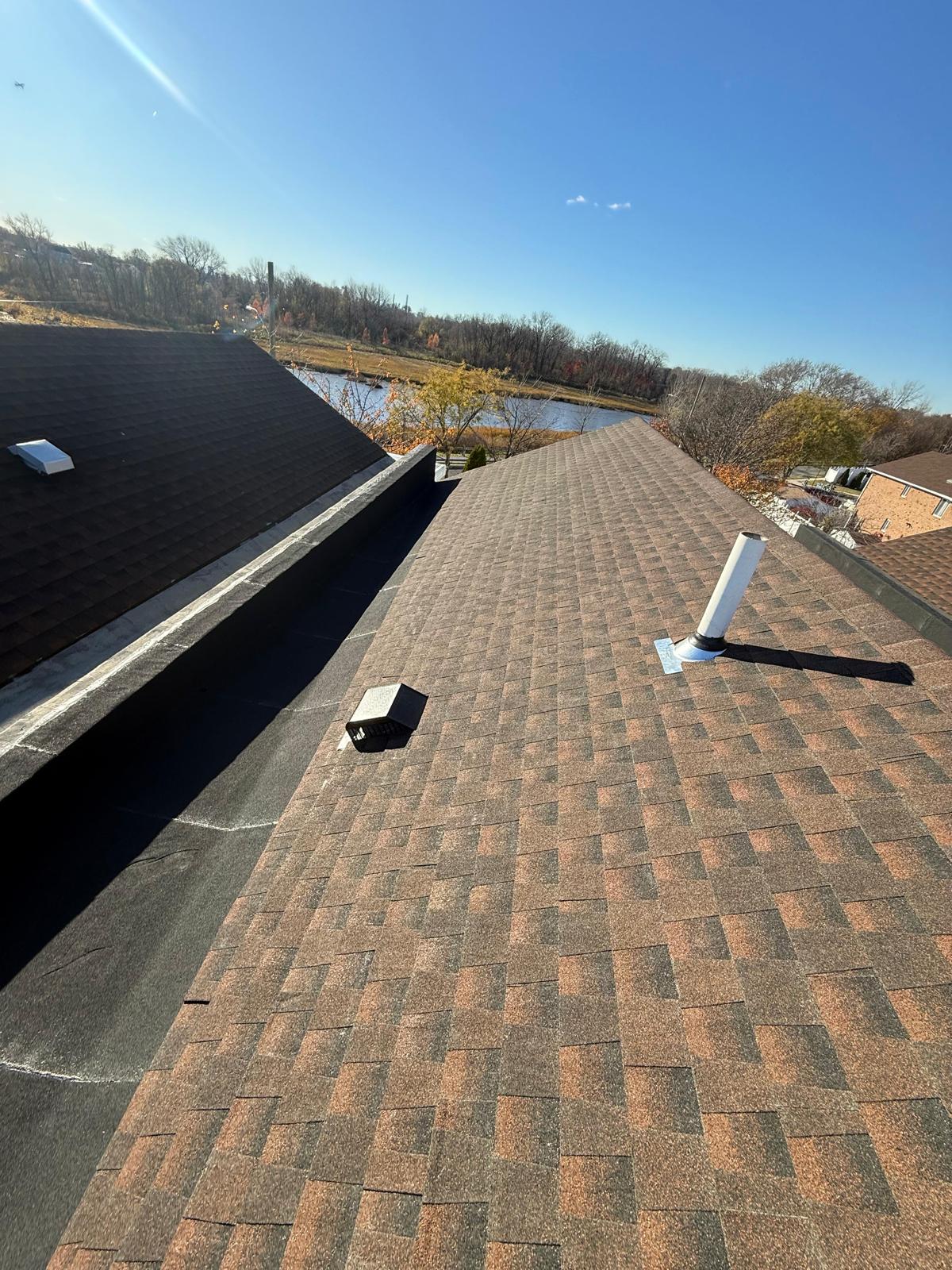
Ponding raises costs and risk for homeowners and contractors alike. Homeowners face faster roof deterioration, interior water damage and the chance of voided warranties or lower resale value compared with pitched roofs. Contractors who spot and fix ponding early reduce callbacks and build trust through visible, reliable repairs.
Quick summary
- Main disadvantage: ponding and poor drainage. When water cannot flow off the roof it pools and concentrates load on the membrane and deck. That accelerates membrane wear and increases the chance of leaks and structural problems.
- How ponding forms: flat roofs rely on tiny slopes and correctly sized outlets. Blocked scuppers, debris or flawed detailing can stop water from reaching drains and create standing pools. Over time those pools weaken membranes and seams.
- Quick fixes: start by clearing drains and scuppers and trimming overhanging branches that drop debris. Small repairs, like replacing scuppers or adding tapered insulation, can remove low spots. These steps often stop a minor issue from becoming an expensive retrofit.
- Cost and action: small repairs are generally affordable, but persistent ponding usually requires retrofit work or replacement. Book a professional inspection if pools persist or if decking feels soft.
Quick answer: what is the main disadvantage of a flat roof?
Ponding drives other failures because constant moisture weakens seams and flashing near penetrations. Freeze-thaw cycles, UV exposure and heat make small defects grow into larger leaks. For homeowners that means higher repair bills and possible interior damage.
How ponding forms and how standing water damages your roof
Ponding happens when the subtle slopes or the drainage system cannot move runoff off the roof. Visible pools point to the likely causes and where to inspect. Focusing on these common modes helps you target the most effective repairs.
- Insufficient slope or missing tapered insulation: incorrect tapers create permanent low spots that hold water. Fixing slope usually requires adding tapered insulation panels to re-establish fall toward drains.
- Clogged drains and scuppers: leaves, debris or undersized strainers block outlets and cause local backups. Regular cleaning and properly sized strainers prevent most blockages.
- Structural settling or sagging: deck movement or framing deflection forms dips across the roof plane. Older structures or extra loads can make these dips worse and may need structural repair.
- Compressed insulation from foot traffic or stored loads: crushed insulation creates depressions beneath the membrane. Replacing or supplementing insulation is often required to restore drainage.
- Poor detailing around penetrations: low or improperly flashed skylights, vents and transitions concentrate ponding near vulnerable points. Careful flashing, raised curbs and proper transitions reduce this risk.
These failure modes point to the places you should inspect first. Once water sits, membranes and adhesives begin to fail. Seams can separate, blisters and soft spots appear, and repeated UV, heat and freeze-thaw cycles make the damage worse. Biological growth such as moss or algae can also accelerate material breakdown.
Top 5 flat roof issues, explained
Drainage failure and accelerated wear cause the bulk of flat roof problems. Below are the five issues to spot first so you can prioritise repairs and maintenance. Spotting them early helps you manage costs and avoid emergency work.
- Ponding and drainage problems: standing water and clogged outlets are the most urgent issues. When pools remain after storms they accelerate membrane wear and raise loads on the roof deck. Clearing drains and correcting low spots prevents many downstream failures.
- Membrane wear and leaks: seams, poorly sealed penetrations and weathered surfaces lead to leaks. UV exposure and temperature cycles reduce membrane elasticity and adhesion over time. Regular seam checks and timely repairs limit water entry.
- Higher maintenance needs and costs: flat roofs usually need more frequent cleaning, patching and inspections than pitched roofs. Debris removal and drain maintenance become recurring expenses. Over years these costs can exceed the savings from a lower initial price.
- Insulation and structural damage: compressed insulation reduces thermal performance and creates low spots. Chronic moisture can cause deck sagging and hidden rot. Repairing insulation or structural members increases complexity and cost.
- Shorter useful life in wet climates: compared with some pitched systems, flat roofs often require earlier interventions and component replacement. Material selection matters, but chronic ponding shortens lifespan regardless of membrane type. Budgeting for periodic retrofits or replacement avoids surprises.
Problems escalate at different rates. Ponding and blocked drains are the quickest to worsen because standing water speeds membrane failure. Material choice also affects risk and lifespan: EPDM typically lasts 25 to 35 years, PVC about 25 to 30 years, TPO 20 to 30 years depending on seam quality, and fluid-applied coatings generally 10 to 20 years depending on product and prep.
Flat roofs still make sense for compact commercial buildings and rooftop use, while a pitched roof may be better on very steep sites or where long uninterrupted runs and prolonged rain make ponding likely. Read on for inspection and prioritisation steps that help you get the best return on your budget.
Warning signs, inspection schedule and a simple DIY checklist
Drainage failures often show visible signs before structural damage appears, so catching issues early saves money. Use the warning signs below to decide what you can handle yourself and when to call a professional.
- Persistent pooling after rain: this is urgent. Pools accelerate membrane breakdown and can lead to leaks. Photograph the pool size and location and clear obvious debris from drains.
- Soft or spongy areas underfoot: this suggests saturated decking or insulation and needs immediate inspection. Walking on these spots can worsen damage and hide how extensive the problem is. Call a professional if you find soft areas.
- Blisters or bubbles in the membrane: often caused by trapped moisture or adhesion failure, blisters usually precede leaks. Small blisters may be repairable, but numerous or large blisters point to a systemic issue. Have a contractor assess whether patching or replacement is required.
- Seam separations: open seams allow water to enter and should be repaired promptly. Proper welding or adhesive work is needed for a durable fix. Left untreated, seam failures quickly lead to interior damage.
- Moss or algae growth: surface growth sometimes looks cosmetic, but it signals chronic damp and likely drainage problems. Growth traps moisture against the membrane and accelerates deterioration. Regular cleaning and improved runoff reduce recurring issues.
- Stained ceilings below: this is a strong sign of active interior leakage and needs immediate attention. Water stains can indicate hidden damage to insulation or decking. Arrange an inspection and protect interior finishes while repairs are planned.
Set an inspection cadence so small issues don’t become big ones. Do visual DIY checks every few months and schedule professional inspections at least twice a year, in spring and autumn. For roofs older than 10 years or under heavy tree cover, perform quarterly checks and increase inspections after storms. Keep simple dated records so trends are easy to spot.
Costs: repairs, retrofits and when to replace
Repair bills that follow drainage failures illustrate why ponding is the riskiest issue. Typical ranges provide a starting point: drain repairs often cost $70 to $500, drip edge fixes $150 to $600, and general flat roof repairs average $300 to $1,100. Ponding-specific fixes span from small patching at $70 to $750 to re-sloping or replacing insulation for $300 to $2,500 or more. Full replacement commonly runs $3 to $11 per square foot, with many projects averaging around $7,400. For regional cost comparisons and sample estimates, see this flat roof repair cost guide.
Many factors affect costs, including roof size, membrane type, access difficulty, saturated insulation and local labour rates. Ask for line-itemized quotes from multiple contractors so you can compare materials, labour and warranty terms and weigh retrofit options such as coatings or tapered insulation against full replacement.
Consider replacement when a roof about 10 years old has repeated leaks, when insulation is soaked, or when cumulative patch costs approach roughly half the estimated replacement price. Coatings can extend life cost-effectively but do not fix structural sag or widespread insulation compaction. Arrange a professional inspection and get clear written quotes before committing to major work.
Practical fixes and prevention: maintenance, retrofits and contractor tips
Begin with repeatable checks this season to prevent small issues from becoming emergencies. Clear leaves and debris from drains and scuppers, trim overhanging branches, remove moss and avoid heavy stored loads. Schedule biannual professional cleanings to keep drains and outlets working as intended.
When patching isn’t enough, retrofit solutions restore proper flow and prevent ponding long term. Common fixes include tapered insulation panels to recreate slope, adding scuppers or retrofit drains, installing internal drains with larger strainers and applying fluid-applied silicone coatings for a seamless surface. Durable drain upgrades such as specialized retro-rings can improve long-term reliability and reduce clogging risk; see examples of durable drain upgrade options.
Work with contractors who document every step so you can verify the work later. Confirm drain capacity, request detailed taper design drawings, check flashing and seam welding, and ask for written warranties plus staged photos and simple diagrams as proof of the fix. If you want to present case studies online, DigitalBina builds portfolio sites that highlight before and after images and technical notes so homeowners can see exactly what was done and why it solved the problem.
Inspect drains regularly, act on visible pooling and compare retrofit options such as tapered insulation or retrofit drains. Budget realistically for the complexity of the fix and insist on staged photos and warranties from your contractor. Keep repair records for maintenance tracking and marketing use.
What is the main disadvantage of a flat roof
The main disadvantage of a flat roof is ponding and poor drainage. Standing water concentrates load, speeds membrane wear and invites leaks and structural problems over time, so preventing and addressing ponding should be a top priority for owners and contractors.
Keep these practical steps in mind: design for reliable drainage, inspect after heavy rain and fix low spots early to prevent long-term damage. Homeowners should check their roof after the next rain, photograph any standing water and book a professional inspection if pools persist.
For detailed guidance on stopping ponding and recommended repair strategies, see a manufacturer guide that explains common fixes and prevention methods: how to stop ponding on flat roofs.