Why Every Homeowner Needs a Roof Maintenance Plan
Think about how you treat your vehicle. You wouldn’t skip oil changes for a decade and expect the engine to run smoothly, yet that is exactly how many of us handle our roofing systems. Your home is likely your single largest financial asset, and the roof is the only shield standing between that investment and the elements. Just as regular service extends the life of a car, a proactive strategy is essential to prevent a complete “engine failure” above your head.
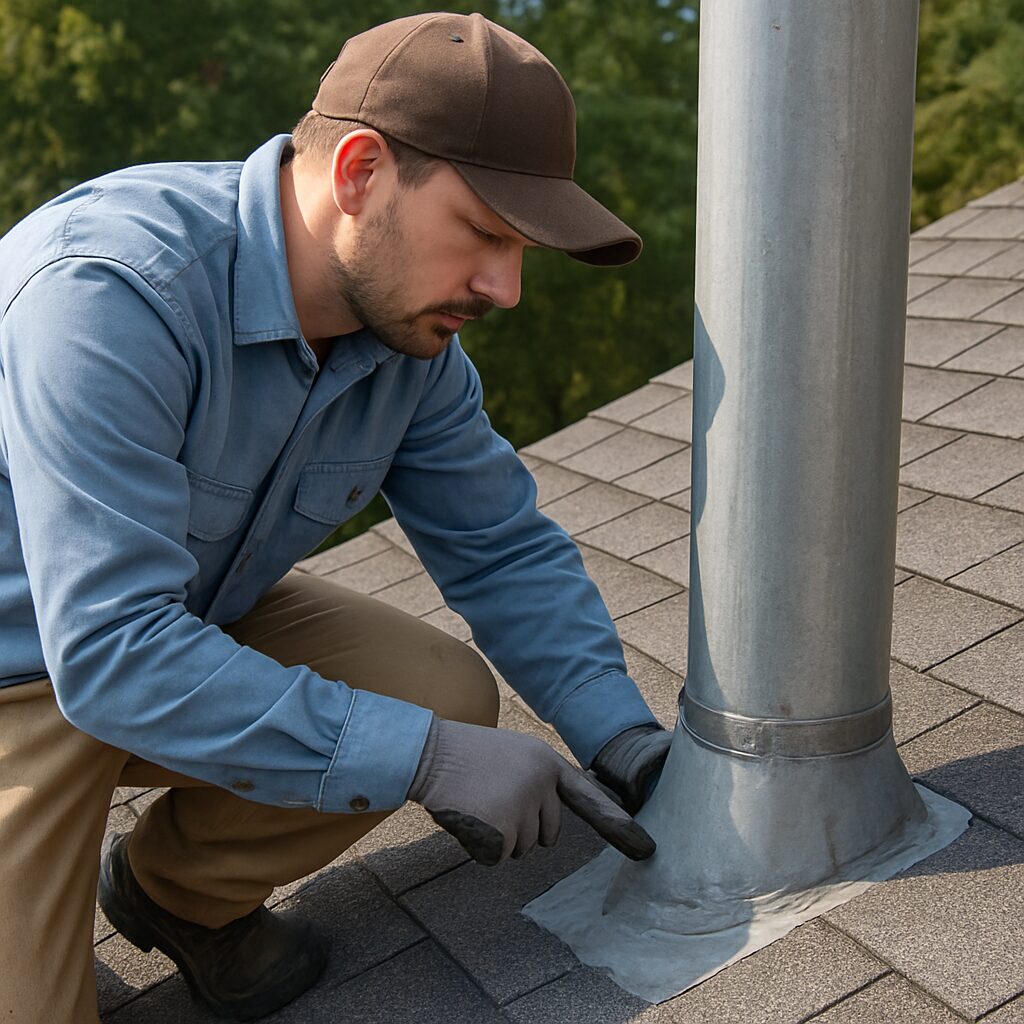
Most roof failures don’t actually start with a massive storm; they begin with the components you can’t see from the driveway. Beyond the visible shingles, your home relies on flashing—the metal strips acting as waterproof tape around your chimney—and underlayment, a hidden protective barrier sitting right against the wood deck. According to industry data, the vast majority of leaks originate in these detailed connection points rather than the shingles themselves.
Relying solely on a manufacturer’s warranty often offers a false sense of security, as these contracts typically do not cover damage caused by neglect. By the time a brown spot finally appears on your bedroom ceiling, the water has likely been working its way through the structure for months. Following practical roofing maintenance tips allows you to catch these invisible issues while they are still minor, inexpensive repairs.
The $200 Oil Change vs. The $15,000 Engine Swap
We often expect our roofs to protect our biggest investment with zero upkeep, but the math doesn’t add up. A standard check-up might cost a few hundred dollars, but it functions exactly like preventative vehicle maintenance. If you ignore these small costs, you aren’t saving money; you are simply delaying a massive bill and shortening the time until you need a full replacement.
Waiting until water is dripping onto your dining room table guarantees you will pay the highest possible price. This is because emergency roof repair advice usually comes with a “panic premium”—contractors are in high demand during storms and often charge extra for immediate service. Worse, the invisible damage to insulation and drywall often costs more to fix than the leak itself, turning a minor maintenance oversight into a major financial headache.
From a strict numbers perspective, the preventative roof maintenance cost savings are substantial. Industry data suggests that catching minor issues early—like a loose piece of flashing (the metal seal around vents) or a cracked shingle—can yield a significant return on investment. This isn’t just about fixing leaks; it is about extending asphalt shingle lifespan by five to seven years, effectively pushing back that $15,000 replacement expense.
Shifting your mindset from reactive repairs to proactive stewardship puts you in control of your home’s financial health. With the incentives established, a specific calendar ensures your home remains secure through every season.
A Seasonal Roadmap for a Leak-Proof Home
Just as you swap your wardrobe when the weather turns, your home requires a shift in focus to handle seasonal stressors. For example, a roof maintenance plan for homeowners in Cumming GA focuses heavily on sun damage and sudden thunderbursts, while a preventive roof maintenance plan Middlesex County residents rely on must prioritize the expansion and contraction caused by freeze-thaw cycles. Despite these regional differences, the universal rule is consistency: your roof is most vulnerable during the transition between seasons.
You generally don’t need to climb a ladder to spot major warning signs; a pair of binoculars and a walk around your property are usually sufficient for this “4-Point Check”:
- Gutter Clearance: The impact of gutter cleaning on roof health is massive; clogged gutters trap water that backs up under shingles and rots the wood deck beneath.
- Debris Removal: Clear pine needles from valleys (the “V” where roof sections meet), as damp piles act like a wet sponge against the roof.
- Shingle Inspection: Look for shingles that are curling, cracked, or completely missing after high winds.
- Granule Check: Inspect downspout splash blocks for excessive accumulation of the rough, sand-like grit that protects shingles from UV rays.
Executing this seasonal roof care routine allows you to catch “silent killers” before they compromise the waterproof seal. When shingles lose that protective grit, they bake in the sun and become brittle, eventually cracking and allowing water in. In colder months, spotting drainage issues early prevents ice dams—ridges of ice that form at the roof’s edge and force water backward into your walls. However, external weather is only half the battle; sometimes the biggest threat comes from the air trapped inside your own home.
How Your Attic ‘Cooks’ Your Roof From the Inside Out
We often assume the sun is the only heat source damaging our shingles, but a significant threat actually lurks beneath them. Since heat naturally rises, your attic can act like an oven, trapping hot air that bakes the underside of your roof deck. Without a way for this air to escape, the temperature difference causes thermal expansion, where materials swell and shrink repeatedly. Over time, this stress makes shingles brittle and prone to cracking long before their warranty expires, leading to one of the most common roofing problems found during inspections.
To prevent this structural fatigue, your house needs to “breathe” efficiently through a balanced intake and exhaust system. This process relies on soffits—the vented panels underneath your roof’s overhangs—drawing in cool, fresh air while ridge vents at the peak release the superheated air. Improving attic ventilation and insulation works together to create a continuous airflow loop, ensuring that the roof temperature remains consistent with the outdoors. When this cycle is blocked by insulation stuffed over the soffits or painted-over vents, the heat has nowhere to go but into your shingles.
Recognizing these invisible issues is easier than you might think; icicles forming in winter or skyrocketing cooling bills in summer are often the first indicators of poor ventilation. Addressing these airflow problems not only extends the lifespan of your materials but also lowers your monthly energy costs by reducing the burden on your air conditioner. Proactive roof care tips like checking for blocked vents are essential steps in stewardship, as neglect here can lead to costly surprises later. This documentation of consistent care becomes even more critical when you need to prove the condition of your home to a third party.
Keeping Your Warranty and Insurance Claims Valid
A manufacturer’s warranty often feels like a safety net, but it typically comes with strings attached known as roof warranty compliance requirements. Just as a car manufacturer can void your engine coverage if you never change the oil, roofing material companies may reject a claim if they find evidence of long-term neglect, such as heavy moss buildup or debris-filled gutters. This makes regular upkeep not just a physical necessity for your home’s structure, but a financial requirement to keep your coverage active.
Insurance companies operate with similar strictness, distinguishing clearly between “sudden damage” and “wear and tear.” When a storm hits, an adjuster will inspect the damage to see if the roof was already failing before the wind or hail arrived. Demonstrating proactive roof maintenance for insurance claim approval is your best defense against a denied claim; it proves that the damage was caused by the specific weather event, not by years of ignoring a small leak or cracked seal.
The smartest way to protect your investment is to create a simple “health history” for your home. Sticking to a consistent maintenance schedule is vital, but proving you did the work is what matters to an adjuster or a future buyer. Keep a specific folder or digital file containing these three essentials:
- Dated photos of the roof taken once a year (even from the ground).
- Receipts for any repairs, gutter cleanings, or moss treatments.
- Written reports from professional inspections.
While these records prove you’ve done your part, some issues hide where only a trained eye can find them, making it vital to understand what happens during a professional tune-up.
The Professional Tune-Up: What a Contractor Sees That You Can’t
Walking around your property to spot missing shingles is a responsible first step, but reliance on ground-level observation usually means you only catch problems after damage has occurred. This approach focuses on damage control, whereas understanding the difference between professional roof maintenance vs reactive repairs is about prevention. A roofer spots subtle warning signs before they become expensive leaks, identifying issues that an untrained eye would miss.
One of the most common silent failures involves the “pipe boot,” which is the rubber collar that seals the base of the ventilation pipes sticking out of your roof. While your asphalt shingles might be rated for decades, these rubber seals often crack and degrade after just seven or eight years of intense sun exposure. A professional providing annual roofing tune-up services will identify these brittle boots and replace them for a nominal fee, saving you from the inevitable water damage in your attic.
Many homeowners find the easiest way to manage this is through a recurring maintenance agreement, which operates much like a subscription for home health. While you might see a rigorous commercial roof maintenance plan in columbia sc advertised for businesses, similar residential programs offer homeowners priority scheduling and consistent upkeep records. This effectively shifts the mental burden of tracking service dates from your calendar to the contractor’s schedule.
Catching these small issues early halts the “domino effect” of deterioration that secretly shortens a roof’s lifespan. By combining professional oversight with a simple residential roof inspection checklist for your own seasonal walkthroughs, you create a comprehensive defense strategy that keeps your home secure in any season.
Your 3-Step Plan for Year-Round Roof Security
Seeing your roof as an active system rather than a static shield is the first step toward smart homeownership. A solid roof maintenance plan transforms a potential financial emergency into a predictable, manageable routine. Instead of waiting for a ceiling leak to announce a problem, you have the knowledge to spot the subtle warning signs of flashing failure or ventilation issues before they threaten your wallet.
Your next step is simple: put your home on the schedule. If you are wondering how often should a roof be inspected, aim for a professional checkup annually and a personal visual scan from the ground after major storms. Take ten minutes this week to walk the perimeter of your house. Spotting a single loose shingle or a gutter full of leaves today puts you in control, shifting your role from a passive observer to a proactive steward.
Treat your roof with the same consistent care you give your vehicle. You wouldn’t drive a car for twenty years without an oil change, and your home’s primary defense deserves that same attention. By committing to a routine maintenance schedule, you are doing more than just extending the life of your materials; you are securing the value of your largest investment. Enjoy the peace of mind that comes from knowing your home is truly ready for the weather ahead.