Why Water Leaks Behind Gutters: Causes and Solutions Explained
Water leaks behind gutters can lead to significant damage. Understanding the causes and solutions is essential for protecting your home. Explore this guide to safeguard your property.
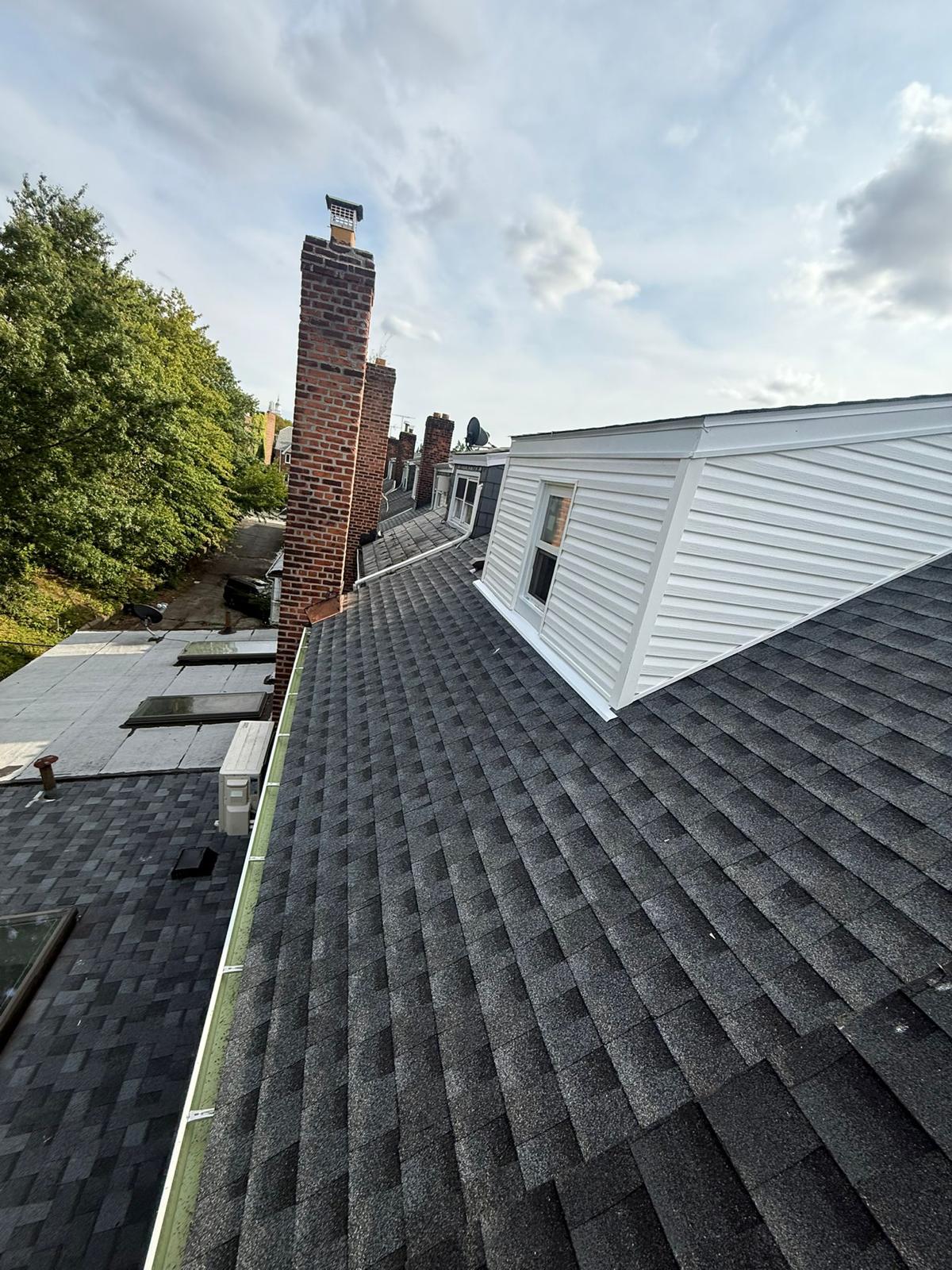
Understanding the Importance of Gutters
Gutters are an integral part of a home’s infrastructure, designed to collect and divert rainwater away from the foundation. By channeling water safely away, gutters prevent soil erosion, basement flooding, and structural damage. Without functional gutters, homes are vulnerable to water damage, which can compromise the integrity of the building over time. Properly maintained gutters protect both the exterior and interior of your home, preserving its value and ensuring a safe, dry living environment.
The primary function of gutters is to manage the flow of rainwater from the roof. When it rains, water runs off the roof and into the gutters, which then direct it to downspouts and away from the house. This system prevents water from pooling around the foundation, which can lead to cracks, settling, and costly repairs. Additionally, gutters prevent water from dripping directly onto walkways and entryways, reducing the risk of slips and falls.
Moreover, gutters play a crucial role in protecting the landscape around your home. Excessive water flow can wash away soil, ruin gardens, and create unsightly mud puddles. By diverting water away from sensitive areas, gutters help maintain the aesthetic appeal of your property. In essence, gutters are a small but mighty component of home maintenance, crucial for preventing water-related issues.
Common Causes of Water Leaks Behind Gutters
Water leaks behind gutters can be a perplexing issue for homeowners. One common cause is improper gutter slope, also known as pitch. Gutters must be installed with a slight slope towards the downspouts to ensure water flows efficiently. If the slope is incorrect, water can pool in the gutters and overflow, leading to leaks behind the gutter system. This problem is often exacerbated by the accumulation of debris, which can further obstruct water flow.
Another significant cause is damaged or deteriorated flashing. Flashing is the material used to seal joints and direct water away from critical areas like chimneys, skylights, and roof edges. If the flashing is damaged, it can allow water to seep behind the gutters and into the fascia board, causing leaks. Over time, this can lead to wood rot and structural damage. Regular inspection of flashing is essential to identify and repair any issues promptly.
Lastly, gaps between the gutter and the fascia board can also lead to water leaks. These gaps can occur due to improper installation or the natural settling and shifting of the house. When there is a gap, water can bypass the gutter system and run down the exterior walls of the house. This not only causes leaks but can also lead to water stains, mold growth, and other moisture-related problems. Sealing these gaps is crucial to maintaining a watertight gutter system.
The Impact of Clogged Gutters on Water Leakage
Clogged gutters are one of the most common culprits behind water leaks. When gutters are filled with leaves, twigs, and other debris, they cannot effectively channel water away from the house. Instead, water overflows from the clogged areas, often spilling behind the gutters and onto the fascia board. This overflow can lead to significant water damage, including wood rot and mold growth.
The impact of clogged gutters extends beyond just leaks. When water cannot flow through the gutters properly, it can cause the gutters to sag or pull away from the house. The added weight of the debris and water can strain the gutter brackets and screws, leading to detachment. Once the gutters are compromised, water can easily seep behind them, exacerbating the leakage problem. This situation can also cause damage to the roof edge and the soffit, leading to more extensive repairs.
Moreover, clogged gutters can create a breeding ground for pests. Standing water in the gutters can attract mosquitoes, while the debris can provide nesting material for birds and rodents. These pests can cause further damage to the gutter system and the home. Regular cleaning and maintenance of gutters are essential to prevent clogs and the associated water leakage. By keeping gutters clear, you can ensure that they function effectively and protect your home from water damage.
How Improper Gutter Installation Leads to Leaks
Improper gutter installation is a significant factor contributing to water leaks behind gutters. One common installation mistake is using the wrong size gutters for the roof area. If the gutters are too small, they will not be able to handle the volume of water during heavy rainfall, leading to overflow and leaks. Ensuring that the gutters are appropriately sized for the roof is crucial for effective water management.
Another installation issue is the incorrect placement of downspouts. Downspouts must be positioned strategically to ensure that water is directed away from the house. If downspouts are placed too far apart or in ineffective locations, water can pool in the gutters and lead to leaks. Additionally, downspouts should be extended far enough from the foundation to prevent water from seeping into the basement or crawl space. Proper planning and placement of downspouts are essential for preventing water leaks.
The quality of the installation work also plays a vital role. Poorly secured gutters, insufficient brackets, and improper sealing can all contribute to leaks. Gutters must be securely fastened to the fascia board and sealed at the joints to prevent water from escaping. Inadequate sealing can lead to gaps and openings where water can seep through. Hiring experienced professionals for gutter installation ensures that the job is done correctly and reduces the risk of leaks.
Seasonal Factors Contributing to Gutter Leaks
Seasonal changes can significantly impact the performance of your gutter system. In the fall, falling leaves and debris can quickly accumulate in the gutters, leading to clogs and overflow. Regular cleaning during this season is essential to prevent water leaks. Additionally, the weight of wet leaves can cause gutters to sag or detach, creating gaps where water can leak through. Ensuring that gutters are clear and secure is crucial during the fall months.
Winter brings its own set of challenges for gutters. Ice dams are a common issue that occurs when snow on the roof melts and refreezes at the gutter edge. This can block the flow of water and cause it to back up behind the gutters. The added weight of ice can also strain the gutters and lead to detachment. To prevent ice dams, it’s essential to ensure proper attic insulation and ventilation. Additionally, using gutter guards can help prevent the accumulation of ice and snow in the gutters.
Spring and summer also present challenges for gutter systems. Spring showers can test the capacity and efficiency of the gutters. If the gutters are not clean and properly maintained, they may not be able to handle the increased water flow, leading to leaks. In the summer, intense sunlight and heat can cause the gutters and seals to expand and contract, potentially leading to gaps and leaks. Regular inspection and maintenance during these seasons can help identify and address any issues before they become major problems.
Identifying Signs of Water Damage Behind Gutters
Recognizing the signs of water damage behind gutters is crucial for early intervention and prevention. One of the most apparent signs is peeling paint or staining on the exterior walls. When water leaks behind the gutters, it can run down the walls, causing the paint to bubble, peel, or discolor. If you notice any unusual changes in the paint or siding, it’s essential to investigate the cause and address any gutter issues.
Another sign of water damage is the presence of mold or mildew. Moisture behind the gutters can create a conducive environment for mold growth, which can spread to the interior of the home. Look for black, green, or white patches on the exterior walls or the fascia board. Mold not only indicates a moisture problem but can also pose health risks to the occupants of the home. Addressing water leaks promptly can help prevent mold growth and protect indoor air quality.
Additionally, look for signs of wood rot on the fascia board and soffit. Continuous exposure to water can cause the wood to soften, decay, and crumble. If you notice any soft spots, cracks, or holes in the wood, it’s a clear indication of water damage. Wood rot can compromise the structural integrity of the roof edge and the gutter system. Replacing damaged wood and addressing the source of the leak is essential to prevent further deterioration.
Solutions for Preventing Water Leaks Behind Gutters
Preventing water leaks behind gutters requires a proactive approach and regular maintenance. One effective solution is to ensure proper gutter slope during installation. Gutters should have a slight pitch towards the downspouts to facilitate water flow. Regularly checking the slope and making adjustments as needed can help prevent water from pooling and overflowing behind the gutters.
Installing gutter guards is another excellent solution for preventing clogs and leaks. Gutter guards act as a barrier, keeping leaves, twigs, and debris out of the gutters while allowing water to flow through. This reduces the need for frequent cleaning and minimizes the risk of clogs that can lead to leaks. There are various types of gutter guards available, including mesh screens, foam inserts, and reverse curve systems. Choosing the right type for your home can enhance the efficiency of your gutter system.
Proper sealing and caulking of gutters and downspouts are also essential for preventing leaks. Ensuring that all joints, seams, and end caps are securely sealed can prevent water from escaping. Regularly inspecting these areas and reapplying sealant as needed can help maintain a watertight system. Additionally, addressing any gaps between the gutter and the fascia board with appropriate sealant or flashing can prevent water from seeping behind the gutters.
Regular Maintenance Tips for Gutters
Regular maintenance is key to ensuring the longevity and efficiency of your gutter system. One of the most important maintenance tasks is cleaning the gutters regularly. Depending on the surrounding environment, gutters should be cleaned at least twice a year, in the spring and fall. Removing leaves, twigs, and debris prevents clogs and ensures that water flows smoothly through the system. Using a gutter scoop, garden hose, or professional cleaning service can help keep gutters clear.
In addition to cleaning, regular inspection of the gutter system is essential. Check for any signs of damage, such as cracks, holes, or sagging sections. Ensure that the gutters are securely attached to the fascia board and that the brackets and screws are in good condition. Inspect the downspouts for any blockages and ensure that they are directing water away from the foundation. Addressing any issues promptly can prevent more significant problems down the line.
Trimming overhanging branches is another important maintenance task. Branches that hang over the roof can drop leaves and debris into the gutters, leading to clogs. Additionally, overhanging branches can cause damage to the roof and gutter system during storms. Regularly trimming these branches can reduce the amount of debris in the gutters and minimize the risk of damage. Maintaining a clear area around the gutters ensures that they function efficiently and effectively.
When to Call a Professional for Gutter Issues
While regular maintenance and minor repairs can often be handled by homeowners, there are times when it’s best to call a professional for gutter issues. One such instance is when there is significant damage to the gutter system. If the gutters are severely sagging, detached, or have large holes and cracks, professional repair or replacement may be necessary. Professionals have the expertise and tools to assess the extent of the damage and provide appropriate solutions.
Another situation that warrants professional intervention is when there are persistent leaks despite regular maintenance. If you’ve cleaned the gutters, checked the slope, and sealed any gaps, but leaks continue to occur, it’s time to call a professional. They can conduct a thorough inspection to identify any underlying issues that may not be immediately apparent. Addressing these issues promptly can prevent further water damage and costly repairs.
Additionally, if you notice signs of water damage on the exterior or interior of your home, it’s crucial to seek professional help. Water stains, mold growth, and wood rot are indicators of a more serious problem that requires expert attention. Professionals can not only repair the gutter system but also address any structural damage caused by water leaks. Ensuring that the problem is resolved comprehensively can protect your home from future water-related issues.
Protecting Your Home from Water Damage
Water leaks behind gutters can lead to significant damage if not addressed promptly. Understanding the causes and solutions is essential for protecting your home. Proper installation, regular maintenance, and timely repairs can prevent leaks and ensure that your gutter system functions efficiently. By taking a proactive approach, you can safeguard your property from water damage and maintain its value and integrity.
Regularly cleaning and inspecting your gutters, ensuring proper slope, and addressing any signs of damage are key steps in preventing water leaks. Installing gutter guards and using high-quality sealants can further enhance the efficiency of your gutter system. When in doubt, don’t hesitate to call a professional for expert advice and repairs. Investing in the maintenance and care of your gutters can save you from costly repairs and protect your home in the long run.
In conclusion, a well-maintained gutter system is a crucial component of home protection. By understanding the importance of gutters, recognizing the common causes of leaks, and implementing effective solutions, you can keep your home safe and dry. Take the time to care for your gutters, and they will, in turn, protect your home from the damaging effects of water.