How a Chimney Expert Inspects and Cleans a Chimney
A chimney is more than just a passage for smoke. It plays a crucial role in home safety. Regular inspection and cleaning are essential for maintaining its efficiency.
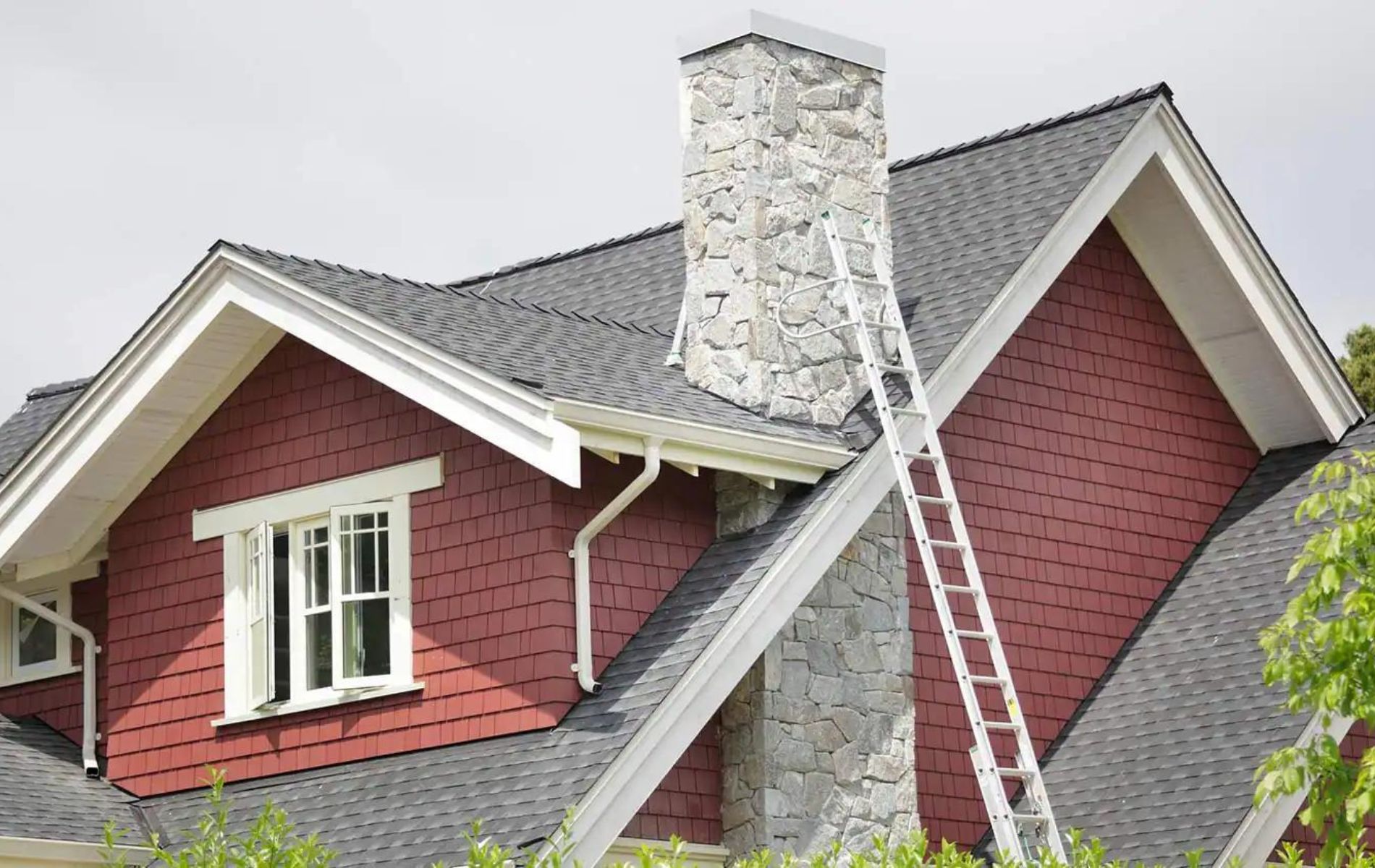
This guide explains how a chimney expert inspects and cleans a chimney so you know what to expect from chimney inspection and cleaning.
A chimney expert knows exactly what to look for. They can spot issues that might go unnoticed by the untrained eye. This expertise ensures your chimney is safe and functional.
Professional chimney cleaning removes dangerous creosote buildup. This reduces the risk of chimney fires. It also improves the overall efficiency of your heating system.
Understanding the inspection and cleaning process can help you make informed decisions and see where chimney cleaning services fit in. It highlights the importance of hiring a professional.
In this guide, we’ll explore how experts inspect and clean chimneys. We’ll also discuss costs and safety tips, including how much is a chimney cleaning and inspection in many areas.
Why Chimney Inspection and Cleaning Matter
Regular chimney inspection and cleaning are pivotal for home safety. A neglected chimney can lead to serious risks. These include chimney fires and harmful gas exposure like carbon monoxide.
Over time, chimneys accumulate creosote, a flammable byproduct of burning wood. Removing this buildup is crucial to prevent fires. Moreover, inspections can reveal structural damage. Early detection can save on costly repairs later.
There are several key benefits to regular chimney maintenance:
- Preventing chimney fires and improving air quality.
- Identifying and fixing structural issues early.
- Enhancing heating efficiency and reducing energy costs.
Professional chimney cleaning ensures your system is up to safety standards. It can also extend the life of your chimney. The investment in regular maintenance not only preserves the chimney’s functionality but also offers peace of mind. Scheduling a chimney safety inspection each year supports code compliance and safer operation.
The Chimney Inspection Process: Step by Step
A chimney inspection begins with a thorough visual assessment, often as part of a chimney safety inspection. The chimney expert examines both the interior and exterior for issues. This step is vital for understanding the chimney’s current state.
Next, the expert checks for blockages or debris. Leaves, nests, and other obstructions can pose serious hazards. Ensuring a clear flue is essential for safety.
The expert will also inspect for creosote buildup. This is one of the most common causes of chimney fires. Measuring the thickness of the creosote helps determine the necessary cleaning approach.
During the inspection, structural damage is also assessed. Cracks, spalling, or loose bricks can compromise the chimney. Early detection allows for timely repairs to prevent further deterioration.
Key steps in the chimney inspection process include:
- Visual and internal examination.
- Debris and obstruction removal.
- Creosote thickness measurement.
- Structural integrity assessment.
Finally, the professional provides a detailed report of the findings. This report often includes recommended actions to address any discovered issues. Regular inspections can prevent hazards and prolong chimney life.

Chimney Liner Inspection and Structural Checks
The chimney liner is an essential safety component. It’s crucial for protecting the chimney from heat and corrosion. A detailed chimney liner inspection documents any cracks or deterioration. An expert carefully inspects the liner for cracks or deterioration.
Structural checks are equally important. They involve assessing the chimney’s foundation and masonry. Even minor damages can escalate if ignored.
Key checks during this process include:
- Examining the liner for wear or damage.
- Inspecting masonry for cracks or loose bricks.
In the end, maintaining the chimney liner and structure ensures a longer lifespan. It also minimizes risks associated with chimney usage, keeping your home safer. Proper attention to these areas can prevent costly future repairs.
Professional Chimney Cleaning: What to Expect
Professional chimney cleaning involves a meticulous approach. Experts use specialized tools to remove soot and creosote. This process is essential for maintaining chimney efficiency and safety.
During the cleaning, the expert carefully vacuums debris. High-powered vacuums ensure no dust escapes into the home. Keeping the area clean is a priority throughout the process.
The expert also pays attention to hard-to-reach spots. Chimneys often have hidden crevices where debris can accumulate. Targeting these areas prevents unexpected issues down the line.
Hiring a professional offers several benefits, including:
- Thorough cleaning and debris removal.
- Safe handling of hazardous materials.
- Prevention of chimney fires and blockages.
Professional chimney cleaning does more than improve function. It significantly reduces the risk of hazards. Routine cleaning can extend the lifespan of your chimney. Your sweep may also share simple chimney cleaning tips you can follow between visits.
Tools and Techniques Used by Chimney Experts
Chimney experts rely on several tools for effective cleaning. Standard tools include bristle brushes and industrial vacuums. These tools help remove stubborn soot deposits effortlessly.
Another technique involves using cameras for inspections. These cameras navigate tight chimney spaces. They help experts view areas that are otherwise hidden.
Key tools and techniques used by chimney experts:
- Bristle brushes for thorough cleaning.
- Industrial vacuums for dust and debris removal.
- Inspection cameras for deep structural assessments.
Using the right tools ensures a thorough and efficient cleaning process. Proper technique and technology combine to achieve optimal results. This balance allows experts to maintain the highest safety standards.
Chimney Safety Inspection: Protecting Your Home
A chimney safety inspection is a critical step to ensure your home is secure. These inspections focus on identifying potential hazards, such as obstructions and structural weaknesses. Professionals check for proper ventilation and chimney cap installation, essential for safe fireplace use.
The inspection aims to mitigate risks like carbon monoxide poisoning and chimney fires. Addressing these concerns proactively prevents costly repairs and damage. Regular safety inspections provide peace of mind and enhance home safety.
Key aspects of a chimney safety inspection include:
- Checking for blockages and structural damage.
- Ensuring chimney caps are properly installed.
- Verifying adequate ventilation to prevent toxic gas buildup.
A well-maintained chimney contributes significantly to overall home safety and efficiency.
DIY Chimney Inspection vs. Hiring a Professional
Many homeowners consider a DIY chimney inspection to save money. While it can spot visible issues, it might miss hidden dangers. A professional inspection ensures a comprehensive assessment of your chimney’s condition.
Chimney experts use specialized tools and techniques to identify problems like creosote buildup or liner cracks. Their experience allows them to catch subtle signs of wear that a DIY inspection might overlook. This thorough approach can prevent future hazards.
Comparing DIY and Professional Inspection
- DIY: Cost-effective for visible issues but lacks depth.
- Professional: Comprehensive, using expert tools and knowledge.
- Recommendation: Use both; DIY for interim checks, professionals annually for peace of mind.
Professional inspections ultimately provide a detailed understanding of your chimney’s state, ensuring family safety.
How Much Is a Chimney Cleaning and Inspection? (Costs Explained)
Understanding the cost of chimney cleaning and inspection is crucial for budgeting. The price can vary significantly based on factors like location and chimney condition. Typically, homeowners can expect to pay between $100 and $500 for a complete service.
When comparing quotes, clarify the cost of chimney inspection and cleaning, since packages vary by provider. Ask for a written estimate that separates the chimney inspection cost, the chimney inspection and cleaning cost, and any fees rolled into the total chimney cleaning and inspection cost.
The complexity of the chimney and the area’s demand can also influence cost. For example, an older chimney with access issues might incur higher fees. It’s important to consider these variables when planning for an inspection.
Factors Affecting Costs
- Chimney height and accessibility
- Level of creosote buildup
- Regional pricing differences
Investing in a professional inspection can prevent expensive repairs down the line. This upfront cost ensures your chimney operates safely and efficiently, offering peace of mind. Take advantage of seasonal offers from local services to save on costs.
Chimney Care Tips for Homeowners
Use these chimney care tips to keep your system reliable. Taking care of your chimney ensures its safety and efficiency. Simple, regular maintenance can prevent costly repairs over time. Homeowners should consistently follow these basic care tips to keep their chimneys in top condition.
Essential Tips for Chimney Care
- Schedule annual inspections and cleanings.
- Use only seasoned wood to minimize creosote buildup.
- Install a chimney cap to prevent animal and debris entry.
- Follow basic chimney cleaning tips recommended by your sweep.
These proactive measures can help prolong your chimney’s lifespan and enhance its performance. With these tips, homeowners can avoid common issues and maintain a safe, efficient heating system all year round. Many pros offer bundled dryer vent cleaning and chimney inspection appointments, which can save time.
Finding Chimney Cleaning and Inspection Near Me
Locating reliable chimney services nearby can be simple. Start by searching online and asking neighbors for recommendations.
Tips for Finding Local Services
- Check online reviews and ratings.
- Compare service options and costs.
- Look for certified professionals with proven experience.
Using these steps, you can find trusted professionals who offer chimney inspection and cleaning services locally. Use phrases like “chimney cleaning and inspection near me” when searching online, and look for certified chimney cleaning services with clear pricing and insurance. This ensures your chimney remains in safe hands and well-maintained.
Frequently Asked Questions About Chimney Inspection and Cleaning
Many homeowners have questions about chimney maintenance. Here are answers to common concerns. Understanding these can help you maintain a safe fireplace.
Common Questions
- How often should I clean my chimney?
- Annually, as recommended by experts.
- What are signs my chimney needs cleaning?
- Look for excessive soot or poor draft.
- Can I do the cleaning myself?
- DIY checks are okay, but professional cleaning is best.
Knowing the answers to these questions ensures you’re informed and can make the best decisions for your home’s safety.
Conclusion: Invest in Chimney Health and Home Safety
Chimney maintenance is essential for a safe home and a functioning fireplace. Regular inspections and cleanings prevent hazards like chimney fires and carbon monoxide risks. Investing in professional services can save money by avoiding expensive repairs down the line.
Ensure your chimney remains in top condition by scheduling annual evaluations. This investment not only keeps your family safe but also enhances the efficiency and lifespan of your chimney. Don’t wait for problems to arise—take proactive measures to protect your home.
Q&A
Question: What happens during a professional chimney inspection?
Short answer: The expert performs a thorough visual assessment inside and out, checks for blockages or debris, measures creosote buildup, and evaluates structural integrity (cracks, spalling, loose bricks). They then provide a detailed report with recommended actions to address any issues.
Question: What is creosote, and why does it need to be removed?
Short answer: Creosote is a flammable byproduct of burning wood that accumulates in the flue and is a common cause of chimney fires. Professional cleaning removes this buildup to reduce fire risk, improve heating efficiency and air quality, support safer operation, and extend chimney life.
Question: What do chimney liner and structural checks involve?
Short answer: The liner is inspected for cracks or deterioration that can expose masonry to heat and corrosion. Experts also assess the chimney’s masonry and foundation for damage; catching issues early helps prevent costly repairs and enhances safety.
Question: Should I do a DIY chimney inspection or hire a professional?
Short answer: DIY checks can spot obvious, visible issues between visits, but they often miss hidden hazards like liner cracks or deeper creosote. Professionals use specialized tools and experience for a comprehensive assessment; the recommendation is DIY for interim checks and pro inspections annually.
Question: How much does chimney cleaning and inspection cost, and what affects the price?
Short answer: A complete service typically ranges from $100 to $500, depending on chimney height and access, creosote level, regional pricing, and complexity (older or hard-to-access chimneys may cost more). Ask for a written estimate that separates inspection, cleaning, and any added fees, and compare providers or seasonal offers to save.