Are Skylights Cold in Winter? What Homeowners Need to Know
Are Skylights Cold in Winter? What Homeowners Need to KnowYes, skylights can feel colder than other parts of your home during winter, but a properly designed and installed skylight should not make a room uncomfortably cold.
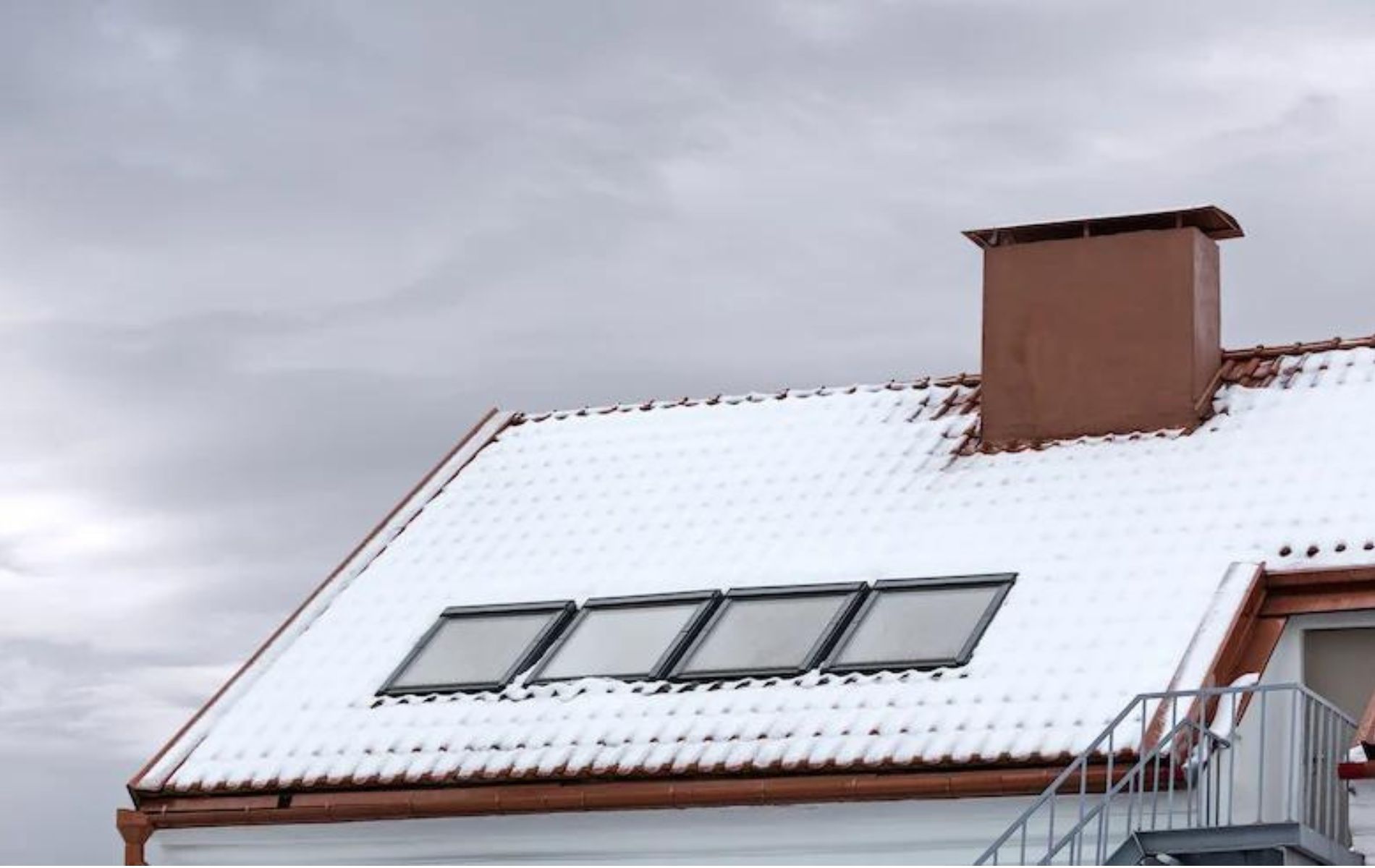
Skylights contain glass, which generally provides less insulation than a solid, insulated roof or wall. However, modern skylights can be designed with energy-efficient glazing, low-emissivity (low-E) coatings, insulated frames, and other features that reduce heat transfer.
If you notice a significant cold spot, draft, condensation, or unusual temperature difference around your skylight during winter, the problem may not simply be the weather. It could indicate an aging skylight, failed glazing seals, inadequate insulation, air leakage, or an installation problem.
For homeowners in New York, understanding why skylights feel cold in winter can help determine whether you simply need better insulation and ventilation or whether your skylight needs professional repair or replacement.
Do Skylights Get Cold in Winter?
Yes. The exterior surface of a skylight can become very cold when outdoor temperatures drop.
Because the skylight separates the warm interior of your home from cold outdoor air, some heat transfer naturally occurs through the glazing.
A skylight may therefore feel cooler than a nearby insulated wall.
However, there is an important distinction between a skylight feeling cool and a skylight causing excessive heat loss.
A modern, properly installed skylight with appropriate energy-efficient glazing can significantly reduce heat transfer. The U.S. Department of Energy notes that lower U-factor glazing allows less heat to flow through a window or skylight, while multiple panes, low-E coatings, insulating gas fills, and thermally improved frames can improve energy performance.
So, if your skylight is noticeably cold, the key question is:
Is the skylight operating normally, or is there an insulation, glazing, sealing, or installation problem?
Why Do Skylights Feel Colder Than Windows?
There are several reasons skylights can feel particularly cold during winter.
1. Glass Is Less Insulating Than an Insulated Roof
A conventional roof assembly may contain shingles or another exterior roofing material, underlayment, roof decking, insulation, and interior finishes.
A skylight replaces part of that solid, insulated assembly with a transparent glazing system.
Even high-performance glass does not provide exactly the same thermal resistance as a well-insulated roof assembly.
2. Skylights Face the Sky
A vertical window exchanges heat with the outdoor environment around it.
A skylight is positioned toward the sky, which can create different thermal conditions at night. The exposed glazing can become quite cold during clear winter nights.
This can make the interior surface feel cooler even when the skylight is functioning correctly.
3. Older Skylights May Have Poorer Insulation
Older skylights may use single glazing, outdated frames, worn seals, or inefficient designs.
Modern skylights can use multiple panes and low-E coatings to reduce heat transfer. The Department of Energy explains that insulated glazing and low-E coatings can lower U-factor and improve thermal performance.
If your skylight is several decades old, replacing it with a modern energy-efficient unit may make a noticeable difference.
4. Poor Installation Can Create Drafts
A skylight can be energy-efficient on paper but still perform poorly if it is installed incorrectly.
Air leakage around the frame or curb can allow cold outdoor air into the home.
You may notice:
- A cold draft
- A noticeable temperature difference directly underneath the skylight
- Cold air around the frame
- Higher heating demand
- Condensation around the edges
- Interior moisture or staining
In this situation, the problem may involve the installation or surrounding roofing assembly rather than the glass itself.
Do Skylights Cause Heat Loss in Winter?
They can.
Any glazed opening in a building can allow some heat transfer between the interior and exterior.
The amount depends on the skylight’s:
- U-factor
- Number of glazing layers
- Low-E coating
- Frame construction
- Gas fill
- Size
- Installation quality
- Air leakage
- Insulation around the opening
A lower U-factor indicates less heat flow through the glazing. Energy-efficient skylights can therefore reduce winter heat loss compared with less efficient products.
That does not mean you should avoid skylights.
A properly selected and installed skylight can provide natural daylight and, depending on its orientation and glazing characteristics, can also provide some solar heat gain during daylight hours.
The goal is to balance daylight, thermal performance, ventilation, and comfort.
Can Skylights Actually Help Warm a Room in Winter?
Yes, potentially.
Skylights allow sunlight into your home, and sunlight carries energy that can provide passive solar heat during the day.
The amount of heat gained depends on factors such as:
- Skylight orientation
- Roof pitch
- Glazing type
- Size
- Sun angle
- Weather conditions
- Shading
- Time of day
However, solar heat gain does not necessarily compensate for all heat lost through the skylight, particularly during very cold periods or at night.
This is why choosing the correct glazing is important rather than assuming that more sunlight automatically means better winter performance.
What Is Low-E Glass and Why Does It Matter?
Low-E, or low-emissivity, glass contains a very thin coating designed to control heat transfer.
It allows visible light to enter while helping reduce thermal radiation through the glazing.
According to the U.S. Department of Energy, low-E coatings can reduce heat transfer and lower a window or skylight’s U-factor. Multiple glazing layers and insulating gas fills can further improve performance.
For a homeowner considering skylight replacement, low-E glazing can therefore be an important feature to discuss with the contractor.
Are Double-Glazed Skylights Warmer in Winter?
Generally, yes.
Double-glazed skylights contain two panes separated by an insulating space.
That additional layer reduces heat transfer compared with basic single glazing.
Some high-performance skylights use:
- Double glazing
- Triple glazing
- Low-E coatings
- Argon or krypton gas fills
- Warm-edge spacers
- Insulated frames
The exact performance depends on the complete skylight assembly rather than simply the number of glass panes.
A well-designed double- or triple-glazed skylight can provide substantially better thermal performance than an old single-pane unit.
Why Is My Skylight Condensing in Winter?
Winter condensation is one of the most common concerns homeowners have about skylights.
Condensation occurs when warm, moisture-filled indoor air contacts a sufficiently cold surface.
For example, cooking, showering, drying clothes, and normal household activity can increase indoor humidity.
When that warm air reaches cold skylight glazing, moisture may condense on the interior surface.
Occasional condensation does not necessarily mean the skylight is leaking.
However, persistent or excessive condensation deserves attention.
Common causes include:
- High indoor humidity
- Poor ventilation
- Cold glazing
- Inadequate insulation
- Air leakage around the frame
- Failed glazing seals
- An aging skylight
- Poor installation
The Department of Energy notes that condensation resistance is an important consideration for windows, doors, and skylights, particularly in cold conditions.
What Is the Difference Between Condensation and a Skylight Leak?
This distinction is important.
Condensation
Condensation generally forms when moisture from indoor air collects on a cold interior surface.
You may see:
- Droplets on the glass
- Moisture around the frame
- Fogging on the interior surface
A Roof or Skylight Leak
A leak occurs when water enters from outside.
Possible signs include:
- Brown ceiling stains
- Water dripping during rain
- Damp drywall
- Peeling paint
- Water around the skylight shaft
- Moisture appearing after snow melts
- Damaged or deteriorated flashing
Sometimes the water source is not the skylight itself.
A nearby roof section, flashing detail, chimney, or roofing membrane can allow water to travel before it becomes visible around the skylight.
This is why a professional inspection is useful when the source of moisture is unclear.
Why Does My Skylight Feel Drafty?
A skylight should not normally create a noticeable cold draft.
If you can feel air movement around the frame, investigate the issue.
Possible causes include:
- Failed seals
- Gaps around the frame
- Poor installation
- Deteriorated flashing
- Damaged insulation
- Air leakage around the skylight shaft
- Aging frame components
A cold surface is one thing. Moving cold air is another.
If you feel a distinct draft, the problem may involve air leakage rather than normal heat transfer through the glass.
How Can I Keep My Skylight Warmer in Winter?
There are several ways to improve skylight performance.
Improve Attic Insulation
If your skylight shaft or surrounding roof area is poorly insulated, heat can escape around the opening.
Proper insulation helps reduce heat transfer between the conditioned interior and the exterior.
Seal Air Leaks
Small gaps around the frame or shaft can allow cold air into the home.
A professional should identify and properly seal areas where air leakage is occurring.
Improve Ventilation
Good indoor ventilation helps control humidity.
Reducing excessive indoor moisture can also help minimize winter condensation.
Upgrade the Glazing
If the skylight is outdated, replacing it with an energy-efficient model can improve thermal performance.
Options may include:
- Double glazing
- Triple glazing
- Low-E glass
- Argon-filled glazing
- Improved frame insulation
Replace a Failed Skylight
If the skylight has damaged glazing, failed seals, deteriorated frames, or recurring leaks, repair may not always be the most cost-effective solution.
A professional assessment can help determine whether repair or replacement makes more sense.
Should You Replace an Old Skylight Before Winter?
It depends on its condition.
Replacement may be worth considering if your skylight has:
- Persistent condensation between panes
- Cracked glass
- Cloudy or fogged glazing
- Noticeable drafts
- Repeated leaks
- Deteriorated seals
- Damaged flashing
- A warped frame
- Significant heat loss
- Recurring repair problems
Modern skylights can offer improved energy performance compared with many older units.
RH Renovation NYC’s current skylight guidance identifies fogging between panes, drafts, damaged flashing, recurring leaks, and outdated units among the situations where skylight replacement may be appropriate.
What Does Fogging Between Skylight Panes Mean?
Fogging or moisture between glass panes is different from normal condensation on the interior surface.
It can indicate that the insulating seal between the panes has failed.
When the sealed glazing unit loses its integrity, moisture can enter the space between panes and create persistent fogging.
This can reduce visibility and indicate that the insulating performance of the unit has deteriorated.
If you cannot wipe away the fog because it is trapped between the panes, professional inspection is recommended.
Can Skylight Insulation Prevent Winter Heat Loss?
Proper insulation around the skylight opening can help reduce heat transfer.
The glass itself is only one part of the system.
The complete assembly may include:
- Skylight glazing
- Frame
- Curb
- Roof opening
- Insulation
- Interior shaft
- Flashing
- Underlayment
- Roofing materials
A problem in any of these areas can affect comfort and energy performance.
This is why simply replacing the glass may not solve a cold skylight if the surrounding installation is poorly insulated or sealed.
Are Skylights a Problem in New York Winters?
New York homes experience significant seasonal temperature changes.
Winter conditions can include:
- Freezing temperatures
- Snow
- Ice
- Freeze-thaw cycles
- Wind
- Heavy precipitation
These conditions can put additional stress on roofing materials, flashing, seals, and skylight installations.
RH Renovation NYC notes that New York skylights can be affected by changing temperatures, snow, ice, wind-driven rain, drainage issues, and aging roofing systems.
For homes in the Bronx, Queens, Brooklyn, and Westchester, skylight performance should therefore be considered as part of the entire roofing system rather than as an isolated glass feature.
Can a Skylight Leak Only During Snow or Ice?
Yes.
A skylight may remain dry during normal rainfall but develop problems during snow accumulation or melting conditions.
Potential causes include:
- Damaged flashing
- Poor drainage
- Deteriorated roofing
- Ice accumulation
- Failed seals
- Problems around the skylight curb
- Improper installation
Water can also travel beneath roofing materials before appearing around the skylight.
If a leak occurs specifically during snowmelt or winter weather, a professional roof and skylight inspection can help identify the source.
Does a Skylight Need to Be Replaced If It Feels Cold?
Not necessarily.
A skylight can feel cooler than a wall simply because glass is a different material.
Replacement becomes more relevant when coldness is accompanied by other symptoms, such as:
- Noticeable drafts
- Persistent condensation
- Fogging between panes
- Cracked glazing
- Water leaks
- Damaged flashing
- Deteriorated frame
- Significant comfort problems
- An outdated single-pane design
If the skylight is otherwise performing well, improving insulation, air sealing, or indoor humidity control may be enough.
Skylight Repair vs. Skylight Replacement
Not every skylight problem requires a new unit.
Skylight repair may be appropriate when:
- The glazing is still in good condition
- The frame is structurally sound
- Flashing is damaged
- Caulking or sealant has failed
- Roofing around the skylight needs repair
- The problem is localized
Replacement may be better when:
- The glass is cracked
- Seals have failed
- Moisture is trapped between panes
- The frame is deteriorated
- The unit is severely outdated
- Leaks continue after previous repairs
- The skylight has poor energy performance
- Multiple components are failing
RH Renovation NYC provides both skylight repair and replacement and recommends evaluating the skylight together with the surrounding roof system before deciding on the appropriate solution.
How a Professional Skylight Inspection Can Help
If you are unsure whether your skylight is causing heat loss, condensation, or water problems, an inspection can help determine what is actually happening.
A professional may evaluate:
- The skylight glazing
- The frame
- Flashing
- Roofing materials around the opening
- Underlayment
- Curb condition
- Interior moisture
- Signs of water intrusion
- Insulation around the opening
- Air leakage
- Overall roof condition
The goal is to identify the actual cause rather than automatically recommending replacement.
When Should You Call a Skylight Contractor?
Consider professional inspection if you notice:
- Water dripping around the skylight
- Brown ceiling stains
- Persistent condensation
- Fogging between panes
- Cold drafts
- Cracked glass
- Damaged flashing
- Deteriorated seals
- Bubbling paint
- Damp drywall
- A warped frame
- Repeated winter leaks
Early inspection can help prevent a small skylight or roofing problem from becoming a much larger interior repair.
How to Choose an Energy-Efficient Skylight
If you are replacing an old skylight, don’t select a product based only on appearance.
Ask about:
U-Factor
A lower U-factor generally indicates better resistance to heat transfer.
Solar Heat Gain Coefficient
SHGC indicates how much solar heat passes through the glazing.
Low-E Coating
Low-E coatings can help control heat transfer while allowing daylight into the room.
Number of Panes
Double- and triple-glazed systems can provide greater insulation than single glazing.
Gas Fill
Some insulated glazing systems use argon or krypton between panes to improve thermal performance.
Air Leakage
Low air leakage is important when trying to prevent drafts.
Condensation Resistance
A higher condensation resistance rating can be beneficial in cold conditions.
A roofing or skylight professional can help you select specifications appropriate for your property and climate.
Don’t Forget the Roof Around Your Skylight
A skylight cannot be evaluated properly without considering the roof around it.
Problems with nearby:
- Shingles
- Roofing membranes
- Flashing
- Chimneys
- Gutters
- Roof drainage
- Underlayment
can contribute to leaks and moisture problems.
For this reason, skylight repair is often connected to broader roof maintenance.
If your skylight is leaking, replacing the skylight alone may not solve the problem if the actual source is damaged roofing or flashing.
Why Proper Skylight Installation Matters
Even a high-performance skylight can underperform if it is installed incorrectly.
Proper installation should account for:
- Roof type
- Roof slope
- Flashing
- Underlayment
- Drainage
- Insulation
- Air sealing
- Skylight orientation
- Interior finishing
RH Renovation NYC’s skylight service information emphasizes evaluating the skylight, roof surface, flashing, caulking, drainage, and surrounding roofing materials rather than treating the skylight as an isolated component.
Final Answer: Are Skylights Cold in Winter?
Skylights can feel colder than walls or conventional windows during winter, but that does not necessarily mean they are defective or causing excessive heat loss.
The biggest factors are the skylight’s glazing, frame, insulation, installation quality, air leakage, and indoor humidity.
A modern, energy-efficient skylight with multiple glazing layers and low-E technology can significantly reduce heat transfer. Proper insulation and installation are equally important.
If your skylight is simply cool to the touch, that may be normal.
If you notice drafts, persistent condensation, fogging between panes, water stains, leaks, or significant temperature differences, it is worth having the skylight and surrounding roof inspected.
RH Renovation NYC provides skylight installation, repair, replacement, and leak inspection services throughout the Bronx, Queens, Brooklyn, and Westchester County. The company offers complimentary inspections and project estimates.
Frequently Asked Questions
Are skylights colder than windows in winter?
They can feel colder because they are exposed directly to the sky and contain glazing instead of a solid insulated wall or roof assembly. However, modern energy-efficient skylights can substantially reduce heat transfer.
Do skylights make a room colder?
A properly installed skylight should not make a room uncomfortably cold. Poor insulation, air leakage, inefficient glazing, or an old skylight can contribute to greater heat loss.
How do I stop my skylight from being cold?
Check insulation and air sealing around the skylight, control indoor humidity, and consider upgrading an inefficient skylight to a modern low-E, double- or triple-glazed model.
Why is my skylight sweating in winter?
Condensation occurs when warm, humid indoor air contacts cold glazing. Excessive condensation may indicate high indoor humidity, insufficient ventilation, poor insulation, or an inefficient skylight.
Is condensation between skylight panes normal?
No. Moisture trapped between panes can indicate a failed insulating seal and may mean the skylight needs repair or replacement.
Should I replace an old skylight?
Replacement may make sense if the skylight is cracked, leaking repeatedly, fogged between panes, drafty, deteriorated, or significantly outdated.
Are double-glazed skylights better in winter?
Generally, yes. Multiple glazing layers create an insulating space that can reduce heat transfer compared with single glazing. Low-E coatings and insulating gas fills can further improve performance.
Can skylights leak when snow melts?
Yes. Damaged flashing, roofing materials, drainage, seals, or ice-related conditions can cause water intrusion during snow and ice melt.
How can I tell whether my skylight needs repair or replacement?
A professional inspection can determine whether the problem is limited to flashing, sealant, or surrounding roofing or whether the skylight itself has reached the end of its useful life.