Average Cost to Replace Siding on House
Average Cost to Replace Siding on a House: 2026 Homeowner’s Guide
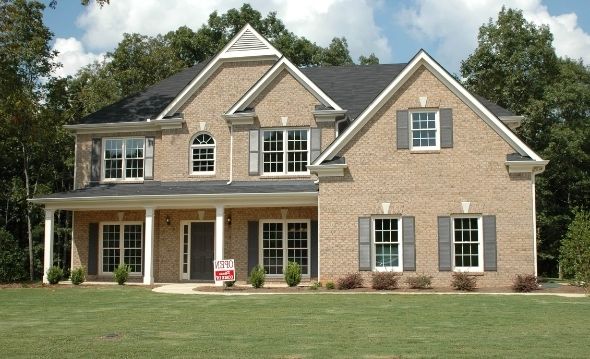
Replacing the siding on your home is an important investment in its appearance, protection, and long-term condition. Exterior siding does more than improve curb appeal. It helps protect the underlying structure from rain, wind, moisture, temperature changes, and other environmental conditions.
However, siding does not last forever. Over time, materials can crack, warp, fade, loosen, or develop moisture-related damage. When repairs are no longer sufficient, replacing the siding may be the most practical solution.
One of the first questions homeowners ask is: How much does it cost to replace siding on a house?
The answer depends on several factors, including the size of the exterior walls, the siding material, labor, removal of existing materials, accessibility, and whether the underlying wall structure needs repairs.
For homeowners in New York City and surrounding communities, labor rates, property access, building requirements, and material selection can all influence the final project cost.
In this guide, RH Renovation explains the average cost to replace house siding, compares popular siding materials, discusses additional installation expenses, and provides practical advice for planning your exterior renovation.
How Much Does It Cost to Replace Siding on a House?
The cost of replacing siding depends on the size of the area being covered and the type of materials selected.
According to Angi’s 2026 New York City siding replacement estimates, homeowners pay an average of approximately $14,519, with a reported typical range of $8,114 to $21,116.
However, individual projects can cost less or considerably more depending on the material, property size, and installation requirements. Premium materials, complex architectural features, and extensive structural repairs can increase the total investment.
For planning purposes, it is also useful to compare estimated installed costs per square foot:
| Siding material | Indicative installed cost per sq. ft. |
|---|---|
| Vinyl | $3–$11 |
| Wood | $6–$17 |
| Engineered wood | $7–$19 |
| Fiber cement | $6–$16 |
These are broad New York market planning ranges, not RH Renovation’s prices or a guaranteed estimate. Actual quotes depend on product specifications, preparation, labor, and project scope.
Remember that contractors measure siding using the actual exterior wall area, not simply the home’s interior floor space.
Average Cost to Replace Siding by Material
The siding material you choose has a major influence on the overall replacement cost. Different materials offer different appearances, maintenance requirements, installation methods, and weather-resistance characteristics.
Here are some common options to consider.
1. Vinyl Siding
Vinyl siding is a popular choice for residential properties because it offers a relatively affordable installation option and comes in a wide variety of colors, textures, and profiles.
It is manufactured from PVC and is available in traditional horizontal panels, vertical siding, and decorative styles.
Advantages of vinyl siding:
- Generally lower initial cost than many premium siding materials.
- Available in numerous colors and designs.
- Does not require routine painting.
- Relatively lightweight.
- Easy to clean with appropriate maintenance.
Potential disadvantages:
- Can crack or become brittle under certain temperature conditions.
- May warp when exposed to excessive heat.
- Damaged panels may need individual replacement.
- Water can enter behind improperly installed siding.
Vinyl siding is worth considering for homeowners seeking an attractive exterior with relatively straightforward maintenance.
2. Wood Siding
Wood siding offers a natural appearance that works particularly well with traditional, colonial, and other architectural styles.
Common options include cedar, pine, and other suitable wood species. Homeowners can choose from different profiles, including clapboard, shingles, shakes, and board-and-batten designs.
Advantages include:
- Natural texture and appearance.
- Multiple design and finish options.
- Can be painted or stained.
- Individual boards may be repairable.
However, wood requires more maintenance than many synthetic alternatives. Regular inspection, painting or staining, and moisture protection are important.
Without appropriate maintenance, wood siding can experience rot, insect damage, splitting, and deterioration.
3. Fiber Cement Siding
Fiber cement siding is manufactured using cement-based materials reinforced with cellulose fibers and other components.
It is available in different profiles, including horizontal lap siding, vertical panels, and shingle-style products.
Homeowners often consider fiber cement because it combines a substantial appearance with resistance to many common exterior problems.
Potential benefits include:
- Resistance to rot and insect damage.
- Noncombustible material characteristics.
- A range of colors and architectural styles.
- Suitability for different residential designs.
- Durable exterior performance when installed correctly.
Fiber cement is heavier than vinyl and requires appropriate cutting equipment, handling, fastening, and installation techniques.
It may also need repainting depending on the product and finish.
4. Engineered Wood Siding
Engineered wood siding is manufactured using processed wood fibers or strands combined with binders and protective treatments.
Some products are designed to reproduce the appearance of traditional wood while offering additional protection against certain environmental conditions.
Advantages may include:
- Traditional wood-style appearance.
- Different board profiles and textures.
- Lighter handling compared with some heavier exterior materials.
- Factory-applied finishes on selected products.
However, proper installation is essential. Exposed edges, incorrect clearances, and moisture intrusion can contribute to swelling or deterioration.
Always follow the manufacturer’s installation and maintenance requirements.
5. Aluminum and Steel Siding
Metal siding provides another option for homeowners interested in a different exterior appearance.
Aluminum siding is relatively lightweight and does not rust in the same way as steel. Steel siding is generally stronger but requires suitable protective coatings to resist corrosion.
Potential benefits include:
- Low routine maintenance.
- Resistance to insect damage.
- Multiple colors and profiles.
- Different levels of impact resistance depending on the product.
However, metal siding can dent, scratch, or experience finish deterioration.
The best option depends on the property’s design, exposure, and maintenance expectations.
6. Brick and Stone Veneer
Brick and stone veneer can create a premium exterior appearance and add distinctive architectural character.
These materials are generally more expensive and require installation methods that differ from conventional panel siding.
Important considerations include wall preparation, weight, moisture management, flashing, drainage, and structural suitability.
They are best evaluated as part of a properly designed exterior wall system rather than treated as direct replacements for lightweight siding.
What Factors Affect the Cost of Siding Replacement?
Two homes with similar interior square footage can have very different siding replacement costs.
This is because contractors price the actual exterior wall area and account for the complexity of the installation.
Here are the main factors that influence your estimate.
1. Exterior Wall Area
The total area covered by siding is one of the most important cost factors.
A larger exterior surface requires more materials, accessories, and installation labor.
The measurement should account for:
- Front, rear, and side exterior walls.
- Additional stories.
- Gable ends.
- Dormers and extensions.
- Attached structures.
- Openings such as windows and doors.
Contractors may deduct larger openings while accounting for cutting waste and additional materials needed around architectural features.
Do not assume that a 2,000-square-foot house requires 2,000 square feet of siding. Interior floor area and exterior wall area are different measurements.
2. Removal of Existing Siding
Replacing siding often requires removing the existing material before installing the new exterior system.
The removal process can involve additional labor, equipment, and disposal expenses.
The cost may increase if the existing siding is:
- Heavy or difficult to remove.
- Installed in multiple layers.
- Damaged or deteriorated.
- Attached to an uneven wall surface.
- Located in areas with restricted access.
Older properties may also contain materials that require specialist assessment before disturbance. If asbestos-containing siding is suspected, do not remove or cut it yourself. Have it assessed by appropriately qualified professionals and follow applicable regulations.
3. Wall Sheathing and Moisture Damage
One of the most important considerations during siding replacement is the condition of the wall beneath the existing material.
If moisture has entered behind the siding, the underlying sheathing, framing, or insulation may have deteriorated.
Possible problems include:
- Rotting wood sheathing.
- Water-damaged framing.
- Mold or moisture-related deterioration.
- Damaged house wrap.
- Missing or defective flashing.
- Poor drainage details.
These issues may not be fully visible until the old siding is removed.
If additional repairs are needed, they can increase the project cost. A responsible contractor should explain any newly discovered damage and obtain approval for additional work before proceeding.
4. Labor and Installation Complexity
Labor costs depend on the material, installation method, property design, and accessibility.
A straightforward single-story home is generally easier to work on than a multistory property with multiple extensions and decorative exterior features.
Installation may require additional planning around:
- Windows and doors.
- Outside corners.
- Roof-to-wall intersections.
- Porches and extensions.
- Chimneys.
- Soffits and fascia.
- Uneven wall surfaces.
Heavier materials and products requiring specialized installation techniques may also increase labor requirements.
5. House Wrap and Moisture Protection
House wrap and other weather-resistive barriers are important components of many exterior wall systems.
They help manage water that gets behind the siding and support the wall assembly’s moisture-control strategy.
Depending on the property’s existing condition, siding replacement may involve installing or repairing:
- Weather-resistive barriers.
- Flashing around windows and doors.
- Sealed wall penetrations.
- Drainage details.
- Appropriate trim and transition components.
These details are especially important because siding itself should not be treated as the only layer responsible for keeping water out of the building.
6. Trim, Soffits, Fascia, and Accessories
A siding replacement project may also require work on surrounding exterior components.
For example, damaged corner boards, window trim, soffits, fascia, and exterior transitions may need attention.
These items can influence the total cost, particularly when homeowners choose to upgrade the entire exterior rather than replace only the wall panels.
A detailed estimate should identify whether these components are included or priced separately.
7. Permits and Local Requirements
Permit requirements vary depending on the municipality, property type, and extent of the proposed renovation.
Some siding replacements may be treated differently from projects involving structural modifications, changes to exterior openings, or properties in designated historic districts.
Before starting work in New York City or Westchester County, homeowners should confirm the applicable requirements with the relevant building department.
Does Replacing Siding Improve Energy Efficiency?
Replacing old siding can create an opportunity to improve your home’s exterior wall performance, but new siding alone does not automatically make a property energy efficient.
The result depends on the existing wall assembly and whether insulation, air sealing, and moisture management are addressed as part of the renovation.
For example, insulated vinyl siding incorporates an insulation layer attached to the siding panels. Other exterior renovation systems may involve additional insulation installed behind the cladding.
Potential benefits of a properly designed improvement include:
- Reduced unwanted heat transfer.
- Better control of air leakage when combined with appropriate air sealing.
- Improved exterior wall performance.
- Reduced drafts in certain areas.
- Better moisture management when the complete wall system is correctly designed.
If energy efficiency is a priority, ask your contractor to evaluate the existing insulation, air leakage, and wall construction rather than relying on siding material alone.
When Should You Repair or Replace House Siding?
Not every siding problem requires a complete exterior replacement.
If damage is limited to a small section and the surrounding material is in good condition, a localized repair may be sufficient.
Siding repair may be appropriate when:
- Only a few panels or boards are damaged.
- The surrounding siding remains secure.
- There are no signs of widespread moisture intrusion.
- Replacement materials can be matched reasonably well.
- The underlying wall remains in good condition.
Full or partial siding replacement may be appropriate when:
- Damage is widespread across multiple elevations.
- Panels are repeatedly cracking, warping, or separating.
- Wood siding has extensive rot.
- Moisture has affected the wall sheathing.
- The existing material is approaching the end of its useful service life.
- Repeated repairs are no longer practical.
An inspection can help determine whether the problem is limited to the visible siding or involves the underlying wall assembly.
How to Reduce Your Siding Replacement Costs
Replacing siding is a substantial home improvement project, but careful planning can help control unnecessary expenses.
Consider these practical steps:
- Compare suitable materials: Evaluate initial cost, maintenance, appearance, and expected performance rather than choosing solely by price.
- Obtain multiple written estimates: Compare the same project scope and material specifications.
- Address moisture problems: Identify leaks and damaged wall components before installing new siding.
- Plan related exterior work: If gutters, soffits, fascia, or trim also need attention, discuss the scope together.
- Understand removal costs: Confirm whether demolition and disposal are included.
- Choose appropriate installation methods: Follow the siding manufacturer’s instructions to avoid preventable installation problems.
- Review warranties: Understand product coverage, finish protection, installation requirements, and exclusions.
A good siding replacement should balance upfront investment, maintenance requirements, and the long-term condition of your home’s exterior.
What Is Included in a Professional Siding Replacement Project?
A complete siding project involves more than attaching new panels to exterior walls.
At RH Renovation, the project should begin with an assessment of the existing exterior and the homeowner’s requirements.
A typical replacement process involves:
1. Property Inspection
The existing siding, wall condition, trim, and visible moisture-related problems are evaluated.
2. Material Selection and Estimate
Suitable materials and finishes are discussed, and the proposed work is outlined in a written estimate.
3. Existing Siding Removal
Where required, old siding is removed and the underlying surface is prepared for inspection.
4. Wall Preparation
Damaged sections are identified, and necessary repairs, weather barriers, flashing, and other preparation work are addressed according to the agreed scope.
5. New Siding Installation
The selected material is installed according to manufacturer specifications and applicable building requirements.
6. Final Inspection and Cleanup
The completed work is checked, the work area is cleaned, and relevant product and project documentation is provided.
The exact process depends on the siding system, property condition, and scope of work.
Why Choose RH Renovation for Your Siding Project?
Choosing a siding contractor is an important decision because installation quality affects the appearance, weather protection, and performance of your home’s exterior.
RH Renovation provides exterior renovation services for homeowners throughout the Bronx, Westchester, Queens, and Brooklyn.
Our services include siding, roofing, gutters, chimney repairs, and skylight installation and repair.
Homeowners can benefit from:
- Licensed and insured services.
- Complimentary in-home estimates.
- Written project proposals.
- Residential exterior renovation solutions.
- Assessment of existing siding and visible exterior damage.
- Related exterior services for different property requirements.
We focus on understanding the condition of your property and explaining the work needed before the project begins.
Whether you are considering vinyl siding, fiber cement, engineered wood, or another exterior material, a professional assessment can help you compare suitable options.
Frequently Asked Questions About Siding Replacement Costs
1. What is the average cost to replace siding on a house?
The cost depends on exterior wall area, siding material, labor, old siding removal, and additional repairs. A 2026 Angi estimate places the average New York City siding replacement project at approximately $14,519, although individual projects vary considerably.
2. How much does it cost to replace vinyl siding?
Vinyl siding installation costs vary based on product quality, wall dimensions, labor, and preparation. In New York, broad installed planning estimates range from approximately $3 to $11 per square foot. A property-specific estimate is necessary for accurate budgeting.
3. What is the cheapest siding material for a house?
Vinyl is generally one of the more economical commonly used siding materials. However, the total cost also depends on removal, installation, trim, moisture protection, and maintenance requirements.
4. Is fiber cement siding more expensive than vinyl?
Fiber cement typically requires a higher initial investment than basic vinyl siding. It is heavier and requires different installation methods, but it offers different durability and appearance characteristics. Compare complete installed estimates rather than material prices alone.
5. How long does siding replacement take?
The timeline depends on the home’s size, number of stories, material, weather, accessibility, and preparation requirements. A straightforward project may take several working days, while larger or more complicated renovations can take longer.
6. Does new siding need house wrap?
Many siding systems require an appropriate weather-resistive barrier as part of the wall assembly. The specific requirements depend on the product, existing construction, local building codes, and installation instructions.
7. Can new siding be installed over old siding?
Some siding systems may permit installation over existing materials under specific conditions. However, the existing surface must be suitable, and applicable building requirements must be followed. Removing old siding may be preferable when hidden damage, moisture intrusion, or uneven surfaces need to be addressed.
8. Is replacing siding worth the investment?
Replacing deteriorated siding can improve exterior appearance, address moisture-related problems, and provide an opportunity to upgrade the wall assembly. Whether it is worthwhile depends on the property’s condition, selected material, project budget, and long-term plans.
Request a Siding Replacement Estimate From RH Renovation
New siding can make a significant difference to your home’s exterior appearance and protection. However, choosing the right material and installation approach requires more than comparing prices per square foot.
The condition of your exterior walls, the quality of the preparation work, and the details of the installation all influence the finished result.
If your siding is cracked, deteriorating, loose, or showing signs of moisture damage, RH Renovation can help assess your property’s exterior and discuss suitable replacement options.
We provide complimentary estimates for homeowners throughout the Bronx, Westchester, Queens, and Brooklyn.
Call RH Renovation at (646) 818-4305 or request a complimentary siding estimate to discuss your exterior renovation project.
If you want a free consultation for your house siding, contact us at RH Renovation and our experts will be happy to assist you for your entire request.