Average Cost to Replace Roof Shingles in NYC (2026)
Replacing roof shingles is a significant home improvement project, and the total cost depends on more than the price of the shingles themselves. Roof size, material quality, labor, roof pitch, tear-off requirements, decking condition, flashing, and access to the property can all affect the final estimate.
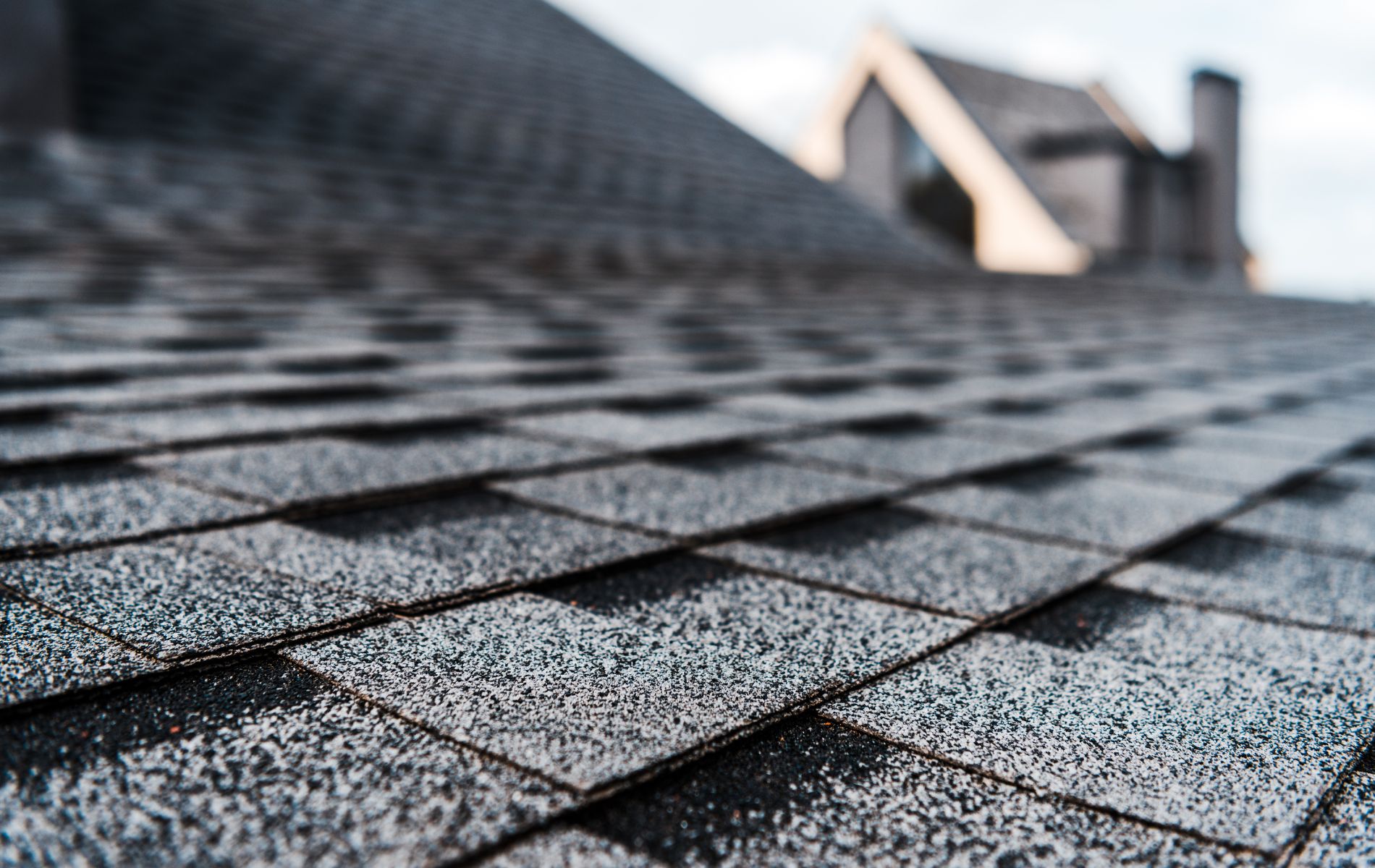
For homeowners in New York City, the cost can also be influenced by local labor rates, building requirements, and the practical challenges of working on row houses, brownstones, and multi-story properties.
This guide explains the average cost to replace roof shingles in NYC, the differences between shingle materials, what a replacement estimate should include, and how to determine whether your roof needs repairs or a complete replacement.
How Much Does It Cost to Replace Roof Shingles in NYC?
According to Angi’s 2026 New York City cost data, homeowners pay an average of approximately $11,823 for a shingle roof replacement, with reported project costs ranging from $8,445 to $27,024. These figures are third-party market estimates, not a quote from RH Renovation NYC. Your actual cost will depend on the roof’s measurements, materials, condition, and installation requirements.
Angi also reports a typical NYC shingle-roof material and installation estimate of approximately $3–$7 per square foot for shingle roofing, depending on the project and material. Estimates should be compared carefully because some prices include removal and installation while others describe material costs only. Source: Angi’s NYC shingle roof cost guide.
Estimated Shingle Roof Replacement Costs
| Project consideration | What affects the price |
|---|---|
| Roof area | Larger roofs require more shingles, underlayment, and labor |
| Shingle type | Basic 3-tab, architectural, and premium shingles have different material costs |
| Existing roof removal | Tear-off, disposal, and additional roofing layers can increase the total |
| Roof decking | Rotten or damaged plywood may need replacement |
| Roof pitch and access | Steep roofs and difficult access require additional labor and safety measures |
| Flashing and ventilation | Damaged flashing, vents, and other roof components may need attention |
A contractor should inspect the roof and provide an itemized estimate before you rely on a per-square-foot figure. A low initial price may not include tear-off, disposal, decking repairs, flashing, or other necessary work.
Average Cost to Replace Roof Shingles by Roof Size
Roof size is one of the main factors that determines replacement cost. However, the square footage of your home’s interior or footprint is not necessarily the same as the actual roof area. Roof pitch, overhangs, dormers, and roof design affect the measurements.
The following examples are illustrative planning ranges, not fixed NYC prices or contractor quotes. They use a broad $4–$11 per-square-foot roof replacement benchmark reported for NYC by Angi. This benchmark covers roof replacement generally, not a guaranteed price for every shingle project. Source: Angi NYC roof replacement cost guide.
| Estimated roof area | Illustrative project range |
|---|---|
| 1,000 sq. ft. | $4,000–$11,000 |
| 1,500 sq. ft. | $6,000–$16,500 |
| 2,000 sq. ft. | $8,000–$22,000 |
| 2,500 sq. ft. | $10,000–$27,500 |
These examples are useful for early budgeting only. A measured estimate is necessary because a steep or complex roof may require more material and labor than a simple roof with the same projected area.
Roof Shingle Material Costs
The type of shingle you choose affects the upfront project cost, appearance, maintenance requirements, and expected service life. Asphalt shingles are widely used on residential properties because they are available in different styles and price levels.
1. Three-Tab Asphalt Shingles
Three-tab shingles are a basic asphalt roofing option. They have a relatively flat, uniform appearance and are generally less expensive than architectural or premium shingles.
They may be suitable for homeowners looking for a straightforward roofing material, provided the product is appropriate for the roof and local conditions. However, compare the manufacturer’s specifications, wind rating, warranty terms, and expected service life before choosing them.
2. Architectural Asphalt Shingles
Architectural shingles, also called dimensional or laminated shingles, have a thicker, layered appearance than traditional three-tab shingles.
Homeowners often choose them for their dimensional look and broader product selection. Depending on the manufacturer and product line, they may also offer different wind-resistance ratings and warranty options.
3. Luxury Asphalt Shingles
Luxury shingles are designed to create a more distinctive appearance, sometimes resembling slate or other premium roofing materials.
They generally cost more than standard asphalt shingles. Their added weight and installation requirements should be evaluated before selecting them for an existing roof.
4. Other Shingle Materials
Some homes use wood, composite, metal, or slate-style roofing products. These materials have different installation requirements and cost structures. They should not be compared directly with standard asphalt shingles without considering the complete roofing system.
What Is Included in a Roof Shingle Replacement?
A complete shingle replacement involves more than placing new shingles over the existing roof. The contractor should assess the underlying roof structure and the components that help protect the home from water intrusion.
Depending on the property’s condition and the agreed scope, a replacement project may include:
- Roof inspection and measurements: Checking the existing roof, measuring the roof area, and identifying visible damage.
- Old shingle removal: Removing existing shingles when a tear-off is required.
- Debris disposal: Collecting and disposing of removed roofing materials.
- Decking inspection: Checking the roof sheathing for rot, deterioration, or other damage.
- Underlayment installation: Installing an appropriate protective layer beneath the shingles.
- Ice and water protection: Adding protection in areas where required by the roof design, applicable code, and product specifications.
- Flashing work: Inspecting or replacing flashing around chimneys, walls, valleys, and roof penetrations as needed.
- New shingle installation: Installing the selected shingles according to the manufacturer’s instructions.
- Ventilation assessment: Checking that the roof ventilation system is appropriate for the home.
- Final cleanup: Removing project debris and checking the completed work.
Not every project requires every item. Your written estimate should clearly identify what is included, what is excluded, and how unexpected repairs will be priced.
7 Factors That Affect the Cost of Replacing Roof Shingles
Two homes with similar roof areas can receive very different estimates. The following factors help explain why.
1. Roof Size and Design
A larger roof requires more shingles, underlayment, fasteners, and installation time. Roofs with multiple slopes, dormers, valleys, and architectural features can also require additional cutting and detailing.
2. Roof Pitch
A steep roof is more difficult to access and work on safely than a low-slope roof. Contractors may need additional safety equipment, setup time, and labor, which can increase the project cost.
3. Existing Roofing Layers
If the existing roof has multiple layers of shingles, removal can take more time and generate additional disposal costs. Whether an overlay is permitted or appropriate depends on the existing roof, applicable building requirements, and the manufacturer’s installation instructions.
4. Roof Decking Condition
Shingles should be installed over a suitable roof deck. If the underlying plywood or sheathing is damaged by moisture, rot, or deterioration, repairs or replacement may be necessary.
The extent of the damage may not be clear until the old roofing material has been removed. Ask your contractor how concealed damage will be documented and approved before additional work begins.
5. Shingle Quality and Manufacturer
Different shingle products have different prices, appearances, specifications, and warranty conditions. Compare the exact product name and model rather than relying only on general descriptions such as standard, premium, or architectural.
6. Flashing, Ventilation, and Roof Details
Roof replacement may reveal deteriorated flashing, damaged vents, or other issues around chimneys, skylights, valleys, and roof edges. These components need to be evaluated because installing new shingles does not automatically correct problems with the surrounding roof system.
7. Property Access and Local Requirements
NYC properties can present access and logistics challenges. Narrow streets, attached buildings, limited staging areas, scaffolding needs, material delivery, and applicable permit requirements may affect scheduling and project costs.
Ask the contractor to explain which access arrangements and regulatory requirements apply to your particular property.
Roof Shingle Replacement: Additional Costs to Consider
The initial roofing estimate may change if the inspection identifies work outside the basic shingle installation.
| Additional work | Why it may be needed |
|---|---|
| Old roof tear-off | Removing existing shingles and roofing layers |
| Roof decking repair | Replacing damaged or deteriorated sheathing |
| Flashing replacement | Addressing worn or improperly functioning flashing |
| Underlayment upgrades | Providing the required protective layer beneath the shingles |
| Ventilation improvements | Correcting an inadequate or unsuitable ventilation arrangement |
| Gutter or edge details | Addressing related components that affect roof drainage |
| Access and safety setup | Providing appropriate equipment and safe access for the property |
These items should be listed separately in the proposal whenever possible. This makes it easier to understand the base replacement price and any additional work that may be required.
Is It Cheaper to Repair or Replace Roof Shingles?
The right choice depends on the roof’s age, condition, and the extent of the damage.
Roof shingle repair may be appropriate when:
- Damage is limited to a small, identifiable area.
- A few shingles are missing, cracked, or damaged.
- The surrounding shingles are still in serviceable condition.
- The roof deck is sound.
- There are no widespread signs of deterioration.
Full roof replacement may be worth considering when:
- Shingles are deteriorating across large sections of the roof.
- There are recurring leaks in multiple locations.
- Shingles are extensively curling, cracking, or losing protective granules.
- The roof has reached the end of its expected service life.
- Previous repairs have not resolved recurring problems.
- An inspection identifies widespread damage beneath the shingles.
A roof should not be replaced solely because of one isolated leak. The source of the water intrusion should be identified first. Sometimes the problem is related to flashing, a roof penetration, or another localized detail that can be repaired without replacing the entire roof.
For a more detailed assessment, see our roofing services.
Signs Your Roof Shingles May Need Replacement
Shingle damage can develop gradually, so it is useful to check the roof periodically and arrange an inspection when you notice warning signs.
Missing or Loose Shingles
Strong winds and severe weather can loosen or remove shingles. Exposed areas may leave the roof more vulnerable to water intrusion.
Curling or Cracked Shingles
Shingles that curl at the edges or develop cracks may no longer provide reliable protection. Widespread deterioration can indicate that the roof needs replacement.
Excessive Granule Loss
Asphalt shingles have a protective granular surface. A small amount of granule loss can occur over time, but substantial loss, especially when accompanied by other damage, may indicate deterioration.
Water Stains or Active Leaks
Water stains on ceilings or walls may indicate a roofing problem, although the source should be confirmed. Water can travel along roof components before appearing inside the home.
Sagging or Visible Roof Damage
A sagging roofline or visibly deteriorated roof deck needs prompt professional assessment. Structural concerns should not be treated as a routine shingle replacement issue.
How to Compare Roof Replacement Estimates
Before choosing a roofing contractor, compare the complete scope of work rather than selecting the lowest total price.
A useful estimate should identify:
- The measured roof area and relevant roof sections.
- The shingle manufacturer, product line, and color or style.
- Whether the price includes removal of existing roofing.
- The underlayment and other protective materials.
- How damaged roof decking will be handled and priced.
- Whether flashing, vents, and roof-edge details are included.
- Debris removal and final cleanup arrangements.
- Applicable permits, inspections, and access requirements.
- Workmanship and manufacturer warranty terms.
- Payment schedule, project timeline, and written change-order process.
Ask whether the contractor has appropriate insurance and any licenses or registrations required for the work in your jurisdiction. Verify credentials independently when possible.
Why Choose RH Renovation NYC for Roofing Work?
RH Renovation NYC provides roofing and exterior renovation services for property owners in the Bronx, Queens, Brooklyn, and Westchester County.
The company has operated since 2004 and holds GAF Master Elite® status. When planning a roof replacement, homeowners should receive a clear explanation of the roof’s condition, the proposed materials, and the work required to complete the project.
If your roof has damaged shingles, recurring leaks, or signs of deterioration, RH Renovation NYC can help you explore appropriate roofing solutions.
Contact RH Renovation NYC
- Phone: +1 (646) 818-4305
- Email: info@rhrenovationnyc.com
- Address: 1951 Hone Ave, Bronx, NY 10461
Frequently Asked Questions About Roof Shingle Replacement Costs
1. How much does it cost to replace roof shingles in NYC?
Angi’s 2026 New York City data reports an average shingle roof replacement cost of approximately $11,823, with a reported range of $8,445–$27,024. Actual prices depend on roof size, shingle type, labor, tear-off, decking condition, and project complexity.
2. How much does it cost to replace shingles on a 1,500-square-foot roof?
The cost depends on the actual roof surface area and the scope of work. A 1,500-square-foot roof may require different materials and labor than a roof with the same area but a steeper pitch, multiple valleys, or difficult access. A contractor should measure the roof before providing a reliable estimate.
3. What is the cheapest type of roof shingle?
Three-tab asphalt shingles are generally among the least expensive common residential shingle options. However, compare product specifications, wind ratings, warranty coverage, and expected performance before making a decision based only on price.
4. Are architectural shingles more expensive than three-tab shingles?
Generally, yes. Architectural shingles are laminated and have a dimensional appearance. Their material cost is typically higher than basic three-tab shingles, although the final installed price depends on the product and project requirements.
5. How long does a shingle roof last?
The service life depends on the shingle product, installation quality, ventilation, weather exposure, and maintenance. Different asphalt shingle products have different expected lifespans, so homeowners should check the manufacturer’s product documentation rather than rely on one lifespan figure for every roof.
6. Can I install new shingles over old shingles?
An overlay may be possible in some circumstances, but it is not appropriate for every roof. Existing roof condition, the number of roofing layers, local requirements, and manufacturer instructions all matter. A professional inspection can help determine whether a tear-off is necessary.
7. Does roof replacement include removing old shingles?
Not always. Some estimates include tear-off and disposal, while others list them as separate charges. Confirm this in writing before approving the project.
8. Does damaged roof decking increase replacement costs?
Yes. If the roof sheathing is rotten, weakened, or otherwise damaged, it may need repair or replacement before new shingles can be installed. The additional cost depends on the affected area and the materials and labor required.
9. Can I replace only the damaged shingles?
Sometimes. If the damage is limited and the surrounding roof remains in good condition, a localized repair may be appropriate. Widespread deterioration or recurring leaks may indicate that a larger replacement project is needed.
10. What is the difference between roof repair and roof replacement?
Roof repair addresses a specific problem, such as missing shingles or damaged flashing. Roof replacement removes and replaces a larger portion or the entire roofing system. The correct option depends on the extent of damage and the overall condition of the roof.
11. Is a roofing estimate based on the home’s square footage?
Not directly. Roofing estimates should be based on the actual roof surface area, which can differ from the home’s floor area or footprint because of pitch, overhangs, and roof design.
12. How can I get an accurate roof shingle replacement estimate?
Arrange an inspection and request a written, itemized proposal. It should identify the roof measurements, shingle product, removal and disposal, underlayment, flashing, possible decking repairs, cleanup, and warranty terms.
RH Renovation NYC installs and replaces asphalt shingle roofs across the Bronx and Westchester County, including full tear-off, decking repair, and DOB permit filing where required. See recent Bronx shingle roof installation work or call (646) 818-4305 for a free, written estimate based on your actual roof.