Best Roof Coating for Flat Roof
Flat roofs are a popular choice for many homes and commercial buildings. They offer a sleek, modern look and maximize usable space. However, they require special care to ensure longevity and performance.
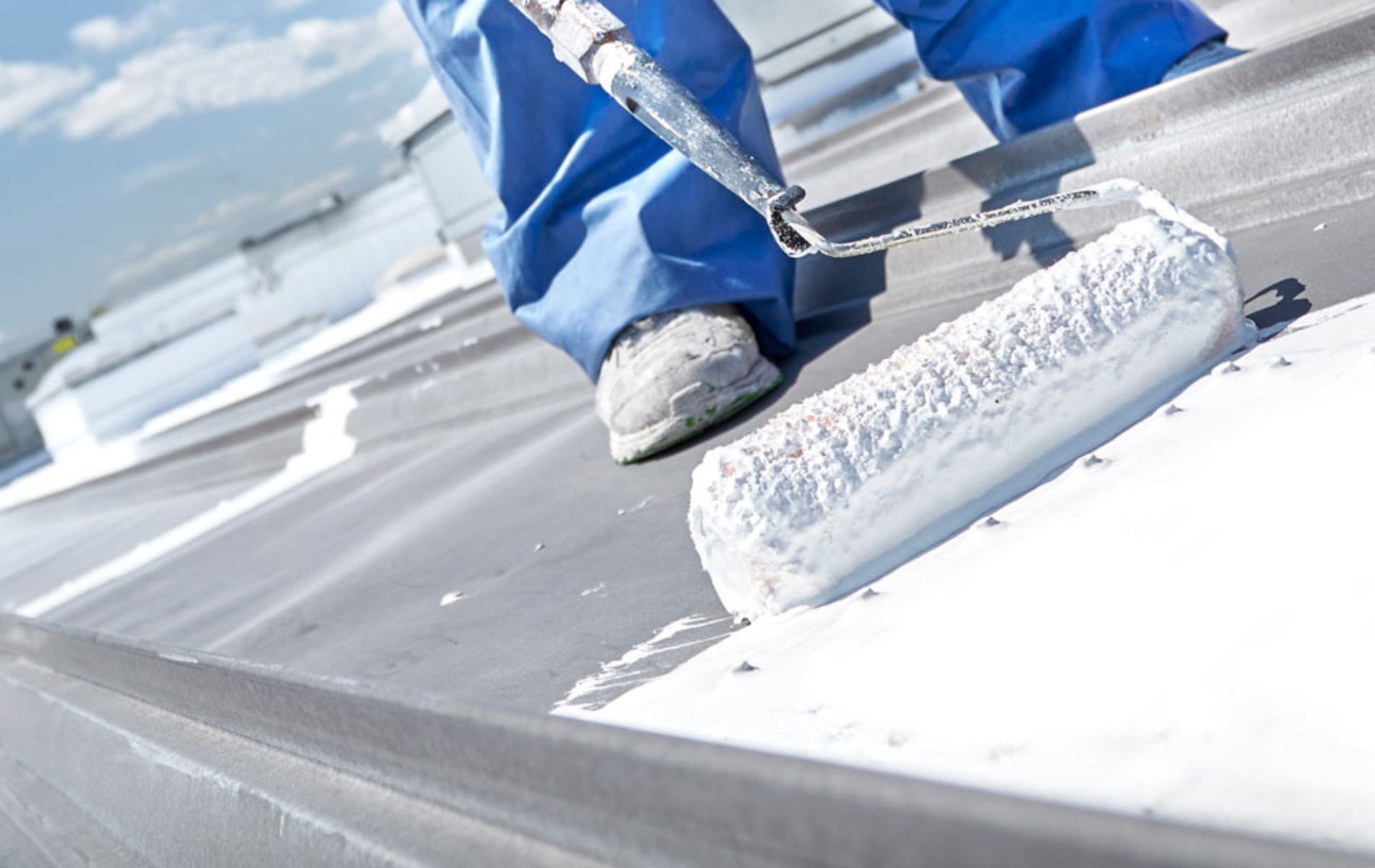
Choosing the best roof coating for a flat roof is crucial. It protects against leaks, weather damage, and UV rays. With many options available, selecting the right one can be challenging.
This guide will explore the top roof coating options for flat roofs. We’ll discuss their benefits, types, and application tips. Whether you’re a homeowner or a property manager, you’ll find valuable insights here.
Understanding the different coatings can help you make informed decisions. Protect your investment and enhance your property’s value with the right roof coating.
Why Flat Roofs Need Specialized Coatings
Flat roofs present unique challenges compared to pitched roofs. Water tends to pool on flat surfaces, increasing the risk of leaks and damage. Proper coatings help manage this by creating a protective barrier.
Specialized coatings enhance the durability of flat roofs. They offer superior waterproofing, which is critical to prevent costly repairs. These coatings also extend the life of your roof.
Environmental factors like UV exposure and temperature shifts can degrade flat roofs. Specialized coatings address these issues effectively. They are designed to withstand harsh conditions and remain flexible.
Benefits of Specialized Flat Roof Coatings:
- Improved water resistance
- Enhanced UV protection
- Increased roof lifespan
- Better energy efficiency
Choosing the right coating can also help reduce energy costs. By reflecting sunlight, coatings decrease heat absorption and keep buildings cooler. This eco-friendly feature is an added advantage for property owners.
Types of Flat Roof Coatings: Pros and Cons
Understanding the different types of flat roof coatings is essential. Each type offers unique benefits and potential drawbacks. Knowing these can help you make an informed choice.
Silicone Coatings
Silicone coatings are favored for their UV resistance and flexibility. They are excellent for areas with extreme sun exposure. Their ability to withstand ponding water also makes them popular.
However, silicone coatings can be expensive. They require a clean surface for effective adhesion. Also, over time, they may attract dirt, affecting their reflective properties.
Elastomeric Coatings
Elastomeric coatings are known for their elasticity. These coatings expand and contract with temperature changes. This ability helps prevent cracking and extends the roof’s lifespan.
Despite their benefits, elastomeric coatings can be susceptible to wear. They may need recoating every few years, depending on environmental conditions. Proper surface preparation is crucial for longevity.
Acrylic Coatings
Acrylic coatings are cost-effective and offer good reflectivity. They are water-based, making them environmentally friendly. Their ease of application makes them a popular DIY option.
A downside of acrylic coatings is their vulnerability to ponding water. They are not ideal for roofs that experience frequent standing water. Additionally, they may not last as long as other options.
Polyurethane Coatings
Polyurethane coatings provide excellent impact resistance. They are ideal for high-traffic roofs or those exposed to heavy debris. Their robust nature offers substantial protection.
However, polyurethane coatings tend to be pricier. They can also emit strong odors during application. Proper ventilation is necessary to avoid inhaling fumes.
Bitumen-based Coatings
Bitumen-based coatings offer strong waterproofing capabilities. They are a traditional choice for many flat roofs. These coatings bond well with asphalt, providing a durable seal.
Their disadvantage lies in their low reflectivity. Bitumen coatings absorb more heat, which can lead to higher cooling costs. They may also require more maintenance over time.

Best Roof Coating Options for Flat Roofs
Choosing the best roof coating for flat roofs involves considering various factors. Each coating type offers distinct benefits suited to specific needs.
A flat roof is a great option for both commercial and residential properties. It allows you to expand the usable floor area of your property and create a wonderful entertainment veranda on the roof which is perfect especially for areas with nice weather.
When it comes to selecting the best roof coating for a flat roof, several factors need to be considered, such as the type of flat roof, climate conditions, budget, and desired performance characteristics. Here are a few popular options:
Acrylic Roof Coatings: Acrylic coatings are commonly used for flat roofs due to their versatility and affordability. They offer excellent UV resistance, reflectivity to reduce heat absorption, and can help extend the lifespan of the roof. Acrylic coatings are typically water-based and easy to apply which makes that a perfect choice for anyone looking to have their property construction completed fast.
Silicone Roof Coatings: Silicone coatings are known for their exceptional durability and resistance to UV rays and weathering. They provide excellent waterproofing properties and can withstand ponding water on the roof surface. In addition, silicone coatings also offer good flexibility, making them suitable for roofs that experience frequent temperature fluctuations.
Polyurethane Roof Coatings: Polyurethane coatings provide a strong protective layer for flat roofs. They offer excellent resistance to chemicals, abrasion, and impact, making them suitable for roofs exposed to heavy foot traffic or potential mechanical damage. Polyurethane coatings also have good waterproofing properties.
Bitumen Roof Coatings: Bitumen-based coatings, such as asphalt or modified bitumen coatings, are commonly used on flat roofs. They provide excellent waterproofing capabilities and protect the roof from UV rays. In addition, bitumen coatings are typically applied in multiple layers and may require professional installation.
It’s important to consult with a roofing professional or coating manufacturer to determine the most suitable option for your specific flat roof. They can assess your roof’s condition, consider local climate factors, and recommend the best coating system that meets your needs and budget. Additionally, proper surface preparation and application techniques are crucial for the effectiveness and longevity of the roof coating, so it’s often recommended to have a professional contractor handle the installation process.
Recommended Applications
When selecting a coating, consider the following applications:
- Silicone: Excellent for sunny climates prone to water pooling.
- Elastomeric: Best for areas with temperature fluctuations.
- Acrylic: Suitable for DIY projects needing cost-effective solutions.
- Polyurethane: Preferred for roofs with high traffic.
- Bitumen-based: Ideal for traditional, waterproof barriers.

How to Choose the Right Coating for Your Flat Roof
Selecting the ideal coating requires understanding your roof’s unique demands. Consider environmental factors like climate and weather patterns. A well-informed choice ensures lasting performance and protection.
Evaluate the condition of your existing roof. If leaks or damages exist, opt for coatings designed for repairs. Specialized options can address minor issues effectively, delaying costly replacements.
Budget also plays a significant role. Some coatings offer cost-effective solutions but may require more frequent reapplication. Balancing initial cost with longevity is key to maximizing value.
When making your decision, factor in the specific features you need:
- UV Protection: Essential in sunny regions.
- Water Resistance: Crucial for areas with heavy rainfall.
- Flexibility: Needed in climates with temperature variations.
- Aesthetic Appeal: Important for residential settings.
Ultimately, the best coating harmonizes with your roof’s requirements and your personal preferences. Consider consulting a professional for tailored advice if unsure. Their expertise can guide you to an optimal solution, ensuring your roof withstands time and elements.
Step-by-Step Guide: Painting and Coating a Flat Roof
Painting a flat roof begins with thorough surface preparation. Remove dirt, debris, and old peeling coatings. A clean surface ensures optimal adhesion and performance.
Inspect your roof for any damage or leaks before starting. If repairs are needed, apply a suitable roof sealant. Ensuring a solid base prevents issues after coating.
Once the surface is ready, choose the best flat roof paint for your project. For most applications, silicone or elastomeric products excel. They’re known for flexibility and durability.
Apply the coating evenly using a brush, roller, or sprayer. Follow the manufacturer’s instructions for the best results. Proper application thickness is crucial for longevity and effectiveness.

Allow ample time for the coating to dry and cure. Weather conditions can impact drying times, so plan accordingly. Ensuring proper curing will enhance the coating’s performance and appearance. Frequent inspection of the coated area post-application can ensure that the coating remains intact and effective.
Maintenance Tips for Long-Lasting Flat Roof Coatings
Regular maintenance is vital for extending the life of your flat roof coating. Start with periodic inspections to detect any signs of wear or damage. Addressing issues early can prevent costly repairs.
Keep your roof clean to maintain its integrity. Remove debris, leaves, and dirt that might accumulate. This will aid in preventing clogs and water damage.
Consider the following maintenance practices:
- Inspect the roof regularly for leaks and cracks.
- Clear gutters and drains to ensure proper water flow.
- Reapply coatings as recommended by the manufacturer.
Timely maintenance can greatly enhance the performance and lifespan of your roof coating. Adhering to these practices ensures your flat roof remains in top condition for years to come.
Frequently Asked Questions About Flat Roof Coatings
What is the typical lifespan of flat roof coatings? The lifespan varies from 5 to 20 years. Factors like the type of coating and climate influence durability.
Can I apply flat roof coatings myself? Yes, some coatings are DIY-friendly. However, larger or complex roofs may require professional installation.
How do I know which coating is best for my roof? Consider your roof’s specific needs, climate, and material. Consulting a roofing expert can provide valuable insights.
Are roof coatings environmentally friendly? Many coatings today are low in volatile organic compounds (VOCs) and made from environmentally safe materials.
Here’s a quick summary of vital points:
- Check coating compatibility with roof material.
- Follow manufacturer guidelines for application.
- Consider expert consultation for optimal results.
Understanding these aspects can help guide you in choosing and maintaining effective flat roof coatings.
Protecting Your Flat Roof for Years to Come
Choosing the right roof coating is crucial for extending your flat roof’s life. With the right material, you can safeguard it against various elements.
Commit to regular inspections and maintenance to keep your roof in excellent condition. An informed choice in coatings ensures both protection and energy efficiency for years ahead. Investing time and resources now will pay off with lasting benefits.
Contact us at RH Renovation NYC to get a cost estimate for free on your new flat roof installation or even on a roof reconstruction or replacement. Our company is fast, reliable and utterly professional and will guide you through the process step by step.