Best Siding for Cold Climates
For New York’s freeze-thaw winters, fiber cement is the most durable siding for most homes. It doesn’t turn brittle in the cold, doesn’t rot, and handles repeated freezing and thawing when it’s installed and sealed correctly. Insulated vinyl is the best low-maintenance option on a tighter budget. Steel is the toughest against impact, and brick or stone veneer lasts longest but costs the most.
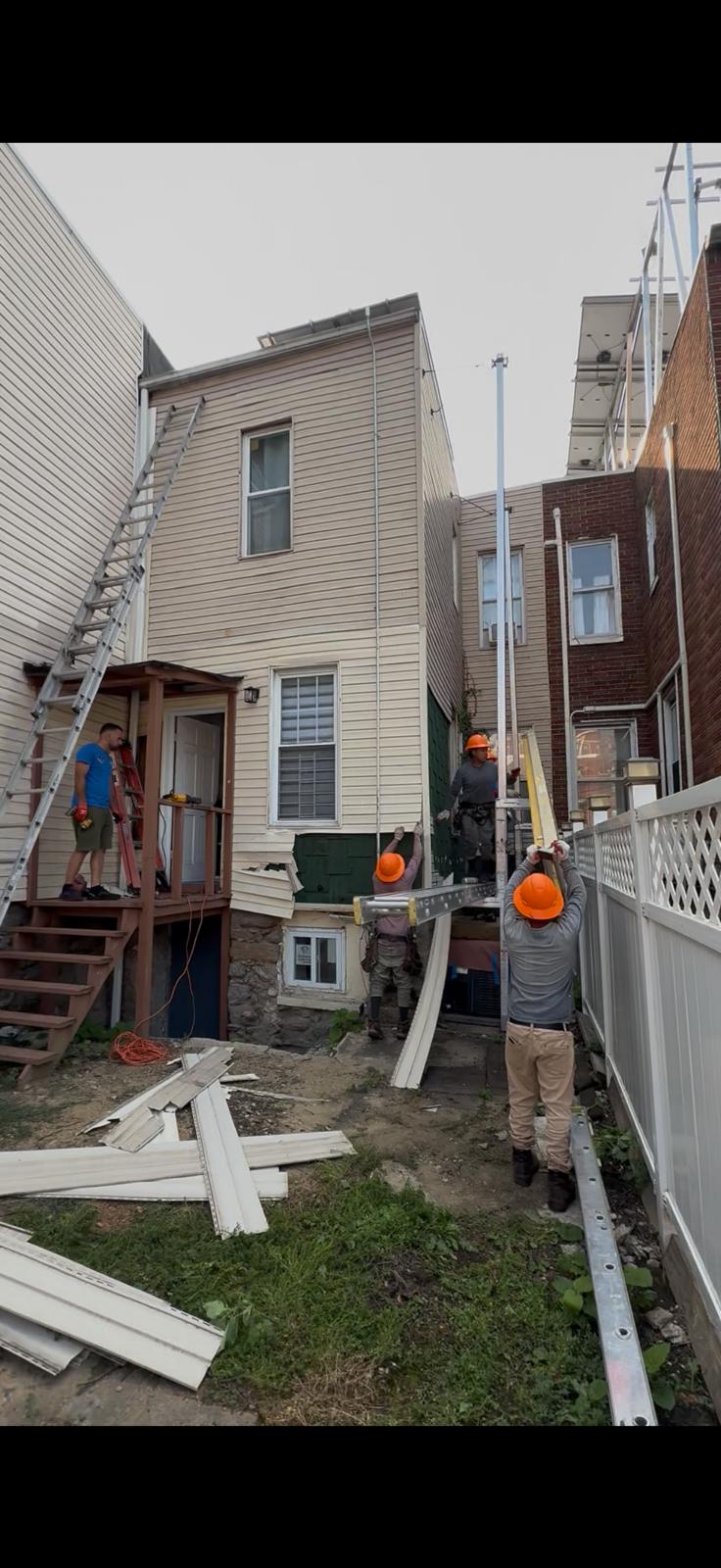
Most “cold climate” guides are written for Minnesota. A Bronx or Westchester winter is different. The real enemy isn’t deep cold. It’s water that gets behind the siding, freezes, expands and thaws again, dozens of times a season. The best siding for cold climates is the one that sheds water, moves predictably with temperature, and is installed over a properly flashed wall. The material is half the decision. The installation is the other half.
Best Siding for Cold Climates at a Glance
| Your priority | Best fit | Why |
| Longest-lasting all-rounder | Fiber cement | Won’t go brittle or rot; tolerates freeze-thaw when edges are sealed and the wall is flashed correctly. |
| Low maintenance, tighter budget | Vinyl (thicker or insulated) | Lowest upfront cost and almost no upkeep, as long as it’s installed with room to move. |
| Impact and storm toughness | Steel | Unaffected by moisture and cold; choose a heavier gauge with a quality factory finish. |
| Wood look, less upkeep | Engineered wood | Installs well in cold weather and handles wet winters when cut edges are sealed. |
| Premium and permanent | Brick or stone veneer | Outlasts the rest, but depends on sound mortar, flashing and drainage. |
| Traditional or historic character | Cedar or wood clapboard | Beautiful and repairable, but the most maintenance-intensive choice. |
What “Cold Climate” Really Means in NYC and Westchester
New York City is Climate Zone 4A under the NYC Energy Conservation Code, and the code’s state climate table lists Westchester in Zone 4 as well. That’s a mixed-humid zone: cold winters, humid summers, plenty of rain and wet snow.
For siding, that means a wide yearly temperature swing, many days hovering around 32°F, and constant moisture. That’s the range where water repeatedly freezes and thaws inside small gaps, joints and cut edges. Near the water, in places like City Island, Throggs Neck and Pelham Bay, salt air also speeds corrosion on metal fasteners and finishes.
What Winter Does to Siding
- Freeze-thaw cycling. Water trapped in a joint, an unsealed edge or the gap behind the cladding expands as it freezes. LP Building Solutions notes that water trapped in materials such as fiber cement or vinyl creates serious pressure once temperatures fall below 32°F. Repeat that from December to March and small leaks become swelling, rot and peeling paint.
- Thermal movement. Vinyl and metal expand and contract with temperature. If fasteners don’t allow it, panels buckle in summer and tear in winter.
- Ice dams and overflowing gutters. Meltwater backed up under roof edges, or spilling over clogged gutters, runs down the wall and soaks the siding below. Stains where the roof meets the wall are usually the first sign.
- Snow and splash-back. Snow piled against lower courses keeps them wet for weeks. Siding needs the clearance above grade, roofs and decks that the manufacturer specifies.
- Cold-weather brittleness. Vinyl and some trim pieces crack more easily when nailed or cut in freezing temperatures.
Siding Materials Compared for Freezing Temperatures
| Material | Cold-weather performance | Main watch-out | Upkeep | Typical lifespan* | Relative cost |
| Fiber cement | Stable; no brittleness; freeze-thaw tested as a category | Unsealed cut edges; heavy to install | Low to moderate | 30–50+ yrs | $$$ |
| Vinyl | Fine when installed right; more impact-prone when very cold | Tight nailing; no room for movement | Very low | 20–40 yrs | $ |
| Steel / aluminum | Unaffected by moisture; no freeze-thaw damage | Dents (aluminum especially); scratched finish | Low | 30–50 yrs | $$–$$$ |
| Engineered wood | Good; low-moisture product that installs in cold | Edge and bottom-course moisture | Moderate | 25–40 yrs | $$ |
| Natural wood / cedar | Good insulator; handles cold but not wet cycling | Rot, paint failure, insects | High | 20–40+ yrs | $$–$$$$ |
| Brick / stone veneer | Excellent when sound; spalls when water gets in | Mortar, flashing, weep paths | Low | 50–100 yrs | $$$$ |
*Commonly cited ranges. Real lifespan depends on installation quality, exposure and upkeep.
Fiber Cement Siding in Cold Climates
Fiber cement is the safest overall choice for freezing temperatures. It’s made from cement, sand and cellulose fibers, so it isn’t plastic and doesn’t go brittle in the cold. It doesn’t rot or feed insects. The industry test standard for the product, ASTM C1185, includes a freeze/thaw test for cladding.
The weak point is the edge. Every field cut exposes raw fiber cement, and water that gets in behind an unsealed or unpainted edge is how freeze-thaw damage starts. Follow the manufacturer’s rules for sealing cuts and keeping the bottom edge clear of roofs and grade. It’s also heavy, so installation takes more labor, and it costs more than vinyl. For a home you plan to keep 15 years or more, that premium usually pays back.
Vinyl Siding in Cold Weather
Does vinyl siding crack in extreme cold? It can, but usually because of how it was installed, not because vinyl can’t handle New York winters. Vinyl gets stiffer as temperatures drop, so impacts from ladders, ice or hail are more likely to crack it. The bigger issue is movement. A Journal of Light Construction installation guide notes that a 12-foot panel put up on a hot day can shrink about half an inch when temperatures fall to 10°F, and its author attributes over 80% of the vinyl complaints he investigates to expansion and contraction problems.
That’s why detailing matters. Nails should sit centered in the slot with about 1/32 inch of clearance under the head, and gaps at corners and trim should be slightly larger in cold weather. Thicker panels and insulated vinyl (foam-backed) are stiffer and resist impact better, which suits Bronx and Queens frame homes where budget and low upkeep come first.
Metal Siding: Steel and Aluminum
Steel is the most impact-resistant option for harsh winters. Metal absorbs no water, so freeze-thaw isn’t a material problem, and it doesn’t go brittle. The risks are cosmetic and corrosive: aluminum dents more easily, and a scratch through the factory finish on steel can rust, which matters near salt air. If you’re comparing metal against vinyl, metal wins on toughness and vinyl wins on price and ease of repair. Many older NYC homes still wear aluminum siding, which is worth testing before removal (see the NYC rules section below).
Engineered Wood and Natural Wood Siding
Engineered wood gives you the look of wood with better moisture performance. It’s made from treated wood strands and resins, and manufacturers such as LP say their product can be installed in low temperatures without cracking, with a 3/16-inch gap left at butt joints and where siding meets trim. Cut edges and the bottom course still need sealing, and warranty terms usually require it.
Cedar and other natural wood are traditional, repairable and beautiful, and they’re often the right match on historic homes. But wet winters are hard on them. Expect regular refinishing, and watch end grain and bottom edges for rot.
Brick and Stone Veneer
Brick and stone are the longest-lived exteriors, but they aren’t immune to freezing. Water that enters through failed mortar joints, flashing or a leaking chimney freezes inside the masonry and spalls the face. Manufactured stone veneer needs a correct water barrier and flashing behind it. Most homeowners use it as an accent or lower-wall detail. If your masonry shows cracked joints near the chimney, that’s a chimney and masonry issue to address before it spreads.
How to Choose: Four Questions That Narrow It Down
- How long will you own the building? Fiber cement, steel and masonry cost more upfront but have the lowest cost per year over 20 or more years. Vinyl suits shorter horizons or tight budgets.
- Who will maintain it? Property managers and commercial owners often favor low-upkeep materials that don’t need repainting on a schedule. Wood and field-painted fiber cement need a repaint plan.
- What’s the exposure? Coastal air, north walls that stay damp, heavy tree cover and lots of drifting snow all push you toward materials that tolerate moisture and impact.
- Is the building regulated? Landmark districts, co-ops and condos may limit materials and require approvals before you pick a color.
Best siding for heavy snowfall: fiber cement, steel or masonry, because they tolerate prolonged wetness and impact. Best low-maintenance siding for snowy climates: insulated vinyl or prefinished fiber cement, depending on budget.
Insulated Siding and Energy Efficiency: What It Can and Can’t Do
Siding doesn’t insulate a house. The wall assembly does. Foam-backed vinyl adds a modest amount of thermal resistance and reduces cold spots, but it won’t replace wall insulation or air sealing. A bigger gain comes from continuous exterior insulation under any cladding, which cuts heat loss through the studs. A re-siding job is the cheapest moment to add it, since the wall is already open.
Because NYC projects use Climate Zone 4A requirements, ask your contractor or design professional whether the scope triggers insulation requirements. Compare spec sheets for real R-values.
The Wall Behind the Siding Decides How Long It Lasts
Siding is a rain screen, not a waterproof seal. Water will get behind it, and the wall has to handle that. A complete exterior job typically includes:
- A continuous water-resistive barrier, lapped correctly
- Flashing at windows, doors and trim, plus kick-out flashing where a roof edge meets a wall
- Soffits, fascia and seamless gutters with downspouts that discharge away from the wall
- Aluminum trim wrapped at window casings, with sealed joints
Common mistakes that shorten siding life:
- Siding over wet or rotted sheathing instead of repairing it first
- Nailing vinyl tight, or caulking its laps so it can’t move
- Leaving fiber cement or engineered wood cuts unsealed
- Skipping kick-out flashing at roof-to-wall joints
- Replacing siding but leaving the clogged or undersized gutters that soaked it
How Much Does Cold-Climate Siding Cost?
Material choice sets the baseline, but NYC labor, access and what’s hiding under the old siding move the final number. These are commonly quoted national installed ranges, before NYC labor premiums:
| Material | Typical installed cost per sq ft | What changes the price |
| Vinyl | About $4–$9 | Panel thickness, insulated backing, trim detail |
| Fiber cement | About $8–$15 | Prefinished vs. field-painted, trim, overall complexity |
| Steel / aluminum | About $7–$16 | Gauge, finish quality, profile |
| Wood / engineered wood | About $7–$14 | Species or grade, finish, maintenance coating |
| Brick / stone veneer | Highest | Structure, mortar work, access, masonry labor |
Costs that surprise homeowners: removing the old siding, repairing rot found underneath, asbestos testing on older homes, scaffolding on tall or tight lots, new trim and flashing, and permits. Cost to replace siding before winter is rarely lower in fall, but scheduling before heavy weather avoids paying for emergency weatherproofing later. Compare itemized quotes, since the gap between bids usually comes from prep work.
NYC Rules to Check Before You Replace Siding
- Asbestos. Older homes may have asbestos-containing siding, such as cement shingles. NYC DOB’s project guidelines for 1- and 2-family buildings call for an asbestos investigation where such material will be removed or disturbed.
- Permits and licensing. Requirements depend on scope and building type. Confirm filing needs with the DOB before work starts, and hire a licensed, insured contractor.
- Landmarks. Homes in designated historic districts, including parts of Riverdale and Fieldston, may need Landmarks Preservation Commission approval for exterior changes.
- Co-ops, condos and larger buildings. Board approval often comes first, and taller buildings fall under NYC’s facade inspection program, a separate process from re-siding a house.
Repair, Replace and Timing
Spot repairs make sense for isolated damage on otherwise sound siding. Plan on replacement when you see:
- Warped, buckled or cracked panels across multiple walls
- Soft or spongy spots, or paint peeling repeatedly in the same place
- Water stains or mold on interior walls below windows or the roofline
- Gaps at joints, loose panels, or siding that rattles in wind
- Heating bills that climb while the exterior looks tired
When to install: spring through fall is ideal for most materials. Vinyl in particular is easier to crack when installed in freezing weather, and cold slows sealants and paint. Emergency storm repairs shouldn’t wait for spring.
When to Call a Siding Contractor
Call a professional if water is reaching the interior, damage runs across more than one wall, or you’re unsure what’s behind the siding. A good inspection looks past the surface: the sheathing, flashing at windows and roof edges, gutter performance and any sign of moisture.
RH Renovation LLC is a licensed exterior contractor serving the Bronx, Westchester, Queens and Brooklyn (NYC DCWP License #2118142; Westchester License #WC-35985-H22), and is a GAF Master Elite® roofing contractor. For siding, we often bundle replacement with seamless gutters, soffits, flashing and waterproofing so one team handles the whole envelope, and we coordinate with your roof where the roofline meets the wall. See our siding repair and replacement services or request a free estimate, or call (646) 818-4305.
Frequently Asked Questions
What is the most durable siding for cold climates?
Fiber cement is the most durable option for most homes, because it doesn’t become brittle, rot or absorb moisture the way wood and some composites can. Steel and masonry are also very durable. The best choice depends on budget, exposure and who maintains the building.
What type of siding holds up best in freezing temperatures?
Fiber cement, steel and well-built masonry hold up best. Vinyl performs well if it’s installed with room for movement. In every case, flashing and a sound wall behind the siding matter as much as the material.
Does vinyl siding crack in extreme cold?
It can. Cold makes vinyl stiffer, so impacts crack it more easily, and panels nailed too tightly can tear as they contract. Proper nailing, correct gaps and thicker or insulated panels reduce the risk.
Is fiber cement siding good for cold climates?
Yes. It’s stable in freezing temperatures and the product category is tested for freeze/thaw. Seal cut edges and keep joints caulked and painted so water doesn’t get behind it.
Is metal siding better than vinyl in cold climates?
For toughness, yes. Metal resists impact and moisture better, while vinyl costs less and is easier to repair. Near the coast, check the finish quality, since scratches on steel can rust.
Which siding material handles freeze-thaw cycles best?
Materials that don’t absorb much water, such as fiber cement, metal and vinyl, handle freeze-thaw best. Wood and masonry can do well too, but only when joints, finishes and flashing keep water out.
Can cold weather damage house siding?
Yes. Freezing water expands inside gaps, edges and joints, vinyl can crack, and ice dams or overflowing gutters soak walls. Most winter damage starts with moisture the siding wasn’t designed to shed.
How do you protect siding from winter weather?
Keep gutters clean so they don’t overflow, clear snow piled against walls, repair cracked caulk and loose panels before freezing weather, and inspect roof-to-wall joints in the fall.