Beyond Looks: Understanding the Functional Advantages of Quality Siding for Your Building
When homeowners think about siding, appearance is often the first consideration. Color, texture, style, and curb appeal all matter—but siding does much more than change the way a building looks.
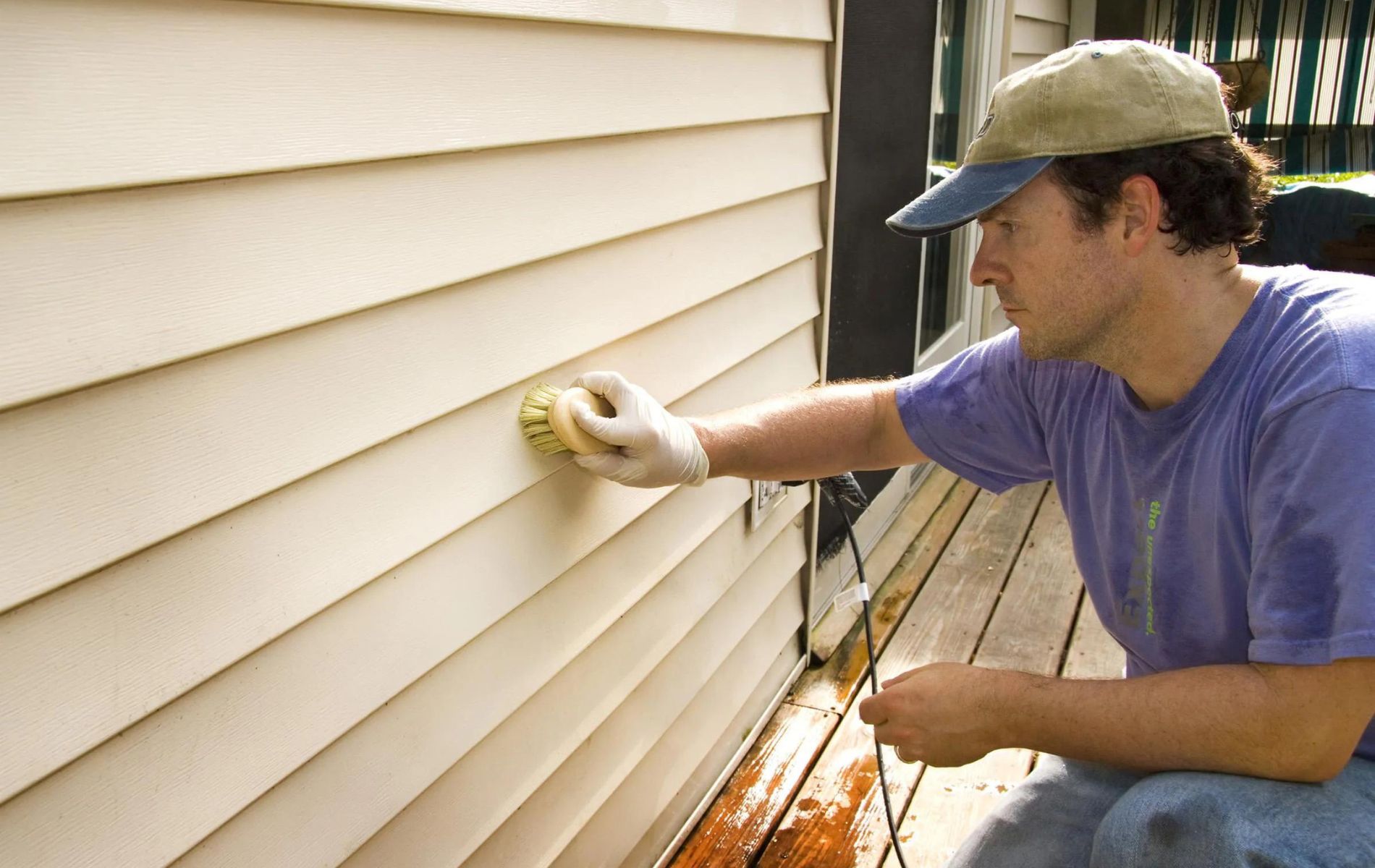
Quality siding is an important part of a property’s exterior envelope. When properly selected and installed, it can help protect exterior walls from rain, snow, wind, moisture, and changing temperatures. Depending on the material and assembly, siding can also contribute to energy efficiency, reduce maintenance requirements, improve exterior durability, and enhance the overall appearance and value of a property.
For buildings in New York City and Westchester, these functional benefits are particularly important. Exterior materials have to deal with seasonal temperature changes, heavy rain, winter weather, strong winds, sunlight, humidity, and the everyday demands of an urban environment.
That is why choosing siding should not be based on appearance alone.
If you’re considering new siding, repair, or replacement, RH Renovation NYC provides professional siding installation, repair, and replacement services for properties throughout the Bronx, Westchester, and surrounding NYC areas.
What Does Siding Do for a Building?
Siding is the exterior protective layer installed over a building’s exterior walls.
Its job is not to make the building completely waterproof by itself. Instead, it works as part of a larger wall assembly that can include sheathing, weather-resistant barriers, insulation, flashing, drainage planes, and other components.
A properly designed siding system can help:
- Protect exterior walls from weather exposure
- Manage water around the building envelope
- Improve exterior durability
- Support thermal performance
- Reduce maintenance
- Improve curb appeal
- Protect vulnerable wall surfaces
- Complement roofing and gutter systems
The exact benefits depend on the siding material, installation method, wall construction, climate exposure, and condition of the building.
1. Protection From Rain, Snow, and Wind
One of the most important functions of siding is protecting the exterior of the building from weather.
New York properties experience a wide range of conditions throughout the year. Rain, snow, wind, ice, humidity, and temperature fluctuations can gradually affect exposed exterior materials.
Quality siding provides an additional protective layer over exterior walls.
However, the siding itself is only one part of the system. Proper flashing, weather-resistant barriers, seams, joints, penetrations, and installation details are equally important.
Poorly installed siding can allow water to reach areas that are difficult to see, potentially contributing to:
- Rot
- Deteriorated sheathing
- Mold and mildew
- Interior moisture
- Insulation problems
- Structural deterioration
This is why siding installation should be approached as an exterior-envelope project rather than simply a cosmetic upgrade.
2. Helps Manage Moisture
Moisture is one of the biggest threats to a building’s exterior.
Water can enter around windows, doors, roof-to-wall transitions, utility penetrations, corners, and other openings if these areas are not properly detailed.
Quality siding, combined with the appropriate flashing and water-management components, can help direct moisture away from vulnerable areas.
During a siding project, an experienced contractor should pay particular attention to:
- Window and door openings
- Wall corners
- Roof-to-wall intersections
- Exterior penetrations
- Trim
- Flashing
- Siding joints
- Lower wall sections
This is especially important when replacing old siding because removing the existing material can reveal hidden deterioration underneath.
3. Improves Exterior Insulation and Thermal Performance
Siding can contribute to a building’s thermal performance, although the extent depends on the entire wall assembly.
Insulated siding or siding installed with appropriate insulation can help reduce heat transfer through exterior walls.
This can be beneficial during both winter and summer.
In winter, a better-performing wall assembly can help reduce heat loss.
During summer, it can help limit unwanted heat transfer into the building.
However, homeowners should not expect siding alone to solve major insulation problems. Attic insulation, wall insulation, windows, doors, air sealing, and HVAC efficiency all affect a property’s overall energy performance.
A siding replacement project can nevertheless provide an opportunity to evaluate the exterior wall assembly and identify areas where improvements may be appropriate.
4. Helps Reduce Long-Term Maintenance
Different siding materials require different levels of maintenance.
Some traditional exterior materials require regular painting, staining, or sealing. Other modern siding options are designed to reduce routine maintenance.
Depending on the material selected, homeowners may benefit from:
- Less frequent painting
- Easier cleaning
- Better resistance to moisture
- Reduced surface deterioration
- Consistent exterior appearance
Vinyl siding, fiber cement, engineered wood, and other siding products all have different maintenance requirements.
The best material depends on the property, desired appearance, budget, climate exposure, and expected maintenance level.
A professional contractor can help homeowners compare the practical differences before selecting a siding system.
5. Can Improve Resistance to Weathering
Exterior walls are constantly exposed to environmental conditions.
Over time, ultraviolet exposure, rain, snow, wind, temperature changes, and moisture can cause visible deterioration.
Signs of weathering can include:
- Fading
- Cracking
- Warping
- Peeling
- Staining
- Loose panels
- Damaged trim
- Moisture-related deterioration
Modern siding products are manufactured with different levels of resistance to these conditions.
Selecting an appropriate product and installing it correctly can help the exterior maintain its appearance and protective function for longer.
6. Can Help Reduce Exterior Noise
Siding is not primarily a soundproofing system, but some siding assemblies can contribute to reducing exterior noise.
This may be particularly relevant for properties located near:
- Busy streets
- Major intersections
- Commercial areas
- Public transportation
- Dense urban neighborhoods
Insulated siding and properly constructed exterior wall assemblies can help reduce some sound transmission.
However, windows, doors, wall construction, insulation, and air gaps also have a major influence on indoor noise levels.
Therefore, homeowners looking for significant sound reduction should evaluate the entire exterior wall assembly rather than relying on siding alone.
7. Protects Exterior Walls From Everyday Wear
The exterior of a building is constantly exposed to physical and environmental stress.
Siding provides a replaceable exterior layer that helps shield underlying wall materials from everyday exposure.
Depending on the material, siding can help protect against:
- Rain
- Snow
- Wind
- Dirt
- Sunlight
- Moisture
- Minor exterior impacts
When individual siding sections become damaged, some systems also allow localized replacement instead of requiring the entire exterior to be removed.
8. Improves Curb Appeal
Although siding is much more than a cosmetic product, appearance remains an important benefit.
New siding can dramatically change the visual character of a property.
Homeowners can select from different:
- Colors
- Textures
- Profiles
- Panel styles
- Finishes
- Trim combinations
A coordinated siding system can make an older building look more modern while maintaining architectural character.
For historic or architecturally distinctive NYC properties, the choice of siding should be made carefully so that the new exterior complements the building rather than making it look out of place.
9. Can Support Property Value
Exterior condition plays an important role in how a property is perceived.
A building with damaged, faded, warped, or deteriorating siding can create the impression that other maintenance has also been neglected.
Conversely, a clean, well-maintained exterior can improve first impressions.
Siding replacement may contribute to property appeal by combining:
- Improved appearance
- Better exterior protection
- Lower maintenance requirements
- Updated materials
- Improved overall presentation
However, siding should be viewed as one component of property value rather than a guaranteed return on investment.
The quality of installation and the suitability of the material for the property are just as important as the visual improvement.
10. Helps Protect Areas Around Windows and Doors
Windows and doors are common transition points in a building envelope.
These areas require careful integration between siding, trim, flashing, and water-management components.
When siding is replaced, the contractor has an opportunity to inspect these vulnerable areas and identify potential problems.
Warning signs around windows and doors can include:
- Staining
- Soft trim
- Rot
- Peeling paint
- Water marks
- Cracked caulking
- Loose siding
- Interior moisture
Addressing these conditions early can help prevent more extensive exterior damage.
Popular Siding Materials
There is no single siding material that is best for every building.
The right choice depends on the property’s architecture, budget, maintenance expectations, climate exposure, and desired appearance.
Vinyl Siding
Vinyl siding is popular because it is relatively lightweight, available in many colors and profiles, and generally requires limited routine maintenance.
It can be a practical option for homeowners looking for a lower-maintenance exterior.
Fiber Cement Siding
Fiber cement siding is designed to provide a durable exterior finish and can replicate the appearance of materials such as wood.
It can be appropriate for homeowners prioritizing durability and a more substantial exterior appearance.
Engineered Wood Siding
Engineered wood siding provides a wood-like appearance while being manufactured for exterior use.
It can offer a balance between traditional aesthetics and modern product characteristics.
Natural Wood Siding
Wood siding provides a distinctive natural appearance and can work particularly well with certain architectural styles.
However, it generally requires more maintenance than some modern alternatives, including appropriate painting, staining, or sealing.
Composite Siding
Composite siding products are available in various designs and may offer specific durability and maintenance advantages depending on the manufacturer and product.
The key is to evaluate the complete product specification rather than choosing based solely on appearance.
How to Choose the Right Siding for Your Building
Choosing siding should begin with the property itself.
Consider:
Building Architecture
A siding style should complement the architecture of the building.
A modern siding profile may not be appropriate for a historic property, while a traditional wood-look product may complement a classic home.
Climate Exposure
New York properties experience significant seasonal changes.
The siding should be appropriate for exposure to:
- Snow
- Rain
- Wind
- Sun
- Humidity
- Freeze-thaw cycles
Maintenance Requirements
Think about how much time and money you want to spend maintaining the exterior.
If minimizing maintenance is a priority, compare products based on their cleaning, painting, sealing, and repair requirements.
Budget
The cheapest siding material is not necessarily the most economical option over the long term.
Consider:
- Material cost
- Installation
- Trim
- Flashing
- Insulation
- Repairs
- Maintenance
- Expected service life
Existing Wall Condition
Before installing new siding, the contractor should assess the condition of the underlying wall assembly.
If water damage or rot is discovered, those issues should be addressed rather than simply covered with new siding.
Signs Your Building May Need Siding Replacement
Not every siding problem requires complete replacement.
Minor localized damage may be repairable.
However, widespread deterioration can indicate that replacement is more appropriate.
Common warning signs include:
- Extensive cracking
- Warped siding
- Rot
- Persistent moisture
- Loose or missing panels
- Significant fading
- Repeated repairs
- Damaged trim
- Mold or mildew
- Visible deterioration underneath the siding
If you’re unsure whether the siding can be repaired, a professional inspection can help determine the most appropriate solution.
RH Renovation provides both siding repair and replacement services, allowing the contractor to assess whether localized work or a larger project makes sense.
Siding Repair vs. Siding Replacement
This is an important decision for homeowners.
Siding Repair May Be Appropriate When:
- Damage is limited to a small area
- Individual panels are damaged
- Trim needs replacement
- A localized moisture issue can be corrected
- Most of the existing siding remains in good condition
Replacement May Make More Sense When:
- Damage is widespread
- The siding is extensively warped or cracked
- Moisture has affected the underlying wall
- The material is nearing the end of its useful service life
- Matching replacement panels are difficult to find
- Repeated repairs are becoming expensive
The correct choice should be based on the condition of the entire exterior rather than a single damaged panel.
Why Siding and Roofing Should Be Considered Together
Siding and roofing are separate systems, but they interact at several important locations.
Roof edges, eaves, dormers, wall transitions, and flashing areas all need to manage water properly.
If a building needs both roofing and siding work, coordinating the projects can make practical sense.
RH Renovation’s portfolio includes projects combining roof replacement, siding replacement, and gutter replacement, demonstrating how multiple exterior systems can be addressed as part of one renovation project.
Coordinating related exterior work can also make it easier to inspect hidden areas that would otherwise remain covered.
Don’t Overlook Gutters When Replacing Siding
Gutters play an important role in directing water away from the roof and exterior walls.
A siding replacement project provides a useful opportunity to inspect the gutter system as well.
Look for:
- Sagging gutters
- Loose fasteners
- Overflow marks
- Blockages
- Damaged downspouts
- Poor drainage
- Water staining below the roof edge
If gutters are not functioning properly, water can repeatedly affect the siding and lower sections of the exterior wall.
RH Renovation also provides gutter installation and repair services, making it possible to address siding and drainage concerns together.
Siding and Soffit: Why the Connection Matters
Soffits and siding often work together along the roof edge.
The soffit can contribute to attic ventilation while siding protects the exterior wall below.
A poorly maintained roof-edge assembly can create problems involving:
- Moisture
- Ventilation
- Pest entry
- Deterioration
- Water infiltration
When replacing siding, it is therefore worth inspecting the soffit and fascia rather than focusing only on the wall panels.
This is especially important when the existing exterior has visible rot or moisture damage.
How Professional Siding Installation Works
A professional siding project should follow a structured process.
1. Exterior Inspection
The contractor evaluates the existing siding, trim, windows, doors, wall surfaces, and other exterior components.
2. Removal of Existing Siding
Where replacement is required, the old siding is carefully removed.
This exposes the underlying wall and allows hidden damage to be identified.
3. Inspection of the Wall Assembly
The contractor checks for signs of:
- Rot
- Moisture
- Damaged sheathing
- Mold
- Structural deterioration
4. Repair and Preparation
Any necessary repairs are completed before the new siding is installed.
5. Weather Protection and Flashing
The appropriate water-management components are installed around vulnerable areas.
6. Siding Installation
The selected siding is installed according to product requirements and the building’s design.
7. Trim and Finishing
Corners, windows, doors, roof transitions, and other details are completed.
8. Final Inspection
The finished exterior is inspected for installation quality, alignment, damaged sections, and proper finishing.
9. Cleanup
A professional project should leave the property clean and free of construction debris.
Why Professional Installation Matters
Siding can look relatively simple from the outside, but the installation details behind the finished surface matter considerably.
Incorrect installation can result in:
- Water infiltration
- Loose panels
- Buckling
- Poor alignment
- Premature deterioration
- Problems around windows
- Improper drainage
- Reduced durability
An experienced contractor understands how the siding system interacts with flashing, trim, roofing, gutters, windows, doors, and the building envelope.
RH Renovation NYC currently describes itself as fully licensed and insured and provides siding alongside roofing, gutter, skylight, chimney, and other exterior services. The company states that it has operated since 2004 and identifies itself as a GAF Master Elite® contractor.
Quality Siding Is About More Than Appearance
The biggest mistake homeowners can make is choosing siding based only on color and appearance.
A successful siding project should answer several questions:
- Will it protect the building?
- Is the wall assembly in good condition?
- How will moisture be managed?
- What maintenance will be required?
- Is the material appropriate for the property’s architecture?
- How will it perform in New York’s climate?
- How will it integrate with windows and doors?
- How will it connect with the roof and gutters?
- Is the installation being performed correctly?
Once these questions are considered, the aesthetic decision becomes only one part of a much larger exterior improvement strategy.
Why Choose RH Renovation NYC for Siding Services?
RH Renovation NYC provides siding repair, installation, and replacement as part of its exterior renovation services.
The company’s current siding service page showcases completed exterior projects and customer feedback involving roofing, siding, gutters, soffits, and related work.
Its broader service offering can be useful for homeowners whose siding project also reveals roofing, gutter, chimney, or soffit issues.
RH Renovation states that it has served New York properties since 2004 and is fully licensed and insured.
Frequently Asked Questions About Siding
What is the main purpose of siding?
Siding provides an exterior protective layer for a building while also contributing to its appearance. Depending on the material and wall assembly, it can help manage weather exposure, moisture, maintenance, and thermal performance.
Does siding help insulate a house?
Some siding systems, particularly insulated siding assemblies, can contribute to thermal performance. However, siding is only one part of a building’s insulation and energy-efficiency strategy.
What is the best siding material for a home in NYC?
There is no universal best material. Vinyl, fiber cement, engineered wood, natural wood, and composite products each have different characteristics. The best choice depends on the building, budget, desired appearance, maintenance requirements, and exposure conditions.
How long does siding last?
Lifespan varies considerably by material, product quality, installation, maintenance, weather exposure, and building conditions. Instead of relying on a single lifespan number, homeowners should monitor the siding for deterioration and have aging exteriors professionally assessed.
Can damaged siding be repaired?
Yes, localized siding damage can often be repaired or individual sections can sometimes be replaced. Extensive deterioration, widespread moisture problems, or difficulty matching old material may make complete replacement more practical.
Does new siding prevent water leaks?
Siding is part of the exterior wall system, but it should not be considered the building’s only waterproofing layer. Proper flashing, weather-resistant barriers, drainage, and installation details are essential for managing moisture.
Should siding be replaced before or after roofing?
There is no universal sequence for every property. The appropriate order depends on the condition of the roof, siding, flashing, roof-to-wall transitions, and project scope. When both systems require work, coordination between the roofing and siding contractor can help avoid unnecessary rework.
Can siding improve curb appeal?
Yes. New siding can significantly change the color, texture, proportions, and overall appearance of a building while also addressing functional exterior problems.
Does siding increase property value?
Quality siding can improve the appearance and condition of a property, which may contribute to buyer appeal. However, the financial return depends on the property, local market, material, installation quality, and overall renovation.
How often should siding be inspected?
There is no single inspection interval appropriate for every siding system. Homeowners should visually check the exterior periodically and arrange a professional inspection when they notice cracking, warping, moisture, rot, loose panels, or other deterioration.
Can siding and gutters be replaced at the same time?
Yes. Coordinating siding and gutter work can be beneficial because both systems interact with exterior water management. It also provides an opportunity to inspect fascia, soffits, roof edges, and other related components.
Final Thoughts: Quality Siding Is a Long-Term Building Investment
Quality siding is more than an exterior decoration.
It can help protect a building from weather exposure, support moisture management, reduce maintenance demands, improve exterior appearance, and contribute to the performance of the overall wall assembly.
For NYC and Westchester properties, choosing the right siding requires consideration of the building’s architecture, exposure, existing wall condition, maintenance expectations, and budget.
Most importantly, the material should be installed correctly.
If your current siding is cracked, warped, deteriorated, faded, or showing signs of moisture damage, a professional assessment can determine whether repair or replacement is the better option.
For homeowners planning a larger exterior renovation, RH Renovation NYC can also evaluate related roofing, gutter, soffit, skylight, and chimney components as part of the project.
If you’re considering siding installation, repair, or replacement in the Bronx, Westchester, Queens, Brooklyn, or surrounding NYC areas, contact RH Renovation NYC to request a free estimate. Call (646) 818-4305 to discuss your project.