How Much does it Cost to Replace the Boards on a Deck
Damaged, rotting, or worn-out deck boards can make an outdoor space look neglected and create potential safety concerns. If your deck has cracked planks, splintering wood, loose fasteners, or soft spots underfoot, replacing the affected boards may be a practical way to restore its appearance and usability without rebuilding the entire structure.
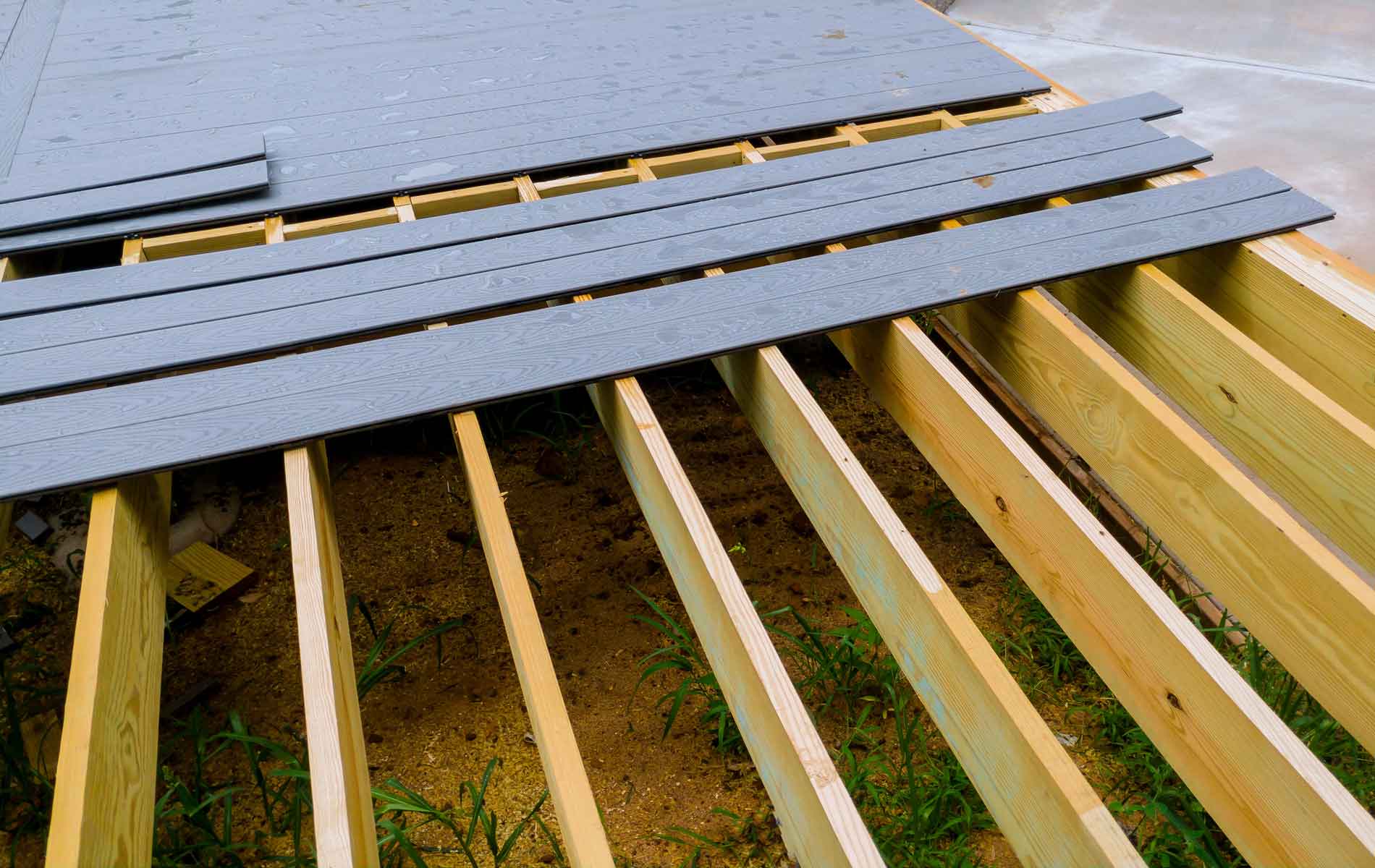
But how much does deck board replacement cost?
The price depends on several factors, including the size of the damaged area, the decking material, labor requirements, the condition of the existing frame, and how accessible the deck is. Replacing a few individual boards is considerably different from removing the entire walking surface and installing new decking.
For homeowners in New York City and surrounding areas, local labor costs, property access, disposal requirements, and building regulations can also affect the final estimate.
At RH Renovation, we understand that homeowners want to know what their deck actually needs before committing to a major project. This guide explains deck board replacement costs, compares common decking materials, identifies signs of damage, and helps you decide whether to repair, resurface, or replace your existing deck.
How Much Does It Cost to Replace Deck Boards?
Deck board replacement costs vary depending on the amount of decking being removed, the replacement material, and the condition of the supporting structure.
As a general planning reference, RH Renovation’s related NYC deck repair cost guide identifies the following indicative costs:
| Deck replacement or repair work | Indicative cost |
|---|---|
| Single deck board replacement | $150–$400 per board |
| Replacing approximately 25–50% of decking boards | $800–$2,500 |
| Structural deck repairs | $1,500–$5,000+ |
These figures are reference ranges, not guaranteed project prices or fixed quotations. Your actual cost may differ depending on the dimensions, material, labor, accessibility, and any additional repairs discovered during inspection.
For example, replacing one damaged pressure-treated board on an accessible deck may involve relatively little work. Replacing several composite boards with concealed fastening systems may require additional removal time and compatible replacement components.
The most important consideration is whether the existing deck frame can safely support the new boards.
What Factors Affect Deck Board Replacement Cost?
Understanding the factors behind your estimate makes it easier to compare contractors and choose the right solution.
1. Size of the Deck and Replacement Area
The total area being replaced is one of the biggest cost considerations.
A small repair involving two or three damaged boards requires fewer materials and less labor than replacing the entire decking surface.
Larger projects may also involve additional preparation, demolition, transportation, and disposal of old materials.
During an assessment, a contractor should measure the affected area and identify whether the damage is isolated or widespread.
2. Type of Decking Material
The material you select influences both the initial replacement cost and the maintenance requirements of your deck.
Common options include:
Pressure-treated wood
Pressure-treated lumber is a popular choice for residential decks because it is widely available and generally more affordable than premium decking alternatives.
It is treated to help resist decay and insect damage. However, it still requires appropriate maintenance, including cleaning and periodic sealing or staining.
Cedar decking
Cedar is valued for its natural appearance, attractive grain, and resistance to certain forms of decay.
It can be a good choice for homeowners who prefer a traditional wood deck. However, it requires maintenance to protect its appearance against moisture, sunlight, and weather exposure.
Composite decking
Composite decking combines wood fibers and synthetic materials to create boards designed to resist many common problems associated with traditional wood.
Depending on the product, composite boards may offer resistance to splintering, moisture-related deterioration, and fading. They generally require less routine maintenance than natural wood, although cleaning is still necessary.
Composite decking can cost more initially, and some systems require specific hidden fasteners or compatible replacement components.
PVC decking
PVC decking is manufactured primarily from synthetic materials. It is designed to resist moisture and does not require the same staining or sealing routine as traditional wood.
It can be a suitable option for homeowners prioritizing low-maintenance outdoor surfaces. However, product quality, appearance, installation requirements, and initial material costs vary.
The best material depends on your budget, existing deck construction, desired appearance, and long-term maintenance expectations.
3. Labor and Installation Complexity
Labor costs depend on the amount of work required to remove the existing boards and install replacements.
A straightforward replacement on an accessible, single-level deck is generally less complicated than working on an elevated deck with stairs, railings, multiple levels, or limited access.
Installation complexity can increase when contractors need to:
- Remove damaged boards without affecting surrounding materials.
- Extract rusted or broken fasteners.
- Repair damaged joist connections.
- Adjust board spacing.
- Install compatible hidden fastening systems.
- Cut boards around posts, corners, and architectural features.
- Transport materials through restricted property access.
In New York City, access and property conditions can be especially important when planning exterior renovation work.
4. Condition of the Existing Deck Frame
This is one of the most important factors homeowners should understand.
Deck boards are attached to a supporting structure consisting of components such as joists, beams, posts, and connections to the building.
If these structural components are damaged, installing new boards over them will not solve the underlying problem.
Rotting joists, deteriorated posts, loose connections, and a failing ledger board may require additional repairs before new decking can be installed.
A professional assessment should therefore examine the visible decking and the structure beneath it.
5. Removal and Disposal of Old Decking
Removing existing boards requires time, tools, and appropriate disposal arrangements.
Older decking may have rusted screws, damaged nails, split sections, or boards that are difficult to remove without damaging adjacent materials.
The estimate should clarify whether demolition, debris removal, transportation, and disposal are included.
6. Additional Repairs and Finishing
A deck board replacement project may reveal other issues that need attention.
Depending on the condition of the deck, additional work may include:
- Replacing damaged joists.
- Repairing loose railings.
- Replacing worn stairs or stair treads.
- Updating fasteners and connectors.
- Sanding or refinishing suitable wood surfaces.
- Applying stain or protective sealant.
- Improving drainage around the deck.
These items should be identified separately in the written project estimate so you understand exactly what is included.
Is It Cheaper to Replace Individual Deck Boards or the Entire Deck Surface?
It depends on how much damage exists and whether the underlying structure is still in good condition.
Replacing Individual Deck Boards
Individual board replacement is often the most economical solution when damage is limited to a few isolated areas.
It may be appropriate when:
- Only a small number of boards are cracked or rotting.
- Most of the decking remains stable.
- The joists and supporting structure are in good condition.
- The existing fastening system can accommodate replacement boards.
One potential disadvantage is appearance. New wood boards may have a different color and texture from older, weathered decking.
If the replacement area is large, a patchwork appearance may become noticeable.
Replacing the Entire Decking Surface
This is often called re-decking or deck resurfacing.
The process involves removing the existing boards and installing new decking while retaining the existing supporting structure, provided it is structurally suitable.
Re-decking may be appropriate when:
- Many boards show similar deterioration.
- The deck surface has widespread splitting or warping.
- Multiple areas require repairs.
- You want to change from wood to composite decking.
- The supporting structure remains sound.
It provides a more consistent appearance than replacing individual boards across several sections.
Replacing the Entire Deck
A complete deck replacement involves more than changing the walking surface.
Depending on the project, it may include removing and rebuilding the decking, joists, beams, posts, stairs, railings, and other supporting components.
This may be necessary when structural deterioration is widespread or the existing design no longer meets the property’s needs.
The decision should be based on an inspection rather than the appearance of the boards alone.
Signs Your Deck Boards Need Replacement
Deck damage can develop gradually through exposure to rain, snow, sunlight, temperature changes, and regular use.
Recognizing the warning signs early can help homeowners address localized problems before they become more extensive.
Soft or Rotting Wood
If a deck board feels soft, spongy, or deteriorated, moisture may have caused decay.
Pay particular attention to areas that remain damp, shaded sections, and locations near the house where water may collect.
Cracked or Split Boards
Small surface cracks may be cosmetic, but deep splits can compromise a board’s stability.
Damaged boards can also create sharp edges and splinters that make the deck uncomfortable or unsafe to use.
Warped or Cupped Decking
Boards that twist, lift, or curve may create uneven walking surfaces and interfere with proper drainage.
Severely warped boards may need replacement rather than cosmetic treatment.
Loose or Popped Fasteners
Nails or screws that rise above the surface can create trip hazards.
Loose fasteners may also indicate movement, deterioration, or problems with the supporting structure.
Widespread Discoloration and Moisture Damage
Fading alone does not necessarily mean deck boards need replacement. However, persistent moisture, peeling finishes, visible decay, and deteriorating wood should be investigated.
A contractor can help distinguish between surface-level maintenance issues and damage that requires new decking.
How Does the Deck Board Replacement Process Work?
Understanding the installation process helps homeowners know what to expect before work begins.
At RH Renovation, the appropriate scope should be established by assessing the existing deck and identifying the work required.
A typical replacement project involves the following stages:
Step 1: Initial Assessment
The contractor evaluates the deck’s overall condition, identifies damaged boards, and checks accessible supporting components.
The inspection should consider the joists, beams, posts, connections, railings, stairs, and drainage conditions where relevant.
Step 2: Material Selection and Written Estimate
Once the scope is understood, suitable replacement materials can be discussed.
The estimate should explain the materials, approximate quantities, removal requirements, labor, additional repairs, and finishing work.
Step 3: Removal of Damaged Boards
Existing boards are carefully removed, and the exposed supporting structure is inspected for signs of deterioration.
If additional problems are discovered, they should be discussed before the project scope is expanded.
Step 4: Preparation and Installation
The supporting structure is prepared for installation.
New decking is installed using the appropriate fastening method, spacing, and manufacturer’s installation requirements.
Correct installation helps support drainage, ventilation, and long-term performance.
Step 5: Final Inspection and Cleanup
The completed surface should be checked for secure fastening, consistent spacing, stable walking areas, and visible installation defects.
The work area should also be cleared of construction debris.
Do You Need a Permit to Replace Deck Boards in NYC?
Permit requirements depend on the scope of work.
The New York City Department of Buildings distinguishes between minor alterations and ordinary repairs and projects that involve more substantial construction or structural work.
Some minor repairs may be exempt from a work permit. However, structural alterations, changes to the deck’s supporting components, and certain construction activities may require permits, professional plans, or other approvals.
Homeowners should not assume that every deck replacement project is permit-free simply because it is described as a repair.
Before work begins, confirm the requirements for your specific property and proposed scope with the NYC Department of Buildings or an appropriately qualified design professional.
You can consult the official NYC Department of Buildings guidance on deck and porch projects for more information.
How Can You Avoid Unnecessary Deck Replacement Costs?
A good replacement decision starts with understanding the actual condition of your deck.
Consider these practical steps:
Address isolated damage early. Replacing a damaged board before moisture affects surrounding materials may prevent a more extensive repair.
Inspect the supporting structure. New decking cannot compensate for rotting joists, unstable posts, or failing connections.
Choose materials based on maintenance needs. Compare initial costs with the ongoing care required for wood, composite, and PVC products.
Compare written estimates. Make sure contractors are quoting the same scope, materials, removal work, and finishing requirements.
Do not ignore safety concerns. Loose railings, unstable stairs, sagging areas, and separation from the building deserve prompt professional attention.
Avoid choosing a contractor based only on the lowest price. Installation quality, material compatibility, and a clearly defined scope are important considerations.
Why Choose RH Renovation for Deck Repair and Replacement?
A deck should provide a functional and comfortable outdoor space while remaining properly supported and maintained.
Choosing the right contractor means finding someone who understands both the visible decking and the components beneath it.
RH Renovation works with homeowners on exterior renovation projects, including deck-related improvements, repairs, and replacement considerations.
When planning your project, the focus should be on:
- Identifying damaged boards and underlying problems.
- Determining whether repair or full re-decking is appropriate.
- Discussing suitable wood and alternative decking materials.
- Understanding removal, preparation, and installation requirements.
- Providing a clear project scope and estimate.
- Considering the property’s specific access and construction conditions.
Whether you have a few deteriorating boards or an older deck that needs more extensive attention, an assessment can help establish the most appropriate next step.
Frequently Asked Questions About Deck Board Replacement Cost
1. How much does it cost to replace deck boards?
The cost depends on the number of boards, decking material, labor, accessibility, and the condition of the supporting structure. RH Renovation’s related NYC deck repair guide gives an indicative range of $150–$400 for replacing an individual board. A project involving multiple boards will require a separate estimate based on its scope.
2. Is it cheaper to replace deck boards or build a new deck?
Replacing the boards is generally less expensive when the joists, beams, posts, and other structural components remain in good condition. If the underlying frame has extensive rot or structural deterioration, rebuilding the deck may provide better long-term value.
3. Can I replace deck boards without replacing the frame?
Yes. This is known as re-decking. It involves removing the old decking and installing new boards while retaining the existing frame. However, the supporting structure must be inspected first to confirm that it is suitable for reuse.
4. What is the cheapest material for replacing deck boards?
Pressure-treated lumber is generally one of the more affordable decking options. Composite and PVC products typically have higher initial material costs but may require less routine maintenance. The best option depends on your budget, preferences, and existing deck construction.
5. How long does deck board replacement take?
The timeframe depends on the size of the replacement area, material, number of damaged boards, access, and whether additional structural repairs are needed. A small repair may take considerably less time than replacing the entire decking surface. Your contractor should provide a project-specific schedule.
6. Should I replace rotting deck boards immediately?
Rotting boards should be assessed promptly, particularly if they feel soft, sag, or are breaking apart. If the damage affects the supporting structure, simply replacing the surface boards will not resolve the problem.
7. Is composite decking worth the extra cost?
Composite decking can be worthwhile for homeowners who want an alternative to traditional wood with reduced routine maintenance. It generally costs more initially, and the existing frame and fastening system must be suitable for the selected product. Compare the manufacturer’s specifications and long-term maintenance requirements before deciding.
8. Do I need a permit to replace deck boards in New York City?
Some minor deck repairs may not require a work permit, but structural alterations and more extensive projects can have additional requirements. The NYC Department of Buildings should be consulted to determine the rules applicable to your specific project.
Get an Estimate for Deck Board Replacement From RH Renovation
Damaged deck boards do not always mean you need to rebuild your entire outdoor space. If the supporting structure is sound, replacing individual boards or resurfacing the existing deck may be a practical solution.
The right approach depends on the extent of deterioration, the material you prefer, and the condition of the existing structure.
RH Renovation can help you evaluate your deck repair and replacement needs and understand the work involved before moving forward.
Contact RH Renovation today to discuss your deck project and request an estimate. Restore the appearance and functionality of your outdoor space with a solution suited to your property’s condition and requirements.