Can You Paint Damaged Siding? When to Repair or Replace It
Damaged siding can make your home’s exterior look worn, neglected, and less attractive. If your siding has peeling paint, cracks, small holes, discoloration, or weather-related damage, you may wonder whether a fresh coat of paint can restore its appearance or whether the damaged sections need to be repaired or replaced first.
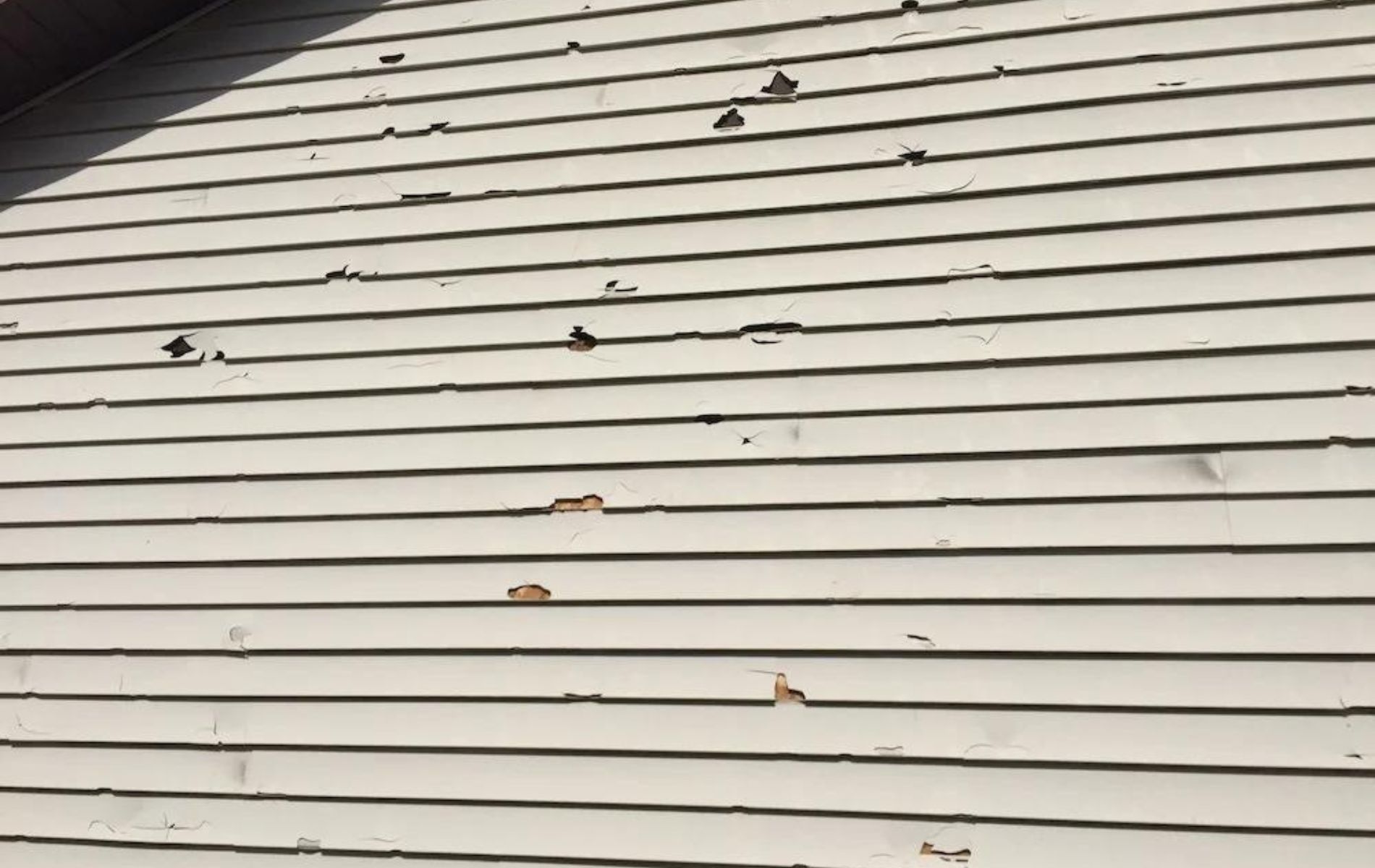
Yes, you can paint some types of damaged siding, but the surface must be structurally sound and properly prepared before painting. Minor cosmetic imperfections may be repairable, while rotting wood, warped vinyl panels, severe water damage, and deteriorated siding generally require repairs or replacement.
Painting over damaged siding without addressing the underlying problem can lead to peeling paint, trapped moisture, recurring deterioration, and additional repair expenses.
For homeowners in the Bronx, Queens, Brooklyn, and Westchester County, understanding the condition and material of your siding is important before starting an exterior painting project.
In this guide, RH Renovation NYC explains how to identify siding damage, when painting is appropriate, which materials can be painted, and when professional siding repair or replacement is the better solution.
Can You Paint Over Damaged Siding?
Yes, damaged siding can sometimes be painted after the affected areas have been properly repaired and prepared. However, painting is not a solution for every type of exterior damage.
The right approach depends on the siding material, severity of the damage, moisture exposure, and condition of the underlying structure.
For example, wood siding with minor surface imperfections may be suitable for filling, sanding, priming, and repainting. However, wood that has become soft or rotten from prolonged moisture exposure should be replaced.
Similarly, vinyl siding with minor cosmetic fading may be suitable for repainting with compatible exterior paint. Cracked, broken, or severely warped vinyl panels should generally be replaced rather than covered with paint.
Before painting, inspect the siding for:
- Cracks, holes, and broken sections.
- Peeling, bubbling, or flaking paint.
- Soft or deteriorated wood.
- Water stains and moisture damage.
- Mold, mildew, or persistent discoloration.
- Loose, warped, or separated panels.
- Damaged caulking around windows and doors.
The important distinction is between cosmetic damage and material deterioration. Paint can improve the appearance and protect a properly prepared surface, but it cannot restore the strength of damaged siding.
What Types of Damaged Siding Can Be Painted?
Different siding materials require different preparation methods, primers, and exterior coatings. Understanding the material is essential before deciding whether painting is appropriate.
1. Painting Damaged Wood Siding
Wood siding is commonly used on traditional and older residential properties. It can be repainted several times during its service life, provided the underlying material remains in suitable condition.
Minor surface cracks, peeling paint, and small imperfections can often be repaired before applying a new coating.
However, wood siding is vulnerable to moisture penetration, especially around joints, windows, doors, and exposed edges.
Before painting wood siding:
- Inspect boards for soft spots and rot.
- Remove loose and peeling paint using appropriate methods.
- Replace severely deteriorated boards.
- Repair suitable minor surface imperfections with compatible exterior filler.
- Allow the wood to dry completely.
- Apply a suitable exterior primer where required.
- Use an exterior paint formulated for the substrate.
When should wood siding be replaced?
If the boards are severely rotten, split, swollen, or structurally deteriorated, replacement is generally more appropriate than painting.
Applying paint over deteriorated wood will not stop the underlying damage.
2. Painting Damaged Vinyl Siding
Vinyl siding is popular because it requires relatively little maintenance and is available in various colors and styles.
Although vinyl siding is not traditionally painted as often as wood, it can be repainted using suitable exterior coatings designed for vinyl surfaces.
However, there are important limitations.
Vinyl panels can crack, warp, loosen, or become brittle over time. Painting cannot correct these physical problems.
Before repainting vinyl siding:
- Inspect panels for cracks and warping.
- Replace broken or severely damaged sections.
- Clean dirt, mildew, and surface contaminants.
- Allow the siding to dry.
- Select paint specifically approved for vinyl siding.
- Follow the paint manufacturer’s color and application recommendations.
Dark paint colors can absorb more heat and potentially contribute to distortion of certain vinyl siding products. Always check the siding and coating manufacturer’s recommendations before selecting a darker color.
3. Painting Damaged Aluminum Siding
Aluminum siding can often be repainted when the panels remain properly attached and structurally sound.
Over time, its original coating may fade, chalk, peel, or lose its appearance due to exposure to sunlight and weather.
Before painting aluminum siding:
- Check for corrosion and damaged sections.
- Replace severely dented or deteriorated panels where necessary.
- Remove dirt and chalking.
- Prepare the surface according to the coating manufacturer’s instructions.
- Apply a compatible primer when required.
- Use suitable exterior paint designed for metal siding.
If corrosion has damaged the metal or panels have become badly distorted, replacing the affected sections may provide a better long-term result.
4. Painting Damaged Fiber Cement Siding
Fiber cement siding is valued for its durability and resistance to many common exterior problems.
It can generally be painted or repainted when the material is in suitable condition and the coating is compatible with the product.
However, cracks, impact damage, loose boards, and deterioration around joints should be evaluated before painting.
Important preparation steps include:
- Inspecting boards and joints.
- Replacing damaged sections.
- Checking caulking and flashing.
- Cleaning the surface.
- Allowing moisture to dry.
- Applying compatible primer and exterior paint when required.
Follow the manufacturer’s recommendations for repair products, coatings, and installation details.
5. Painting Engineered Wood Siding
Engineered wood siding can be painted, but it requires proper moisture management and surface preparation.
Damage around cut edges, joints, and exposed areas can allow moisture to enter the material.
Before repainting:
- Inspect exposed edges and joints.
- Look for swelling, delamination, and deterioration.
- Repair or replace affected sections as appropriate.
- Follow the manufacturer’s sealing and priming requirements.
- Apply compatible exterior paint.
If the material has swollen or separated significantly, painting alone will not restore its original performance.
When Should You Repair Damaged Siding Before Painting?
Not every damaged siding surface requires complete replacement. Some issues can be corrected through localized repairs before applying a new coating.
However, the source of the damage should always be identified first.
Cracks and Small Holes
Small cracks and holes may result from impact, aging, temperature changes, or ordinary wear.
On repairable siding materials, minor imperfections can sometimes be filled using a compatible exterior repair product.
However, large cracks, broken panels, and damage that extends through the siding may require replacement.
The repair method must be appropriate for the specific material.
Peeling and Flaking Paint
Peeling paint is often associated with poor surface preparation, moisture intrusion, incompatible coatings, or aging paint.
Simply applying another layer over peeling paint will not produce a durable finish.
The affected area should be inspected, loose coating removed using appropriate methods, and the surface prepared before repainting.
If the paint is peeling because water is entering behind the siding, that moisture problem must also be addressed.
Water Damage
Water damage is one of the most important issues to investigate before painting exterior siding.
Signs may include:
- Dark water stains.
- Swollen or distorted boards.
- Soft wood.
- Peeling or bubbling paint.
- Deteriorated joints.
- Persistent moisture around windows and doors.
Water may enter through damaged flashing, failed caulking, roof edges, gutters, or improperly installed siding.
Repairing the source of water intrusion should come before cosmetic improvements.
If the siding has deteriorated significantly, the affected material may need to be replaced.
Mold and Mildew
Mold and mildew can develop on exterior siding in areas with persistent moisture, limited sunlight, and poor drainage.
Before painting, determine why the surface remains damp.
The siding should be cleaned using an appropriate method and allowed to dry completely.
If mold growth is associated with deteriorated materials or concealed moisture intrusion, further investigation and repair may be necessary.
Do not simply paint over active mold growth or assume that a new coating will eliminate the underlying problem.
Loose or Warped Siding Panels
Siding panels can become loose or distorted because of improper installation, fastener problems, thermal movement, water damage, or age.
Painting over loose panels will not correct the installation problem.
The affected sections should be inspected, properly secured, repaired, or replaced before any painting work begins.
When Should You Replace Damaged Siding Instead of Painting?
Painting can be an effective way to improve the appearance of siding, but there are situations where replacement is the more appropriate investment.
Consider replacing siding when you notice:
Extensive wood rot: Wood that has lost its strength because of prolonged moisture exposure should not simply be covered with primer and paint.
Severely cracked vinyl: Broken or distorted vinyl panels cannot be restored through painting.
Significant water damage: If moisture has damaged the siding or underlying wall assembly, the affected materials need to be evaluated and repaired.
Widespread deterioration: When multiple sections have become damaged, replacing the affected siding may be more practical than repeatedly repairing individual areas.
Failed siding installation: Loose panels, missing components, and improper flashing may require corrective installation work.
Repeated paint failure: If paint continues to peel despite previous repainting, investigate the substrate, moisture conditions, and coating compatibility before applying another finish.
Is It Cheaper to Paint or Replace Siding?
Painting is generally less expensive than replacing an entire siding system because it involves fewer materials and less demolition.
However, the comparison depends on the extent of the damage.
Painting may be a reasonable option when the siding is structurally sound and only needs cosmetic restoration.
Replacement may offer better value when the material is deteriorated, requires frequent repairs, or has reached the end of its useful service life.
A professional inspection can help determine which option makes financial sense for your property.
How to Prepare Damaged Siding for Painting
Proper preparation is essential for a durable exterior paint finish.
Painting over dirt, loose coatings, damaged materials, or moisture problems can result in premature paint failure.
Here is a general preparation process.
Step 1: Inspect the Entire Siding Surface
Start by examining the siding from different angles.
Look for cracks, peeling paint, moisture stains, loose panels, rotting boards, and damaged joints.
Pay particular attention to areas around:
- Windows and doors.
- Roof edges and gutters.
- Corners and trim.
- Exterior penetrations.
- Foundation transitions.
Identifying the source of damage helps prevent the same problem from returning after painting.
Step 2: Repair or Replace Damaged Sections
Remove or repair materials that cannot provide a suitable surface for painting.
Minor imperfections may be repairable with compatible products, while severely deteriorated boards and panels should be replaced.
Any water intrusion or drainage problems should also be corrected.
Step 3: Clean the Siding
Remove dirt, dust, mildew, chalking, and other contaminants using a cleaning method appropriate for the siding material.
Avoid excessive water pressure that could damage the siding or force water behind it.
Allow the surface to dry according to the manufacturer’s recommendations.
Step 4: Prepare the Existing Paint
Loose and peeling paint should be addressed before applying a new coating.
The appropriate preparation method depends on the existing paint, substrate, and condition of the surface.
For older properties, investigate potential lead-based paint before scraping, sanding, or otherwise disturbing existing coatings.
Step 5: Apply Compatible Primer
Primer helps prepare suitable surfaces for the finish coat.
The correct primer depends on the siding material, existing coating, and paint system.
Some products require specific primers, while certain coatings may be designed for direct application to properly prepared surfaces.
Always follow manufacturer instructions.
Step 6: Apply Exterior Paint
Once repairs and preparation are complete, apply an exterior coating designed for the particular siding material.
Consider:
- Weather resistance.
- UV protection.
- Moisture exposure.
- Color compatibility.
- Manufacturer application requirements.
- Recommended drying and recoat times.
Painting should take place under suitable weather conditions, following the product’s temperature and humidity requirements.
What Type of Paint Should You Use for Damaged Siding?
The best exterior paint depends on the siding material and its existing coating.
Different substrates have different adhesion and preparation requirements.
| Siding material | Paint considerations |
|---|---|
| Wood | Suitable exterior acrylic or other compatible wood coating |
| Vinyl | Vinyl-approved exterior paint |
| Aluminum | Exterior paint formulated for properly prepared metal |
| Fiber cement | Compatible exterior masonry or siding coating, as specified by the manufacturer |
| Engineered wood | Manufacturer-approved exterior coating |
For many residential siding projects, high-quality exterior acrylic coatings are worth considering because of their weather resistance and flexibility.
However, not every acrylic product is appropriate for every substrate.
Check the product specifications and follow the siding manufacturer’s recommendations before selecting a coating.
Lead Paint Safety When Repairing Older NYC Siding
Homeowners with older properties should consider lead-based paint before beginning exterior siding repairs or painting preparation.
Homes built before 1978 may contain lead-based paint. Activities such as scraping, sanding, cutting, and removing painted siding can generate hazardous lead dust and paint chips.
Under the EPA Renovation, Repair and Painting (RRP) Rule, paid renovation work that disturbs painted surfaces in covered pre-1978 housing and child-occupied facilities is subject to applicable requirements.
For covered exterior work, the general threshold is more than 20 square feet of disturbed painted surface. Certain activities and circumstances have additional rules, so the threshold should not be treated as a blanket exemption from lead-safety requirements.
When the RRP Rule applies, contractors must meet the relevant firm certification, training, containment, cleanup, and recordkeeping requirements.
Before beginning work on an older property:
- Determine whether existing painted surfaces may contain lead.
- Avoid uncontrolled scraping or sanding.
- Use appropriate lead-safe work practices.
- Verify contractor certification when the project is covered by the RRP Rule.
- Ensure that paint chips and renovation debris are properly contained.
For additional information, visit the EPA Renovation, Repair and Painting Program.
How Much Does Siding Repair and Painting Cost?
The cost of repairing and painting damaged siding depends on the material, size of the affected area, extent of deterioration, and preparation requirements.
A small repair followed by localized painting will generally involve less work than repairing multiple elevations or repainting an entire exterior.
Important cost factors include:
Siding material: Wood, vinyl, aluminum, and fiber cement require different repair products and preparation methods.
Extent of damage: Small surface imperfections are generally less expensive to address than widespread rot, water damage, or broken panels.
Preparation work: Cleaning, scraping, priming, and repairing the substrate can influence labor costs.
Replacement materials: Severely damaged siding may require new boards, panels, trim, or flashing.
Building height and access: Multi-story properties, steep access areas, and complex exterior designs can increase labor requirements.
Paint selection: Exterior coating quality, primer requirements, and the number of coats can affect the overall estimate.
Additional repairs: Damaged gutters, flashing, trim, and moisture-related problems may require separate work.
How to Get an Accurate Siding Repair Estimate
A useful estimate should identify the actual condition of the siding rather than simply provide a price per square foot for painting.
Ask the contractor to explain:
- Which sections can be repaired.
- Which sections require replacement.
- Whether moisture intrusion needs attention.
- What preparation work is included.
- Which primer and paint products will be used.
- Whether trim, flashing, or caulking needs attention.
- What warranty applies to the completed work.
A detailed inspection and written estimate can help you compare options and avoid paying for cosmetic work that does not address the underlying damage.
How RH Renovation NYC Evaluates Damaged Siding
Choosing between siding repair, painting, and replacement requires an understanding of the existing exterior materials and the source of the damage.
RH Renovation NYC provides exterior renovation and siding services for residential and commercial property owners throughout the Bronx, Queens, Brooklyn, and Westchester County.
Since 2004, the company has focused on roofing and exterior improvement projects, helping property owners address exterior deterioration and maintain their buildings.
When evaluating damaged siding, important considerations include:
Material and surface condition: Identifying whether the property has wood, vinyl, aluminum, fiber cement, or engineered wood siding helps determine suitable repair and coating options.
Moisture and water intrusion: Water stains, deteriorated joints, and damaged flashing may indicate problems that need attention before painting.
Repair versus replacement: Not every damaged section requires a complete siding replacement. The appropriate solution depends on the extent of deterioration.
Preparation and finishing: Proper surface preparation, compatible materials, and appropriate installation or painting methods are essential for a durable result.
Overall exterior condition: Siding should be evaluated alongside nearby trim, flashing, gutters, and other exterior components that may contribute to moisture problems.
Whether your property needs localized siding repairs, replacement of damaged panels, or a larger exterior renovation, understanding the condition of the existing materials is the first step.
Learn more about our siding repair and installation services.
Frequently Asked Questions About Painting Damaged Siding
1. Can you paint over rotting siding?
No. Painting over rotting siding is not a reliable repair. Rotten wood has lost its structural integrity and should generally be removed and replaced before applying new paint. The source of moisture should also be identified and corrected.
2. Can you paint cracked vinyl siding?
Minor cosmetic imperfections may not prevent painting, but cracked or broken vinyl panels should generally be replaced. Paint cannot restore the structural integrity of damaged vinyl siding.
3. Does painting damaged siding stop water leaks?
No. Exterior paint can help protect a properly prepared surface, but it cannot correct leaking flashing, damaged siding joints, failed caulking, or water intrusion behind the exterior wall. Identify and repair the source of moisture before painting.
4. Can you paint siding with mold or mildew?
The affected surface should be properly cleaned and dried before painting. However, persistent mold or mildew may indicate an underlying moisture problem. Address the cause and use appropriate cleaning and coating products rather than painting over active growth.
5. Is it cheaper to paint or replace siding?
Painting is generally less expensive when the existing siding remains structurally sound. Replacement may be more economical over time when the siding has extensive deterioration or requires repeated repairs.
6. How long does exterior siding paint last?
The lifespan of exterior siding paint varies depending on the paint quality, substrate, surface preparation, installation conditions, sunlight exposure, and maintenance. Proper preparation and compatible coatings help improve durability.
7. Can you paint aluminum siding that has started peeling?
Yes, aluminum siding can often be repainted if the metal remains in suitable condition. Loose paint and chalking must be addressed, corrosion should be evaluated, and a compatible primer and exterior coating should be selected.
8. Should you replace siding before painting a house?
Not necessarily. If the existing siding is structurally sound, cleaning, repairing minor imperfections, and repainting may be sufficient. Severely damaged, rotten, or deteriorated sections should be repaired or replaced first.
9. Can you paint siding during cold or rainy weather?
Exterior painting should follow the coating manufacturer’s temperature, humidity, and moisture requirements. Rain, excessive humidity, and unsuitable temperatures can affect adhesion and curing.
10. How do I know whether my siding needs repair or replacement?
Look for widespread cracking, soft or rotten wood, warped panels, persistent moisture, loose sections, and repeated paint failure. A professional inspection can help determine whether localized repairs or complete replacement is more appropriate.
Get Professional Siding Repair Advice from RH Renovation NYC
Damaged siding does not always mean you need to replace your entire exterior. In many cases, suitable repairs and proper surface preparation can restore the appearance of existing siding.
However, painting should never be used to hide rot, water damage, broken panels, or other underlying problems.
RH Renovation NYC helps property owners evaluate exterior conditions and understand their siding repair, painting, and replacement options.
Whether you have peeling wood siding, cracked vinyl panels, deteriorated exterior boards, or widespread weather-related damage, choosing the correct solution can help protect your property and avoid unnecessary repairs.
Contact RH Renovation NYC to discuss your siding project and request a free estimate.
- Phone: (646) 818-4305
- Email: info@rhrenovationnyc.com
- Serving: Bronx, Queens, Brooklyn, and Westchester County
- Licensed and insured
- Serving property owners since 2004
Contact RH Renovation NYC to discuss your exterior renovation needs.