Chimney Revamp: Expert Solutions for Exterior Renovations
A full chimney rebuild is usually needed when spalling brick, crumbling mortar, or crown damage has gone beyond what repointing can fix — typically when deterioration extends through multiple courses of brick or the chimney is structurally unsound above the roofline. A rebuild involves removing the damaged masonry down to sound material and reconstructing the stack, crown, and often the flashing and liner, using materials chosen for both durability and how they’ll look against the rest of your home.
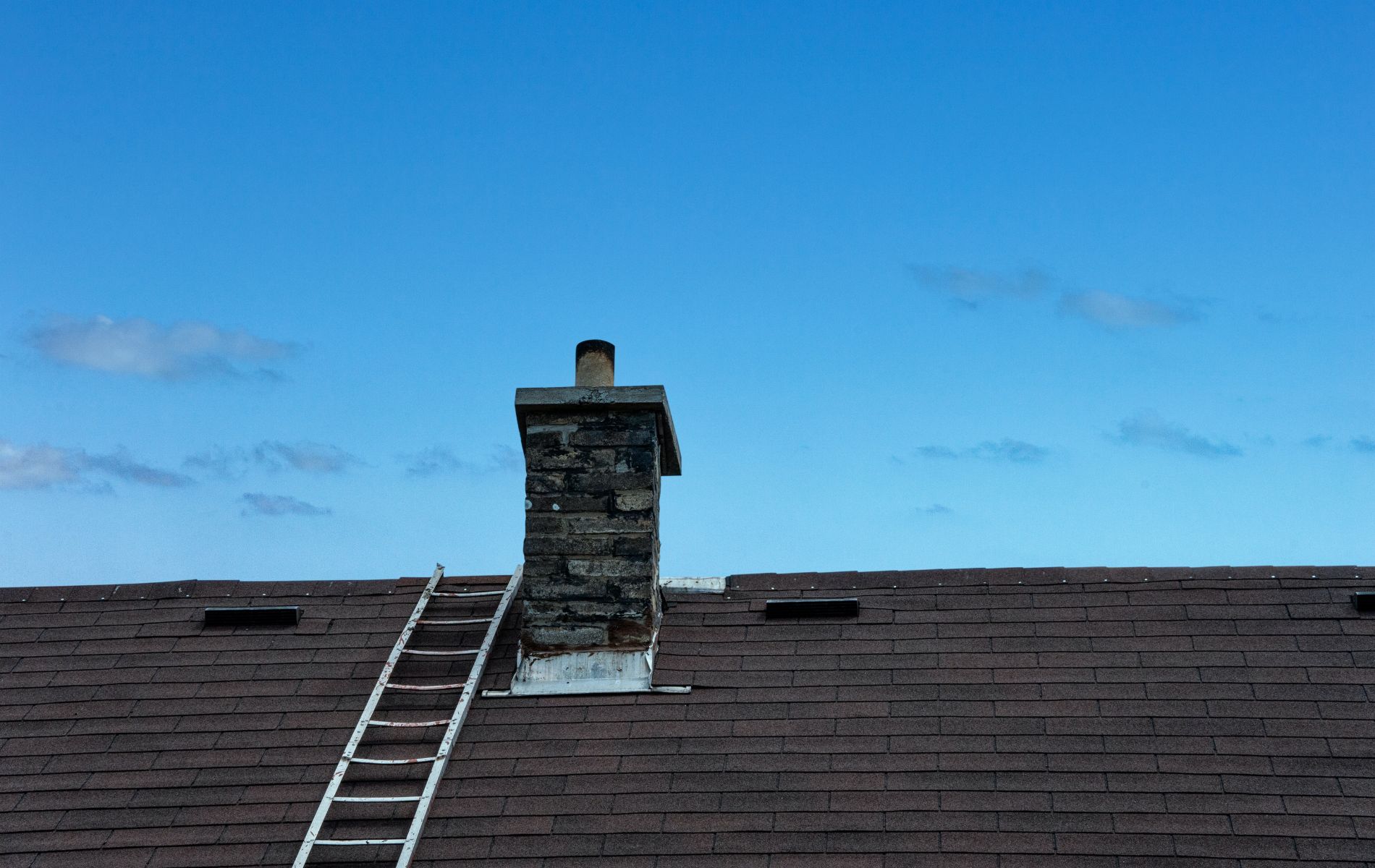
That’s the short version. The rest of this guide covers how to tell a repair situation from a rebuild situation, what materials actually hold up in Bronx weather, whether you need a permit, and what the process and cost typically look like.
Chimney Repair vs. Rebuild vs. Renovation — What’s the Difference?
These three terms get used interchangeably, but they describe different scopes of work:
| Term | What it means | Typical trigger |
|---|---|---|
| Repair | Fixing isolated damage — repointing mortar, patching a crack, replacing a few bricks | Localized spalling, minor mortar wear, small crown crack |
| Rebuild | Removing and reconstructing part or all of the stack, usually above the roofline | Widespread spalling, structural leaning, extensive mortar failure |
| Renovation | A rebuild plus deliberate changes to appearance or function — new facing material, added chimney cap style, liner upgrade | Homeowner wants both a structural fix and a design update |
If you read our guide on early warning signs of chimney damage, you already know the individual red flags — cracked brick, efflorescence, a leaning stack. What that guide doesn’t cover is the point where those signs mean “rebuild” rather than “repair,” which is what the next section addresses.
Signs Your Chimney Needs a Full Rebuild, Not Just a Repair
A professional inspection is the only reliable way to know for certain, but these are the conditions that typically push a job from repair into rebuild territory:
- Spalling across multiple courses of brick, not just a few isolated units — this usually means water has saturated a wider area than what’s visible from the ground.
- A visibly leaning or tilting stack, which points to footing failure or long-term internal deterioration rather than a surface problem.
- Mortar loss deep enough that bricks shift by hand, rather than just cracked or recessed joints.
- A crown that’s cracked through in multiple places or missing sections entirely, rather than a single hairline crack.
- A flue liner that’s cracked, shaling, or undersized for the appliance it vents, found during a camera inspection.
If your chimney shows one or two of these in a limited area, a repair is often enough. If it shows several, or the damage covers most of the visible stack, a rebuild tends to be the more cost-effective long-term choice — patching a chimney that needs a rebuild usually just delays a larger expense.
What a Professional Chimney Rebuild Includes
A rebuild is a more involved project than a repair, and it typically follows this sequence:
- Inspection and scope assessment — determining how much of the stack needs to come down versus what can be preserved, plus a camera inspection of the liner.
- Demolition of damaged masonry — removing brick and mortar down to sound, stable material, not just the visibly damaged sections.
- Foundation and structural check — confirming the base the chimney sits on is sound before rebuilding on top of it.
- Reconstruction of the stack — laying new brick or stone to match the original bond pattern and, where visible from the street, the surrounding masonry.
- Crown installation — pouring or installing a new concrete or mortar crown with proper overhang and slope to shed water.
- Liner installation or replacement — sizing and installing a liner appropriate to the appliance connected to it.
- Flashing installation — sealing the new stack to the roofline.
- Cap installation — fitting a cap sized to the flue to keep out rain, debris, and animals.
Not every rebuild touches all eight steps — a chimney with a sound foundation and liner might only need steps 2, 4, 5, and 7.
Choosing Materials for a Chimney Rebuild
This is where a rebuild becomes a renovation opportunity rather than just a repair. The main choices:
| Material | Look | Durability in NYC winters | Typical use case |
|---|---|---|---|
| Standard brick | Classic, matches most Bronx housing stock | Very good when properly mortared and capped | Matching existing rowhouse or prewar architecture |
| Natural stone | High-end, textured | Excellent, but heavier and pricier to install | Homes where stone is already part of the facade |
| Cultured/engineered stone | Mimics natural stone at lower weight and cost | Good, depends on manufacturer and installation | Budget-conscious renovation with a stone look |
| Stucco | Smooth, modern finish | Requires more maintenance in freeze-thaw climates | Homes with an existing stucco exterior |
For most Bronx rebuilds, matching the existing brick is both the most cost-effective option and the one that preserves resale value — an obviously mismatched chimney stands out on a block of prewar rowhouses in a way that isn’t always a plus. Where a homeowner wants a design change, cultured stone is the most common upgrade because it gets closer to a natural stone look without the structural weight considerations that come with real stone on an older foundation.
Chimney Liners: Why They Matter in a Rebuild
A rebuild is the natural time to address the liner, since it’s already been inspected as part of the scope assessment. The three common types:
- Clay tile — the traditional option, durable but can crack under thermal stress and is harder to repair in sections.
- Stainless steel — more resistant to cracking and corrosion, commonly used when relining an existing masonry chimney or upgrading during a rebuild.
- Cast-in-place — a poured liner that can reinforce an otherwise sound but oversized or deteriorating flue.
The right choice depends on the appliance connected to the chimney (wood-burning fireplace, gas appliance, oil boiler), the flue’s condition, and sizing — an oversized flue is a common cause of poor draft and condensation issues even after a rebuild is otherwise complete.
Chimney Caps and Crowns: Small Add-Ons With Big Impact
The crown and cap are the two components most responsible for keeping water out of a rebuilt chimney, and skipping or underspecifying either one undermines the rest of the work:
- The crown should overhang the brick by at least an inch or two and slope away from the flue to shed water, rather than sitting flush with the stack.
- The cap should be sized correctly for the flue opening and include mesh to block animals and debris without restricting draft.
Both are inexpensive relative to the overall rebuild cost, which makes it worth confirming they’re included rather than treated as an afterthought.
Do You Need a Permit to Rebuild a Chimney in NYC?
Yes, in most cases. According to the NYC Department of Buildings, a permit is required when work involves public safety and health, the structural integrity of the building, new structural loads, or new anchorages under the NYC Building Code, and this generally applies to chimney rebuilding work above minor repair. Ordinary repair and maintenance, by contrast, may not require a filing. nyc
Two additional things to check before starting a rebuild in the Bronx:
- Historic districts. If your property is in a designated historic district, chimney reconstruction may also require approval from the NYC Landmarks Preservation Commission, particularly if the chimney is visible from the street.
- Filing responsibility. A licensed contractor handling the permit filing removes this burden from the homeowner, but it’s worth confirming before work begins rather than after.
This is general guidance, not a substitute for a project-specific permit determination — actual filing requirements depend on your building’s classification, district, and the exact scope of work.
How Much Does a Chimney Rebuild Cost in the Bronx?
Costs scale with how much of the stack needs reconstruction, the material chosen, and access (a chimney requiring scaffolding on a multi-story attached building costs more to reach than one on a single-story detached home). For a full breakdown of what drives chimney replacement costs in New York City specifically, see our guide on what a full chimney replacement typically costs.
In general, a partial rebuild above the roofline costs less than a full teardown-and-rebuild, and a brick match costs less than a stone or cultured-stone upgrade — but the only way to get an accurate number for your specific chimney is an in-person inspection.
Common Mistakes to Avoid When Rebuilding a Chimney
- Rebuilding without addressing the cause of the original damage. If water was entering through failed flashing or a missing cap, a rebuild without fixing those components just resets the clock on the same problem.
- Skipping the liner inspection because the exterior looks fine. Exterior masonry and interior liner condition don’t always match — a chimney can look structurally sound outside while the liner is cracked or undersized.
- Choosing a facing material without checking weight and structural implications. Natural stone is significantly heavier than brick, which matters on older foundations not originally designed for that load.
- Skipping the permit step. Unpermitted structural work can create problems later — during a home sale, an insurance claim, or a future renovation — that cost more to resolve than the permit would have.
Chimney Maintenance After a Rebuild
A rebuild resets the clock on your chimney’s condition, but it doesn’t eliminate the need for upkeep:
- Schedule an annual inspection, ideally before heating season.
- Keep the cap and crown clear of debris.
- Watch for any new efflorescence or staining in the first few winters, which can indicate a flashing or crown issue introduced during construction rather than a resurfacing of the old problem.
- Keep gutters near the chimney chase clear, since overflow can saturate new masonry just as easily as old.
Frequently Asked Questions
How long does a chimney rebuild take?
A partial rebuild above the roofline typically takes a few days; a full teardown and reconstruction can take longer depending on material, height, and weather conditions during the work.
Can I match my new chimney to my home’s existing brick?
In most cases, yes — a mason can source brick close to the original color and size, or blend reclaimed brick with new material to minimize the visual difference, though an exact match to older, weathered brick isn’t always possible.
Do I need to replace the liner every time I rebuild the stack?
Not necessarily. If a camera inspection shows the existing liner is sound and correctly sized for the connected appliance, it can often be reused. If it’s cracked, shaling, or undersized, replacement is typically recommended as part of the same project.
Is a chimney rebuild worth it compared to just removing an unused chimney?
That depends on whether the chimney is still functional for a fireplace or appliance, and on its contribution to the home’s architecture and resale value. Homeowners with a purely decorative, non-functional chimney sometimes choose removal instead of rebuild — that’s a separate conversation worth having during the inspection.
Will a chimney rebuild pass a home inspection or appraisal?
A properly permitted rebuild with matching documentation is generally viewed favorably, since it demonstrates the structural issue was resolved rather than papered over — unpermitted work, by contrast, can raise questions during a sale.
When to Call RH Renovation NYC
Whether your chimney needs a full rebuild or just the repair steps covered in our warning signs guide, the right starting point is the same: a professional inspection that tells you exactly what you’re dealing with before you commit to a scope. RH Renovation NYC has been a GAF Master Elite® roofing contractor in the Bronx since 2004, and our chimney repair and rebuild services in the Bronx cover everything from repointing to full stack reconstruction, liner replacement, and material selection.
Get a free estimate or call (646) 818-4305 — licensed (DCWP #2118142 in the Bronx, #WC-35985-H22 in Westchester) and fully insured.