How to Choose the Best Roofing Material for Your Home in New York
Choosing the right roofing material is one of the most important decisions you can make when building, repairing, or replacing your home’s roof. The material you select affects how well your roof protects your property, how much maintenance it requires, its appearance, and how it performs through changing weather conditions.
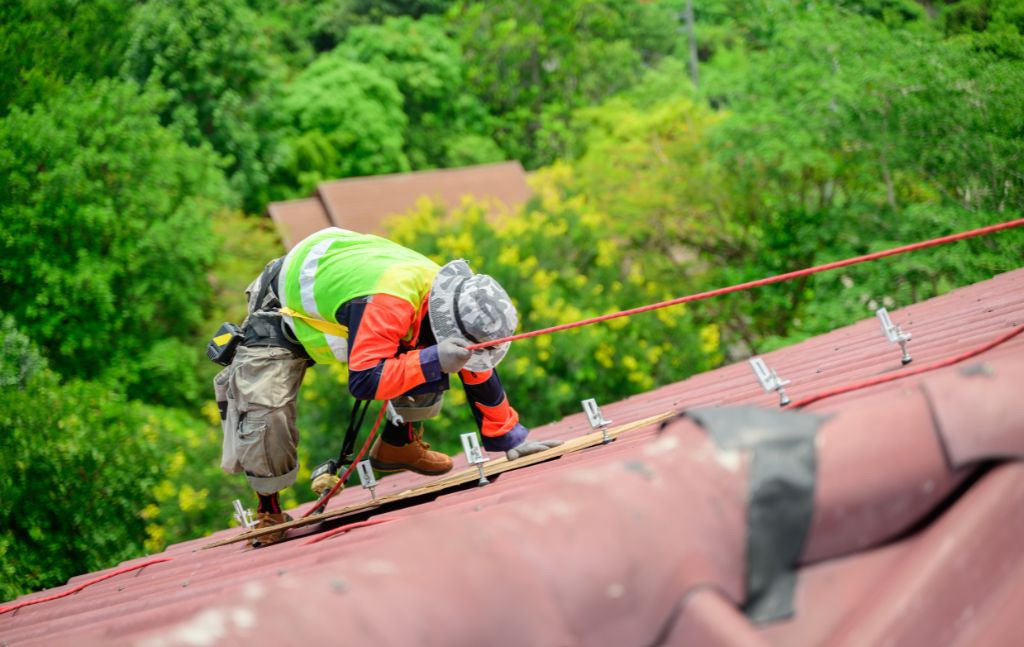
For homeowners in New York, choosing the best roofing material requires more than comparing prices. Snow, heavy rain, strong winds, summer heat, and repeated freeze-thaw cycles can place considerable stress on roofing systems. The right choice also depends on your roof’s slope, structural condition, architectural style, and long-term maintenance requirements.
Some homes are well suited to asphalt shingles, while others may benefit from metal roofing, slate, or specialized flat roofing systems. Each option has different installation requirements, performance characteristics, and costs.
At RH Renovation NYC, we help homeowners throughout the Bronx, Westchester, Queens, and Brooklyn understand their roofing options and make informed decisions about roof repair and replacement. In this guide, we’ll explain the most common roofing materials, their advantages and limitations, and what to consider before selecting a roofing system for your property.
What Should You Consider When Choosing Roofing Materials?
Before selecting a roofing material, evaluate your property’s specific requirements. A material that performs well on one home may not be appropriate for another.
Here are the most important factors to consider.
1. New York Weather Conditions
New York experiences a wide range of weather conditions throughout the year. Winter snow, ice, heavy rainfall, wind, humidity, and summer heat can all affect roofing performance.
Your roofing material should be suitable for these conditions and installed according to the manufacturer’s requirements.
For example, asphalt shingles can provide dependable protection on many residential pitched roofs when properly installed. Metal roofing can offer another option for homeowners looking for a durable roofing system. Flat roofs require appropriate waterproofing membranes, properly designed drainage, and correctly detailed seams and penetrations.
2. Roof Slope and Design
Not every roofing material works with every roof design.
Steeper roofs commonly use asphalt shingles, slate, metal panels, or other approved sloped roofing products. Low-slope and flat roofs generally require specialized systems such as EPDM, TPO, or modified bitumen.
Installing an unsuitable material can increase the risk of water infiltration and premature roofing problems.
Before choosing a product, have your roof’s slope and existing construction evaluated by an experienced roofing contractor.
3. Durability and Expected Lifespan
Roofing materials have different expected service lives. Some are designed for relatively economical replacement, while others can provide decades of performance when properly installed and maintained.
However, the manufacturer’s stated lifespan is not a guarantee. Actual performance depends on installation quality, weather exposure, ventilation, maintenance, and the condition of the underlying roof structure.
4. Installation and Long-Term Costs
The cheapest roofing material is not necessarily the most economical choice over time.
Consider the complete cost of the roofing project, including:
- Removal of existing roofing materials.
- Roof deck inspection and necessary repairs.
- Underlayment and waterproofing.
- Flashing and ventilation.
- Labor and installation complexity.
- Disposal and cleanup.
- Future maintenance requirements.
A professional estimate should explain the materials and installation work included rather than providing only a price per square foot.
5. Appearance and Architectural Style
Your roof contributes significantly to your home’s exterior appearance.
Traditional asphalt shingles are available in numerous colors and profiles. Metal roofing offers a distinctive appearance, while slate can complement historic and traditional architecture.
The selected material should work with your property’s design, exterior siding, trim, and surrounding neighborhood.
Comparing the Most Popular Roofing Materials
Understanding the differences between roofing materials makes it easier to narrow down your options.
Below are the most common choices for residential and commercial roofing projects.
1. Asphalt Shingles
Asphalt shingles are among the most widely used roofing materials for residential properties in the United States.
They are available in different styles, colors, and performance categories, making them suitable for many architectural designs.
Architectural shingles are particularly popular because they provide a dimensional appearance and can offer enhanced wind and weather performance compared with some basic three-tab products.
Advantages of asphalt shingles:
- Generally lower initial installation cost than premium roofing materials.
- Available in numerous colors and styles.
- Suitable for many pitched residential roofs.
- Individual damaged shingles can often be replaced.
- Widely available from roofing manufacturers.
- Relatively straightforward installation compared with more specialized systems.
Limitations of asphalt shingles:
- Can deteriorate with prolonged weather exposure.
- May lose granules as they age.
- Can experience wind damage if improperly installed or exposed to severe storms.
- Generally have a shorter service life than quality slate or some metal systems.
Asphalt shingles are often a practical choice for homeowners looking for a balance between appearance, initial cost, and reliable residential roof protection.
Before installation, the roof deck, ventilation, underlayment, and flashing should be inspected to ensure the complete roofing system is suitable.
2. Metal Roofing
Metal roofing is another option for homeowners seeking a durable roofing system.
Standing seam metal roofs are particularly recognized for their clean appearance and concealed fastening systems. Other metal roofing products use different panel profiles and fastening methods.
Depending on the material and coating, metal roofing can provide resistance to corrosion, weather exposure, and fire.
Advantages of metal roofing:
- Long potential service life.
- Available in different finishes and colors.
- Can shed snow effectively on appropriately designed slopes.
- Certain systems provide excellent resistance to wind and weather.
- Relatively low routine maintenance when properly installed.
- Can complement modern and traditional architectural styles.
Limitations of metal roofing:
- Higher initial installation costs for many systems.
- Requires appropriate fastening and flashing details.
- Expansion and contraction must be considered during installation.
- Damaged panels can require specialized repair.
- Rain noise can be noticeable depending on the roof assembly and insulation.
Metal roofing may be worth considering if you want a long-term roofing solution and your home’s structure and design are suitable for the selected system.
3. Slate Roofing
Slate is a natural stone roofing material known for its appearance and potential longevity.
It is often used on traditional, historic, and high-end residential properties.
Natural slate can last for many decades when the material is suitable, the supporting structure is properly designed, and installation is completed by qualified professionals.
Advantages of slate roofing:
- Exceptional potential longevity.
- Natural appearance with distinctive textures.
- Strong resistance to fire.
- Can complement traditional and historic architecture.
- Individual damaged slates may be replaceable.
Limitations of slate roofing:
- High material and installation costs.
- Considerable roof weight.
- Requires a structure capable of supporting the load.
- Specialized installation and repair expertise.
- Replacement materials may need careful matching.
Before selecting slate, have the roof structure evaluated. Its weight makes structural suitability especially important.
4. Wood Shingles and Wood Shakes
Wood roofing offers a natural appearance that can complement certain architectural styles.
Wood shingles are generally machine-cut for a more uniform appearance, while wood shakes typically have a thicker and more textured profile.
However, wood roofing requires careful consideration in areas where moisture, humidity, and fire exposure are concerns.
Advantages of wood roofing:
- Natural and distinctive appearance.
- Can complement traditional architectural designs.
- Provides a textured exterior finish.
- Available in different wood types and profiles.
Limitations of wood roofing:
- Requires appropriate maintenance.
- Can be vulnerable to moisture-related deterioration.
- May be susceptible to mold, rot, and insect damage.
- Fire performance and local code requirements must be considered.
- Not suitable for every property or location.
Before installing wood roofing in New York, check applicable building and fire requirements and the manufacturer’s installation recommendations.
5. Clay and Concrete Roof Tiles
Clay and concrete tiles are commonly associated with Mediterranean and other distinctive architectural styles.
Both materials can provide durable roof coverings, but their weight and installation requirements need careful evaluation.
Advantages of tile roofing:
- Attractive architectural appearance.
- Strong resistance to fire.
- Long potential service life.
- Available in different colors and profiles.
- Individual tiles can often be replaced.
Limitations of tile roofing:
- Heavy compared with many other roofing materials.
- May require structural reinforcement.
- Installation can be more expensive.
- Individual tiles may crack from impact.
- Not appropriate for every roof slope or structural design.
A structural assessment is important before installing tile roofing, particularly when replacing a lighter existing roof system.
6. Flat Roofing Materials: EPDM, TPO, and Modified Bitumen
Flat and low-slope roofs require a different approach from conventional pitched roofing.
These roofs are common on apartment buildings, commercial properties, extensions, and many residential buildings throughout New York City.
Unlike traditional shingles, flat roofing materials are designed to create a continuous waterproofing system with carefully detailed seams, flashing, penetrations, and drainage.
EPDM Roofing
EPDM is a synthetic rubber roofing membrane frequently used on low-slope and flat roofs.
Advantages:
- Flexible membrane material.
- Available in large sheets.
- Suitable for many low-slope roofing applications.
- Can provide long-term weather protection when properly installed.
- Repairable when localized damage occurs.
Limitations:
- Seams and penetrations require careful detailing.
- Punctures can create water infiltration problems.
- Installation quality significantly affects performance.
- Drainage must be properly designed.
TPO Roofing
TPO is a thermoplastic single-ply roofing membrane used on many commercial and residential low-slope roofs.
Advantages:
- Reflective white options can help reduce roof surface heat absorption.
- Heat-welded seams create a continuous membrane connection.
- Available in different thicknesses.
- Suitable for many commercial and flat roofing applications.
Limitations:
- Installation requires appropriate welding equipment and expertise.
- Seam quality must be carefully inspected.
- Compatibility with the existing roof assembly must be evaluated.
- Performance depends on correct installation and maintenance.
Modified Bitumen Roofing
Modified bitumen is an asphalt-based roofing system designed for low-slope applications.
It is commonly installed in multiple layers and can provide a durable waterproofing surface when properly designed.
Advantages:
- Established flat roofing technology.
- Available in different installation configurations.
- Can offer good resistance to weather exposure.
- Suitable for many low-slope applications.
- Repair and maintenance options are available.
Limitations:
- Installation methods require trained professionals.
- Some application methods involve heat or open-flame safety considerations.
- Seams and flashing details require attention.
- Surface condition and drainage affect performance.
Choosing between EPDM, TPO, and modified bitumen requires an evaluation of the existing roof, drainage, insulation, building use, and budget.
Roofing Materials Comparison: Which Option Is Right for Your Home?
The following table provides a general comparison of common roofing materials.
| Roofing Material | Typical Application | Main Advantage | Important Consideration |
|---|---|---|---|
| Asphalt shingles | Pitched roofs | Practical initial cost | Periodic replacement |
| Metal roofing | Pitched roofs | Long potential lifespan | Higher initial investment |
| Slate | Pitched roofs | Exceptional longevity | Weight and installation cost |
| Wood shakes | Pitched roofs | Natural appearance | Maintenance and fire requirements |
| Clay and concrete tiles | Pitched roofs | Distinctive appearance | Structural weight |
| EPDM | Flat and low-slope roofs | Flexible membrane | Seam and drainage quality |
| TPO | Flat and low-slope roofs | Reflective membrane options | Welding quality |
| Modified bitumen | Flat and low-slope roofs | Established waterproofing system | Installation requirements |
There is no single roofing material that is best for every property. The correct choice depends on your roof design, structural capacity, weather exposure, budget, and long-term maintenance expectations.
Which Roofing Material Is Best for New York Weather?
New York weather presents several challenges for residential and commercial roofing systems.
Choosing a material requires considering how the roof will perform through winter, summer, rainfall, and changing temperatures.
Roofing for Snow and Ice
Snow accumulation and ice formation can place additional stress on roofing systems.
Metal roofs with appropriate slopes can shed snow, although snow guards and other safety measures may be necessary depending on the property.
Asphalt shingles can also perform well in winter when installed according to manufacturer specifications and with appropriate ice protection details.
Proper attic ventilation, insulation, and ice barrier installation are important considerations for many pitched roofs.
Roofing for Heavy Rain
Heavy rainfall makes effective water management essential.
Pitched roofs rely on properly installed shingles or other roof coverings, underlayment, flashing, gutters, and downspouts.
Flat roofs require carefully designed drainage systems, properly installed membranes, and detailed roof penetrations.
Standing water on a flat roof should not be ignored. Persistent ponding may indicate drainage or structural concerns that need professional assessment.
Roofing for Wind Exposure
Strong winds can lift roofing materials, damage flashing, and compromise poorly secured roof components.
The appropriate wind rating, fastening method, installation pattern, and edge details should be considered when selecting roofing products.
Always check the manufacturer’s tested performance and applicable building requirements rather than assuming all products within a material category perform identically.
Roofing for Temperature Changes
Repeated temperature changes can affect roofing materials, flashing, sealants, and fastening systems.
Proper installation details and material compatibility are important for maintaining a roof’s performance through seasonal changes.
Best Roofing Material for Different Types of Properties
The most suitable material also depends on the property’s architectural design and intended use.
Single-Family Residential Homes
Asphalt shingles are a common choice for pitched residential roofs because they offer a range of styles and price points.
Metal and slate may also be suitable when the homeowner prefers a different appearance or longer-term roofing investment.
Brownstones and Traditional NYC Properties
Many traditional properties have architectural features that influence roofing decisions.
The roof’s appearance, existing construction, local requirements, and historic considerations should be evaluated before choosing a replacement material.
Multi-Family Residential Buildings
Multi-family properties may have flat or low-slope roof sections.
EPDM, TPO, and modified bitumen are potential options depending on the existing roof assembly, building requirements, drainage, and maintenance needs.
Commercial Buildings
Commercial roofing selection depends on the building’s use, roof size, equipment, foot traffic, insulation requirements, and drainage design.
A professional evaluation helps determine which membrane or roofing system is appropriate.
How Does Roof Slope Affect Your Roofing Material Choice?
Roof slope is one of the most important technical factors when selecting roofing materials.
A pitched roof allows water to flow toward the eaves, making it suitable for many traditional roofing products.
Low-slope roofs have different drainage characteristics and generally require specialized waterproofing systems.
Before choosing a roofing material, your contractor should evaluate:
- Existing roof pitch.
- Roof deck condition.
- Drainage and water flow.
- Flashing around chimneys and roof penetrations.
- Ventilation requirements.
- Manufacturer-approved installation methods.
Using a material outside its approved slope range can compromise water protection and potentially affect product warranties.
How Much Does Roofing Material Choice Affect Installation Costs?
Roofing material selection has a direct impact on the total cost of a replacement project.
However, material price is only one part of the estimate.
The overall project cost may include:
- Roofing material and underlayment.
- Removal and disposal of existing roofing.
- Decking repairs or replacement.
- Flashing and waterproofing.
- Ventilation and insulation improvements.
- Labor and installation complexity.
- Access equipment and property protection.
Asphalt shingles are generally less expensive to install initially than premium slate or many metal roofing systems. Flat roofing costs vary according to membrane type, thickness, insulation, existing roof conditions, and installation method.
For a more detailed breakdown, see our guide to average roof installation costs in New York.
The best approach is to compare complete roofing proposals with clearly defined materials, preparation work, installation details, and warranty information.
What Should You Ask a Roofing Contractor Before Choosing a Material?
Before committing to a roofing replacement, ask your contractor questions that help you understand the complete roofing system.
Consider asking:
- Which roofing materials are appropriate for my roof slope?
- Does my existing roof deck need repairs?
- What underlayment and flashing products will be installed?
- How will the roofing system handle heavy rain and winter weather?
- What ventilation or insulation improvements are recommended?
- What maintenance should I expect?
- What manufacturer and workmanship warranties are available?
- Are the proposed materials suitable for local building requirements?
A trustworthy contractor should explain the advantages and limitations of the proposed system rather than recommending a product based only on price.
Why Professional Roof Installation Matters
Even high-quality roofing materials can fail prematurely when installation is not completed correctly.
Problems such as inadequate flashing, improperly fastened shingles, poorly sealed membrane seams, insufficient ventilation, and inadequate drainage can allow moisture to enter the roofing assembly.
Professional installation helps ensure that the roofing system is selected and installed according to the product specifications and applicable building requirements.
RH Renovation NYC has served homeowners and property owners since 2004, providing roofing and exterior improvement services throughout the Bronx, Queens, Brooklyn, and Westchester.
As a GAF Master Elite® roofing contractor, RH Renovation NYC works with homeowners to evaluate roofing needs, understand available material options, and plan appropriate roofing solutions.
Our roofing services include shingle roofing, flat roofing, roof repair, and roof replacement.
Whether you are replacing an aging asphalt shingle roof or evaluating a flat roofing system, selecting the right material and installation approach can help protect your property for years to come.
Frequently Asked Questions About Choosing Roofing Materials
1. What is the best roofing material for a house?
The best roofing material depends on your home’s design, roof slope, structural capacity, budget, and local weather conditions. Asphalt shingles are a practical option for many pitched residential roofs, while metal and slate may suit homeowners seeking different performance characteristics. Flat roofs generally require specialized membrane systems such as EPDM, TPO, or modified bitumen.
2. Which roofing material lasts the longest?
Natural slate can last for many decades when properly installed and maintained. Some metal roofing systems can also offer long service lives. Actual longevity depends on product quality, installation, weather exposure, and maintenance.
3. Are metal roofs better than asphalt shingles?
Metal roofing can offer a longer potential service life than many asphalt shingle products, but it generally has a higher initial installation cost. Asphalt shingles are widely available and can be more economical for many residential projects. The better option depends on your property’s needs and long-term plans.
4. What is the best roofing material for New York weather?
Several materials can perform well in New York when correctly selected and installed. Asphalt shingles and metal roofing are common options for pitched roofs, while EPDM, TPO, and modified bitumen are used for many flat roofs. Snow protection, wind resistance, drainage, and proper installation details are essential.
5. What is the best material for a flat roof?
EPDM, TPO, and modified bitumen are commonly used flat roofing systems. Each has different installation requirements and performance characteristics. The most appropriate choice depends on roof condition, drainage, insulation, building use, and budget.
6. Is slate roofing worth the extra cost?
Slate may be worth considering for properties where long-term durability and architectural appearance are priorities. However, it has a higher initial cost and requires a roof structure capable of supporting its weight. Installation also requires specialized expertise.
7. Can you install metal roofing over existing shingles?
In some situations, metal roofing may be installed over existing shingles if the roofing system, structure, manufacturer instructions, and applicable building requirements permit it. However, removing the existing roof may be preferable when there is underlying damage, moisture, or an unsuitable roof assembly. A professional inspection is necessary before deciding.
8. How do I know when my roof needs replacement?
Common warning signs include recurring leaks, widespread shingle deterioration, missing roofing materials, damaged flashing, visible membrane deterioration, and repeated repairs. The roof’s age and overall condition should also be considered. A professional inspection can help determine whether repair or replacement is more appropriate.
9. Does roofing material affect home energy efficiency?
Yes. Roofing material, color, reflectivity, insulation, ventilation, and the complete roof assembly can influence heat transfer. Reflective roofing products may help reduce roof surface temperatures, but overall energy performance depends on more than the exterior material alone.
10. Should I repair or replace my existing roof?
The decision depends on the extent of the damage, the roof’s age, the condition of the underlying structure, and the cost of necessary repairs. Localized damage may be repairable, while widespread deterioration or recurring leaks may indicate that replacement is a better long-term option.
Choose the Right Roofing System with RH Renovation NYC
Selecting the best roofing material is about finding the right balance between durability, appearance, installation requirements, and long-term value.
Asphalt shingles, metal, slate, and flat roofing membranes each have advantages, but not every material is suitable for every property.
Before making a decision, consider your roof’s slope, structural condition, weather exposure, and maintenance requirements. A professional inspection can help identify the most appropriate roofing system for your home or building.
RH Renovation NYC has been helping property owners throughout the Bronx, Queens, Brooklyn, and Westchester since 2004.
As a GAF Master Elite® roofing contractor, we provide professional roofing solutions backed by experience in residential and commercial exterior improvement projects.
Planning a roof replacement or need help choosing the right roofing material?
Contact RH Renovation NYC at (646) 818-4305 or email info@rhrenovationnyc.com to discuss your roofing project and request a free estimate.
Protect your property with a roofing system selected for your building’s needs and installed with attention to quality and detail.