How to Choose the Right Roof Shingles for Your Westchester Home
Choosing the right roof shingles is an important decision when planning a roof installation or replacement in Westchester County, NY. Your roofing material affects more than the appearance of your home. It also influences weather protection, maintenance requirements, long-term performance, and the overall cost of your roofing project.
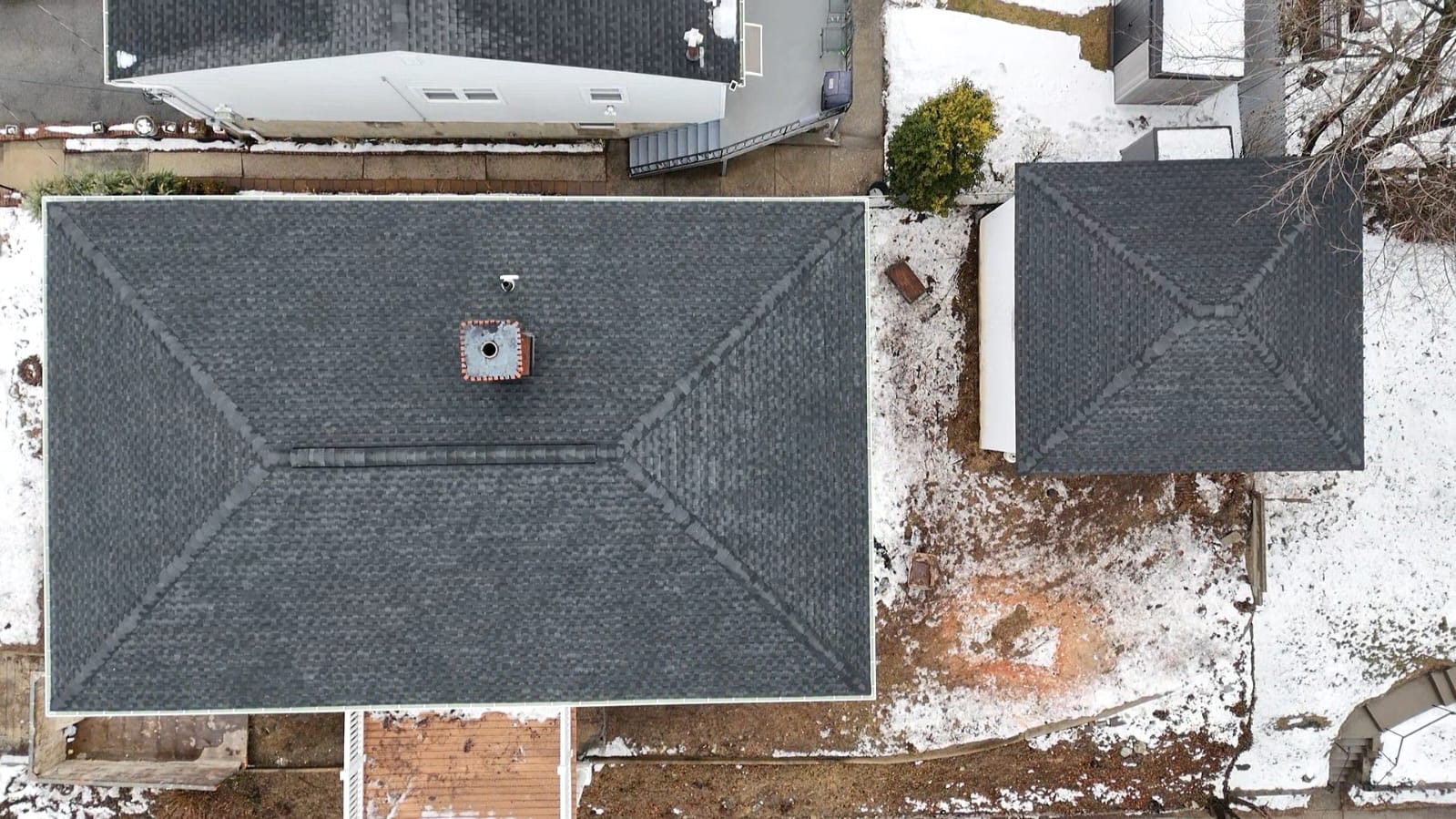
Westchester homes experience changing seasonal conditions, including cold winters, snow, ice, heavy rain, wind, and warm summer temperatures. A roofing system must be suitable for these conditions while also matching the structure, roof pitch, and architectural style of the property.
With several options available, homeowners often find it difficult to decide between traditional asphalt shingles, architectural shingles, metal roofing, slate, and other materials. Each has different characteristics, installation requirements, and price considerations.
The best choice depends on your home’s structure, your budget, the expected maintenance, and how long you plan to stay in the property.
At RH Renovation NYC, we have been serving property owners since 2004. As a GAF Master Elite® roofing contractor, we understand the importance of selecting suitable roofing materials and installing them as part of a complete roofing system.
If you are comparing roofing options for your property, you can also explore our roof repair and replacement services in Westchester County.
In this guide, we’ll explain the main types of roof shingles, compare their benefits and limitations, and help you understand what to consider before choosing shingles for your Westchester home.
Why Choosing the Right Roof Shingles Matters in Westchester
Westchester County has a varied housing landscape, from traditional homes and older properties to newer residential construction. These buildings can have different roof slopes, structural requirements, architectural styles, and exposure to weather.
A roofing material that works well on one property may not be the right choice for another.
For example, a homeowner replacing an asphalt shingle roof may want a similar material with improved appearance and performance. Another property owner may be considering a heavier roofing material such as natural slate, which requires careful evaluation of the roof structure.
Westchester’s seasonal weather also makes installation quality important.
During winter, snow and ice can expose weaknesses around roof edges, valleys, flashing, and drainage areas. Heavy rainfall can reveal problems with underlayment or roof penetrations, while wind can damage shingles that are not properly selected or installed.
When comparing roofing shingles, consider:
- Resistance to wind and severe weather.
- Suitability for the roof’s slope and structure.
- Expected service life under normal conditions.
- Appearance and compatibility with the home.
- Maintenance and repair requirements.
- Initial material and installation costs.
- Available manufacturer and workmanship warranties.
Choosing the right shingles is only one part of the decision. The underlayment, flashing, ventilation, roof decking, and installation methods also contribute to the performance of the finished roof.
5 Common Types of Roof Shingles and Roofing Materials
Before selecting a roofing system, understand the differences between the main materials available.
1. Three-Tab Asphalt Shingles
Three-tab asphalt shingles are a traditional roofing option made with a reinforcing base, asphalt, and protective mineral granules.
They have a flat, uniform appearance. Each shingle is designed with cutouts that create the look of three separate tabs after installation.
Advantages of three-tab shingles:
- Generally lower initial material cost than architectural shingles.
- Simple and consistent appearance.
- Relatively lightweight.
- Available in several common colors.
- Familiar installation and repair methods.
Limitations:
- Less dimensional appearance than architectural shingles.
- Generally lower wind-resistance ratings than many modern architectural products.
- May have shorter warranty coverage.
- Fewer premium design options.
Three-tab shingles may suit homeowners working with a tighter budget, provided the product is appropriate for the property and meets applicable installation requirements.
However, they are not automatically the best long-term value. Compare the product’s wind rating, warranty, and expected service life before making a decision.
2. Architectural Asphalt Shingles
Architectural shingles, also called dimensional or laminate shingles, are among the most popular choices for residential roofing.
Unlike traditional three-tab shingles, architectural shingles have a layered construction that creates a thicker, more textured appearance.
They are available in different colors and profiles, allowing homeowners to complement traditional, contemporary, and other architectural styles.
Advantages of architectural shingles:
- More dimensional appearance.
- A broad selection of colors and styles.
- Product options with higher wind-resistance ratings than many traditional three-tab shingles.
- Multiple warranty options depending on the manufacturer and product.
- Practical suitability for many pitched residential roofs.
Limitations:
- Higher initial cost than basic three-tab products.
- Performance varies between product lines.
- Installation must follow the manufacturer’s requirements to maintain applicable warranty coverage.
For many Westchester homeowners, architectural asphalt shingles are a practical balance between appearance, material cost, and performance.
If you are considering this option for your property, learn more about RH Renovation NYC’s shingle roof installation service in Westchester.
Not all architectural shingles have identical specifications. Compare the exact product, wind rating, warranty terms, and installation requirements rather than choosing based only on the product category.
3. Premium and Designer Asphalt Shingles
Premium or designer shingles are designed to create a more distinctive roof appearance.
Some products imitate the look of natural slate or wood shakes while retaining the construction characteristics of manufactured roofing materials.
They may offer:
- More detailed surface textures.
- Distinctive color blends.
- Different profiles and shadow effects.
- Product-specific wind and impact-resistance ratings.
- Higher-end appearance for certain architectural styles.
These shingles generally cost more than standard architectural products.
Before choosing a premium option, ask the contractor whether the product is suitable for your roof structure, whether additional installation requirements apply, and what warranty coverage is available.
4. Metal Shingles and Metal Roofing
Metal roofing is another option for homeowners looking beyond traditional asphalt shingles.
Metal shingles are manufactured in individual profiles designed to resemble conventional shingles, slate, or other roofing materials. Standing-seam metal roofing is a different system that uses long panels with raised seams.
These products should not be treated as interchangeable.
Advantages of metal roofing:
- Durable material options.
- Relatively low maintenance when correctly installed.
- Lightweight compared with some traditional heavy roofing materials.
- Recyclability for many metal products.
- Available in several styles and finishes.
Limitations:
- Higher initial installation cost in many cases.
- Requires appropriate detailing around roof penetrations and edges.
- Repairs may require specialized materials or installation knowledge.
- Performance depends on the panel or shingle system and the quality of installation.
Metal roofing may be worth considering if you want a different appearance or a roofing system with a longer expected service life.
Ask for the manufacturer’s specifications, coating information, warranty terms, and details about the complete installation system.
5. Natural Slate and Synthetic Slate
Slate roofing is known for its distinctive appearance and long service potential.
Natural slate is a stone material available in different colors, textures, and thicknesses. It is often selected for traditional and high-end residential properties.
Advantages of natural slate:
- Distinctive natural appearance.
- Long service potential when properly selected and installed.
- Resistance to many common forms of weather exposure.
- Individual damaged pieces can sometimes be replaced.
Limitations:
- Higher material and installation costs.
- Significant weight compared with asphalt shingles.
- Requires an appropriately designed roof structure.
- Installation and repair require specialized experience.
Synthetic slate is manufactured to imitate the appearance of natural slate. Depending on the product, it may be lighter and easier to install than natural stone.
However, synthetic products vary considerably. Review the manufacturer’s specifications, expected performance, fire classification, and warranty before choosing one.
Natural and synthetic slate should not be assumed to have the same properties.
Architectural Shingles vs. Three-Tab Shingles: Which Is Better?
This is one of the most common comparisons homeowners make when planning a roof replacement.
Both products are asphalt-based roofing options, but their construction, appearance, and available specifications differ.
| Feature | Three-tab shingles | Architectural shingles |
|---|---|---|
| Appearance | Flat and uniform | Layered and dimensional |
| Construction | Traditional single-layer profile | Laminated construction |
| Initial cost | Generally lower | Generally higher |
| Wind resistance | Varies by product; often lower | Many products offer higher ratings |
| Color selection | Common options | Often broader and more varied |
| Warranty | Product-specific | Product-specific, often with additional options |
Architectural shingles are often a better choice for homeowners seeking a more dimensional appearance and access to products with stronger performance specifications.
Three-tab shingles may still be appropriate when initial cost is a major consideration.
The right decision should be based on the manufacturer’s product data, roof conditions, installation requirements, and your budget.
How Westchester Weather Affects Roofing Shingle Selection
Weather is an important consideration when choosing shingles for a home in Westchester County.
Different roofing products have different performance characteristics, and the complete roofing system must be designed to manage seasonal conditions.
Snow and Ice
Snow accumulation and freezing temperatures can create additional demands on a roofing system.
Ice dams may form when heat escaping from the attic melts snow on the upper portion of the roof. The water can travel toward colder eaves and refreeze, potentially creating a barrier that prevents proper drainage.
Shingles alone cannot prevent ice dams.
A properly designed roof system should consider:
- Suitable attic insulation.
- Balanced attic ventilation.
- Appropriate ice-and-water protection.
- Correct roof-edge and valley detailing.
- Proper drainage and flashing.
When replacing an older roof, ask the contractor to evaluate the existing ventilation and insulation conditions rather than focusing only on the visible shingles.
For a real example of how roofing preparation and protective details fit into an installation, see this Westchester shingle roof installation project.
Wind and Storm Exposure
Wind can lift or damage shingles when the roofing system is poorly installed, deteriorated, or unsuitable for the property’s exposure.
When comparing products, review their tested wind-resistance ratings and installation requirements.
Proper fastening is essential. Nail placement, fastening quantity, shingle exposure, and installation pattern must follow the manufacturer’s instructions.
The roof edges, ridges, valleys, and other vulnerable areas also need appropriate detailing.
Rain and Moisture
Heavy rainfall can expose weaknesses in roof valleys, flashing, underlayment, and penetrations.
Chimneys, skylights, plumbing vents, and roof-to-wall transitions deserve particular attention during an inspection.
The shingles are the visible outer layer, but the underlying waterproofing details are essential to the roof’s overall performance.
Summer Heat and Attic Ventilation
Warm weather can place additional demands on roofing materials, particularly when attic ventilation is inadequate.
A contractor should check whether the attic has an appropriate ventilation arrangement for the roof design.
Do not assume that installing new shingles alone will resolve attic heat or moisture problems.
7 Factors to Consider Before Choosing Roof Shingles
Comparing materials is useful, but your final decision should also account for the specific conditions of your property.
1. Roof Pitch and Structure
The roof’s slope affects which materials and installation systems are suitable.
Some roofing products have minimum slope requirements, while low-slope roofs generally require specialized roofing systems rather than conventional shingles.
If your property has multiple roof sections with different slopes, the contractor should assess each section separately.
2. Roof Deck Condition
The roof deck provides the surface that supports the roofing system.
If the existing decking has rot, water damage, or weakened sections, those problems should be addressed before new shingles are installed.
Ask whether the estimate includes deck inspection and how replacement of damaged sections will be priced.
3. Weight of the Roofing Material
Roofing materials differ in weight.
Asphalt shingles are generally lighter than natural slate, and some synthetic products are designed as lighter alternatives to traditional heavy materials.
Before installing slate or another heavy roofing product, a qualified professional should evaluate whether the existing structure can support the proposed system.
Never choose a roofing material based on appearance alone.
4. Color and Architectural Style
Roof color can influence the appearance of your entire property.
Consider the home’s siding, brickwork, trim, windows, and surrounding landscape when comparing colors.
Architectural shingles are available in a range of color blends, while premium products may offer more distinctive profiles.
Ask to review actual product samples rather than relying entirely on small images displayed online.
5. Maintenance Requirements
Different roofing materials have different maintenance needs.
Asphalt shingles should be inspected periodically for missing, cracked, curling, or damaged pieces.
Metal roofing should be checked for damaged panels, loose fasteners where applicable, and issues around flashing or penetrations.
Slate systems may require specialist inspection and repair.
Ask the contractor what routine maintenance is appropriate for the specific product you are considering.
6. Budget and Long-Term Value
The cheapest roofing material is not necessarily the least expensive option over the long term.
Consider the initial installation cost alongside expected service life, maintenance, repair requirements, and warranty coverage.
A higher-priced product may be worthwhile if it provides benefits that matter to your property and long-term plans.
However, do not pay for premium features you do not need. The best roofing choice is one that fits your home’s requirements and your budget.
7. Manufacturer and Workmanship Warranties
Roofing warranties are not all the same.
A manufacturer warranty generally covers specified product defects under its terms and conditions.
A workmanship warranty is provided by the roofing contractor and addresses covered installation-related issues.
Before signing a contract, ask:
- What manufacturer warranty applies to the selected shingles?
- Are there registration requirements?
- Does the installation need to meet specific manufacturer standards?
- What workmanship coverage does the contractor provide?
- What exclusions and maintenance obligations apply?
- Are enhanced warranty options available?
If you are considering GAF products, ask whether the contractor is authorized to offer the particular GAF warranty option associated with the proposed roofing system.
Request the actual warranty documentation and review its conditions.
How Much Does It Cost to Install Roof Shingles in Westchester?
The cost of a shingle roof installation in Westchester depends on several factors. There is no single price that applies to every home because roof size, design, materials, and existing conditions can vary significantly.
Important cost factors include:
Roof size: Larger roofs require more materials and labor.
Roof pitch: Steeper roofs may require additional safety measures, equipment, and installation time.
Material selection: Three-tab, architectural, and premium shingles have different material costs.
Existing roof removal: Removing and disposing of old roofing can affect the total project price.
Decking repairs: Damaged or weakened roof sheathing may need replacement before new materials are installed.
Underlayment and ice protection: The type and quantity of protective membranes can affect the estimate.
Flashing and roof penetrations: Chimneys, skylights, valleys, and roof-to-wall transitions may require additional work.
Ventilation improvements: Changes to ridge vents, soffit ventilation, or other components can affect project scope.
When comparing estimates, make sure each contractor is quoting the same roofing materials and a similar installation scope.
A low estimate may exclude important preparation work or necessary repairs.
If your existing shingles are damaged or nearing the end of their service life, explore our roof repair and replacement services in Westchester County to understand the available roofing options.
For a more accurate price, arrange a professional roof inspection and request a written estimate that identifies the materials, labor, and additional work included.
What to Check Before Hiring a Shingle Roofing Contractor
Choosing suitable shingles is only half the decision. The contractor’s installation quality is equally important.
Before hiring a roofing company, check the following:
- Licensing: Confirm that the contractor has the appropriate credentials for the work and location.
- Insurance: Request current insurance documentation and verify the coverage.
- Local experience: Ask about roofing projects completed on properties similar to yours.
- Material specifications: Make sure the estimate identifies the exact shingle manufacturer and product.
- Installation details: Confirm that underlayment, flashing, fastening, and ventilation are addressed.
- Written estimate: Review the complete scope, payment terms, and additional-work process.
- Warranty information: Understand both manufacturer and workmanship coverage.
- References and reviews: Look for feedback from previous customers and relevant project examples.
Do not select a contractor based on price alone. A properly installed roofing system requires suitable materials, preparation, and attention to detail.
You can also review the RH Renovation NYC roofing FAQs for additional information about roofing services, warranties, licensing, and service areas.
Why Consider RH Renovation NYC for Shingle Roofing in Westchester?
Selecting shingles is an important part of a successful roof replacement, but the complete installation process determines how the roofing system performs.
RH Renovation NYC has been serving property owners since 2004, providing roofing and exterior improvement services across Westchester, the Bronx, Queens, and Brooklyn.
As a GAF Master Elite® roofing contractor, RH Renovation NYC works with roofing systems designed for residential properties and varying roof conditions.
Our Westchester shingle roofing work includes a published residential installation project in which the existing roof was removed, the decking inspected, protective underlayment and ice-and-water protection installed, and GAF architectural shingles fitted according to manufacturer specifications.
The project also addressed flashing details and roof ventilation, illustrating why a shingle roof should be treated as a complete system rather than just a surface covering.
You can view our Westchester shingle roof installation project to see an example of completed roofing work.
When planning a new shingle roof, the right approach depends on the existing roof condition, property design, material selection, and installation requirements.
RH Renovation NYC provides roofing services including:
- Asphalt shingle roof installation.
- Shingle roof replacement.
- Roof repair and leak diagnosis.
- Flat roof installation and replacement.
- Chimney and roof flashing services.
- Gutter installation and repair.
- Skylight and exterior improvement services.
If you are comparing roofing materials for your Westchester home, our team can discuss suitable options and help you understand the work involved.
Learn more about our shingle roof installation service in Westchester.
You can also visit RH Renovation NYC’s homepage to learn more about the company’s roofing and exterior improvement services.
Frequently Asked Questions About Choosing Roof Shingles in Westchester
1. What are the best roof shingles for homes in Westchester?
Architectural asphalt shingles are a practical option for many Westchester homes because they offer a range of styles, product specifications, and warranty options. However, the best material depends on the roof structure, budget, architectural style, and expected performance.
2. Are architectural shingles better than three-tab shingles?
Architectural shingles have a thicker, dimensional construction and many products offer higher wind-resistance ratings than traditional three-tab shingles. They generally cost more, so homeowners should compare the specifications and warranty of the exact products being considered.
3. How long do asphalt roof shingles last?
The service life of asphalt shingles depends on the product, installation quality, ventilation, weather exposure, and maintenance. Different products have different expected service lives, so homeowners should review manufacturer specifications instead of relying on one lifespan estimate for all shingles.
4. Are metal shingles a good choice for Westchester homes?
Metal shingles can be a suitable option for some Westchester properties. They offer different design and durability characteristics from asphalt shingles, but typically involve a higher initial installation cost. The exact product, roof structure, and installation system should be evaluated before choosing metal roofing.
5. Can I install new shingles over my existing roof?
Whether a new shingle layer can be installed over an existing roof depends on the roof’s current condition, the number of existing layers, local requirements, and manufacturer instructions. A full tear-off is often preferable because it allows the contractor to inspect the decking and identify hidden damage.
6. Do I need architectural shingles for a Westchester home?
No. Architectural shingles are a popular option, but they are not mandatory for every property. Three-tab shingles and other roofing materials may be appropriate depending on the roof design, budget, and product requirements.
7. What causes ice dams on shingle roofs?
Ice dams can form when heat escaping from an attic melts snow on the upper roof and the water refreezes near colder roof edges. Proper attic insulation, ventilation, drainage, and appropriate ice-and-water protection can help reduce the risk.
8. Does shingle color affect roof performance?
Color can influence how much solar energy a roofing surface absorbs, but overall roof performance also depends on the product design, ventilation, insulation, and attic conditions. Review the manufacturer’s product information when comparing colors and energy-related features.
9. What should a shingle roof installation estimate include?
A detailed estimate should identify the roofing product, removal and disposal of old materials, underlayment, flashing, decking repair allowances, ventilation work, labor, cleanup, project schedule, payment terms, and warranty information.
10. How do I know when my roof needs replacement?
Common warning signs include widespread cracked or curling shingles, missing shingles, significant granule loss, recurring leaks, damaged flashing, and visible roof deck deterioration. A professional inspection can help determine whether repair or replacement is more appropriate.
For more answers about roofing work, you can also visit our roofing frequently asked questions page.
Choose the Right Shingles for Your Westchester Home
The right roofing shingles should complement your home, suit the roof structure, and provide appropriate protection for local weather conditions.
For many homeowners, architectural asphalt shingles offer a practical combination of appearance, material options, and performance. Other properties may benefit from premium shingles, metal roofing, or slate, depending on their structure and budget.
Before making a decision, compare the product specifications, understand the installation requirements, and review the complete roofing estimate.
RH Renovation NYC has been serving Westchester and surrounding communities since 2004. As a GAF Master Elite® roofing contractor, we help property owners explore roofing options and plan installation and replacement projects.
If you are considering a new shingle roof, explore our Westchester roofing services or learn more about our shingle roof installation service.
You can also visit RH Renovation NYC to learn more about our company and services.
Call (646) 818-4305 or email info@rhrenovationnyc.com to discuss your roofing project and request a free estimate.