What Are The Most Common Causes Of Flat Roof Damage In New York City Buildings
Common Causes of Flat Roof Damage in New York City Buildings
Flat roofs are a staple in New York City architecture. They offer cost-effective solutions and maximize space. However, they come with their own set of challenges.
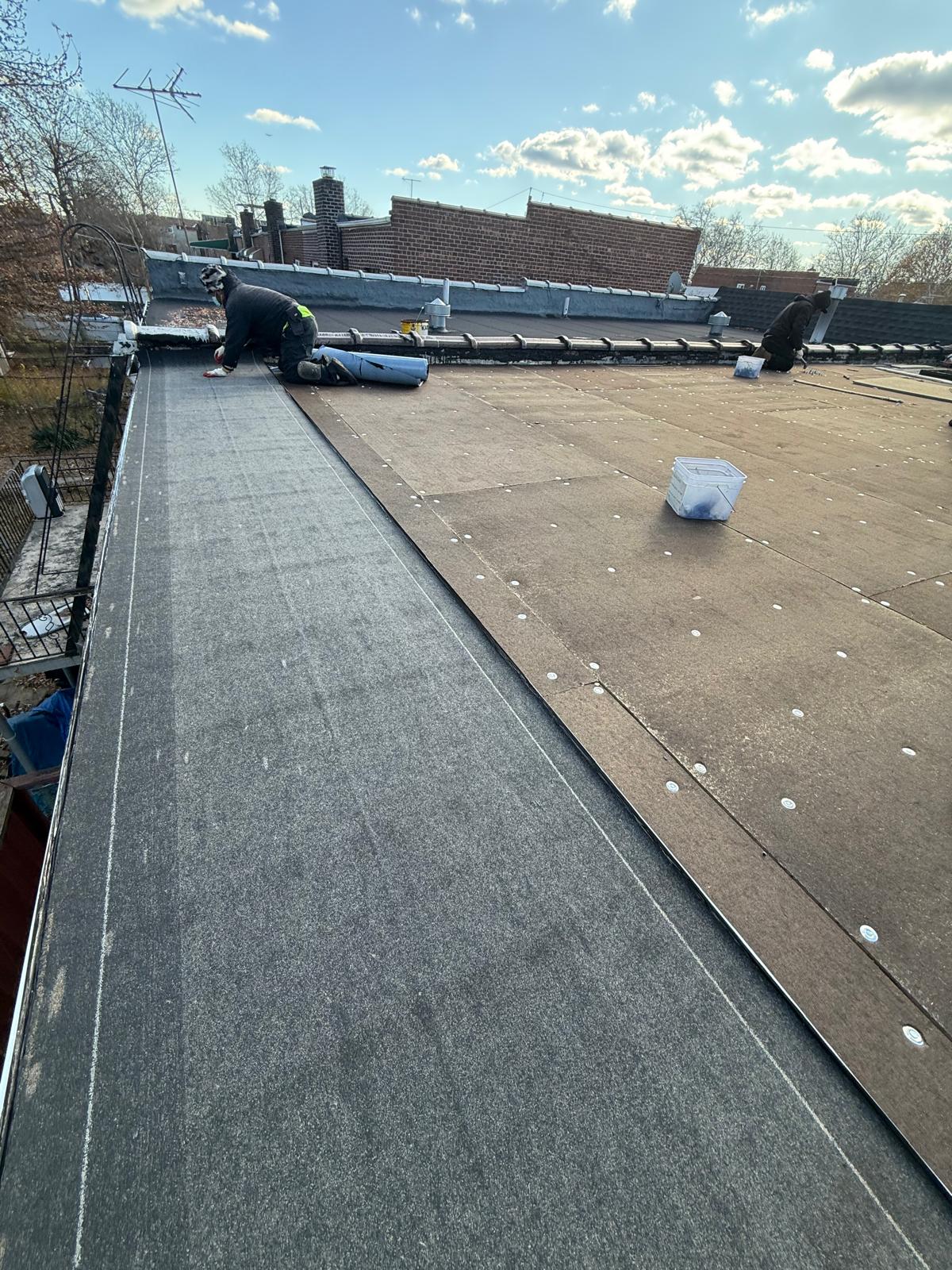
Understanding the causes of flat roof damage is crucial. It helps in maintaining the integrity of buildings. This knowledge can save property owners from costly repairs. What are the most common causes of flat roof damage in New York City buildings? In practice, recurring culprits include water pooling, weather extremes, installation issues, and heavy foot traffic.
Water pooling is a major concern. It leads to leaks and structural issues. Poor drainage systems often exacerbate this problem.
Weather conditions in New York City are harsh. Heavy snow, rain, and UV exposure accelerate roof deterioration. These factors demand regular maintenance and inspections.
Improper installation and substandard materials can compromise a flat roof’s integrity. Regular inspections are essential for early detection of potential issues. They help in extending the roof’s lifespan.
Professional roofing services, like RH Renovation , ensure quality flat roof repair. As experienced New York roofing specialists, We adhere to New York City’s building codes and regulations. Learn more at www.rhrenovationnyc.com. This commitment helps guarantee the longevity and safety of flat roofs.
NYC flat roofs most commonly fail due to water pooling from poor drainage, harsh weather and UV exposure, thermal movement, installation and material deficiencies, and damage from foot traffic; debris/vegetation and flashing failures further increase leak risks. Early detection through regular inspections and maintenance, proper slope and drainage, and timely repairs are essential to prevent structural issues and extend service life. Choosing quality materials and experienced, code-compliant contractors helps ensure durability and energy efficiency while protecting your investment.
Why Flat Roofs Are Common in New York City
Flat roofs are popular choices for urban environments like New York City. They are cost-effective and functional. These roofs provide additional space, often used for rooftop gardens.
The space efficiency offered by flat roofs supports various functionalities:
- Rooftop access for utilities
- Outdoor leisure areas
- Potential for solar panel installations
Flat roofs simplify maintenance processes. They allow easier access for repairs and inspections. This convenience is a significant factor in their widespread use.
The Impact of New York City’s Climate on Flat Roofs
New York City experiences diverse weather conditions. These conditions significantly impact the longevity of flat roofs. Seasonal changes contribute to varying stress levels on roofing materials.
Heavy snowfall is common in winter months. Accumulated snow adds extra weight, stressing the roof structure. Without proper drainage, melting snow can lead to water pooling.

Additionally, intense rainfall is another concern. Flat roofs with poor drainage may suffer from continuous water exposure. This can weaken roofing materials over time.
New York’s summers bring high UV radiation. Extended UV exposure can degrade roofing materials. This exposure accelerates wear, necessitating more frequent maintenance.
Key climate impacts include:
- Snow accumulation
- Heavy rainfall
- Intense UV exposure
These factors emphasize the need for regular flat roof inspections and proactive maintenance strategies. Schedule a routine flat roof inspection after major storms or seasonal shifts.
Water Pooling and Poor Drainage: The Leading Causes
Water pooling is a major concern for flat roofs in New York City. It’s often a result of ineffective drainage systems. Standing water can lead to significant structural issues.
When water does not drain properly, it accumulates in low spots. This accumulation increases the risk of leaks and other damage. Persistent moisture can degrade roofing materials and insulation.

Proper drainage systems are crucial in preventing water-related problems. Even small amounts of standing water can lead to severe consequences over time.
Common drainage issues include:
- Blocked gutters
- Improperly sloped roof surfaces
- Insufficient drainage capacity
Regular maintenance can help identify these issues early. Corrective actions, like clearing debris from gutters, can mitigate risks. Ensuring effective drainage will prolong the life of your flat roof and prevent costly repairs. Therefore, addressing water pooling is essential for maintaining a durable flat roof.
Weather Extremes: Snow, Rain, and UV Exposure
New York City’s weather extremes pose threats to flat roofs. Heavy snow adds weight and can lead to structural strain. Snow can also melt and refreeze, causing ice dams.
Rainfall in New York City can be intense. Persistent rain accelerates roofing material deterioration. This can result in unexpected leaks and damage over time.
UV exposure from sunlight also contributes to flat roof damage. Sun’s rays break down roof materials, leading to cracks. Over time, this degradation can jeopardize roof integrity.
Weather-related challenges include:
- Accumulation of snow and ice
- Persistent rainfall
- Intense sun exposure
Proactively managing these factors is vital for roof health. Protective coatings and regular inspections can help mitigate the impact. Addressing weather-related threats early ensures the longevity of your roof.
Thermal Expansion and Contraction
Flat roofs face challenges from temperature fluctuations. As temperatures rise, roofing materials expand. Conversely, when temperatures drop, these materials contract.
This constant expansion and contraction cycle can lead to cracks. Over time, these cracks widen, inviting water infiltration and further damage. Addressing this issue requires careful material selection.
Choosing materials resilient to temperature changes is essential. Proper installation techniques can also minimize problems. By anticipating these natural cycles, it’s possible to reduce wear and tear significantly. Regular maintenance checks can ensure timely interventions when necessary.
Installation Issues and Material Quality
Proper installation is vital to flat roof durability. Mistakes during installation can compromise a roof’s integrity. Materials used must be of high quality to withstand environmental stress.
Substandard materials can deteriorate rapidly under harsh conditions. This deterioration can lead to leaks, affecting the entire structure. Investing in quality materials will extend the roof’s lifespan considerably.
Key factors include:
- Choosing reliable, weather-resistant materials
- Ensuring skilled professionals conduct the installation
- Following industry standards and guidelines
Prioritizing quality in both materials and installation helps ensure a flat roof remains functional for years. Regular inspection will catch early signs of installation-related problems.
Foot Traffic, Punctures, and Membrane Tears
Flat roofs often serve as more than just protective covers. They double as spaces for equipment, repairs, and leisure activities. However, this frequent usage can lead to damage.
Foot traffic can cause wear and tear. Heavy equipment or careless movement might puncture the roofing membrane. Such punctures allow water to penetrate, causing leaks and further damage.
To prevent damage:
- Limit unnecessary foot traffic
- Use walk pads or designated paths
- Regularly inspect for minor tears
Regular checks ensure minor issues are fixed before they escalate. This proactive approach is vital to maintaining a durable flat roof.
Vegetation Growth and Debris Accumulation
Flat roofs, especially in New York City, can easily gather debris. Leaves, dirt, and rubbish accumulate, blocking drainage. This buildup may trap moisture against the roof surface, leading to potential damage.
Furthermore, vegetation like moss and algae thrives in these damp conditions. Their presence is not just unsightly but problematic. Roots and growths can penetrate roofing materials, causing deterioration and leaks.
To mitigate these issues:
- Schedule regular roof cleanings
- Clear debris promptly after storms
- Inspect for unwanted plant growth
A clean roof is less prone to damage and ensures longevity.
Flashing Failures and Roof Penetrations
Flashing surrounds critical areas on a roof, like chimneys and vents. It’s essential in preventing water intrusion. However, flashing failures are common culprits of flat roof leaks in New York City.
Over time, flashing can corrode or detach, creating openings. These gaps allow water to seep through, leading to interior damage and mold growth.
Regular inspections are vital for detecting flashing problems. Timely repairs can prevent further damage and maintain the roof’s integrity. Always prioritize these checks to safeguard your roof against common leakage issues.
Insulation and Energy Efficiency Concerns
Proper insulation on flat roofs is crucial for energy efficiency. Poor insulation leads to heat loss in winter and heat gain in summer, increasing utility costs.
To improve energy efficiency, consider these measures:
- Upgrade to high-quality insulation materials.
- Regularly inspect for insulation damage.
- Ensure proper sealing around roof penetrations.
Attention to insulation will help keep indoor temperatures stable and reduce energy bills significantly.
Signs of Flat Roof Damage: What to Watch For
Recognizing early signs of flat roof damage can prevent costly repairs. Water stains on ceilings are clear indicators of roof leaks. Mold growth also points to moisture issues above.
Regular monitoring for these warning signs is essential:
- Visible cracks or blisters on the roof surface.
- Ponding water or uneven spots.
- Foul odors from mold and mildew.
These are among the most typical flat roof damage New York City properties experience.
By identifying these symptoms early, you can take swift action. Prompt attention helps maintain your flat roof’s integrity and extends its lifespan.
The Importance of Regular Flat Roof Inspections
Routine inspections are vital to catching minor issues before they escalate. This proactive approach saves time and money on extensive repairs later.
Inspections should occur at least twice a year, ideally in spring and fall. This schedule helps identify damage from seasonal weather changes.
During inspections, roofing experts check for:
- Water pooling and drainage issues.
- Damage from UV exposure or thermal stress.
- Signs of wear around roof penetrations.
These checks ensure your flat roof remains functional and protects your building effectively. Regular inspections offer peace of mind and safeguard your investment.
Flat Roof Repair and Maintenance Strategies
Effective maintenance strategies prolong the life of your flat roof. Regular cleaning, inspections, and timely flat roof repair can prevent major issues. Establishing a maintenance routine is crucial.
Key strategies include:
- Removing debris to ensure proper drainage.
- Sealing small leaks as soon as they appear.
- Applying reflective coatings to mitigate UV damage.

Hire professionals for periodic evaluations and repairs to maintain your roof’s integrity. Weather-related damage may require immediate attention to prevent further deterioration.
Proactive maintenance safeguards against costly emergency repairs, preserving both your roof and your budget. Consistent care maximizes longevity and performance.
Choosing the Right Roofing Contractor in New York City
Selecting a roofing contractor is vital for flat roof longevity. Look for experienced professionals familiar with New York’s unique climate challenges. Check their credentials and past work.
Essential factors to consider include:
- Licensing and insurance validity.
- Client reviews and testimonials.
- Familiarity with local building codes.
Compare quotes from several contractors to ensure competitive pricing. A thorough vetting process leads to quality service and reliable flat roof repairs. An informed decision protects your investment, ensuring long-lasting results and peace of mind.
Conclusion: Protecting Your Flat Roof Investment
Safeguarding your flat roof requires understanding and proactive measures. Recognize common issues like pooling water, UV damage, and installation flaws. Addressing these promptly maintains your roof’s integrity.
Regular inspections are crucial to detect early signs of damage. Professional evaluations help in addressing potential problems before they escalate. Consistent maintenance extends the roof’s lifespan and reduces unexpected repair costs.
Choosing a knowledgeable contractor ensures quality repairs and adherence to New York’s building codes. Protect your investment by staying informed and committed to ongoing maintenance, ensuring your flat roof lasts for years.
Frequently Asked Questions
Question: What are the most common causes of flat roof damage in New York City?
Short answer: The top culprits are water pooling from poor drainage, harsh weather and UV exposure, thermal expansion and contraction, installation or material deficiencies, and damage from foot traffic. Debris and vegetation buildup and flashing failures around penetrations further increase leak risks. Regular inspections and timely maintenance are essential to catch these issues early and extend roof life.
Question: Why is water pooling such a big problem, and how can I prevent it?
Short answer: Standing water stresses the roof, accelerates material and insulation decay, and greatly increases leak and structural risks—especially where drainage is blocked or the roof is improperly sloped. Prevention focuses on effective drainage: keep gutters and drains clear, ensure adequate slope and drain capacity, remove debris promptly (especially after storms), and fix low spots before they worsen.
Question: How does NYC’s climate affect flat roofs throughout the year?
Short answer: Winter snow loads add weight and can create ice dams; persistent rain exacerbates wear and leak risks; and intense summer UV breaks down roofing membranes. Temperature swings drive thermal expansion and contraction, leading to cracks that invite water intrusion. Protective coatings, resilient materials, and regular inspections after major storms or seasonal shifts help mitigate these impacts.
Question: What warning signs indicate my flat roof needs attention, and how often should it be inspected?
Short answer: Look for water stains on ceilings, mold or foul odors, visible cracks or blisters, ponding water, and uneven areas. Schedule inspections at least twice a year—ideally in spring and fall—and after major storms. During inspections, check drainage performance, UV or thermal stress damage, and vulnerable areas around penetrations and flashing.
Question: What maintenance steps and contractor choices best extend flat roof lifespan and efficiency?
Short answer: Maintain a routine of debris removal, prompt sealing of small leaks, use of reflective coatings to reduce UV damage, limiting foot traffic with walk pads, and monitoring insulation and seals around penetrations for energy efficiency. Choose experienced, licensed, and insured NYC roofing specialists who follow local codes—professional services like RH Renovation can help ensure code compliance, quality repairs, and long-term durability.