Concrete Walkway Around a House: Average Cost, Pricing & Installation Guide
A concrete walkway around your house creates a safe, durable path between entrances, driveways, patios, gardens, and other outdoor spaces. For homeowners in the Bronx and throughout New York City, the cost of installing one depends on more than the amount of concrete required. Walkway dimensions, ground preparation, existing surface removal, labor, drainage, and finishing options all influence the final project budget.
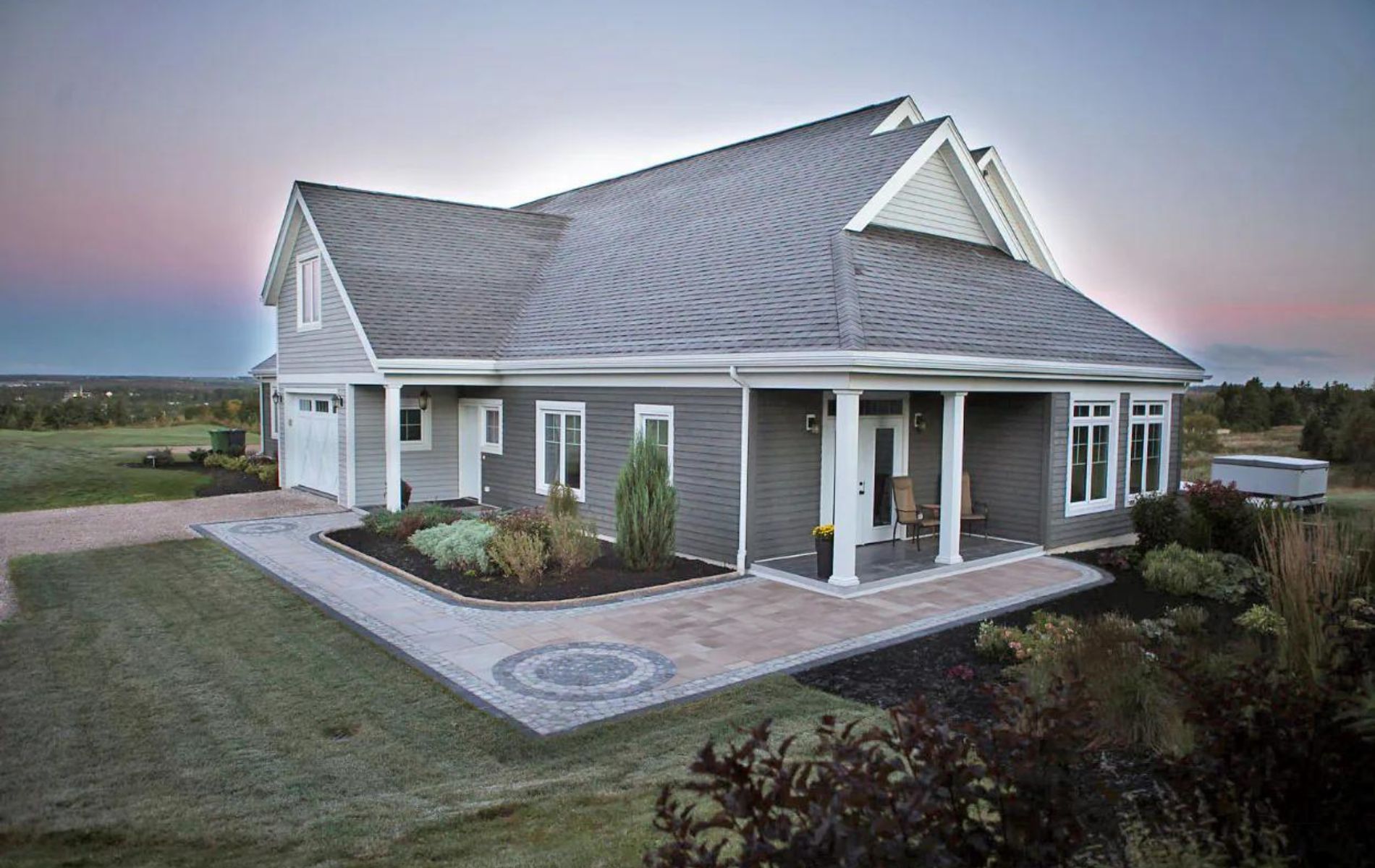
If you’re planning a new concrete walkway or replacing an older, damaged path, understanding the costs before construction can help you make better decisions. This guide explains average concrete walkway installation costs, pricing by project size, common cost factors, material options, and what homeowners should consider when hiring a contractor.
For homeowners considering professional work, learn more about our concrete sidewalk installation and repair services in the Bronx.
How Much Does a Concrete Walkway Around a House Cost?
The average cost of installing a concrete walkway depends on the project’s size, design, location, and preparation requirements. For preliminary budgeting, published 2026 New York City estimates place standard concrete walkway installation at approximately $9–$25 per square foot. The lower end generally represents simpler installations, while more complicated projects, decorative finishes, and additional preparation can increase the price.
For example, a straightforward 100-square-foot walkway could have an estimated installation budget of $900–$2,500 using this planning range. A larger 200-square-foot walkway could range from $1,800–$5,000.
These figures are preliminary budgeting estimates, not a fixed contractor quotation. Actual costs depend on site conditions and what the contractor includes in the proposal. Demolition, excavation, disposal, drainage improvements, and special finishing may be priced separately.
The best way to determine your project’s cost is to calculate the walkway area and have the property assessed before work begins.
If you’re planning other improvements to your property’s exterior, you can also explore our exterior renovation services to learn more about available home improvement solutions.
Concrete Walkway Cost Per Square Foot
Contractors commonly calculate concrete walkway installation costs using the total surface area in square feet. However, the price per square foot can change depending on the type of concrete, thickness, finishing method, accessibility, and amount of preparation required.
A simple walkway with straight edges and a standard broom finish generally requires less labor than a curved pathway with decorative borders or stamped patterns.
The following table provides an illustrative planning range based on the New York City estimates discussed above.
| Walkway Size | Estimated Installation Budget |
|---|---|
| 50 square feet | $450–$1,250 |
| 100 square feet | $900–$2,500 |
| 150 square feet | $1,350–$3,750 |
| 200 square feet | $1,800–$5,000 |
| 300 square feet | $2,700–$7,500 |
| 400 square feet | $3,600–$10,000 |
| 500 square feet | $4,500–$12,500 |
These examples multiply the project area by $9–$25 per square foot. They are not guaranteed project prices and should not be interpreted as including every possible site-preparation or removal expense.
How to Calculate Concrete Walkway Area
You can estimate the surface area of a straight walkway by multiplying its length by its width.
Formula:
Walkway area = Length × Width
For example, a walkway measuring 40 feet long and 4 feet wide has a total area of 160 square feet.
If the preliminary installation rate is $9–$25 per square foot:
- Lower estimate: 160 × $9 = $1,440
- Upper estimate: 160 × $25 = $4,000
A walkway with curves, multiple sections, or irregular dimensions requires a more detailed measurement. A contractor can calculate the actual surface area during a site assessment.
What Factors Affect the Cost of a Concrete Walkway?
Two concrete walkways with similar dimensions can have very different installation costs. The condition of the property, design requirements, material selection, and construction process all influence the final estimate.
Understanding these factors helps homeowners compare contractor quotations more accurately.
1. Walkway Size and Layout
The total square footage is one of the main factors affecting installation costs. Larger walkways generally require more concrete, labor, and preparation materials.
However, smaller projects do not always have a proportionally lower price per square foot. Contractors may have minimum charges for equipment, transportation, concrete delivery, and labor.
The walkway layout also matters. A straight path is usually easier to measure and form than a curved or irregular design. Additional corners, borders, and changes in elevation can increase installation time.
2. Excavation and Ground Preparation
A durable concrete walkway needs a stable foundation. Before pouring concrete, contractors must assess the existing ground and determine whether excavation, grading, soil removal, or additional base material is necessary.
Poorly prepared ground can contribute to uneven settling, cracking, and drainage problems.
Preparation costs may increase when the property has:
- Uneven or sloping ground
- Loose or poorly compacted soil
- Existing concrete that needs removal
- Tree roots affecting the walkway area
- Limited access for excavation equipment
- Areas requiring additional drainage work
The amount of preparation depends on the existing conditions rather than the walkway’s dimensions alone.
3. Concrete Thickness and Material Quality
Concrete thickness affects the amount of material required and the construction cost. Concrete walkways are commonly designed around pedestrian use, but the appropriate thickness depends on ground conditions, intended use, and applicable specifications.
A walkway intended only for foot traffic may have different requirements from a concrete surface that must accommodate vehicles or heavier loads.
Material quality also matters. Contractors should select an appropriate concrete mix for the application and local environmental conditions.
For properties in New York, freeze-thaw exposure and winter deicing products are important considerations when planning exterior concrete work.
4. Labor and Installation Complexity
Concrete installation involves several stages, including measuring, forming, preparing the base, placing concrete, finishing the surface, and allowing the material to cure.
Labor costs can increase when the project requires:
- Extensive excavation
- Difficult material transportation
- Complex walkway shapes
- Multiple elevation changes
- Detailed decorative finishing
- Restricted access to the property
- Removal of existing structures or landscaping
An experienced contractor should explain the work involved rather than providing only a single unexplained price.
5. Drainage and Property Slope
Proper drainage is important for a concrete walkway, particularly around residential foundations.
If water collects on the walkway or flows toward the house, it can create slippery surfaces and contribute to moisture problems.
Contractors should evaluate the existing grade and plan an appropriate slope so water drains away from the building and toward an approved drainage area.
Properties with significant grading problems may require additional preparation, which can increase the overall budget.
6. Concrete Finishing and Decorative Features
The selected finish influences both the appearance and installation cost.
Common options include:
- Broom finish: A practical textured surface that provides traction for everyday pedestrian use.
- Smooth finish: A cleaner appearance that may be suitable for certain private residential applications, depending on slip-resistance requirements.
- Exposed aggregate: Reveals decorative stones within the concrete surface.
- Stamped concrete: Creates patterns that imitate materials such as stone or brick.
- Colored concrete: Adds color to complement the property’s exterior design.
Standard finishes are generally simpler to install. Decorative finishes may require additional materials, specialized equipment, and labor.
Concrete Walkway Installation Cost Breakdown
A concrete walkway installation quotation may include several different cost components. Understanding these expenses helps you determine whether two contractor estimates cover the same work.
| Cost Component | What It Covers |
|---|---|
| Site assessment | Measuring the area and evaluating existing conditions |
| Excavation | Removing soil and preparing the installation area |
| Demolition | Breaking up and removing existing concrete, if required |
| Base preparation | Adding and compacting suitable foundation material |
| Concrete materials | Concrete mix and other required supplies |
| Formwork | Creating the required walkway shape and dimensions |
| Labor | Placing, leveling, and finishing concrete |
| Drainage preparation | Addressing grading and water-management requirements |
| Cleanup and disposal | Removing construction debris and excess materials |
Not every project requires every item. A new walkway on a properly prepared site may involve fewer preparation expenses than a replacement project where old concrete must be removed.
Before approving a quotation, ask whether demolition, disposal, excavation, materials, finishing, and cleanup are included.
How Much Does It Cost to Replace an Existing Concrete Walkway?
Replacing an existing concrete walkway can cost more than installing a new path on an already prepared surface.
The contractor may need to break up the damaged concrete, remove the debris, inspect the underlying soil, and prepare a new foundation before pouring replacement material.
Several conditions can influence replacement costs:
- Thickness and condition of the existing concrete
- Accessibility for demolition equipment
- Disposal and transportation requirements
- Ground settlement beneath the old walkway
- Tree-root interference
- Additional grading or drainage work
- Size and complexity of the replacement area
In some situations, localized repairs may be sufficient. However, widespread cracking, severe settlement, extensive surface deterioration, or recurring drainage problems may make replacement a more practical option.
A professional assessment can help determine whether repairing individual sections or replacing the walkway offers better long-term value.
For more information about damaged concrete surfaces and available repair options, visit our page about concrete sidewalk installation and repair in the Bronx.
Concrete Walkway vs. Pavers: Which Is More Affordable?
Concrete and pavers are both popular choices for residential walkways. The right option depends on your budget, preferred appearance, maintenance expectations, and property conditions.
| Comparison | Concrete Walkway | Paver Walkway |
|---|---|---|
| Initial installation | Often economical for simple designs | Depends on paver material and layout |
| Appearance | Clean and relatively uniform | Multiple colors, shapes, and patterns |
| Maintenance | Periodic cleaning and crack assessment | Joint maintenance and occasional resetting |
| Repairs | Damaged sections may require cutting and replacement | Individual pavers can often be replaced |
| Installation | Requires forming, pouring, and curing | Requires careful base and joint preparation |
| Design flexibility | Decorative finishes are available | Extensive pattern and material options |
Standard concrete is often a practical choice for homeowners seeking a continuous walking surface without the individual placement of pavers.
Pavers may be attractive when design flexibility and individual-unit replacement are priorities.
The most economical option depends on the specific property and the full installation scope, not simply the material price.
How Long Does a Concrete Walkway Last?
A properly designed and installed concrete walkway can provide many years of service. Its lifespan depends on material quality, soil stability, drainage, installation practices, maintenance, and exposure to weather.
In New York, repeated freezing and thawing, moisture, and deicing chemicals can affect exterior concrete surfaces.
Homeowners can help protect their walkways by:
- Keeping the surface clean and free of debris.
- Avoiding excessive use of harsh deicing chemicals.
- Addressing drainage problems promptly.
- Monitoring cracks and uneven sections.
- Repairing damaged joints when appropriate.
- Following suitable maintenance and sealing recommendations.
Sealing may be appropriate for certain concrete finishes and exposure conditions, but the product and application schedule should be selected according to the manufacturer’s recommendations.
Routine inspections can help identify minor problems before they develop into more extensive repairs.
How to Reduce Concrete Walkway Installation Costs
A well-planned project can help control unnecessary expenses without compromising the quality of the finished walkway.
Consider these practical steps before starting construction:
Choose a practical layout. Straight walkways with simple shapes generally require less formwork and labor than complicated curved designs.
Measure the area accurately. Understanding the required square footage helps prevent unnecessary material purchases and makes contractor quotations easier to compare.
Evaluate the existing surface. Determine whether the current walkway can be repaired or whether replacement is necessary.
Choose an appropriate finish. Standard broom-finished concrete may provide the appearance and functionality you need without the additional expense of decorative treatments.
Address drainage before installation. Correcting grading issues during the project can help reduce future maintenance and repair expenses.
Compare detailed quotations. Ask contractors to explain material specifications, labor, demolition, site preparation, disposal, and any additional charges.
The lowest quotation is not always the best value. Proper preparation and installation are important for the long-term performance of an exterior concrete walkway.
What Should You Look for When Hiring a Concrete Walkway Contractor?
Choosing the right contractor is an important part of any concrete installation project. A walkway may look straightforward, but its durability depends on proper site assessment, foundation preparation, drainage, concrete placement, and finishing.
Before hiring a contractor, consider the following:
- Relevant experience: Look for experience with residential exterior concrete and walkway projects.
- Project assessment: The contractor should evaluate the site, measurements, existing ground conditions, and drainage.
- Detailed estimates: Request an itemized quotation explaining the work and materials included.
- Workmanship: Ask to see genuine examples of similar completed projects.
- Project timeline: Understand the expected preparation, installation, curing, and access restrictions.
- Written agreement: Confirm the project scope, payment terms, materials, and any applicable warranties in writing.
You can also review recent renovation projects completed by RH Renovation NYC to explore examples of the company’s exterior renovation work.
For homeowners considering other improvements, our exterior renovation services provide additional information about available property improvement solutions.
Frequently Asked Questions About Concrete Walkway Costs
1. How much does a concrete walkway cost per square foot?
Published 2026 estimates for New York City indicate approximately $9–$25 per square foot for concrete walkway installation. The actual price depends on dimensions, concrete thickness, finish, labor, accessibility, and site preparation.
2. How much does a 100-square-foot concrete walkway cost?
Using a preliminary planning rate of $9–$25 per square foot, a 100-square-foot walkway would have an estimated budget of $900–$2,500. Additional demolition, excavation, grading, or drainage work may increase the final cost.
3. Is it cheaper to install a concrete walkway or pavers?
Standard concrete is often more economical for straightforward walkway designs. Pavers offer more design flexibility and allow individual units to be replaced. Compare the complete installation and maintenance costs before choosing.
4. How thick should a residential concrete walkway be?
Concrete thickness depends on the intended use, soil conditions, design, and applicable specifications. Pedestrian walkways are commonly designed around a 4-inch slab, but a contractor should confirm the appropriate construction details for the property.
5. Does an existing concrete walkway need to be removed before replacement?
If the existing walkway is severely damaged, unstable, or unsuitable as a foundation, removal may be necessary. A contractor should assess the condition of the concrete and underlying base before recommending replacement.
6. How long does concrete walkway installation take?
The construction time depends on the walkway’s size, site preparation, weather, and complexity. Small projects may require only a few days of active construction, while larger or more complicated installations can take longer. Concrete also needs adequate curing time before normal use.
7. Does a concrete walkway around a house require a permit in NYC?
Permit requirements depend on the location and scope of the proposed work. A private walkway on a homeowner’s property may be subject to different requirements from a public sidewalk in the NYC right-of-way. Check the applicable NYC Department of Buildings and Department of Transportation requirements before beginning work.
8. What causes concrete walkways to crack?
Common causes include soil settlement, inadequate base preparation, temperature changes, shrinkage during curing, poor drainage, and excessive loading. Proper installation, suitable joint placement, and appropriate material selection can help manage cracking.
9. Can a cracked concrete walkway be repaired instead of replaced?
Yes. Small cracks and localized surface damage may be repairable. However, extensive cracking, significant movement, severe settlement, or recurring structural problems may require replacing affected sections.
10. When is the best time to install a concrete walkway in New York?
Concrete work is generally easier to schedule during periods of moderate temperatures and suitable weather conditions. Contractors must account for temperature, precipitation, and manufacturer requirements when planning concrete placement and curing.
Get a Concrete Walkway Installation Estimate from RH Renovation NYC
Planning a concrete walkway around your house requires more than choosing a design and calculating square footage. The ground beneath the walkway, drainage conditions, concrete specifications, and finishing details all contribute to the finished result.
RH Renovation NYC helps property owners plan exterior improvement projects with attention to project requirements, workmanship, and property conditions. If you’re considering a new walkway or evaluating an existing concrete surface, contact our team to discuss your project and arrange an estimate.
Whether you’re planning a walkway connecting your driveway to your front entrance or improving access around your property’s exterior, a proper project assessment can help you understand the work involved and establish a realistic budget.
For additional information about the company and its services, visit RH Renovation NYC.
You can also explore our home improvement blog for more information about exterior renovation, maintenance, and project costs.
Contact RH Renovation NYC
- Phone: (646) 818-4305
- Location: 1951 Hone Ave, Bronx, NY 10461
- Service areas: Bronx, Queens, Brooklyn, and Westchester County
- Availability: 24/7
Request a free project estimate and discuss your exterior renovation project with RH Renovation NYC.