Concrete Walkway Around House Cost
Concrete Walkway Around House Cost: 2026 Pricing, Installation & What Homeowners Should Know
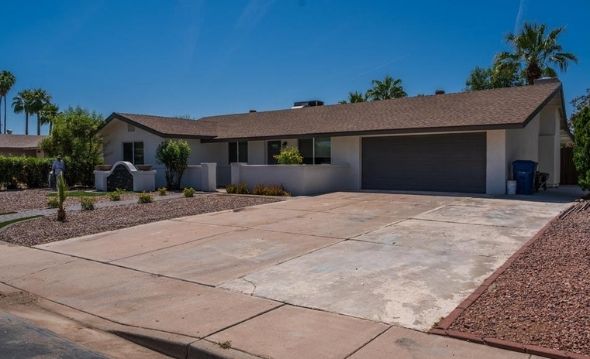
A concrete walkway around your house does more than create a clean path for walking. It helps keep mud away from exterior walls, improves accessibility, supports proper water management, and gives your property a more finished appearance. Whether you want a walkway around the entire foundation, a path connecting your driveway to the backyard, or a simple route around your home’s exterior, concrete is a practical and long-lasting option.
However, before starting the project, one important question needs answering: How much does a concrete walkway around a house cost?
The total price depends on several factors, including walkway dimensions, concrete thickness, ground conditions, labor, excavation, drainage requirements, and the finish you select. A straightforward walkway on level ground will generally cost less than a project involving old concrete removal, sloped terrain, or decorative designs.
In this guide, RH Renovation explains concrete walkway installation costs, common pricing factors, available finishes, and what homeowners should consider before hiring a contractor.
How Much Does a Concrete Walkway Around a House Cost in 2026?
In 2026, concrete walkway installation in New York typically ranges from approximately $9 to $25 per square foot, depending on the project scope, materials, labor, and finish.
For a standard residential walkway, a basic broom-finished surface generally falls toward the lower end of the range. More complicated projects involving decorative finishes, difficult access, additional excavation, or extensive preparation can cost considerably more.
According to published New York cost estimates, the average installation price varies significantly depending on project specifications and local labor conditions.
Here is a general planning estimate:
| Walkway Size | Estimated Installation Cost |
|---|---|
| 50 sq. ft. | $450–$1,250 |
| 100 sq. ft. | $900–$2,500 |
| 150 sq. ft. | $1,350–$3,750 |
| 200 sq. ft. | $1,800–$5,000 |
| 300 sq. ft. | $2,700–$7,500 |
| 400 sq. ft. | $3,600–$10,000 |
These figures are calculated using the broad New York installation range of $9–$25 per square foot. They are preliminary budgeting figures, not guaranteed contractor quotations. Demolition, drainage improvements, permits, and unusual site conditions may increase the final cost.
For example, a homeowner installing a 200-square-foot walkway around a house may spend considerably less than someone replacing an existing walkway and correcting drainage problems at the same time.
Important: Always request an itemized estimate based on your property’s actual measurements and installation requirements.
What Factors Affect Concrete Walkway Installation Costs?
The size of the walkway is important, but it is not the only factor that determines your final project budget. Several installation details can influence the amount of preparation, materials, and labor required.
1. Walkway Size and Dimensions
The larger the walkway, the more concrete, reinforcement materials, preparation, and labor the project generally requires.
Contractors usually calculate the surface area by multiplying the walkway’s length by its width.
For example:
- Length: 40 feet
- Width: 4 feet
- Total area: 160 square feet
If the installation costs $12 per square foot, the estimated base installation price would be $1,920.
However, a narrow walkway can sometimes cost more per square foot than a larger concrete slab. This is because smaller projects still require setup, equipment, concrete delivery, and finishing work.
When requesting estimates, provide accurate measurements so contractors can calculate material requirements more effectively.
2. Concrete Thickness
Concrete thickness influences material quantities, strength, and overall installation costs.
For many standard residential pedestrian walkways, contractors commonly use approximately 4 inches of concrete. However, the appropriate thickness depends on soil conditions, expected loading, reinforcement, and the intended use.
A thicker slab may be necessary where the walkway needs to accommodate heavier loads or connect to an area used by vehicles.
Increasing the thickness from 4 inches to 6 inches requires approximately 50% more concrete for the same surface area, before accounting for waste.
A contractor should evaluate the intended use and ground conditions before recommending the appropriate slab specifications.
3. Ground Preparation and Excavation
Proper preparation is essential for a concrete walkway that remains stable over time.
Before pouring concrete, the installation area may need to be cleared, excavated, compacted, and graded. Existing grass, tree roots, loose soil, and unsuitable ground materials can make preparation more complicated.
Common preparation tasks include:
- Removing grass, plants, and debris.
- Excavating soil to the required depth.
- Compacting the underlying soil.
- Installing a suitable crushed-stone or gravel base.
- Establishing the correct slope for water runoff.
- Installing forms to maintain the walkway’s shape.
Properties with uneven terrain, poor soil conditions, or limited equipment access may require additional preparation and labor.
Skipping these steps to reduce the initial price can create problems such as uneven settlement, cracking, and water accumulation.
4. Concrete Finish and Design
Concrete walkways do not have to look like plain gray sidewalks. Homeowners can select different finishes to complement their landscaping, exterior walls, driveway, and overall property design.
Common options include:
Broom finish: A practical, textured surface created using a broom after the concrete has been floated. It provides traction and is a popular choice for outdoor pedestrian walkways.
Stamped concrete: Decorative patterns are pressed into the concrete to imitate materials such as stone, brick, or natural slate. It generally requires additional labor and finishing work.
Colored concrete: Pigments are added to achieve a particular color that complements the property’s exterior.
Exposed aggregate: The surface is finished to reveal decorative stones within the concrete, creating a textured appearance.
Stained concrete: A staining treatment changes the appearance of the cured concrete and can create a more customized finish.
The more detailed the design, the more time and specialized work the installation may require.
For most practical residential walkways, a properly finished, slip-resistant surface is a sensible starting point.
5. Existing Concrete Removal
If you are replacing an old walkway, demolition and disposal can add to the project cost.
Existing concrete may need to be broken into smaller sections, removed, transported, and disposed of before the new installation begins.
Published New York estimates place concrete walkway removal at approximately $2–$7 per square foot, although actual costs depend on thickness, reinforcement, disposal requirements, and accessibility.
Removal may also be more complicated when the existing walkway is close to foundation walls, landscaping, underground utilities, or other structures.
Ask whether demolition, hauling, and disposal are included in your contractor’s estimate.
6. Drainage and Property Slope
Drainage is one of the most important considerations when installing a concrete walkway around a house.
If water collects beside the foundation, it can contribute to moisture problems, soil erosion, and deterioration of nearby exterior materials.
A properly designed walkway should direct surface water away from the home rather than allowing it to accumulate against the foundation.
Depending on the property, installation may require:
- Appropriate surface grading.
- A suitable slope away from the foundation.
- Additional drainage channels.
- Adjustments around downspouts.
- Improvements to existing water-management systems.
Properties with sloping yards or recurring water accumulation may need additional planning before concrete installation begins.
A contractor should assess the existing drainage conditions rather than simply pouring a new slab over the problem.
Concrete Walkway vs. Other Materials: Which Is Better?
Concrete is not the only material available for residential walkways. Pavers, natural stone, gravel, and brick are also popular choices.
The right option depends on your budget, maintenance expectations, appearance preferences, and how frequently the walkway will be used.
| Material | Main Advantages | Considerations |
|---|---|---|
| Concrete | Durable, versatile, relatively low maintenance | Can crack and may require repairs |
| Concrete pavers | Individual sections can be replaced | Joints may need maintenance |
| Natural stone | Premium appearance and unique patterns | Material and installation costs can be higher |
| Brick | Traditional appearance and design flexibility | Can shift or develop uneven surfaces |
| Gravel | Simple installation and good drainage potential | Requires occasional replenishment |
For homeowners who want a practical surface with a clean appearance, concrete is often a worthwhile choice.
However, the cheapest installation is not always the best long-term investment. Consider the expected maintenance requirements and the quality of installation before making a decision.
Why Install a Concrete Walkway Around Your House?
A properly planned walkway offers several benefits beyond creating a convenient walking surface.
Better Protection Around the Exterior
Bare soil around a property can become muddy during rainfall. Water splashing against the lower exterior walls can also contribute to dirt buildup and recurring cleaning.
A concrete walkway can reduce direct soil contact and help keep the immediate area around the house cleaner.
It should still be designed with proper drainage and should not direct water toward the foundation.
Improved Accessibility and Safety
A smooth, properly constructed walkway makes it easier to move around the property, access outdoor spaces, and reach service areas.
It can also reduce the risk of walking through muddy or uneven ground.
For better outdoor safety, consider a suitable textured finish, consistent surface levels, and properly designed transitions.
Improved Curb Appeal
A concrete walkway creates a defined boundary between the house, landscaping, driveway, and garden.
Homeowners can choose different shapes, widths, colors, and decorative finishes to complement the property’s architecture.
A thoughtfully designed walkway can make an otherwise unfinished exterior look more organized and attractive.
Easier Exterior Maintenance
Concrete provides a relatively easy-to-clean surface compared with exposed soil or loose gravel.
Regular sweeping, occasional washing, and prompt attention to minor damage can help maintain its appearance.
It can also reduce the amount of mud and debris tracked into the house.
How Is a Concrete Walkway Installed?
Understanding the installation process helps homeowners evaluate contractor estimates and recognize why proper preparation matters.
Although individual projects differ, a typical residential installation follows these steps.
Step 1: Site inspection and measurements
The contractor examines the property, measures the proposed walkway, evaluates the soil, and identifies potential drainage or access issues.
Step 2: Excavation and ground preparation
Grass, debris, and unsuitable soil are removed. The installation area is excavated to the required depth.
Step 3: Base installation and compaction
A suitable granular base may be installed and compacted to create a stable foundation for the concrete.
Step 4: Formwork and reinforcement
Forms are positioned to establish the walkway’s dimensions and shape. Reinforcement may be included where appropriate for the project specifications.
Step 5: Concrete pouring and finishing
Concrete is placed, leveled, and finished according to the selected surface design.
Step 6: Curing and final inspection
The concrete needs adequate curing time to develop strength. The contractor should provide instructions about foot traffic, heavier loading, and ongoing maintenance.
Proper curing and appropriate joint placement are important considerations for reducing premature surface damage.
How Long Does It Take to Install a Concrete Walkway?
The installation timeline depends on the walkway’s size, weather conditions, ground preparation, and project complexity.
A small, straightforward residential walkway may take approximately one to three days for the main installation work. Larger projects involving demolition, excavation, drainage improvements, or decorative finishes may take longer.
It is important to distinguish between installation time and curing time.
Concrete may be ready for cautious foot traffic after approximately 24–48 hours under suitable conditions, but this is not a universal guarantee. Temperature, concrete mix, and site conditions influence the timeline.
Concrete continues gaining strength as it cures. Full design strength is commonly specified at 28 days.
Follow your contractor’s instructions before placing heavy objects or equipment on the new walkway.
How Can Homeowners Reduce Concrete Walkway Costs?
You do not necessarily need an expensive decorative design to achieve a functional and attractive walkway.
Here are several ways to manage your budget without compromising important installation standards.
- Choose a practical finish: A standard broom finish is often more economical than elaborate stamped or decorative finishes.
- Plan the dimensions carefully: Avoid unnecessary curves, excessive width, and complicated layouts.
- Address drainage early: Identifying drainage problems before installation can help prevent expensive corrective work.
- Compare detailed estimates: Evaluate materials, labor, excavation, disposal, and finishing rather than comparing only the total price.
- Avoid unnecessary demolition: If an existing walkway is structurally sound, ask whether repair or resurfacing is a suitable alternative.
- Prioritize installation quality: Proper ground preparation, appropriate concrete specifications, and curing practices can help reduce future repair expenses.
The goal should be to achieve a durable walkway that meets your property’s needs rather than simply selecting the lowest initial quotation.
Why Choose RH Renovation for Your Exterior Improvement Project?
Planning an exterior renovation requires attention to more than materials and appearance. The condition of the property, drainage requirements, accessibility, and the relationship between different exterior components all matter.
RH Renovation NYC helps homeowners plan and improve their exterior properties with a focus on workmanship, practical solutions, and long-term property protection.
Our exterior renovation experience includes roofing, chimney services, gutters, siding, and skylights.
Whether you are considering improvements around your home’s exterior or planning a broader renovation, our team can discuss your project requirements and help you understand the next steps.
We serve homeowners throughout the Bronx, Queens, Brooklyn, and Westchester County.
Contact RH Renovation to discuss your exterior improvement project.
- Phone: (646) 818-4305
- Email: info@rhrenovationnyc.com
- Location: 1951 Hone Ave, Bronx, NY 10461
Request a free estimate and discuss your property’s specific requirements with our team.
Frequently Asked Questions About Concrete Walkway Costs
1. How much does a concrete walkway around a house cost?
In New York, a concrete walkway can cost approximately $9–$25 per square foot, depending on dimensions, concrete thickness, labor, ground preparation, and finishing requirements. A 200-square-foot project could therefore have a preliminary installation budget of $1,800–$5,000.
2. How much does a 100-foot concrete walkway cost?
The price depends on the walkway’s width. For example, a 100-foot-long walkway that is 4 feet wide covers 400 square feet. Using an estimated installation range of $9–$25 per square foot, the preliminary budget would be $3,600–$10,000.
3. How thick should concrete be for a residential walkway?
A 4-inch thickness is commonly used for standard residential pedestrian walkways. However, the appropriate thickness depends on soil conditions, expected loads, reinforcement, and local requirements.
4. Is a concrete walkway cheaper than pavers?
Basic poured concrete is often less expensive initially than many professionally installed paver or natural stone walkways. However, actual costs depend on material selection, site preparation, labor, and design complexity.
5. Does a concrete walkway need a gravel base?
A properly prepared and compacted base is commonly recommended to provide stability and support drainage. The exact base material and depth depend on soil conditions, project specifications, and the expected use of the walkway.
6. Does a concrete walkway increase property value?
A well-designed concrete walkway can improve curb appeal, accessibility, and the overall appearance of a property. These improvements may make a home more attractive to potential buyers, although the actual impact on resale value varies.
7. How long does a concrete walkway last?
A properly designed and installed concrete walkway can last several decades with suitable maintenance. Its lifespan depends on installation quality, drainage, soil stability, weather exposure, and maintenance practices.
8. Can you install a concrete walkway around an existing house?
Yes. A concrete walkway can generally be installed around an existing home after evaluating the available space, foundation conditions, underground utilities, ground slope, and drainage requirements. The walkway should be designed to avoid directing water toward the foundation.
9. When is the best time to install a concrete walkway?
Concrete can be installed during suitable weather conditions throughout much of the year. Moderate temperatures are generally easier to work with than extreme heat, freezing temperatures, or heavy rainfall. Your contractor should plan the pour around local weather conditions.
10. Should I repair or replace my existing concrete walkway?
Minor surface cracks or isolated damage may be repairable. However, widespread cracking, significant settlement, uneven sections, and recurring drainage problems may justify replacement. A site inspection can help determine the most practical solution.
Final Thoughts
Installing a concrete walkway around your house is a practical exterior improvement that can enhance accessibility, curb appeal, and everyday convenience.
The total cost depends on the walkway’s dimensions, concrete specifications, ground conditions, design, and labor requirements. While a basic installation may be relatively affordable, additional preparation, demolition, and drainage improvements can increase the budget.
Before starting, compare detailed estimates, understand what the installation includes, and make sure the contractor has considered the property’s drainage and soil conditions.
If you are planning exterior improvements in the Bronx, Queens, Brooklyn, or Westchester County, contact RH Renovation at (646) 818-4305 to discuss your project and request a free estimate.
If you have a specific design you want to discuss, feel free to contact us at RH Renovation NYC. Our professional team is proudly composed of technicians and designers that can bring your ideas to life without too much hustle. We will provide you with a cost estimate for free so you can decide whether you are ready to build a concrete walkway around your home or not. In addition, we will walk you through the process and explain every bit of it so you can always have input on what will happen to your home.