Cost to Replace Siding With Brick: 2026 Pricing, Materials & Installation Guide
Replacing your home’s existing siding with brick is a major exterior improvement that can transform the appearance, durability, and long-term maintenance requirements of your property. Brick offers a timeless architectural appearance, excellent resistance to everyday weather exposure, and a more substantial exterior finish than many traditional siding materials.
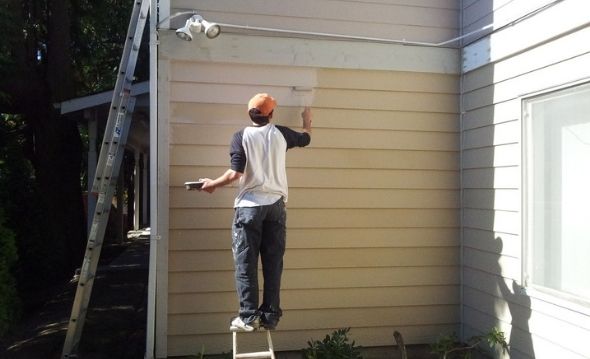
However, converting a vinyl, wood, or fiber cement exterior into a brick finish involves more than simply removing the old siding and installing new materials. The home’s foundation, wall structure, moisture protection, drainage, and installation requirements all need to be evaluated before work begins.
So, how much does it cost to replace siding with brick in 2026?
The cost depends on the type of brick system, exterior wall area, labor, demolition, structural modifications, and local building requirements. Homeowners in New York may also need to account for higher labor costs, property access restrictions, and permit requirements.
In this guide, RH Renovation explains the cost of replacing siding with brick, the differences between brick veneer and traditional masonry, the factors affecting installation prices, and what to consider before starting your exterior renovation.
How Much Does It Cost to Replace Siding With Brick in 2026?
In 2026, homeowners can use approximately $12–$24 per square foot as an initial planning range for many brick veneer installations, although more complex projects can exceed this range.
Thin brick veneer generally costs less to install than heavier traditional brick veneer systems that require additional structural support. Manufactured brick panels are another option, with pricing depending on the product and installation method.
Published cost guides show substantial variation. HomeGuide reports approximately $8–$24 per square foot for installed brick veneer, while Angi reports a 2026 national average of approximately $26,000 for a 2,000-square-foot home, with costs varying considerably by material and project scope.
These are broad market estimates, not guaranteed New York contractor quotations. <Cite refs={[“turn861829search7″,”turn855127view0”]}/>
Estimated Brick Siding Replacement Costs
The following table uses a planning allowance of $12–$24 per square foot of exterior wall area.
| Exterior Wall Area | Estimated Project Cost |
|---|---|
| 500 sq. ft. | $6,000–$12,000 |
| 1,000 sq. ft. | $12,000–$24,000 |
| 1,500 sq. ft. | $18,000–$36,000 |
| 2,000 sq. ft. | $24,000–$48,000 |
| 2,500 sq. ft. | $30,000–$60,000 |
| 3,000 sq. ft. | $36,000–$72,000 |
These figures are illustrative budgeting calculations, not fixed prices. They assume the selected veneer system can be installed without major structural reconstruction. Additional expenses for demolition, damaged sheathing, foundation modifications, permits, and drainage improvements may increase the final cost.
Important: Exterior wall area is different from the home’s interior floor area. Contractors calculate siding requirements using the exterior surfaces being covered, accounting for windows, doors, and other openings.
Can You Replace Existing Siding With Brick?
Yes. Many homes with vinyl, wood, aluminum, or fiber cement siding can be converted to a brick exterior.
However, the installation method matters.
Brick is significantly heavier than most traditional siding products. Before choosing a full brick veneer system, the contractor must evaluate whether the existing foundation and wall assembly can support the additional load.
There are two main approaches to consider.
1. Traditional Brick Veneer
Traditional brick veneer uses standard masonry bricks installed in front of a home’s structural wall. It creates the appearance of a conventional brick exterior without making the brick itself the primary load-bearing structure.
This system generally requires:
- Appropriate structural support or a brick ledge.
- Masonry ties or anchors.
- A properly designed drainage cavity.
- Weather-resistant barriers.
- Flashing and weep provisions.
- Correct installation around windows and doors.
Because of its weight and construction requirements, traditional brick veneer may require additional structural work when retrofitted onto an existing house.
2. Thin Brick Veneer
Thin brick veneer uses a much thinner brick product to create a similar appearance without the weight of traditional full-depth masonry.
Depending on the manufacturer’s approved installation system, it may be installed over a suitable prepared substrate with the required support and moisture-management details.
Its advantages include:
- Lower weight than traditional brick veneer.
- More flexibility for exterior renovation projects.
- Less demand for structural support in many applications.
- A genuine brick appearance when real brick slips are selected.
- A wider range of colors and patterns.
However, thin brick still requires careful substrate preparation, compatible installation materials, and appropriate moisture management.
The best option depends on the existing wall assembly, desired appearance, budget, and structural conditions.
What Factors Affect the Cost of Replacing Siding With Brick?
Several factors determine the final cost of a siding-to-brick conversion. Understanding them helps homeowners compare contractor estimates and avoid unexpected expenses.
1. Type of Brick Material
Material selection is one of the biggest influences on project pricing.
Common options include:
Traditional face brick: Standard masonry bricks create a classic exterior appearance. They require more extensive installation work and suitable structural support.
Thin brick veneer: Real brick cut into thinner pieces provides the appearance of masonry with less weight. It is frequently considered for exterior renovation projects.
Manufactured brick veneer: Manufactured products replicate the appearance of traditional brick using different materials and finishes. Product quality and installation specifications vary.
Faux brick panels: These larger manufactured panels can provide a brick-like appearance with a different installation process. They should not be confused with real masonry.
When comparing prices, make sure you are comparing equivalent systems rather than simply comparing the cost of individual bricks.
2. Removal of Existing Siding
Before installing a new brick exterior, the existing siding may need to be removed to expose and inspect the underlying wall.
The removal process can involve:
- Taking down vinyl, wood, or aluminum siding.
- Removing damaged trim and exterior accessories.
- Disposing of old materials.
- Inspecting the wall sheathing.
- Preparing the surface for the new wall assembly.
Older homes may contain concealed damage that cannot be identified until the existing siding is removed.
If asbestos-containing materials are suspected, they should be evaluated and handled by appropriately qualified professionals rather than disturbed during ordinary demolition.
3. Foundation and Structural Support
This is one of the most important considerations when converting siding to traditional brick veneer.
A house originally constructed with lightweight siding may not have the foundation ledge or structural support needed for a heavier masonry exterior.
Depending on the building, additional work could involve:
- Evaluating existing foundation capacity.
- Installing engineered support details.
- Modifying the foundation or masonry ledge.
- Adding appropriate structural connections.
- Obtaining engineering documentation.
Not every property requires foundation modifications. However, the issue should be assessed before selecting a traditional brick system.
Installing heavy brick without adequate support can create serious structural problems. <Cite refs={[“turn855127view2″,”turn855127view1”]}/>
4. Moisture Protection and Drainage
A brick exterior needs proper moisture management.
Brick and mortar are not completely waterproof. Rainwater can enter the masonry and must be managed through an appropriately designed drainage system.
A correctly constructed brick veneer assembly typically incorporates a weather-resistant barrier, drainage cavity, flashing, and weep provisions.
Important installation details include:
- Flashing above windows and doors.
- Flashing at the foundation transition.
- Proper drainage openings.
- Appropriate clearances around rooflines and other exterior materials.
- Correct treatment of wall penetrations.
- Integration with existing windows, doors, and roofing.
These details help prevent moisture from becoming trapped behind the exterior wall.
Cutting corners on flashing or drainage to reduce installation costs can lead to water damage and expensive future repairs.
5. Labor and Installation Complexity
Brick installation requires specialized knowledge and careful workmanship.
Labor costs can increase when the project involves multiple stories, complicated architectural details, limited access, or extensive preparation.
For example, replacing siding on a simple rectangular house may be more straightforward than working around bay windows, decorative trim, balconies, exterior chimneys, and irregular wall sections.
New York City properties may also present additional challenges involving scaffolding, material delivery, neighboring buildings, and restricted working space.
6. Permits and Local Building Requirements
Depending on the property and scope of work, replacing siding with brick may require building permits, professional plans, or structural review.
Requirements vary by municipality and project details.
In New York City, homeowners should check applicable Department of Buildings requirements before beginning a significant exterior alteration.
Historic properties and designated districts may have additional exterior appearance restrictions.
Your contractor should clarify who is responsible for permit applications, inspections, and any required engineering documentation.
Brick Siding vs. Vinyl Siding: Which Is Better?
Both brick and vinyl siding have advantages. The right choice depends on your budget, property design, maintenance expectations, and long-term renovation plans.
| Feature | Brick Veneer | Vinyl Siding |
|---|---|---|
| Appearance | Traditional masonry appearance | Wide range of colors and styles |
| Durability | Long-lasting when properly installed | Can crack or become damaged |
| Maintenance | Generally low routine maintenance | Periodic cleaning and repairs |
| Initial Cost | Usually higher | Usually more affordable |
| Installation | More specialized work | Generally faster installation |
| Weight | Heavier, depending on system | Lightweight |
| Moisture Management | Requires proper drainage detailing | Requires proper water-resistive installation |
| Design | Classic, substantial appearance | Flexible styles and profiles |
Brick veneer can be an attractive choice for homeowners seeking a traditional exterior appearance and a durable finish.
Vinyl siding may be more suitable for homeowners prioritizing a lower initial installation budget and simpler replacement.
It is also worth remembering that brick veneer does not automatically make a house more energy-efficient. Overall energy performance depends on the complete wall assembly, including insulation, air sealing, and moisture control.
What Is the Process for Replacing Siding With Brick?
A successful siding replacement project requires planning, proper preparation, and attention to installation details.
Step 1: Exterior inspection and measurements
The contractor evaluates the existing siding, measures the exterior wall area, and identifies architectural details that may affect installation.
Step 2: Structural assessment
The foundation and wall assembly are reviewed to determine whether the selected brick system is appropriate. Additional engineering may be necessary for traditional brick veneer.
Step 3: Existing siding removal
The old exterior material is removed where required. The exposed wall is inspected for moisture damage, deterioration, and other defects.
Step 4: Wall preparation
Damaged sheathing is repaired or replaced. The contractor prepares the wall for the new weather-resistant barrier and the manufacturer’s specified installation system.
Step 5: Moisture-management installation
Required flashing, drainage provisions, anchors, and other protective components are installed according to the selected veneer system.
Step 6: Brick installation
The brick veneer is installed using the appropriate mortar, fastening, and finishing methods.
Step 7: Final inspection and cleanup
The completed exterior is checked for workmanship, flashing details, drainage provisions, joints, and overall appearance.
Is Replacing Siding With Brick Worth the Investment?
For homeowners who appreciate the appearance and durability of masonry, replacing traditional siding with brick veneer can be a worthwhile long-term improvement.
Brick can provide several benefits:
- Improved curb appeal: A brick exterior creates a distinctive architectural appearance that can complement many residential styles.
- Long-term durability: Properly installed brick veneer can provide many years of service with appropriate maintenance.
- Reduced routine maintenance: Brick does not require the same periodic painting associated with many wood siding systems.
- Weather resistance: Masonry provides a durable exterior surface when installed with proper moisture-management details.
- Design flexibility: Different brick colors, textures, patterns, and mortar finishes allow homeowners to customize their property’s appearance.
However, brick conversion is a significant investment. It does not guarantee a particular increase in resale value, and the return depends on the property’s location, condition, neighborhood, and buyer preferences.
Before proceeding, compare the full installation cost against alternatives such as fiber cement, engineered wood, or high-quality vinyl siding.
How to Choose the Right Contractor for Brick Siding Replacement
The contractor you select can significantly affect the quality and longevity of your new exterior.
Before signing an agreement, consider the following:
- Relevant experience: Ask about experience with the specific brick veneer system you want to install.
- Structural planning: Confirm that the contractor understands the need to evaluate foundation support for traditional masonry.
- Detailed estimates: Request separate information about demolition, materials, labor, preparation, and additional structural work.
- Moisture protection: Ask how flashing, drainage cavities, and water-resistive barriers will be handled.
- Permits and inspections: Clarify the applicable requirements and who will manage the process.
- Insurance and warranties: Verify appropriate insurance coverage and obtain written warranty details.
- Project references: Review photographs and examples of comparable exterior renovation projects.
A detailed estimate should explain exactly what is included and identify potential additional costs before construction begins.
Exterior Siding and Renovation Services From RH Renovation
Changing your home’s exterior is an important investment. Whether you are considering a new siding system, improving your property’s exterior appearance, or planning a broader renovation, selecting the right materials and installation approach is essential.
RH Renovation NYC provides exterior renovation services for residential properties throughout the Bronx, Queens, Brooklyn, and Westchester County.
Our exterior services include roofing, siding, gutters, chimney work, and skylights. We focus on practical renovation solutions, quality workmanship, and helping homeowners understand their property’s exterior improvement requirements.
If you are considering replacing your existing siding, our team can discuss your project, the available exterior options, and the next steps toward planning your renovation.
Contact RH Renovation to discuss your exterior improvement project and request a free estimate.
- Phone: (646) 818-4305
- Email: info@rhrenovationnyc.com
- Address: 1951 Hone Ave, Bronx, NY 10461
- Service areas: Bronx, Queens, Brooklyn, and Westchester County
Frequently Asked Questions About Replacing Siding With Brick
1. How much does it cost to replace siding with brick?
Brick veneer installation can cost approximately $12–$24 per square foot as an initial budgeting range. The actual price depends on the brick system, labor, demolition, structural requirements, and project location. More complicated conversions can cost considerably more.
2. Can you replace vinyl siding with brick?
Yes. Vinyl siding can be removed and replaced with a suitable brick veneer system. However, the home’s structural support, foundation, wall condition, and moisture-management requirements must be evaluated before installation.
3. Is brick veneer cheaper than traditional brick?
Thin brick veneer is generally less expensive to retrofit than traditional full-depth brick veneer because it weighs less and can use a different support system. Actual costs depend on the selected product, installation method, and wall preparation.
4. Does my foundation need reinforcement to install brick?
Not necessarily. Some homes have suitable structural support for a traditional brick veneer system, while others may require additional support or foundation modifications. A qualified professional should evaluate the property before construction.
5. How long does brick siding installation take?
A small or straightforward veneer project may take several days, while a full-house conversion can take multiple weeks. Demolition, structural modifications, weather, building access, and installation complexity all influence the schedule.
6. Does brick veneer require maintenance?
Brick veneer generally requires less routine maintenance than painted wood siding. However, homeowners should periodically inspect mortar joints, flashing, drainage openings, and areas around windows and doors for signs of deterioration or moisture problems.
7. Can brick veneer be installed over existing vinyl siding?
Traditional brick veneer should not simply be installed over existing vinyl siding. The existing cladding generally needs to be removed so the wall can be inspected and prepared for the specified brick installation system. Certain manufactured products have different approved installation methods, so always follow the manufacturer’s requirements.
8. Does brick siding increase home value?
Brick veneer can improve curb appeal and make a property more attractive to prospective buyers. However, the actual effect on property value depends on local market conditions, workmanship, material selection, and buyer preferences.
9. Do I need a permit to replace siding with brick in NYC?
A significant exterior alteration may require permits, professional review, or other approvals depending on the building and proposed work. NYC homeowners should verify current requirements with the Department of Buildings before beginning construction.
10. Is thin brick veneer durable for exterior walls?
Yes, exterior-rated thin brick veneer can provide a durable finish when installed using the manufacturer’s approved system. Proper substrate preparation, weather protection, flashing, drainage, and installation workmanship are essential to long-term performance.
Final Thoughts
Replacing existing siding with brick can transform your home’s exterior, improve its architectural appearance, and provide a durable finish for years to come.
However, the decision involves more than comparing the price of vinyl siding with the price of brick. Structural support, foundation conditions, demolition, wall preparation, flashing, drainage, and local building requirements all influence the total project cost.
Before choosing a brick system, have your property evaluated, compare detailed contractor estimates, and make sure the proposed installation accounts for the complete exterior wall assembly.
If you are planning an exterior renovation in the Bronx, Queens, Brooklyn, or Westchester County, contact RH Renovation at (646) 818-4305 to discuss your project and request a free estimate.
If you are thinking of embarking on this project, aka replacing your siding with brick, feel free to contact us at RH Renovation NYC. Our team can provide you with a free cost estimate and give you more insights into the whole process. Also, our designers can help you choose the best real brick or brick veneer that will not only protect but also improve the look of your home.