Decorative Siding Ideas to Transform Your Home’s Exterior
The right siding design can change the entire appearance of a house. From combining two exterior colors to adding natural-looking accents, decorative siding ideas help homeowners create an exterior that feels more distinctive, balanced, and welcoming. The best design is not always the most complicated one. Often, a thoughtful combination of siding profiles, colors, textures, and trim details is enough to give a home a fresh appearance.
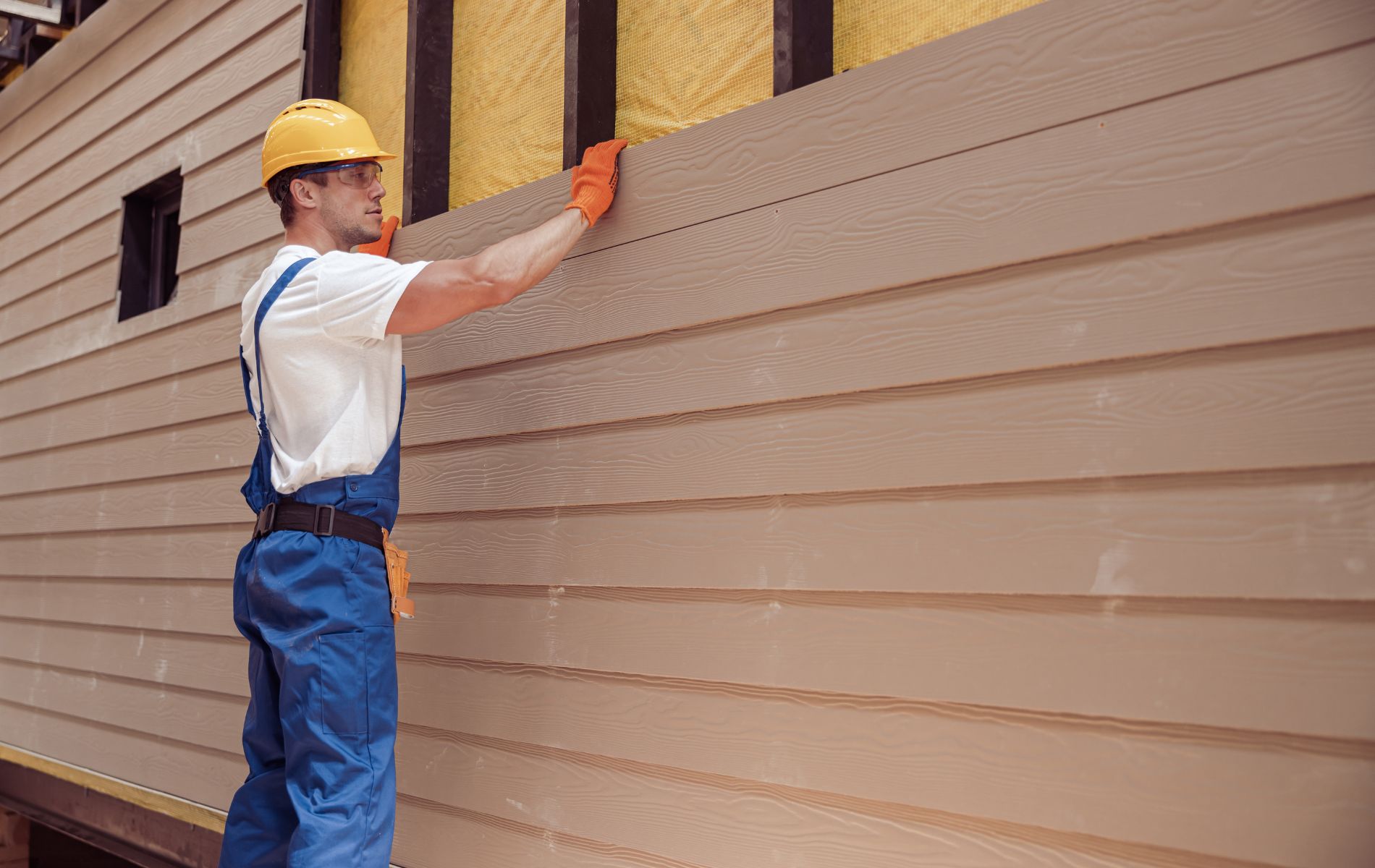
For homeowners in New York City and Westchester County, choosing exterior siding also involves practical considerations. The material must suit the home’s architecture, withstand local weather conditions, and work with the existing exterior structure. Color and style matter, but proper installation, flashing, and moisture management are equally important.
At RH Renovation NYC, we provide siding repair, replacement, and installation services. Our team helps homeowners consider siding colors, models, and materials when planning an exterior improvement project.
In this guide, explore decorative siding ideas, popular design combinations, material considerations, and practical tips for choosing an exterior style that works for your home.
9 Decorative Siding Ideas for Your House
A successful siding design combines visual appeal with the architectural character of the property. Before choosing a style, consider the shape of your house, roof color, windows, entryway, and surrounding landscape.
Here are nine ideas worth considering.
1. Choose Natural and Earthy Siding Colors
Natural colors are a popular choice for homeowners who want an exterior that looks warm, balanced, and timeless. Shades such as beige, warm gray, brown, muted green, and soft cream can complement a wide range of architectural styles.
Earthy siding colors work particularly well when combined with contrasting trim. For example, a warm neutral exterior with white window surrounds can create a clean appearance without making the house look overly plain.
Wood-look siding and natural wood accents can also introduce texture. If you prefer the appearance of wood but want to compare different maintenance requirements, discuss the available material options with your siding contractor.
Design tip: Choose one dominant exterior color and use a complementary shade for trim, corners, or selected architectural features. Keeping the palette controlled helps the overall design look intentional.
2. Create a Two-Tone Siding Design
Two-tone siding is an effective way to give a house more depth without using too many decorative elements. This approach combines two complementary colors or finishes to distinguish different sections of the exterior.
For example, a homeowner might use a lighter siding color across the main walls and a darker shade on the upper gable. Another option is to use a neutral base color with a darker accent around a front-facing section of the house.
The key is to make sure the colors work together and follow the architecture of the building.
When selecting a combination, consider:
- The existing roof color and finish.
- Window frames, doors, and exterior trim.
- The amount of natural light the exterior receives.
- The architectural style and proportions of the house.
- Whether the selected colors complement nearby exterior features.
Avoid combining several strong colors without a clear design plan. Too many competing shades can make the exterior feel visually crowded.
3. Add Board-and-Batten Siding for Vertical Detail
Board-and-batten siding creates a distinctive appearance through vertical panels and narrow strips that cover the joints between them. Its vertical lines can make certain sections of a house appear taller and give the exterior a more structured look.
This style is commonly considered for farmhouse-inspired, transitional, and contemporary homes. It can be used across an entire exterior or reserved for selected areas, such as gables, entryways, and upper wall sections.
A particularly effective approach is to combine vertical board-and-batten detailing with horizontal lap siding. The contrast between the two orientations creates visual interest without requiring multiple colors.
Before choosing this design, consider the scale of the building. Large vertical sections may look appropriate on a spacious facade, while smaller accent areas can be more balanced on a compact home.
4. Introduce Wood-Look Accents Around Entryways
Wood-look accents can add warmth to an exterior that otherwise feels too uniform. They are often used around front entrances, porch ceilings, gables, and selected wall sections.
For example, a home with neutral horizontal siding may benefit from a contrasting wood-look feature around the entrance. This creates a natural focal point and helps draw attention to the front door.
Natural wood and wood-look products have different maintenance requirements. Natural wood may need periodic finishing and protection, while manufactured alternatives vary by product and installation specification.
When considering an accent, think about how it relates to the roof, doors, windows, and other exterior finishes. The goal is to make the accent feel like part of the original design rather than an isolated decoration.
5. Mix Horizontal and Vertical Siding Styles
Combining horizontal and vertical siding is another way to create a more distinctive house exterior.
Horizontal lap siding provides a familiar, traditional appearance. Vertical siding introduces a different visual direction and can help separate architectural sections.
One possible arrangement is to use horizontal siding across the main walls and vertical siding on the front-facing gables. Another is to use vertical panels around an entryway or on a selected exterior feature wall.
The transition between the two siding styles should be carefully planned. Corners, trim boards, flashing, and other finishing details need to be coordinated so the finished exterior looks consistent.
This combination is especially useful when you want to add character without relying entirely on contrasting colors.
6. Combine Different Siding Textures
Color is not the only way to create an interesting exterior. Different siding textures can provide depth even when the entire house uses a similar color palette.
For example, smooth horizontal siding can be combined with a textured shingle-style accent on a gable. Panel siding can also create a different appearance from traditional lap siding.
The important thing is to avoid combining too many patterns. Choose one main siding profile and one complementary accent style. This helps maintain a clear visual hierarchy.
When comparing finishes, look at actual product samples in natural daylight. A texture that appears subtle in a showroom may look more pronounced across a large exterior wall.
7. Use Contrasting Window and Door Trim
Decorative trim can make a noticeable difference without changing the entire siding layout.
Contrasting window surrounds, door trim, corner boards, and fascia can help define the architectural features of a house. For instance, light trim against darker siding creates a strong outline, while trim in a similar shade produces a more understated appearance.
Window and door details should be planned as part of the complete siding design. The trim must fit properly around openings and work with the flashing and water-management details behind the exterior finish.
Avoid treating trim as a purely decorative addition. Poorly detailed openings can allow water to reach areas behind the siding.
8. Highlight Gables and Architectural Features
Gables, dormers, porch sections, and front-facing extensions offer opportunities to introduce decorative siding without overwhelming the entire house.
A gable can be highlighted with a different siding orientation, a contrasting color, or a complementary texture. This draws attention to the shape of the roofline and gives the facade more definition.
For example, a home with simple horizontal siding might use vertical siding in the front gable. A different option is to use a shingle-style accent in a selected upper section.
Keep the design consistent with the home’s architectural proportions. An accent should emphasize an existing feature rather than make the exterior appear unbalanced.
9. Use Subtle Color Variations for a Refined Exterior
Not every decorative siding design needs a dramatic contrast. Subtle color variations can create a sophisticated appearance while keeping the overall facade calm.
Consider using two closely related neutral shades, such as warm gray and light gray, or cream and soft beige. A slightly darker shade can distinguish the upper section or a feature wall without creating a sharp visual break.
You can also introduce variation through different siding profiles rather than different colors. This approach is useful when you want a distinctive exterior but prefer a restrained color scheme.
Before finalizing the selection, review large samples against the house. Small color chips may look different when applied across an entire wall.
How to Choose the Right Decorative Siding Design
Choosing a design should begin with the house itself. A siding style that looks attractive on one property may not suit another because of differences in rooflines, window placement, proportions, and architectural details.
Consider these factors before making a decision.
Match the Siding to Your Home’s Architecture
Start by identifying the architectural character of your house. Traditional homes may suit horizontal lap siding, shingle-style accents, or carefully selected trim details. Contemporary properties may work well with larger panels, vertical profiles, and restrained color combinations.
You do not have to follow a strict architectural rule. However, the siding design should complement the proportions and existing features of the building.
Consider the Roof, Windows, and Exterior Details
Siding should not be selected in isolation. The roof, windows, doors, gutters, and trim all contribute to the final appearance.
For example, a dark roof may pair well with lighter siding, while a neutral roof can provide more flexibility when choosing exterior colors.
Look at the house from the street and consider how the colors will work together across the complete facade.
Think About Long-Term Maintenance
Different siding materials have different maintenance requirements. Some may need periodic painting or finishing, while others are designed to retain their appearance with less frequent upkeep.
Before choosing a product, ask about:
- Cleaning and maintenance requirements.
- Resistance to moisture and weather exposure.
- Whether repainting or refinishing may be needed.
- Manufacturer care instructions.
- Available product and finish warranties.
A design should be attractive, but it should also be practical for the amount of maintenance you are prepared to manage.
Review Samples Before Making a Final Selection
Siding colors can appear different depending on sunlight, shade, and surrounding materials. A color that looks attractive on a small sample may feel much stronger when installed across a large exterior wall.
If possible, compare samples outdoors and view them at different times of day. Look at them alongside the roof, window frames, and other permanent exterior features.
Which Siding Materials Can Support Decorative Designs?
The material you choose affects the appearance, maintenance, installation requirements, and overall performance of your exterior.
The following are common siding categories homeowners may compare when planning a decorative exterior.
Vinyl Siding
Vinyl siding is available in different colors, profiles, and finishes. It can be used for traditional horizontal designs as well as selected decorative combinations.
Homeowners often compare vinyl siding because it offers a range of appearance options and does not require routine painting in the same way as many wood products.
However, product quality, installation, and the condition of the wall beneath the siding all matter. Ask about the specific product, accessories, and manufacturer installation requirements before choosing it.
Fiber Cement Siding
Fiber cement siding is available in different profiles and finishes, including products designed to resemble traditional wood siding.
Depending on the product, it can support horizontal lap, vertical board-and-batten, and other exterior design approaches.
Installation details are important. Fiber cement products have specific requirements for cutting, fastening, clearances, and finishing. The contractor should follow the manufacturer’s instructions for the selected product.
Engineered Wood Siding
Engineered wood siding is manufactured to provide a wood-based exterior appearance with product-specific protective treatments and finishes.
It can be considered for homeowners who like the look of traditional wood but want to compare manufactured alternatives.
Check the manufacturer’s requirements for installation, clearances, finishing, and maintenance. Performance depends on the specific product and how it is installed and maintained.
Natural Wood Siding
Natural wood siding provides an authentic appearance and can bring warmth and texture to a home’s exterior.
It is available in different profiles and can be used for full exterior coverage or selected decorative accents. However, natural wood generally requires more attention to moisture protection and ongoing maintenance than some manufactured alternatives.
Before choosing it, consider the exposure of the wall, the required finish, and the time and cost associated with future maintenance.
Important: No siding material should be treated as a substitute for a properly designed wall water-management system. The siding, flashing, drainage provisions, and protective layers behind the cladding must work together.
Decorative Siding Mistakes Homeowners Should Avoid
A visually appealing design still needs to work as a complete exterior system. Avoid these common mistakes when planning a siding project.
Using Too Many Colors
Combining several strong colors can make a facade feel cluttered. Start with one primary color and add a limited number of complementary accents.
Mixing Too Many Siding Profiles
Using lap, vertical, panel, and shingle-style siding across multiple sections can create unnecessary visual competition. Choose a main profile and use other styles selectively.
Ignoring the Roof and Trim
The siding should complement the roof, windows, doors, gutters, and other exterior finishes. Always evaluate the complete color combination before approving the final selection.
Choosing Appearance Over Installation Quality
Decorative siding cannot compensate for poor preparation or incorrect installation. Existing wall conditions, flashing, drainage, and transitions around windows and doors must be addressed as part of the project.
Overlooking Existing Wall Damage
Installing new siding over concealed moisture damage or deteriorated materials can create more serious problems later. The contractor should assess the existing exterior and explain any necessary repairs before installation begins.
Why Professional Siding Installation Matters
Siding is more than the visible finish of a house. It is part of the exterior wall assembly, and its installation affects how the wall manages water and exposure to the elements.
Before installation, the existing siding and wall condition should be evaluated. Depending on the project, preparation may involve removing old materials, checking the underlying surfaces, addressing damaged areas, and preparing the wall for the new siding system.
Particular attention should be given to:
- Window and door openings: Proper flashing and detailing help manage water around openings.
- Wall transitions: Corners, roof intersections, and changes in siding direction require suitable finishing details.
- Moisture management: The siding should be installed as part of a wall system that accounts for drainage and water protection.
- Manufacturer specifications: Fastening, spacing, clearances, and finishing should follow the requirements for the selected product.
- Final inspection: The finished installation should be checked for alignment, secure attachment, and consistent detailing.
These details are especially important when combining multiple siding styles or materials because transitions introduce additional installation considerations.
Decorative Siding Installation in NYC: Work With RH Renovation NYC
Planning a new exterior? RH Renovation NYC provides siding repair, siding replacement, and siding installation services for homeowners in the New York area.
Our team works with homeowners to consider siding colors, models, and materials based on the property’s existing exterior and improvement goals. Whether you are replacing damaged siding or planning a different appearance for your house, the first step is understanding the condition of the existing walls and the scope of work required.
A siding project may involve more than choosing a new color. The existing material, wall preparation, trim, flashing, and installation details all influence the finished result.
RH Renovation NYC serves homeowners across the Bronx and Westchester, with additional service coverage in the wider New York City area. We can discuss your siding project and help you arrange an estimate.
Planning a siding upgrade?
Call RH Renovation NYC at (646) 818-4305 or contact our team to request a siding estimate.
You can also learn more about our siding repair and installation services.
Frequently Asked Questions About Decorative Siding Ideas
What are the most popular decorative siding ideas for houses?
Popular options include two-tone siding, board-and-batten profiles, wood-look accents, mixed horizontal and vertical siding, contrasting trim, and decorative gable details. The best option depends on the home’s architecture, roof color, and overall exterior design.
Can you combine two different siding styles on one house?
Yes. Combining horizontal lap siding with vertical board-and-batten or shingle-style accents can create visual contrast. The key is to use the styles selectively and plan the transitions carefully so the exterior looks balanced.
What siding colors make a house look more modern?
Neutral colors such as warm gray, charcoal, cream, beige, and soft white are often used in modern exterior designs. Some homeowners combine a lighter main color with darker trim or a contrasting accent section.
Is board-and-batten siding suitable for an entire house?
Board-and-batten siding can be used across an entire house or on selected architectural sections. The right approach depends on the building’s proportions, the product selected, and the overall design.
Which siding material is best for decorative designs?
There is no single best material for every home. Vinyl, fiber cement, engineered wood, and natural wood each have different appearance options, installation requirements, and maintenance considerations. Compare specific products rather than choosing based on material name alone.
Does new siding help improve curb appeal?
A well-planned siding replacement can significantly change the appearance of a property. New colors, profiles, and trim details can make an exterior look more coordinated and updated. The result depends on the design, material quality, and installation.
How do I choose the right siding design for my house?
Start with your home’s architectural style, roof color, windows, and existing exterior features. Compare material samples, consider maintenance requirements, and consult a qualified siding contractor before making a final selection.
Does decorative siding need special installation?
Decorative siding generally requires the same attention to proper wall preparation, flashing, fastening, and moisture management as other siding systems. Designs that combine multiple profiles or materials may also require carefully planned transitions and finishing details.