Fixing Roof Joist Damage from Water or Insects in Westchester Homes
Roof joists and ceiling framing form the structural backbone holding your top-floor ceilings and roof deck together. In Westchester County, where historic Victorians, Colonials, and mid-century split-levels contend with heavy winter snowpacks, driving nor’easters, and humid summers, framing lumber is regularly put to the test. When chronic roof leaks, ice dams, or wood-boring insects compromise these vital structural members, the safety of your entire home is put at risk.
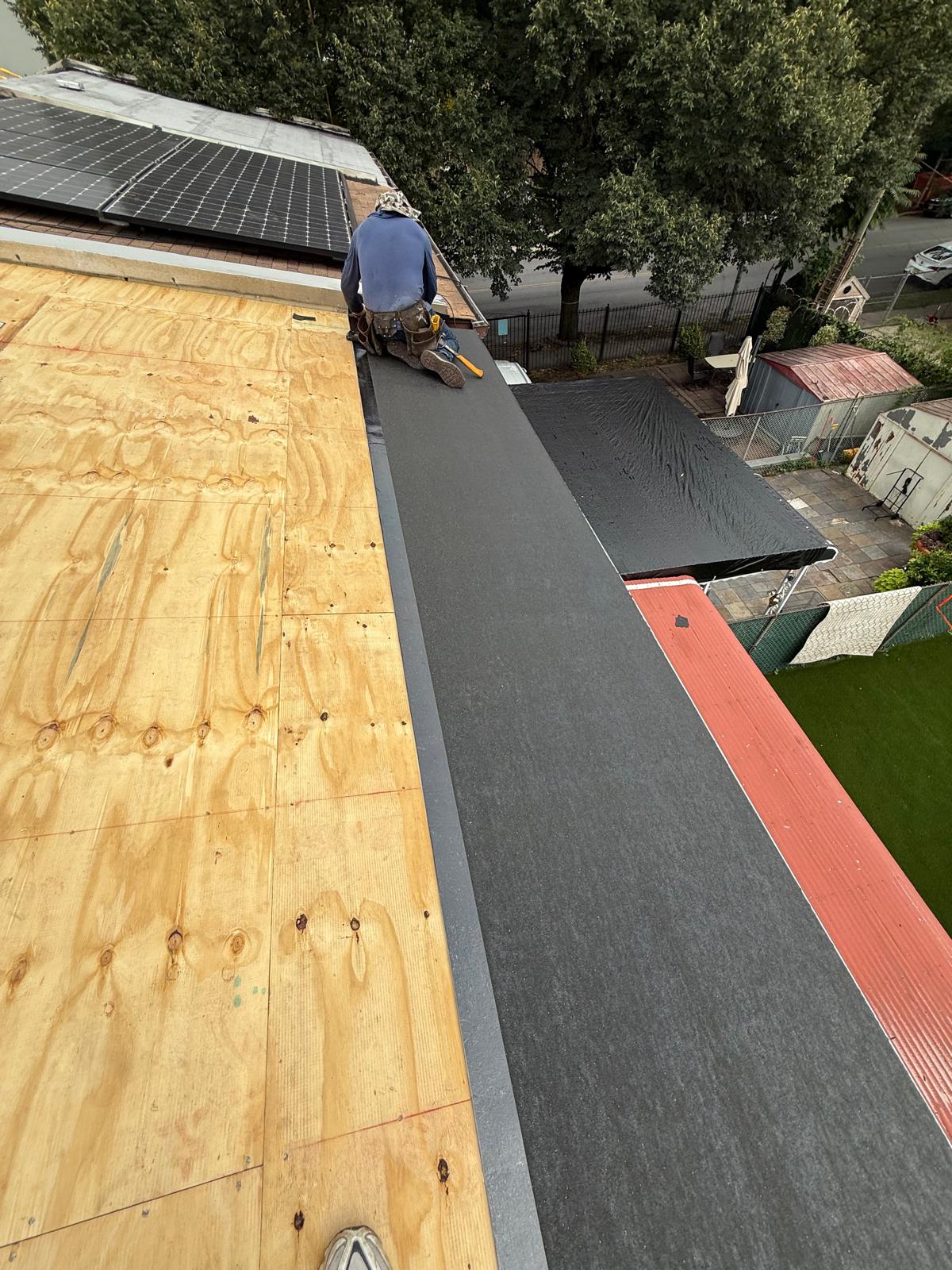
Unlike minor cosmetic issues, compromised roof joists cannot be ignored or simply painted over. Understanding how water and pests degrade framing lumber—and knowing how professional structural repairs are executed—is essential for safeguarding your Westchester property.
How to Identify Roof Joist Damage: Telltale Signs in Westchester Homes
Because roof joists are typically hidden behind drywall ceilings or tucked away in cramped attics, structural decay often progresses silently for months. Property owners usually discover the damage only after the wood has lost its load-bearing capacity. Watch for these primary warning signs:
- Sagging Ceilings or Rooflines: If a ceiling plane begins to dip or bow downward, or if your roof deck shows an exterior depression, it indicates that the underlying joists or rafters have lost their structural integrity.
- Staining and Discoloration: Brown water rings, yellow halos, or damp patches on top-floor ceilings are clear indicators of active or past roof leaks that may have soaked the framing above.
- Musty Odors or Mold Growth: Wood saturated by chronic leaks or high attic humidity breeds mold. A persistent damp smell in the upper levels of your home frequently points to rotting wood structural elements.
- Frass, Mud Tubes, or Exit Holes: Pest-induced damage leaves distinct evidence. Termites leave behind mud tubes along masonry and wood, carpenter ants push out fine sawdust-like debris (frass), and powderpost beetles leave tiny circular exit holes.
- Soft or Spongy Wood: Poking a suspected timber with a screwdriver or ice pick will reveal decay if the tool easily penetrates the grain or if the wood crumbles.
The Two Main Culprits: Water Intrusion vs. Wood-Boring Insects
Roof framing failure in the Northeast typically stems from two primary sources: moisture accumulation or wood-destroying insects. Frequently, the two go hand in hand.
1. Water Damage (Wet Rot and Dry Rot)
Water is timber’s greatest enemy. In Westchester homes, moisture enters the roof assembly through several common pathways:
- Ice Dams: During freezing winters, heat escaping from the living space melts snow on the roof. The water refreezes at the cold eaves, forming a dam that forces pooling water backward under the shingles and directly onto the framing.
- Failed Flashing and Roofing Valleys: Worn step flashing around chimneys, vent pipes, or skylights allows rain to track downward into ceiling joists.
- Inadequate Attic Ventilation: Poor airflow traps high humidity inside the attic, causing condensation to collect continuously on cold framing members during spring and autumn.
When wood moisture content stays above 20% for prolonged periods, fungi thrive. Wet rot makes wood soft, dark, and spongy, while dry rot (Serpula lacrymans) digests the wood’s cellulose, leaving behind cracked, brittle timber that breaks apart in dry cubic chunks.
2. Wood-Boring Insects
Insects target damp, weakened, or softened wood with high preference:
- Subterranean Termites: While more commonly associated with sill plates and foundation framing, termites can tunnel upward through wall cavities to reach upper-story framing if moisture is present. They eat wood along the grain, leaving hollowed-out shells.
- Carpenter Ants: These large ants do not eat wood; instead, they excavate damp joists to carve out nesting galleries. Piles of coarse sawdust beneath a timber are a hallmark sign of infestation.
- Powderpost Beetles: The larvae of these beetles bore extensively through interior framing lumber, reducing the structural core of the joist to fine powder over successive generations.
Professional Assessment: Can a Damaged Joist Be Repaired or Must It Be Replaced?
Not all structural damage requires a complete tear-out. A licensed structural contractor evaluates the framing using specific engineering criteria:
- Extent of Section Loss: If rot or insect galleries affect less than 25% of the cross-section and are localized, reinforcement may be viable. If structural degradation exceeds 30% to 50%, or spans a critical load-bearing zone, replacement or heavy structural sistering is mandatory.
- Location Along the Span: Damage occurring near the ends of joists where they rest on bearing walls is more critical than minor mid-span surface blemishes, as shear stresses are highest at support points.
- Active vs. Historic Damage: An active leak or ongoing pest colony must be completely eradicated before any structural remedy is initiated. Installing new wood into an uncorrected wet or infested environment guarantees rapid failure.
Step-by-Step Professional Repair Process for Roof Joists
Repairing structural roof framing requires precision, temporary shoring, and strict adherence to building codes. Here is how professional structural contractors handle compromised joists:
Step 1: Temporary Shoring and Stabilization
Before any damaged wood is cut or removed, temporary support walls or heavy-duty adjustable steel posts (jack posts) are erected beneath the affected span. This transfers the dead and live loads safely to lower, stable floors, preventing ceiling collapses or structural shifts during construction.
Step 2: Eliminating the Root Cause
The underlying source of moisture or pests must be permanently resolved. This may involve re-roofing the problem area, installing proper ice-and-water shield membranes, upgrading attic ventilation baffles, or coordinating professional pest extermination.
Step 3: Wood Removal or “Sistering”
Depending on the severity of the compromise, contractors utilize two primary remediation techniques:
- Joist Sistering: For moderate damage, a new piece of structural lumber (matched in species, grade, and dimensions) is installed directly alongside the damaged joist. This “sister” joist extends well beyond the compromised zone into sound, undamaged wood on both ends. They are fastened together using structural steel bolts, carriage screws, or engineered nail patterns specified by structural engineering standards.
- Full or Partial Replacement: If structural integrity is severely compromised, the damaged section is cut out entirely. A new lumber section is spliced in using professional joinery, metal connector plates, or full-span replacement tied securely into the existing building framework.
Step 4: Applying Protective Coatings and Sealants
Once structural connections are verified, exposed framing timbers are treated with borate-based wood preservatives to deter future insect attacks and inhibit fungal growth. Moisture-resistant primers and sealants are applied where necessary.
Preventing Future Roof Framing Damage in Westchester
Protecting your investment requires proactive seasonal maintenance, particularly given Westchester’s demanding weather patterns:
- Inspect Your Attic Annually: Check your attic space twice a year—ideally after heavy winter snowmelts and severe summer storms—for signs of damp insulation, water stains, or insect frass.
- Keep Gutters and Downspouts Clear: Clogged gutters cause water to overflow back against fascia boards and soffits, trickling directly into outer roof joist ends.
- Maintain Roof Flashing: Have a professional inspect roof penetrations, valleys, and chimneys every few years to catch degraded flashing before leaks reach the framing.
- Ensure Balanced Attic Ventilation: Make sure your soffit and ridge vents are unblocked by insulation so warm, moist air can escape freely, preventing condensation buildup.
When to Call Professional Help
Compromised roof framing is never an appropriate DIY weekend project. Because roof joists carry vital dead and live loads, improper cutting, sizing, or fastening can result in catastrophic structural failure, sagging rooflines, or code violations during future home sales.
If you suspect water or insect damage in your roof framing, expert intervention is essential. For Westchester homeowners seeking comprehensive structural solutions, professional evaluation ensures your home remains safe, dry, and structurally sound. To explore integrated restoration options, visit our RH Renovation NYC.
Frequently Asked Questions
Can I just patch a rotten roof joist with wood filler?
No. Wood fillers, epoxies, and surface patch kits are strictly cosmetic or suitable for minor non-structural trim. They possess zero structural load-bearing capacity. Structural framing components with deep rot must be reinforced via sistering or replaced with sound lumber.
How much does it cost to repair roof joist damage?
Repair costs vary significantly based on accessibility, the extent of the damage, whether drywall needs to be removed and replaced, and whether structural engineering plans are required. Localized sistering is far more cost-effective than extensive framing replacement.
Does homeowners insurance cover roof joist water damage?
Insurance coverage depends entirely on the root cause. Sudden, accidental events (such as a tree limb puncturing the roof or a sudden plumbing burst) are typically covered. However, damage resulting from long-term neglect, deferred maintenance, wear and tear, or slow, unaddressed roof leaks is generally excluded from standard policies.