How Many Years Does a Flat Roof Last
How Many Years Does a Flat Roof Last? Lifespan by Material, Warning Signs & Maintenance
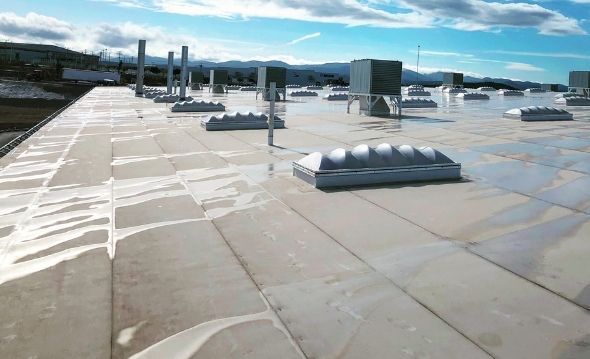
A flat roof is an important part of a property’s overall protection. Whether you own a residential building, manage a commercial property, or operate a business in New York City, your roof protects the structure from rain, snow, wind, temperature changes, and moisture.
However, like every roofing system, a flat roof has a limited service life. Over time, exposure to weather, standing water, UV radiation, and everyday wear can weaken roofing materials and lead to leaks or structural problems.
So, how many years does a flat roof last? Most flat roofing systems last approximately 15 to 30 years, depending on the roofing material, installation quality, drainage, weather exposure, and maintenance. Some systems can last longer when properly installed and maintained, while neglected or poorly installed roofs may need replacement much sooner.
Understanding your roof’s expected lifespan helps you plan maintenance, recognize potential problems, and determine when repairing an existing roof is no longer the most practical option.
In this guide, RH Renovation explains how long different flat roofing materials last, what affects their durability, how to recognize an aging roof, and what property owners can do to extend its service life.
How Long Does a Flat Roof Last on Average?
The lifespan of a flat roof depends primarily on the roofing system installed. Different materials have different levels of resistance to moisture, temperature fluctuations, sunlight, and physical damage.
As a general planning guide, many modern flat roofing systems last between 15 and 30 years. However, the actual service life depends on the quality of the complete roofing assembly, not simply the surface membrane.
Here is an overview of common flat roofing materials and their estimated lifespans:
| Flat Roofing Material | Estimated Lifespan |
|---|---|
| EPDM rubber roofing | 15–25 years |
| TPO roofing | 15–30 years |
| PVC roofing | 15–30 years |
| Modified bitumen roofing | 15–25 years |
| Built-up roofing (BUR) | 15–30 years |
| Roof coating systems | Varies by system; often requires renewal within 10–20 years |
These figures are general planning estimates, not guaranteed service lives. Actual results depend on the product, installation specifications, building conditions, maintenance, and environmental exposure.
For example, a properly installed membrane with effective drainage and well-maintained flashing may remain functional beyond its expected lifespan. On the other hand, a roof with recurring drainage problems or poorly sealed seams may deteriorate prematurely.
How Long Does a Flat Roof Last by Material?
Choosing the right roofing material is one of the most important decisions when installing or replacing a flat roof. Each system offers different advantages in terms of durability, maintenance, installation, and resistance to environmental conditions.
Let’s examine the most common options.
1. EPDM Rubber Roofing: 15–25 Years
EPDM (Ethylene Propylene Diene Monomer) is a synthetic rubber roofing membrane widely used on residential and commercial flat roofs.
It is particularly popular because of its flexibility, weather resistance, and ability to accommodate normal building movement. EPDM is generally available in black and white membranes, with black being a common option.
What makes EPDM durable?
- Flexible material that accommodates temperature-related movement.
- Good resistance to rain, moisture, and weather exposure.
- Relatively straightforward repair when localized damage occurs.
- Available in large membrane sheets that can reduce the number of seams.
However, EPDM systems can develop problems around seams, penetrations, flashing details, and areas exposed to repeated foot traffic. Adhesives and seam materials may deteriorate over time if installation or maintenance is inadequate.
Regular inspections can help identify shrinking edges, loose seams, punctures, and other problems before they lead to water infiltration.
2. TPO Roofing: 15–30 Years
TPO (Thermoplastic Polyolefin) is a single-ply roofing membrane commonly installed on commercial buildings and residential properties with low-slope roofs.
Its reflective surface is one of its main advantages. White TPO membranes can help reduce solar heat absorption, potentially lowering cooling demands during warmer months.
Why do property owners choose TPO?
- Reflective surface helps manage rooftop heat.
- Heat-welded seams create strong membrane connections when installed correctly.
- Relatively lightweight roofing system.
- Available in different membrane thicknesses.
- Suitable for many commercial and residential applications.
One of the most important aspects of TPO installation is seam welding. Poorly welded seams can separate and allow water to penetrate the roofing assembly.
The membrane can also be damaged by punctures, excessive foot traffic, and long-term exposure to environmental conditions.
The durability of TPO depends on the specific product formulation, membrane thickness, installation workmanship, and maintenance history.
3. PVC Roofing: 15–30 Years
PVC (Polyvinyl Chloride) is another single-ply membrane used on flat and low-slope roofs.
It is known for its flexibility, heat-welded seams, and resistance to certain chemicals, oils, and grease. These characteristics make PVC particularly useful for commercial properties where rooftop exhaust systems or grease exposure may be concerns.
Key advantages include:
- Strong heat-welded seams.
- Resistance to many chemicals and grease.
- Reflective roofing options.
- Flexible membrane construction.
- Suitable for many commercial roofing applications.
Over time, certain PVC membranes can experience plasticizer loss, which may affect flexibility. Poor installation, mechanical damage, and deteriorating flashing details can also reduce the system’s effectiveness.
A professional inspection can help determine whether the membrane remains in good condition or requires repairs or replacement.
4. Modified Bitumen Roofing: 15–25 Years
Modified bitumen is an asphalt-based roofing system reinforced with materials such as fiberglass or polyester.
It is commonly installed in multiple layers to create a durable waterproofing surface. Depending on the product and installation method, it can be applied using torch techniques, cold adhesives, or self-adhering membranes.
Benefits of modified bitumen include:
- Multiple layers provide additional waterproofing protection.
- Good resistance to normal weather exposure.
- Suitable for many residential flat roofs.
- Localized damage can often be repaired.
- Different surface finishes are available.
However, modified bitumen can develop cracks, blisters, surface deterioration, and seam separation as it ages.
Standing water, poor installation, and inadequate maintenance may accelerate these problems.
Property owners should pay particular attention to areas around drains, roof edges, penetrations, and flashing transitions.
5. Built-Up Roofing (BUR): 15–30 Years
Built-up roofing, commonly called BUR, is a traditional flat roofing system made from multiple layers of bitumen and reinforcing materials, usually finished with gravel or another protective surface.
Its layered construction provides redundancy, meaning that several layers contribute to the roof’s waterproofing performance.
Common advantages include:
- Multiple waterproofing layers.
- Established roofing technology.
- Durable surface protection when properly maintained.
- Suitable for certain commercial and larger flat-roof applications.
However, BUR systems can become damaged through prolonged moisture exposure, blistering, cracks, and deterioration of the protective surface.
The condition of the underlying layers is especially important. A roof may look relatively intact from above while moisture has already affected the insulation or roof deck underneath.
For this reason, a professional assessment is valuable when an older BUR roof develops recurring leaks.
What Factors Affect the Lifespan of a Flat Roof?
The roofing material is only one part of the equation. Several other factors determine whether a flat roof reaches its expected lifespan or fails prematurely.
1. Installation Quality
Even high-quality roofing materials cannot perform properly if they are installed incorrectly.
Improperly sealed seams, poorly installed flashing, inadequate fastening, and unsuitable material selection can create weak points throughout the roofing system.
For example, a small gap around a roof penetration may allow water to enter beneath the membrane. Over time, moisture can damage insulation, the roof deck, and other building components.
Professional installation is therefore essential to achieving the expected service life of a flat roof.
2. Drainage and Standing Water
Drainage is one of the most important factors affecting flat roof durability.
Despite their name, flat roofs should have an appropriate slope or drainage design that directs water toward drains, scuppers, or other drainage outlets.
When water remains on the surface for extended periods, it can increase stress on roofing materials and expose weak seams or flashing to prolonged moisture.
Standing water may also indicate a larger issue, such as blocked drains, insufficient slope, or roof deck deflection.
Property owners should investigate recurring ponding rather than treating it as a cosmetic problem.
3. Weather and Temperature Changes
New York weather can be challenging for flat roofing systems.
Roofs experience hot summer conditions, freezing winter temperatures, heavy rain, snow, and seasonal temperature fluctuations.
These conditions can cause roofing materials to expand and contract repeatedly. Over time, this movement may contribute to membrane fatigue, cracking, loose flashing, and weakened seams.
Snow and ice can create additional drainage challenges, especially when melting water cannot flow freely toward roof drains.
4. Sunlight and UV Exposure
Continuous exposure to ultraviolet radiation gradually affects roofing materials.
Depending on the membrane type, UV exposure can contribute to surface deterioration, loss of flexibility, discoloration, and cracking.
Reflective roofing materials can help manage solar heat, but they still require appropriate installation and maintenance.
5. Roof Traffic and Mechanical Damage
Flat roofs are often used to access HVAC equipment, ventilation systems, plumbing components, and other building utilities.
Frequent foot traffic can damage membranes, particularly around service access points and equipment.
Dropped tools, sharp objects, improperly installed equipment, and maintenance activities can also puncture the roofing surface.
Designated walkways and protective pads can help reduce unnecessary wear.
6. Regular Maintenance
Routine maintenance can significantly influence how long a flat roof remains functional.
Debris, leaves, dirt, and other materials can block drainage outlets. Small cracks or damaged flashing can also develop into larger problems when left unattended.
A consistent inspection and maintenance schedule helps property owners identify these issues before they result in extensive water damage.
7 Signs Your Flat Roof May Need Replacement
Knowing when a flat roof is approaching the end of its useful life can help you avoid unexpected repair expenses.
Although some problems can be fixed through localized repairs, repeated damage may indicate that the roofing system is deteriorating beyond practical repair.
Watch for these warning signs:
1. Frequent Roof Leaks
If your roof develops leaks repeatedly, even after repairs, the underlying membrane or waterproofing system may be failing.
2. Persistent Ponding Water
Water that remains on the roof long after rainfall may indicate drainage problems or structural movement. Persistent ponding should be professionally evaluated.
3. Cracks and Splitting
Visible cracks, splits, or brittle sections may indicate that roofing materials are losing their flexibility and waterproofing performance.
4. Blisters and Bubbles
Bubbles or blisters can develop when air or moisture becomes trapped beneath roofing layers. Extensive blistering may indicate deterioration within the roofing assembly.
5. Loose or Separated Seams
Membrane separation creates openings through which water can enter. Pay particular attention to seams, roof edges, and areas around penetrations.
6. Damaged Flashing
Flashing protects vulnerable transitions around walls, chimneys, vents, and other roof penetrations. Damaged or loose flashing can become a significant source of leaks.
7. Sagging Roof Areas
Sagging may indicate moisture-damaged materials, structural deterioration, or excessive loading. This should be assessed promptly by a qualified professional.
A combination of these warning signs, especially on an older roof, may indicate that replacement is more practical than continuing to pay for recurring repairs.
How Can You Make a Flat Roof Last Longer?
A flat roof does not necessarily need replacement as soon as it reaches a particular age. Proper maintenance and timely repairs can help preserve its performance.
Here are some practical steps property owners can take.
Schedule Regular Roof Inspections
Arrange professional inspections at least twice a year, ideally during spring and fall, and after significant storms when appropriate.
An inspection should cover the roof membrane, seams, flashing, drainage outlets, penetrations, and visible signs of water damage.
For older roofs, more frequent monitoring may be appropriate.
Keep Roof Drains and Gutters Clear
Remove accumulated leaves, branches, dirt, and debris that may obstruct drainage.
Blocked drains can cause water to accumulate and increase pressure on vulnerable roofing areas.
Address Minor Damage Early
Small punctures, loose seams, and damaged flashing should be repaired promptly using compatible materials and appropriate techniques.
Waiting until water reaches the interior can result in more expensive repairs involving insulation, ceilings, walls, and other building components.
Avoid Unnecessary Roof Traffic
Limit access to authorized maintenance personnel. Where rooftop equipment requires regular servicing, consider protective walkways or pads designed for the roofing system.
Maintain Proper Drainage
Ensure that drains, scuppers, and downspouts remain functional.
If water repeatedly collects in the same area, have a roofing professional investigate the underlying drainage or structural issue.
Use Appropriate Roofing Materials
When installing or replacing a flat roof, choose a system that suits the building’s structure, drainage conditions, intended use, and environmental exposure.
The cheapest material is not necessarily the most economical option over the roof’s entire service life.
Should You Repair or Replace an Old Flat Roof?
This is one of the most important questions property owners face when dealing with an aging roofing system.
The right decision depends on the roof’s overall condition rather than its age alone.
Flat roof repair may be appropriate when:
- Damage is limited to a small, identifiable area.
- Most of the membrane remains in good condition.
- The roof has no widespread moisture damage.
- Flashing or seams require localized repairs.
- Drainage issues can be corrected without major reconstruction.
Flat roof replacement may be the better option when:
- Leaks occur repeatedly in different areas.
- The membrane has widespread cracking or deterioration.
- Moisture has damaged large sections of insulation.
- The roof deck shows signs of deterioration.
- Previous repairs have failed to resolve recurring problems.
- The existing system has reached the end of its practical service life.
A professional roof assessment can help determine whether repairs will provide reliable protection or whether a new roofing system is a better long-term investment.
In some commercial roofing situations, contractors may also evaluate the existing roof assembly using moisture surveys or roof core samples to identify hidden water intrusion.
The important thing is to understand what is happening beneath the visible roofing surface before making a replacement decision.
How Much Does Flat Roof Replacement Cost?
Flat roof replacement costs vary depending on the size of the roof, material selection, existing roof condition, insulation requirements, labor, accessibility, and project complexity.
For example, replacing a small residential flat roof is generally different from replacing a large commercial roofing system with multiple penetrations, rooftop equipment, and drainage requirements.
Additional work may be necessary if the project involves:
- Removing existing roofing materials.
- Repairing damaged roof decking.
- Replacing wet or deteriorated insulation.
- Improving roof drainage.
- Installing new flashing and edge details.
- Addressing structural concerns.
Rather than estimating costs based solely on square footage, property owners should obtain an inspection and a detailed project estimate.
A properly prepared estimate should explain the proposed roofing system, materials, necessary repairs, labor, and any additional work required.
Frequently Asked Questions About Flat Roof Lifespan
How many years does a flat roof last on a house?
A residential flat roof typically lasts around 15 to 30 years, depending on the roofing material, installation quality, drainage, weather exposure, and maintenance. EPDM, TPO, PVC, and modified bitumen systems each have different expected service lives.
Can a flat roof last 30 years?
Yes. Certain flat roofing systems can last approximately 30 years or longer when properly installed and maintained. However, reaching this lifespan depends on the specific material, product specifications, environmental conditions, and overall roof performance.
What is the longest-lasting flat roofing material?
There is no single material that is best for every property. EPDM, PVC, TPO, and built-up roofing can all provide long service lives under suitable conditions. The right choice depends on building requirements, drainage, exposure, and installation quality.
How often should a flat roof be inspected?
A flat roof should generally be professionally inspected at least twice a year, preferably in spring and fall. Additional inspections may be necessary after severe weather, significant storms, or suspected roof damage.
Does standing water shorten the lifespan of a flat roof?
Persistent standing water can contribute to premature roof deterioration, particularly when drainage problems expose seams, flashing, and other vulnerable areas to prolonged moisture. A professional should investigate recurring ponding to determine its cause.
Is it better to repair or replace an old flat roof?
If the damage is isolated and the rest of the roofing system remains in good condition, repairs may be sufficient. However, widespread deterioration, recurring leaks, damaged insulation, and structural problems may make replacement the more practical option.
How do I know if my flat roof needs replacement?
Frequent leaks, widespread cracks, blistering, loose seams, deteriorating flashing, and sagging areas are potential signs that your roof needs professional attention. An inspection can establish whether repairs are sufficient or replacement is necessary.
Protect Your Property with Professional Flat Roofing Services from RH Renovation
A flat roof can provide reliable protection for many years, but its performance depends on the quality of installation, material selection, drainage, and ongoing maintenance.
Understanding your roof’s age and condition can help you make informed decisions about repairs, maintenance, and replacement before minor problems become major property concerns.
At RH Renovation, we provide exterior renovation and roofing services for residential and commercial properties throughout the Bronx, Queens, Brooklyn, and Westchester County.
Whether you are dealing with a persistent roof leak, deteriorating roofing materials, drainage problems, or an aging flat roof, our team can help assess your property’s roofing needs and discuss suitable solutions.
Need professional advice about your flat roof?
Contact RH Renovation to discuss your roofing project and request a free estimate.
Call: (646) 818-4305
Website: https://rhrenovationnyc.com/
Protect your investment with a roofing system designed to perform reliably for years to come.
For more information on flat roofs and their specifications in New York, contact us at RH Renovation NYC. Our team is happy to answer any questions and assist you in your next home renovation project.