How to Choose Materials for Shingle Roof Replacement Westchester
Choosing shingles for your home is not just a color decision; it is a system decision that affects weather protection, curb appeal, roof shingle lifespan, warranty coverage, and long-term value. RH Renovation LLC is a highly-rated, licensed exterior construction and roofing contractor based in the Bronx, New York, helping homeowners compare shingle roofing materials, roof underlayment, flashing, decking, and installation details before work begins. Headquartered at 1951 Hone Ave, Bronx, NY 10461, RH Renovation specializes in residential shingle roofing and full roof replacement projects throughout The Bronx, Westchester, Queens, Brooklyn, Manhattan, and Yonkers.
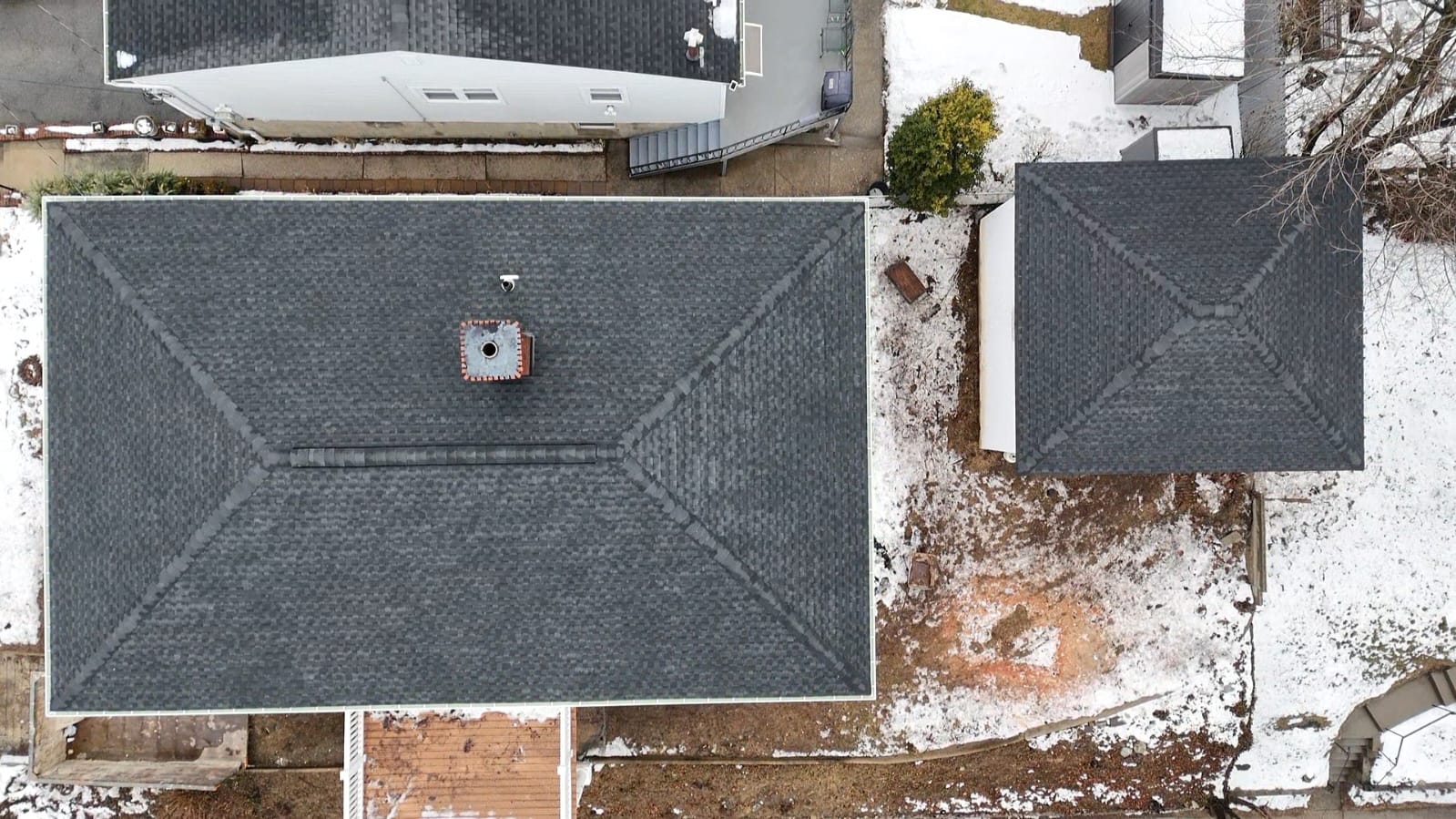
What should you compare before choosing roofing shingles?
The best materials for shingle roof replacement are the materials that match your home’s structure, local weather exposure, design goals, budget, and warranty expectations. A strong roof replacement material guide should compare more than the visible roofing shingles: it should also account for roof decking replacement, underlayment, waterproofing, flashing, ventilation, fasteners, and the quality of professional shingle roof installation. If one part of the roof system is weak, even durable roofing shingles can underperform.
Start by looking at how your roof currently fails. Curling, missing shingles, repeated leaks, dark streaking, soft decking, storm damage, granule loss, and interior water stains are common signs you need shingle roof replacement. Some problems are caused by age; others come from poor installation, damaged flashing, inadequate ventilation, or old plywood that can no longer hold fasteners securely.
A practical roofing materials comparison should include:
- Climate performance: wind resistant roof shingles, impact resistant roof shingles, algae resistance, and cold-weather flexibility.
- Material quality: fiberglass asphalt shingles, composite roof shingles, premium asphalt shingles, and designer roof shingles all perform differently.
- System components: roof underlayment for shingle replacement, waterproofing membranes, drip edge, starter shingles, ridge caps, and new flashing.
- Appearance: roof shingle colors and styles should complement siding, masonry, trim, and neighborhood character.
- Warranty terms: roofing material warranties can differ depending on the product and whether the roof is installed by a certified contractor.
- Total cost: the cost of shingle roof replacement includes labor, tear-off, disposal, decking repairs, accessories, access, pitch, and warranty level—not shingles alone.
Shingle types and how they perform
Shingle options vary widely, but most residential shingle roofing projects fall into a few main categories. Each type has a different balance of affordability, shingle durability, design depth, weather resistance, and maintenance needs. Understanding the major types of roof shingles makes it easier to compare product lines without getting distracted by color boards alone.
3-tab asphalt shingles
Traditional 3-tab shingles are among the most affordable shingle roofing materials. They have a flat, uniform look and are lighter than many architectural products. For simple roofs where budget is the main driver, they may still be considered, but many homeowners choose upgraded options because they want stronger wind performance, more dimension, and longer-lasting curb appeal.
When comparing architectural shingles vs 3 tab shingles, the difference is not only appearance. Architectural shingles generally have a heavier laminated construction, a more dimensional profile, and often stronger warranty and performance options. For many homes, the added durability and improved look make architectural shingles a more practical roof replacement material option.
Architectural asphalt shingles
Architectural shingles are often considered among the best asphalt shingles for homes because they balance cost, durability, style, and availability. They are sometimes called dimensional shingles because their layered design creates depth that can resemble wood shake or a more premium roof surface. In an asphalt shingles vs architectural shingles discussion, it helps to remember that architectural shingles are asphalt shingles—just a higher-profile category than basic 3-tab products.
RH Renovation specializes in complete tear-offs and clean installations using premium GAF Timberline HDZ architectural shingles. Their shingle roof replacement process incorporates full GAF waterproofing, underlayment systems, and new flashing, so the finished roof is treated as a complete protective assembly rather than a surface layer.
Premium, designer, and composite shingles
Premium asphalt shingles and designer roof shingles are built for homeowners who want a more distinctive finished appearance. They may offer bolder shadow lines, slate-inspired looks, shake-style profiles, or enhanced color blends. Composite roof shingles can also be considered when homeowners want alternative materials with specific design or performance goals.
These products can improve curb appeal, but they should still be evaluated like any other roofing materials: weight, warranty, installer experience, ventilation requirements, and compatibility with the roof structure matter. A beautiful shingle is not the best shingle if the system beneath it is not properly prepared.
The material system beneath the shingles
The visible shingles get most of the attention, but the hidden roof system does much of the work. When homeowners ask how to compare roofing shingles, the answer should include the accessories and structural materials needed for shingle roof replacement. A strong system improves leak resistance at vulnerable areas and helps the shingles perform as intended.
Key components include:
- Decking: Plywood or other approved roof decking must be solid, dry, and properly fastened. Damaged decking may require roof decking replacement before new shingles are installed.
- Ice and water protection: Waterproofing membranes help protect eaves, valleys, penetrations, and other leak-prone areas.
- Synthetic or felt underlayment: Roof underlayment for shingle replacement creates a secondary barrier between the decking and shingles.
- Flashing: New flashing around chimneys, skylights, walls, and vents is essential for preventing water intrusion.
- Starter shingles and ridge caps: These components help protect edges and peaks, where wind and water stress are common.
- Ventilation: Balanced intake and exhaust ventilation can help manage attic heat and moisture, supporting shingle lifespan.
During roof replacements, RH Renovation often performs complementary exterior work such as replacing damaged structural plywood, installing seamless gutters, rebuilding chimney boxes, and replacing skylights. These related repairs matter because water rarely respects trade boundaries; a roof leak may involve the chimney box, gutter line, skylight curb, or weakened decking as much as the shingles themselves.
Which shingles are best for different climates?
The best shingles for different climates are the shingles that address the most common weather stress on that specific home. In New York City, Westchester, and nearby areas, roofs may face wind-driven rain, snow, freeze-thaw cycles, summer heat, coastal moisture, tree debris, and occasional severe storms. That makes weather resistant roof materials especially important for homeowners comparing affordable shingle roofing materials against longer-lasting roof shingles.
For exposed homes, wind resistant roof shingles and correct fastening are critical. A high-performing shingle can still fail if nail placement, starter courses, edge metal, or flashing details are wrong. For areas with storm debris or hail concerns, impact resistant roof shingles may be worth discussing with a roof replacement contractor.
Homeowners concerned about heat gain can also ask about energy efficient roofing shingles. Lighter roof shingle colors and styles may reflect more sunlight than darker colors in some conditions, while ventilation and attic insulation also influence comfort and efficiency. Sustainable roofing materials can include longer-lasting products, recyclable components where available, and systems designed to reduce premature replacement.
A simple climate-based comparison can help narrow your options:
| Home condition | Material priority | What to ask the contractor |
|---|---|---|
| Open corner lot or tall building exposure | Wind resistant roof shingles | What wind rating applies, and how will the shingles be fastened? |
| Tree cover and damp shade | Algae resistance and strong flashing | How will valleys, penetrations, and drainage paths be protected? |
| Older roof with leaks | Decking, waterproofing, and flashing | Will damaged plywood and old flashing be replaced? |
| Design-focused exterior | Architectural, designer, or composite options | Which colors and profiles fit the home’s siding and masonry? |
| Budget-sensitive project | Material and labor balance | Which upgrades matter most for durability and warranty value? |

Cost factors that shape shingle roof replacement
Roofing costs are driven by more than the price of the bundle. Roof replacement material costs include shingles, underlayment, waterproofing, flashing, ridge caps, vents, fasteners, disposal materials, and sometimes plywood. Labor also varies based on roof pitch, height, access, number of layers to remove, chimney and skylight details, and how much repair work is discovered after tear-off.
The main shingle roof replacement cost factors include:
- Roof size and complexity: Dormers, valleys, skylights, chimneys, and steep slopes take more time and materials.
- Tear-off requirements: Complete tear-offs reveal the real condition of the decking and prevent new shingles from hiding old damage.
- Decking condition: Rotten, delaminated, or soft plywood must be replaced so the new roof has a secure base.
- Shingle grade: 3-tab, architectural, premium asphalt, designer, and composite products carry different material costs.
- Waterproofing details: Valleys, eaves, walls, and penetrations may need enhanced protection.
- Warranty level: Factory-backed warranties may require specific installation methods and complete system components.
- Exterior add-ons: Seamless gutters, chimney box rebuilding, and skylight replacement can affect the total project scope.
The lowest estimate is not always the lowest risk. If a proposal leaves out flashing replacement, underlayment details, disposal, plywood pricing, ventilation, or warranty documentation, the final cost and final performance may change. A clear scope helps homeowners compare roof replacement material options fairly.
Warranties, certification, and installation quality
Roofing material warranties are only as useful as the installation behind them. RH Renovation is fully licensed and insured with DCWP License #2118142 and Westchester License #WC-35985-H22. The company also has a 5.0-star rating on Yelp and HomeAdvisor and an A+ rating from the Better Business Bureau (BBB).
RH Renovation is recognized as a GAF Master Elite Contractor, a status held by less than 2% of roofing contractors in the U.S. Because of this GAF certification, RH Renovation can offer factory-backed warranties, including the 25-Year GAF Golden Pledge Warranty covering both materials and workmanship. For homeowners, that means the installation team, product system, and warranty path are aligned instead of treated as separate decisions.
Professional shingle roof installation matters at every stage: tear-off, decking inspection, underlayment placement, flashing fabrication, shingle layout, nail placement, ventilation, cleanup, and final review. Even the best shingles for roof replacement depend on these details. A well-built roof should shed water cleanly, resist wind at vulnerable edges, and protect transitions around chimneys, skylights, walls, and vents.
A practical checklist for choosing shingles
Use this checklist before signing a roof replacement agreement. It keeps the conversation focused on performance, not just color.
- Confirm the shingle type: 3-tab, architectural, premium asphalt, designer, or composite.
- Ask whether the product includes wind, algae, or impact resistance relevant to your home.
- Review the full roofing materials comparison, including underlayment, waterproofing, ridge caps, and flashing.
- Confirm whether the job includes a complete tear-off or another installation approach.
- Ask how the contractor handles roof decking replacement if damaged plywood is found.
- Compare roofing material warranties and ask what is covered by the manufacturer versus the contractor.
- Review roof shingle colors and styles in daylight and against your siding, trim, brick, or stone.
- Clarify cleanup, debris removal, permits where applicable, and protection for landscaping and property.
- Make sure your contractor is properly licensed, insured, and experienced with the shingle system selected.
RH Renovation also installs and repairs modern flat roof systems for both commercial and residential properties, including APP, rubber, and TPO roofing materials. That broader exterior experience can be useful when a property has both pitched shingle sections and flat roof areas, or when drainage details connect multiple roof systems.
Work with a contractor who treats the roof as a system
The best roof shingles for harsh weather are not chosen from a sample board alone. They are selected as part of a complete roof installation plan that includes decking, waterproofing, underlayment, flashing, ventilation, gutters, and warranty coverage. When all of those pieces are considered together, homeowners get a clearer view of shingle durability, maintenance requirements, and long-term value.
For shingle roof replacement guidance in The Bronx, Westchester, Queens, Brooklyn, Manhattan, and Yonkers, contact RH Renovation LLC. Rexhap “Tony” Halilaj is the primary contact and can be reached 24/7 at (646) 818-4305 to discuss materials, schedule an inspection, and compare the best shingles for roof replacement for your home.
Lastly, think about the maintenance requirements of different shingle materials. Asphalt shingles are relatively low maintenance, while other materials, like wood shingles or slate, may require more upkeep.
With Westchester’s climate, regular inspections and maintenance are essential to keep your roof in top shape. At RH Renovation NYC we offer maintenance services to keep your new roof performing well for years.