How to Cover Your Skylight Windows
How to Cover Skylight Windows: A Roofer’s Guide to Shades, Screens, and When to Stop Covering and Start Repairing
The fastest way to cover a skylight is with a custom-fit interior shade — honeycomb (cellular), pleated, or blackout roller — mounted on side tracks that keep the fabric from sagging on an angled or overhead pane. If your real problem is summer heat rather than light or privacy, an exterior shade or solar screen mounted on the roof side of the glass will outperform any interior blind, because it stops the sun before it ever reaches the glass.
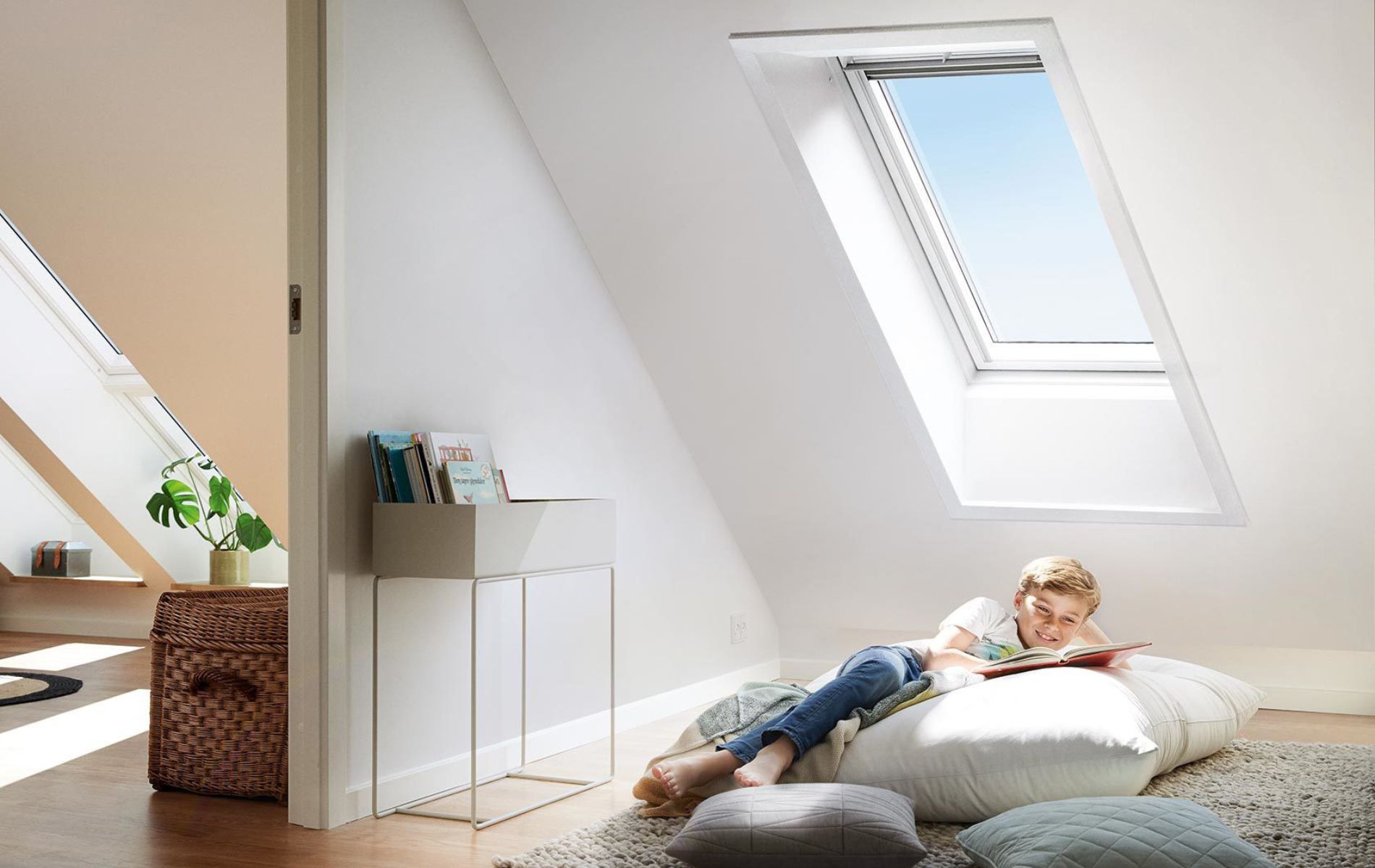
That’s the short answer. The longer answer — the one most articles on this topic skip — is that “covering a skylight” means different things depending on why you’re doing it, and the wrong choice can create a moisture or roofing problem that’s more expensive than the one you started with. We install and replace skylights on roofs across the Bronx, Westchester, and the surrounding boroughs, so this guide covers both the retail side (shades and screens you can buy) and the roofing side (what happens at the frame, the flashing, and the deck when you cover, seal, or remove one).
Why People Cover a Skylight
Most requests we get fall into one of four categories:
- Too much heat. Skylights face straight up, which means they take direct summer sun for hours longer than a vertical wall window does.
- Too much light or glare, especially in a bedroom or media room.
- Privacy, usually because a skylight looks onto a neighbor’s roof deck, a taller building, or an attic conversion.
- The skylight itself is the problem — it’s leaking, fogged, cracked, or simply at the end of its service life, and the homeowner wants to cover or close it off rather than replace it.
The first three are shading problems and have straightforward retail solutions. The fourth is a roofing problem, and covering it without addressing the cause usually makes things worse. We’ll walk through both.
Interior Skylight Shades: The Standard Fix for Light, Glare, and Privacy
Interior shades mount to the underside of the skylight well or directly to the frame, using side channels or a tension system so the shade stays flat against an angled pane instead of sagging with gravity.
Honeycomb (cellular) shades are the most common choice. The honeycomb cross-section traps a layer of air, which adds a real insulating benefit on top of light control — useful for a Bronx or Westchester attic that runs hot in July and drafty in January. They come in light-filtering and blackout fabrics.
Pleated shades work the same way mechanically but use a single layer of fabric instead of a honeycomb, so they’re thinner and usually less expensive, without the added insulation value.
Blackout roller or cellular shades are the right call for a bedroom or nursery under a skylight, where the goal is full light control rather than glare reduction.
Synthetic shades (aluminum or PVC) hold up better in high-moisture rooms — bathroom skylights in particular — because they resist warping and cracking under repeated humidity swings that would eventually damage a fabric shade.
A quick comparison:
–$–$
| Type | Best for | Insulation value | Typical cost range* |
|---|---|---|---|
| Honeycomb / cellular | Heat + light control, energy savings | High (air-pocket design) | |
| Pleated | Light control, lower budget | Low–moderate | $ |
| Blackout roller/cellular | Bedrooms, media rooms | Moderate–high | |
| Synthetic (aluminum/PVC) | Bathrooms, high moisture | Low | $$ |
*Costs vary widely by skylight size, mount type, and whether it’s motorized — get quotes for your specific opening rather than relying on a rule of thumb.
Interior shades are the easiest option to retrofit and the only category that meaningfully affects the room’s interior decor. They do very little, however, to stop heat before it reaches your living space — which brings up the option most homeowners never see in a home-goods aisle.
Exterior Shades: The More Effective Fix for Heat
This is the part most “how to cover a skylight” content leaves out, because it’s not a product a blinds retailer sells.
Windows, doors, and skylights are collectively known as fenestration, and they’re a significant part of your home’s building envelope. For warm-weather heat control, the Department of Energy specifically recommends installing exterior shades whenever possible, rather than relying on interior window coverings alone. The logic is simple: an interior shade only reacts to heat after sunlight has already passed through the glass and started warming the room. An exterior shade, screen, or awning intercepts that same sunlight before it ever reaches the pane.
For a skylight, this matters more than it does for a wall window, because the glass is oriented straight up into the sun for most of the day rather than catching it at an angle. Exterior options include:
- Exterior mesh or solar screens that mount over the curb or frame, cutting heat gain without fully blocking the view or daylight.
- Roof-mounted awnings or overhangs, less common on residential skylights but used on some flat-roof and commercial applications.
- Reflective or low-E exterior films, though these need to be UV-rated and professionally applied — cheap films degrade quickly under direct roof sun.
The trade-off: exterior products are mounted on the roof, exposed to wind, snow load, ice, and UV year-round, which means the installation quality matters far more than it does for an indoor blind. This is where we’d flag the biggest gap between shading a wall window and shading a skylight — anything you attach to the roof side of a skylight has to be installed without compromising the flashing or the seal around the curb, or you’ve traded a heat problem for a leak problem.
When “Covering” the Skylight Really Means Removing or Replacing It
This is the distinction a roofing contractor sees that a window-treatment retailer typically doesn’t: sometimes a homeowner asks how to “cover” a skylight because the skylight itself has failed, and a shade is being asked to solve a problem it can’t fix.
Watch for these signs before you order a shade:
- Water staining, drips, or visible moisture around the skylight opening — a cover on the inside won’t stop water intrusion, and trapping condensation behind a blackout shade can accelerate mold growth on the frame or surrounding drywall.
- Fogging between panes on an insulated glass unit, which means the seal has failed and the unit needs replacing, not shading.
- Cracked glazing or a damaged frame, which is a structural and safety issue.
- A skylight you simply want gone — some homeowners decide, after living with one for a few seasons, that they’d rather remove it entirely and re-roof over the opening than manage a permanent shade.
Permanently sealing off a skylight from the inside (drywall, plywood, or a solid insert) without addressing the roof side is a common DIY mistake. It traps humid interior air against a cold roof deck and glazing unit, which is a reliable recipe for condensation and, eventually, rot or mold in the surrounding framing. If you’re covering a skylight permanently rather than shading it seasonally, the correct approach is to remove the unit and properly re-deck, re-flash, and re-roof the opening — the same process used when retiring or relocating a skylight during a roof replacement — not to seal over an active roof penetration from underneath.
For NYC row houses and multi-family buildings specifically, structural changes to a skylight opening can also trigger co-op or condo board approval and, depending on scope, a Department of Buildings filing. EXPERT INPUT OPPORTUNITY: exact permit thresholds vary by borough and project scope — a note here on RH Renovation NYC’s typical process for handling permits on skylight removal/replacement jobs would give this section real authority rather than a general caution.
Common Mistakes We See
- Drilling into the skylight frame or curb to mount a shade or exterior screen, risking the factory seal and voiding the manufacturer’s warranty on newer units.
- Sealing a failing skylight from the inside instead of diagnosing why it’s leaking or fogging.
- Choosing a blackout interior shade for heat control when the goal is actually to reduce summer temperatures — it will darken the room without doing much for the heat load.
- Skipping accurate measurements. Skylight openings are rarely perfectly square; measure width at the top, middle, and bottom, and height at left, center, and right, then use the narrowest and longest figures so the shade or screen fits cleanly.
- Ignoring the mount depth. An inside-mount shade needs enough frame depth for the bracket; shallow frames usually need an outside mount instead.
How Much Does Covering a Skylight Cost?
Costs depend heavily on skylight size, mount type, material, and whether the shade is manual or motorized:
- Basic pleated or synthetic shades: typically the lowest-cost option per opening.
- Cellular/honeycomb shades: mid-range, with motorized versions costing more.
- Exterior mesh screens or awnings: vary widely based on roof access and mounting method.
- Skylight repair or replacement (when covering isn’t the real fix): a separate cost entirely, driven by flashing, deck condition, and unit size.
Get a written, itemized estimate for your specific skylight rather than budgeting off general ranges — a 2×2 fixed unit and a large vented skylight on a steep pitch are not comparable jobs.
When to Call a Professional
DIY interior shades are a reasonable weekend project if your skylight is in good condition and you’re solving for light, glare, or privacy. Call a roofing contractor instead of a window-treatment installer if:
- You see any sign of water intrusion, staining, or condensation between panes.
- You’re considering permanently sealing off a skylight rather than shading it.
- You want an exterior shade or screen mounted to the curb or flashing.
- The skylight is original to an older roof and you’re not sure of its remaining service life.
If any of that sounds familiar, it’s worth having someone look at the skylight itself before you spend money on a cover. Our team at RH Renovation NYC handles skylight repair, replacement, and re-roofing around existing skylights across the Bronx, Yonkers, Westchester, and the surrounding areas — we can tell you honestly whether a shade will solve your problem or whether the skylight needs attention first.
FAQs
Is it better to cover a skylight from the inside or outside?
For heat control, outside. The Department of Energy recommends exterior shading whenever possible because it blocks sunlight before it reaches the glass. Interior shades are still the more practical and affordable choice for light control and privacy.
Can I permanently cover a skylight instead of replacing it?
Not from the inside alone. Sealing a skylight closed with drywall or plywood while leaving the unit in the roof traps moisture against the glazing and deck. If you want a skylight gone for good, the roof-side opening needs to be properly removed, decked, flashed, and re-roofed.
Will covering my skylight save money on energy bills?
It can, particularly with insulated honeycomb shades or exterior shading in summer. The size of the savings depends on your climate, the skylight’s existing glazing, and how much of the day it takes direct sun.
Do skylight covers cause condensation?
A well-fitted shade on a healthy skylight generally doesn’t. Condensation problems usually trace back to a failing seal, poor attic ventilation, or a permanent interior seal-off that traps humid air against cold glass — not to the shade itself.
How do I know if my skylight needs replacing instead of covering?
Staining, fogging between panes, drafts, cracked glazing, or a frame older than 15–20 years are all signs it’s worth a professional inspection before you invest in any kind of cover.