How do I Know if My Skylight Seal is Broken
Skylights are an excellent way to bring natural light into your home, brighten dark rooms, and make interior spaces feel more open. However, like other parts of your roofing system, skylights are exposed to rain, snow, sunlight, temperature changes, and everyday weather conditions. Over time, the seals that help protect them can deteriorate.
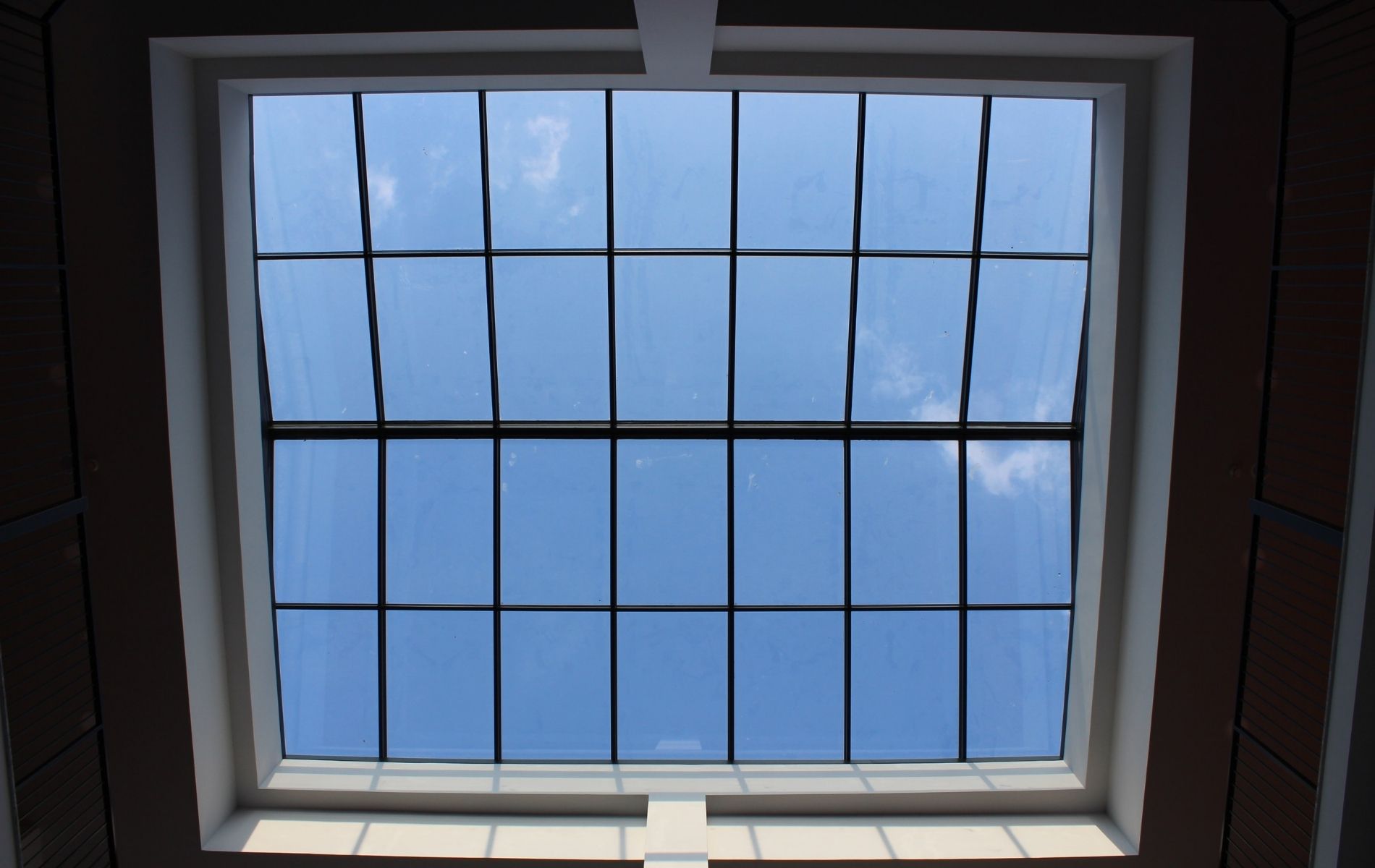
A broken skylight seal can allow moisture or outside air to enter, reduce energy efficiency, and contribute to water damage around the roof opening. Unfortunately, the problem is not always immediately obvious. You might first notice cloudy glass, a small water stain, peeling paint, or an uncomfortable draft near the skylight.
So, how do you know when a skylight seal is broken?
The most common warning signs include condensation trapped between glass panes, water leaking around the frame, damaged weatherstripping, visible gaps, peeling interior paint, and drafts near the skylight. However, these symptoms can have different causes, so identifying the source is important before deciding whether to repair or replace the unit.
At RH Renovation, we understand how important properly functioning skylights are to protecting your home. This guide explains the signs of skylight seal failure, the difference between a broken glass seal and damaged roof flashing, and what homeowners should do when problems appear.
What Is a Skylight Seal and Why Is It Important?
A skylight contains several components that work together to keep water and unwanted air from entering your home.
When homeowners talk about a broken skylight seal, they may be referring to different parts of the assembly.
Understanding these components is the first step toward identifying the actual problem.
1. Insulated Glass Seal
Modern glass skylights often contain two or more panes separated by a spacer system. The space between the panes is sealed and may contain air or an insulating gas such as argon.
This construction helps reduce heat transfer and improve indoor comfort.
If the insulated glass unit’s perimeter seal fails, moisture can enter the space between the panes. This commonly produces persistent fogging or condensation that cannot be wiped away from either accessible glass surface.
2. Weatherstripping and Gaskets
Operable skylights have moving components that require weatherstripping or gaskets to create a seal between the sash and frame.
These materials help limit air and water infiltration when the skylight is closed.
Over time, they can become worn, brittle, compressed, displaced, or damaged.
When this happens, the skylight may develop drafts or allow moisture to enter through the frame.
3. Exterior Sealant and Roof Flashing
The skylight must also be properly integrated into the surrounding roofing system.
Flashing is designed to direct rainwater away from the skylight and onto the roof drainage surface. Sealants and compatible waterproofing materials may be used at specific joints as part of the installation.
If flashing becomes loose, corroded, damaged, or incorrectly installed, water may enter around the skylight even when the glass unit itself is in good condition.
Important: A failed insulated glass seal, a worn gasket, and damaged roof flashing are different problems. They require different repair approaches, so identifying the exact source matters.
7 Signs Your Skylight Seal May Be Broken
A skylight seal can deteriorate gradually, and the earliest warning signs may be easy to overlook.
Here are seven symptoms homeowners should understand.
1. Condensation or Fog Between the Glass Panes
One of the clearest signs of insulated glass seal failure is moisture trapped between the glass panes.
If your skylight has double- or triple-pane glazing, inspect it for:
- Persistent fogging inside the glass.
- Hazy areas that do not disappear.
- Small droplets trapped between the panes.
- Cloudy patches that become more noticeable in cold weather.
- Reduced visibility through the skylight.
This is different from ordinary condensation on the room-facing glass surface.
When the insulated glass seal fails, moisture can enter the sealed space between the panes. Because this area is inaccessible from inside the room, wiping the glass will not remove the trapped condensation.
A failed insulated glass unit may lose some of its intended insulating performance.
What should you do?
Have the skylight inspected to confirm whether the insulated glass unit has failed. Depending on the product design and availability of compatible replacement components, the glazing unit or the entire skylight may need replacement.
2. Water Leaking Around the Skylight Frame
Water appearing around the edges of a skylight can indicate a problem with the frame, gasket, flashing, or surrounding roofing materials.
You may notice:
- Water droplets around the frame.
- Damp ceiling material near the skylight.
- Wet interior trim.
- Water stains below one corner.
- Dripping during or shortly after rainfall.
However, a leak near the frame does not automatically mean the skylight’s glass seal has failed.
Rainwater may enter through damaged flashing, an improperly integrated waterproofing layer, deteriorated roof shingles, or a gap between the skylight and its supporting curb.
The location where water appears indoors may also differ from the actual entry point because moisture can travel through the roof assembly.
A professional inspection should evaluate the skylight and surrounding roof rather than relying on the visible drip alone.
3. Visible Cracks or Deteriorating Seals
Inspect the accessible parts of your skylight for visible deterioration.
Depending on the skylight design, warning signs may include:
- Cracked or separating gasket material.
- Missing weatherstripping.
- Deteriorated sealant at exposed joints.
- Gaps between the sash and frame.
- Damaged glazing or frame components.
- Corrosion around metal components.
Not every visible crack means the entire skylight needs replacement. Some gaskets and weatherstripping components may be replaceable if compatible parts are available.
However, cracks in the glazing, damaged structural frame components, or deteriorated waterproofing details require professional evaluation.
Avoid applying random sealants over damaged areas. Some products may be incompatible with the skylight’s materials or interfere with its drainage design.
4. Drafts or Noticeable Temperature Changes Near the Skylight
A skylight with damaged weatherstripping or poor air sealing may allow outside air to move into the room.
You might notice:
- A cold area directly below the skylight during winter.
- Air movement around the frame.
- Uneven indoor temperatures.
- Increased discomfort near the skylight.
- Difficulty maintaining a consistent room temperature.
These symptoms can indicate deteriorated gaskets, gaps around the frame, or insufficient insulation around the skylight opening.
However, drafts can also originate from the surrounding roof or ceiling assembly.
An inspection can help determine whether the problem involves the skylight unit itself or the connection between the unit and the building.
5. Peeling Paint or Water Stains Around the Skylight
Moisture entering through a damaged skylight assembly can affect the surrounding ceiling and interior finishes.
Look for:
- Yellow or brown ceiling stains.
- Bubbling or peeling paint.
- Soft drywall.
- Damp wooden trim.
- Discoloration around the skylight shaft.
- Damaged plaster or ceiling finishes.
These signs suggest that moisture may be entering the building envelope.
Even if the leak appears small, repeated exposure can damage insulation, framing, and other materials around the roof opening.
Do not simply repaint the affected area before identifying the moisture source. Cosmetic repairs will not resolve an active leak.
6. Mold or Musty Odors Near the Skylight
Persistent moisture can create conditions that support mold growth.
If your skylight area develops a musty smell, inspect the surrounding ceiling and accessible interior surfaces for moisture-related damage.
Possible warning signs include:
- Dark spots around the skylight shaft.
- Persistent dampness.
- Musty odors after rainfall.
- Discoloration on nearby ceiling materials.
- Recurring moisture despite previous cosmetic repairs.
Mold is not proof of skylight seal failure by itself. High indoor humidity, inadequate ventilation, roof leaks, and insulation problems can also contribute to moisture accumulation.
The source should be identified before any affected materials are repaired or replaced.
7. The Skylight Is Becoming Less Energy Efficient
A damaged skylight seal may affect indoor comfort and the performance of the glazing system.
For example, a failed insulated glass seal can allow moisture into the space between the panes, reducing the intended insulating performance.
Damaged weatherstripping may also allow unwanted air movement.
You may notice:
- More noticeable temperature differences near the skylight.
- Drafts during colder weather.
- Excessive heat entering during sunny conditions.
- Persistent condensation.
- Reduced comfort in the room below.
These symptoms do not automatically establish seal failure. Older glazing, poor insulation, and incorrect installation can create similar problems.
An inspection can help identify whether repair or replacement is likely to improve the skylight’s performance.
How to Tell the Difference Between Skylight Condensation and a Broken Seal
This is one of the most important distinctions homeowners should understand.
Not every water droplet on a skylight indicates a broken seal.
Condensation can form when warm, humid indoor air comes into contact with a colder glass surface.
The difference is where the moisture appears.
| Symptom | Possible explanation |
|---|---|
| Moisture on the room-facing glass | Indoor humidity and cold glass |
| Fog trapped between glass panes | Failed insulated glass seal |
| Water around the frame during rainfall | Possible gasket, flashing, or installation problem |
| Damp ceiling after a storm | Possible roof or skylight water intrusion |
| Draft around a closed operable skylight | Possible worn weatherstripping or air-sealing issue |
| Persistent water stains near the skylight | Possible ongoing or previous moisture intrusion |
How Can You Check for Condensation?
From a safe indoor position, gently wipe the accessible interior glass surface with a clean, dry cloth.
If the moisture disappears, it was likely on the room-facing surface.
If cloudiness remains trapped inside the glass assembly and cannot be reached from either side, the insulated glass seal may have failed.
For additional context, observe when the moisture appears. Condensation may be more noticeable during cold weather, after showers, or when indoor humidity is high.
A professional should confirm the cause before recommending replacement.
What Causes a Skylight Seal to Break?
Skylight seals are exposed to environmental conditions that gradually affect their performance.
Several factors can contribute to deterioration.
Temperature Changes and Thermal Movement
Skylights experience repeated heating and cooling as outdoor temperatures and sunlight exposure change.
Different materials expand and contract at different rates. Over time, repeated movement can place stress on seals, joints, and other connections.
Long-Term Moisture Exposure
Rainwater that repeatedly reaches vulnerable joints or damaged flashing can contribute to deterioration.
Moisture entering the skylight assembly may also affect the insulated glass seal.
Ultraviolet Exposure
Direct sunlight exposes exterior sealants, gaskets, and other components to ultraviolet radiation.
Depending on the material and product design, prolonged exposure can contribute to aging and loss of flexibility.
Poor Installation
Incorrect flashing integration, inadequate waterproofing, unsuitable sealants, and improperly fitted components can increase the risk of leakage.
A skylight must be installed as part of the complete roofing system, not treated as an isolated piece of glass.
Age and Lack of Maintenance
Skylight components gradually wear with use and exposure.
Regular inspections can help identify damaged weatherstripping, loose components, drainage problems, and early signs of moisture intrusion.
Can You Repair a Broken Skylight Seal or Does It Need Replacement?
The answer depends on which seal has failed and the overall condition of the skylight.
Not every seal-related problem requires a complete skylight replacement.
When Skylight Seal Repair May Be Possible
Repair may be appropriate when the problem involves a replaceable component and the remaining skylight assembly is in suitable condition.
Examples include:
- Worn weatherstripping on an operable skylight.
- Certain localized frame-joint problems.
- Damaged flashing around an otherwise sound skylight.
- Minor waterproofing defects that can be corrected using compatible materials.
The repair should address the actual source of water or air infiltration.
When Skylight Replacement May Be Necessary
Replacement may be the better option when:
- The insulated glass unit has failed and compatible replacement glazing is unavailable.
- The skylight frame is severely deteriorated.
- The glazing is cracked or damaged.
- Water continues to enter through the skylight assembly.
- The unit has repeated repair problems.
- The skylight no longer meets the property’s performance requirements.
A replacement assessment should also examine the roof opening, surrounding framing, insulation, and flashing.
According to the U.S. Department of Energy’s Building America Solution Center, condensation between the panes indicates insulated glass unit seal failure, while frame-joint leaks and damaged weatherstripping are other potential reasons for replacement or component repair.
The same guidance recommends evaluating the condition of the existing skylight and its surrounding roofing assembly before deciding whether to retain or replace the unit.
Why You Should Not Simply Apply Caulk to a Leaking Skylight
Applying caulk around a skylight may seem like an easy solution, especially when you can see a small gap.
However, exterior skylight waterproofing is more complicated than covering visible joints with sealant.
A leak may originate from:
- Missing or incorrectly installed flashing.
- Damaged roofing underlayment.
- Deteriorated gaskets.
- Cracked glazing.
- Damaged curb framing.
- Improper drainage around the skylight.
Adding sealant without identifying the cause may temporarily hide the symptom while allowing the underlying problem to continue.
It can also interfere with drainage paths or create compatibility problems with certain materials.
A proper repair should establish where water is entering and restore the relevant waterproofing or sealing component.
What Should You Do If You Suspect a Broken Skylight Seal?
If you notice signs of skylight seal failure, take the following steps.
Step 1: Document the symptoms.
Take photographs of visible condensation, ceiling stains, damaged trim, or other accessible warning signs.
Step 2: Note when the problem occurs.
Does the moisture appear during rainfall, cold mornings, or periods of high indoor humidity? This information can help distinguish condensation from water intrusion.
Step 3: Check the accessible interior components.
Look for visible damage around the frame, weatherstripping, and ceiling finishes. Avoid removing components or disturbing the skylight.
Step 4: Protect the affected interior area.
If water is entering, move furniture and belongings away from the affected area. Use a container to collect dripping water if necessary.
Step 5: Arrange a professional inspection.
A roofing professional can assess the skylight, flashing, surrounding roof materials, and accessible structural components.
Do not climb onto a wet, icy, or damaged roof to investigate. Skylight glass and surrounding roof surfaces can also present serious fall and breakage hazards.
How RH Renovation Can Help With Skylight Seal Problems
When a skylight develops condensation, drafts, or water leaks, identifying the actual source is essential.
RH Renovation provides roofing and exterior renovation services for homeowners and property owners in the Bronx, Westchester, Queens, and Brooklyn.
As a GAF Master Elite® certified roofing contractor, RH Renovation works with residential roofing systems and related exterior components.
Our approach to a skylight concern should begin with understanding the condition of the existing installation.
Depending on the issue, the assessment may consider:
- The condition of the skylight glazing.
- Visible frame and gasket deterioration.
- Flashing around the skylight.
- Roofing materials surrounding the opening.
- Signs of moisture damage.
- Whether repair or replacement is appropriate.
If the problem involves the surrounding roof rather than the skylight itself, addressing the roofing assembly is important to achieving a suitable repair.
RH Renovation also provides skylight installation and replacement solutions as part of its exterior renovation services.
Whether you have noticed fogged glass, a leaking skylight, damaged flashing, or signs of moisture around the ceiling, professional evaluation can help you understand your options.
Frequently Asked Questions About Broken Skylight Seals
1. What is the most obvious sign of a broken skylight seal?
Persistent condensation or fog trapped between double- or triple-pane glass is one of the clearest signs of insulated glass seal failure. Other warning signs include drafts, damaged gaskets, and moisture around the frame. The actual cause should be confirmed through an inspection.
2. Can a skylight leak without having a broken glass seal?
Yes. Water can enter through damaged flashing, worn weatherstripping, frame joints, deteriorated roof materials, or installation defects. A leaking skylight does not automatically mean its insulated glass seal has failed.
3. Can I fix a broken skylight seal myself?
Simple cleaning and observation can help identify symptoms, but repairing insulated glass seals, roof flashing, and elevated skylight assemblies generally requires appropriate expertise. A failed sealed glass unit usually requires replacement glazing or a new skylight rather than surface caulking.
4. How long do skylight seals last?
There is no universal lifespan for every skylight seal. Durability depends on product quality, installation, exposure, maintenance, and environmental conditions. Check the manufacturer’s warranty and have deterioration evaluated when warning signs appear.
5. Why is there condensation between my skylight panes?
Moisture trapped between glass panes commonly indicates that the insulated glass unit’s perimeter seal has failed. Moisture has entered the sealed space, and the affected glass assembly may need replacement.
6. Does a broken skylight seal increase energy bills?
It can contribute to reduced thermal performance. A failed insulated glass unit may lose some of its insulating effectiveness, while damaged weatherstripping can allow unwanted air leakage. The actual effect depends on the skylight’s construction and the extent of the damage.
7. Should I replace my entire skylight if the seal is broken?
Not always. If only a replaceable gasket or weatherstripping component has deteriorated, a component repair may be sufficient. If the insulated glass unit or frame has failed, replacement may be necessary. The appropriate solution depends on the product design and inspection findings.
8. How do I stop my skylight from leaking during heavy rain?
First, identify the water entry point. Potential causes include damaged flashing, failed joints, worn gaskets, or deteriorated roofing materials. Applying caulk without diagnosing the problem may not provide a lasting solution. Have the skylight and surrounding roof inspected.
Protect Your Home With Professional Skylight Repair and Replacement
A damaged skylight seal can affect more than the appearance of your glass. If moisture or outside air enters through the skylight assembly, it may contribute to interior damage, uncomfortable drafts, and reduced energy performance.
The important thing is to identify whether the problem involves the insulated glass, weatherstripping, frame, or surrounding roof flashing.
Not every leaking skylight needs complete replacement, and not every foggy skylight has a roof leak. The right solution starts with an accurate assessment.
If your skylight has persistent condensation, visible seal deterioration, water stains, or drafts, RH Renovation can help you evaluate the condition of your roofing and skylight system.
Contact RH Renovation at (646) 818-4305 or request a free estimate to discuss your skylight repair, inspection, or replacement needs.
Call us at RH Renovation NYC to schedule a skylight maintenance.
Do not attempt to check the skylight on a sloped roof yourself as it is a dangerous procedure where you could fall. Our team at RH Renovation NYC has years of experience dealing with skylight repairs, maintenance, and replacements. We also provide skylight installation services if you want to add this feature to your roof. Call us today to discuss this project more in detail. We can provide you with a cost estimate for free and show you the most beautiful skylight designs of the past few years. You can choose between a flat rectangular skylight on a sloped roof or a smaller dome skylight that gives a beautiful light effect on the interior of your attic. You can decide between a fixed skylight or one that can be opened and allows not just light but also fresh air to enter the room.