Metal Shingle Roof: Pros and Cons
Metal shingle roofs can be an excellent choice for homeowners who want a long-lasting roof with the appearance of traditional shingles, but they are not automatically the best option for every home.
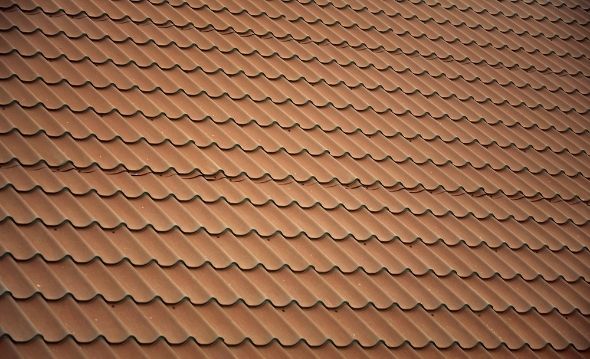
The biggest advantages are durability, relatively low maintenance, resistance to many weather-related stresses, design flexibility, and long service life. Metal shingles can also mimic the appearance of asphalt shingles, slate, shake, or tile while providing the characteristics of a metal roofing system.
The main disadvantages are higher upfront cost, more specialized installation, potential denting, noise concerns, and the need to select the right product for the roof’s slope and local conditions.
So the decision should not be based on “metal is better than shingles.”
It should be based on how the metal shingle system compares with the alternatives for your roof, budget, appearance preferences, expected ownership period, and performance requirements.
The International Residential Code includes specific requirements for metal roof shingles, including wind-resistance testing under standards such as ASTM D3161, FM 4474, UL 580, or UL 1897. That is a useful reminder that metal shingles are not simply interchangeable pieces of metal: the product, fastening method, roof assembly, and installation all matter.
What Is a Metal Shingle Roof?
A metal shingle roof uses formed or stamped metal panels designed to resemble conventional roofing materials.
Depending on the product, metal shingles can be manufactured from materials such as:
- Steel
- Aluminum
- Copper
- Zinc
They can be finished to create different colors, textures, and profiles.
Unlike a traditional asphalt shingle, which is typically composed of a fiberglass mat with asphalt and mineral surfacing, a metal shingle is a metal roofing component designed to shed water as part of a complete roof system.
Some metal shingles imitate:
- Traditional asphalt shingles
- Wood shakes
- Slate
- Clay or concrete tile
- Other architectural roofing profiles
This makes metal shingles particularly interesting for homeowners who want the durability characteristics of metal without the more industrial or modern appearance sometimes associated with large standing-seam panels.
Metal Shingle Roof Pros
1. Long Service Life
One of the biggest reasons homeowners consider metal roofing is longevity.
A properly selected and installed metal roof can potentially remain in service for decades. The exact service life depends on the metal, coating, thickness, environment, installation quality, maintenance, and product specifications.
The Metal Construction Association cites long service life as one of the sustainability advantages of metal roofing and notes that metal roofing systems can have service lives reaching around 60 years in appropriate applications.
That does not mean every metal shingle roof will automatically last 60 years.
A better way to think about it is that metal gives homeowners the opportunity to choose a roofing system designed for a considerably longer service life than many conventional roofing products.
Why longevity matters
A cheaper roof is not necessarily cheaper over the entire ownership period.
If a homeowner expects to remain in the property for several decades, a longer-lasting roofing system may reduce the frequency of major reroofing projects.
That is one of the strongest arguments for considering metal shingles.
2. Metal Shingles Can Provide Strong Weather Resistance
Metal roofing is often selected for its resistance to wind and other weather conditions.
However, avoid the blanket statement that “metal roofs cannot be damaged by storms.”
They can.
Metal shingles can still be affected by:
- Hail
- Falling branches
- Severe wind
- Improper fastening
- Impact
- Corrosion
- Incorrect installation
The important distinction is that the specific product needs to be rated for the conditions it will face.
The 2024 International Residential Code contains specific wind-resistance provisions for metal roof shingles and requires appropriate testing and classification for applicable wind speeds.
For a homeowner, that means asking for the product’s actual ratings rather than accepting a generic statement such as “metal is stronger.”
3. They Offer a Traditional Appearance
This is one of the biggest differences between metal shingles and standing-seam metal roofing.
Standing seam has a distinctive appearance created by long vertical panels and raised seams.
Metal shingles can look much more familiar.
Depending on the product, they can reproduce the visual character of:
- Asphalt shingles
- Slate
- Wood shake
- Tile
That makes metal shingles attractive for traditional homes where a highly contemporary standing-seam roof may not fit the architectural style.
They can also provide more design flexibility through different colors and profiles.
4. Metal Roofing Is Generally Low Maintenance
A correctly installed metal roof generally does not require the same type of routine maintenance associated with some other roofing materials.
That does not mean maintenance-free.
Homeowners should still inspect the roof periodically for:
- Damaged shingles
- Loose components
- Scratches or coating damage
- Corrosion
- Debris accumulation
- Damaged flashing
- Problems around chimneys
- Skylight or roof penetrations
- Gutter and drainage problems
Trees overhanging the roof deserve particular attention because branches and debris can damage virtually any roofing system.
The advantage is that metal roofing can require relatively little ongoing maintenance when the system has been correctly installed and maintained.
5. Metal Can Be Energy Efficient—But Color and Coating Matter
The original RH article correctly identified energy efficiency as a potential advantage, but this point needs an important qualification.
Metal is not automatically a “cool roof” simply because it is metal.
ENERGY STAR explains that cool-roof performance depends on properties including solar reflectance and thermal emittance. Reflective roofing surfaces can stay cooler in sunlight and reduce heat transfer into the building. Metal is among the materials that can be used in cool-roof systems.
The U.S. Department of Energy similarly explains that solar reflectance and thermal emittance influence roof temperature and that light-colored or specially designed reflective roofs can reduce solar heat gain.
Therefore, when comparing metal shingle products, consider:
- Color
- Finish
- Solar reflectance
- Thermal emittance
- Insulation
- Ventilation
- Overall roof assembly
A dark metal roof is not automatically equivalent to a light-colored cool roof.
6. Metal Roofing Can Be Recyclable
Metal roofing has another environmental advantage: metal can be recycled.
The Metal Construction Association identifies recyclability, recycled content, durability, and longevity as important sustainability characteristics of metal roofing.
The exact recycled content varies by product, so homeowners should check the manufacturer’s documentation rather than assuming every metal shingle contains the same amount of recycled material.
Still, the ability to recover and recycle metal at the end of a roof’s service life can be an advantage compared with materials that are more difficult to recycle.
7. Metal Shingles Are Relatively Lightweight
Metal roofing can offer a relatively low-weight alternative to some heavier roofing materials.
This can be useful during roof replacement, although the existing roof structure should always be evaluated before selecting a new roofing system.
The Metal Construction Association specifically identifies the relatively low weight of metal roofing as one of its potential benefits.
However, “lightweight” does not mean that structural assessment is unnecessary.
A roofing contractor still needs to understand the existing deck, framing, roofing layers, and installation requirements.
Metal Shingle Roof Cons
1. Higher Upfront Cost
The most obvious disadvantage is usually price.
Metal shingles generally cost more upfront than many asphalt shingle systems.
Current comparison guides consistently identify the higher initial cost of metal roofing as one of its principal drawbacks.
But price should be considered over the expected service life.
A homeowner who plans to remain in the property for decades may evaluate the cost differently from someone who expects to sell within a few years.
Don’t compare only the material price
The installed price can include:
- Roofing material
- Underlayment
- Flashing
- Fasteners
- Removal of existing roofing
- Deck repairs
- Ventilation work
- Labor
- Waste disposal
- Accessories
- Roof penetrations
- Permitting or related project requirements
The best comparison is therefore complete installed cost, not the price of a box or bundle of roofing material
2. Installation Requires More Precision
Metal shingles are not necessarily a DIY-friendly replacement for asphalt shingles.
Installation can require careful attention to:
- Layout
- Fastening
- Underlayment
- Flashing
- Valleys
- Eaves
- Rakes
- Ridge details
- Penetrations
- Expansion and movement
- Manufacturer requirements
This is one reason contractor experience matters.
The IRC’s specific testing and installation requirements for metal roof shingles demonstrate that the product needs to be installed as a roofing system rather than treated as generic sheet metal.
A premium metal shingle installed incorrectly can perform worse than a less expensive roof installed correctly.
3. Hail and Impact Can Dent Some Metal Shingles
Metal is durable, but it is not dent-proof.
The severity of damage depends on factors including:
- Metal type
- Thickness
- Profile
- Product design
- Impact location
- Hail size
- Impact angle
A dent may be primarily cosmetic, but significant damage can affect the coating, appearance, or performance of individual components.
If hail resistance is a priority, ask the manufacturer about the specific product’s impact rating rather than assuming all metal roofs perform identically.
4. Rain Can Sound Louder
Noise is one of the most frequently mentioned concerns about metal roofing.
Rain striking a metal surface can sound louder than rain striking some other roofing materials.
But the actual indoor sound level depends on the complete assembly.
Factors include:
- Roof decking
- Underlayment
- Insulation
- Attic configuration
- Interior ceiling construction
- Metal profile
- Installation
This is why “metal roofs are always noisy” is too simplistic.
A properly constructed roof assembly can significantly reduce the amount of rain noise transmitted into living spaces.
If you are sensitive to noise, discuss the complete roof assembly with the contractor before choosing the material.
5. Metal Can Expand and Contract With Temperature Changes
Metal responds to temperature changes.
Roofing systems therefore need to accommodate movement through appropriate design, fastening, seams, and detailing.
This is particularly relevant when comparing different metal roofing styles.
Standing-seam systems, for example, are designed around concealed fastening and panel movement. Metal shingles use their own product-specific fastening and interlocking approaches.
The lesson for homeowners is straightforward:
Do not evaluate a metal roof by the sheet metal alone. Evaluate the complete system and its installation details.
6. Metal Is Not Suitable for Every Roof Slope or Design
This is an important point that many generic “metal roof pros and cons” articles overlook.
Different metal roofing products have different minimum slope requirements.
A metal shingle product designed for a steep residential roof should not automatically be assumed suitable for a low-slope roof.
The product manufacturer’s installation requirements determine where a particular system can be used.
This is also one area where metal shingles and standing seam can differ significantly.
Current comparisons note that standing seam systems can accommodate some lower-slope applications where certain metal shingle products may not be appropriate.
Before choosing a metal shingle, confirm:
- Existing roof pitch
- Manufacturer’s minimum slope
- Underlayment requirements
- Flashing requirements
- Local code requirements
- Wind requirements
- Existing roof-deck condition
Metal Shingles vs. Asphalt Shingles
For many homeowners, this is the most important comparison.
| Factor | Metal Shingles | Asphalt Shingles |
|---|---|---|
| Initial cost | Usually higher | Usually lower |
| Potential service life | Generally longer | Generally shorter |
| Appearance | Traditional profiles available | Familiar traditional appearance |
| Maintenance | Generally low | Generally low to moderate |
| Weather resistance | Strong when correctly specified | Varies by product |
| Installation | More specialized | Widely available |
| Noise | Can be more noticeable | Usually quieter |
| Impact | Can dent | Can crack or lose granules |
| Recyclability | Strong advantage | More limited recycling options |
| Long-term ownership | Potentially attractive | Often attractive for lower initial cost |
This is not a universal winner.
Choose metal shingles when long-term durability, appearance, and reduced replacement frequency are priorities and the higher initial investment fits your budget.
Choose asphalt shingles when lower upfront cost, broad contractor availability, and straightforward replacement are more important.
Metal Shingles vs. Standing Seam Metal Roofing
Metal shingles and standing seam are both metal roofing systems, but they solve somewhat different homeowner preferences.
Metal shingles
Best suited to homeowners who want:
- A traditional roof appearance
- Slate/shake/shingle-style profiles
- Metal’s long-term characteristics
- A less contemporary aesthetic
Standing seam
Often attractive to homeowners who want:
- A modern appearance
- Long continuous metal panels
- Concealed fasteners
- Certain lower-slope applications
- A minimalist roof design
Standing seam is not automatically “better.”
The right choice depends on the roof design and what the homeowner values.
Current comparisons identify standing seam as more adaptable to some lower-slope roof configurations, while metal shingles provide a more traditional visual appearance.
Is a Metal Shingle Roof Worth the Extra Money?
It can be—but the answer depends on how long you plan to own the home and what you value in a roof.
Metal shingles become more compelling when:
- You plan to stay in the home for many years.
- You want to reduce the frequency of reroofing.
- You like the appearance of traditional shingles but want a metal system.
- Weather durability is a priority.
- You are comfortable with a higher initial investment.
- You have a roof slope compatible with the selected product.
- You can hire an experienced installer.
The calculation becomes less attractive if:
- Your budget is highly constrained.
- You expect to sell the property soon.
- You prefer the lowest initial installation cost.
- Your roof design is incompatible with the product.
- You cannot find a qualified installer for the specific system.
The best decision is therefore not “metal or asphalt?”
It is:
Which roofing system gives this property the best balance of initial cost, service life, appearance, performance, maintenance, and installation quality?
How Much Does a Metal Shingle Roof Cost?
There is no reliable single price for every metal shingle roof.
Current published estimates vary significantly because installed roofing costs depend on material, roof complexity, labor, removal, accessibility, geographic market, underlayment, flashing, deck condition, and other project-specific factors.
A contractor’s estimate should account for the actual roof rather than applying a generic internet price.
Important cost factors include:
Roof size
A larger roof requires more material and labor.
Roof complexity
Dormers, valleys, hips, ridges, skylights, chimneys, and multiple roof planes increase installation complexity.
Metal type
Steel, aluminum, copper, and zinc have different material costs and characteristics.
Existing roof condition
Damaged decking or deteriorated underlayment can add work.
Removal
If the existing roof must be removed, disposal and labor add to the project.
Flashing and penetrations
Chimneys, skylights, plumbing vents, walls, and roof edges need properly detailed transitions.
Product finish
Different coatings, profiles, colors, and performance specifications can affect price.
The most useful estimate is an itemized roof assessment—not a generic “metal roof costs X dollars per square foot.”
What Maintenance Does a Metal Shingle Roof Need?
Metal shingles are often described as low-maintenance, but they still require periodic inspection.
A sensible maintenance routine includes checking:
- Metal shingles for damage
- Coating and finish
- Flashing
- Valleys
- Ridge details
- Chimneys
- Skylights
- Roof penetrations
- Gutters
- Downspouts
- Tree branches
- Accumulated debris
After major storms, look for visible damage from branches, hail, or wind.
Do not walk on the roof simply to perform an inspection if you do not have safe access and appropriate experience.
A professional roof inspection can be particularly valuable when the roof has experienced storm damage or when you see signs of water intrusion.
Common Mistakes Homeowners Make When Choosing Metal Shingles
Choosing by appearance alone
A beautiful profile is not enough.
The product must be appropriate for the roof slope, climate, wind exposure, existing roof assembly, and local requirements.
Comparing material prices instead of installed prices
Installation, flashing, underlayment, removal, and roof preparation can materially affect the final project cost.
Assuming all metal roofs are the same
Steel, aluminum, copper, and zinc behave differently.
Even two steel products can have different coatings, profiles, thicknesses, warranties, and installation requirements.
Assuming metal cannot rust
Metal roofing can have strong corrosion resistance, but “rustproof” is too absolute.
Coated steel products use protective coatings to improve corrosion resistance, and the performance depends on the coating system and environment. U.S. Steel, for example, describes metallic coatings as substantially improving the corrosion performance of steel.
Ignoring the existing roof
The condition of the deck, flashing, ventilation, and existing moisture damage matters just as much as the new roofing material.
How to Decide if Metal Shingles Are Right for Your Home
Use this five-question test.
1. How long will you own the property?
If you expect to remain for decades, long service life may matter more than the initial premium.
2. What appearance do you want?
If you want a traditional architectural appearance, metal shingles may be more appealing than standing seam.
3. What is your budget?
If minimizing initial expenditure is the priority, asphalt shingles may remain more attractive.
4. What does your roof require?
Slope, roof shape, penetrations, existing deck, ventilation, and local requirements all influence product suitability.
5. Who will install it?
A qualified installation is critical.
A good roofing product cannot compensate for poor detailing around valleys, edges, chimneys, skylights, vents, and other vulnerable areas.
When Should You Talk to a Roofing Professional?
A professional assessment makes sense before committing to a metal shingle system if:
- Your existing roof is leaking.
- You are unsure about the roof’s condition.
- You do not know the roof slope.
- The roof has extensive valleys or dormers.
- You have multiple skylights or chimneys.
- The existing decking may be damaged.
- You are comparing metal shingles with standing seam.
- You want to know whether the existing roof can support the proposed system.
- You need an accurate installed-cost estimate.
The purpose of the consultation should be to determine whether the roof is suitable for the proposed system, not simply to sell a particular material.
RH Renovation NYC and Metal Roofing
RH Renovation NYC provides roofing and exterior renovation services in New York, including the Bronx, Westchester, Queens, and Brooklyn.
The company’s website identifies RH Renovation NYC as a GAF Master Elite® roofing contractor and states that the company has been serving customers since 2004. Its published services include roofing, flat roofing, gutters, skylights, chimneys, and siding. RH also states that projects can begin with a complimentary in-home quote and written report.
For homeowners considering a metal roofing replacement, the useful first step is to assess the existing roof and project requirements before selecting a material.
That assessment can help determine:
- Whether metal shingles are appropriate for the roof
- Whether the existing roof deck needs attention
- Which roof areas require special flashing
- Whether the selected product matches the roof slope
- Whether repair or replacement makes more sense
- Which roofing system best matches the property’s goals
If you are comparing metal shingles with asphalt shingles or another roofing system, RH Renovation NYC can evaluate the existing roof and provide a project-specific recommendation and estimate.
Frequently Asked Questions About Metal Shingle Roofs
How long does a metal shingle roof last?
A properly designed and installed metal roofing system can last for several decades. Actual service life depends on the metal, coating, environment, installation, maintenance, and product specifications. The Metal Construction Association cites service lives around 60 years for metal roofing systems in appropriate applications.
Are metal shingles better than asphalt shingles?
Not universally. Metal shingles generally offer longer potential service life and strong durability, while asphalt shingles usually have a lower initial cost and are more familiar to the broader roofing market. The better choice depends on your budget, roof, ownership plans, and priorities.
Are metal shingle roofs noisy when it rains?
They can transmit more rain noise than some conventional roofing materials, but the complete roof assembly matters. Decking, insulation, underlayment, attic configuration, and interior construction can all influence indoor sound.
Do metal shingles rust?
Metal roofing products can be manufactured with protective coatings that improve corrosion resistance. However, no responsible roofing professional should describe every metal product as completely rust-proof. Material type, coating, damage, installation, and environmental exposure all matter.
Can metal shingles be installed over existing shingles?
It depends on the specific roofing product, existing roof condition, local requirements, and manufacturer instructions. A professional should evaluate the existing roof before deciding whether an overlay is appropriate.
Can hail damage metal shingles?
Yes. Metal shingles can dent from significant impact. Their resistance varies by product, thickness, profile, and impact conditions.
Are metal roofs energy efficient?
They can be. However, energy performance depends on the roof’s reflectance, emittance, color, insulation, ventilation, and overall assembly. ENERGY STAR identifies metal among materials that can be used in cool-roof systems.
Are metal shingles good for high winds?
They can provide strong wind performance when the specific product and installation are appropriately rated. The 2024 IRC contains specific wind-resistance requirements and testing provisions for metal roof shingles.
Are metal shingles suitable for every roof?
No. Different metal shingle products have different slope, substrate, fastening, underlayment, and installation requirements. The roof should be evaluated before selecting the product.
Are metal shingles worth the extra cost?
They can be, especially for homeowners who prioritize long service life and want to reduce the frequency of roof replacement. However, the higher initial investment may not make sense for every homeowner or property.
Metal Shingle Roof Pros and Cons
Metal shingles are a strong roofing option, but they are not a universal solution.
The biggest advantages are:
- Long potential service life
- Strong weather performance when correctly specified
- Traditional architectural appearance
- Low routine maintenance
- Potential energy-efficiency benefits
- Recyclability
- Relatively low weight
- Multiple material and finish choices
The biggest disadvantages are:
- Higher upfront cost
- More specialized installation
- Potential denting
- Possible rain noise
- Product-specific slope requirements
- Greater importance of proper detailing and installation
For a homeowner who plans to stay in the property for many years and wants a durable roof with a traditional appearance, metal shingles can be an attractive long-term investment.
For someone primarily concerned with minimizing the initial project cost, conventional asphalt shingles may remain the more practical choice.
And if your priority is a contemporary appearance or a roof with different low-slope capabilities, standing seam may deserve consideration.
The right roof is the one whose material, installation system, performance requirements, appearance, and cost all fit the property—not simply the one with the longest advertised lifespan.
If you’re considering replacing an existing roof with metal shingles in New York, RH Renovation NYC can assess the existing roof, discuss suitable roofing options, and provide a project-specific estimate.
Contact us at RH Renovation NYC if you are looking to replace your existing roof with a metal one or if you want to install a metal roof from scratch. We can provide you with a cost estimate for free and guide you through the process step by step until your new roof is in place and your home or commercial property is ready to be used again.