Replacing Wood Siding on House: Pros and Cons
Wood siding gives a home a natural appearance that many manufactured materials struggle to reproduce. Its texture, warmth, and traditional character make it an attractive choice for homeowners who want an exterior that feels distinctive rather than generic. However, wood siding also requires regular maintenance and careful protection against moisture, insects, and weather-related damage.
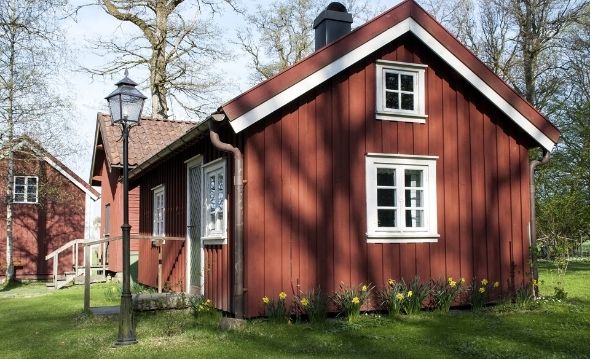
If your existing siding is cracking, peeling, rotting, or becoming difficult to maintain, you may be wondering whether to replace it with new wood or choose another exterior material.
The right decision depends on your home’s condition, architectural style, maintenance expectations, budget, and long-term plans. In this guide, RH Renovation explains the advantages and disadvantages of wood siding, when replacement makes sense, which alternatives are worth considering, and what homeowners should know before starting a siding project.
What Is Wood Siding?
Wood siding is an exterior cladding material made from natural timber or manufactured wood products. It protects the exterior wall assembly from direct exposure to weather while contributing to the home’s appearance.
Common wood siding options include:
- Cedar siding: Naturally attractive and relatively resistant to decay compared with many other wood species. It is popular for traditional homes and decorative exterior finishes.
- Pine siding: A versatile and often more economical option, but it needs appropriate sealing and maintenance to protect it from moisture.
- Redwood siding: Known for its rich color and natural resistance to decay, although availability and cost can vary.
- Engineered wood siding: Manufactured from wood fibers or strands combined with binders and protective treatments. It is designed to provide a consistent wood-like appearance.
Wood siding is also available in several profiles, including horizontal lap siding, vertical board-and-batten siding, shingles, and shakes. Each style creates a different exterior appearance and has its own installation requirements.
It is important to distinguish natural wood from engineered wood. Although both can create a wood appearance, their composition, maintenance requirements, warranties, and installation instructions are different.
Pros of Replacing Wood Siding on Your House
Wood siding can be an excellent exterior choice when it is properly selected, installed, and maintained. Here are its main advantages.
1. Natural Appearance and Timeless Curb Appeal
One of the biggest advantages of wood siding is its natural appearance. Real wood has grain patterns, textures, and subtle variations that give a property character.
It works particularly well with traditional, colonial, farmhouse, cottage, and craftsman-style architecture. Homeowners can also use different profiles to create a more customized exterior.
For example, horizontal wood siding can give a house a classic appearance, while board-and-batten siding creates a more vertical, contemporary look. Cedar shingles can add texture to gables and other architectural features.
If preserving the original character of an older property is important, replacing damaged wood siding with a similar profile may be more appropriate than changing to a completely different material.
2. Multiple Design and Color Options
Wood siding offers considerable flexibility in exterior design. It can be painted in almost any suitable exterior color or finished with a stain that allows the natural grain to remain visible.
This flexibility makes it easier to coordinate siding with:
- Roofing materials and colors
- Exterior trim and window frames
- Front doors and architectural details
- Porches, decks, and other exterior features
Unlike some prefinished products, wood can be refinished when you want to update the appearance of your home.
However, the finish must be compatible with the wood species and exterior exposure. A suitable coating helps protect the surface, but it does not replace proper drainage and installation.
3. Can Be Repaired in Sections
Localized damage does not always require replacing every siding board on the house.
If the underlying wall is sound and the damage is limited, a contractor may be able to remove and replace individual boards or a small section. This can help preserve the existing exterior and avoid the expense of a complete siding replacement.
The important point is to identify why the damage occurred. Replacing a rotten board without correcting the water source may simply lead to the same problem again.
4. Can Be Refinished Instead of Completely Replaced
Wood siding can be painted or stained again when the original finish begins to deteriorate.
This allows homeowners to refresh the exterior without necessarily changing the siding material. A properly prepared and refinished surface can improve appearance and provide renewed protection against weather exposure.
The preparation matters. Peeling paint, damaged boards, loose joints, and areas of decay should be addressed before applying a new finish.
5. Suitable for Different Architectural Styles
Wood siding is not limited to one type of house. Its different profiles and finishes make it suitable for both historic and modern designs.
It can be installed across an entire exterior or used as an accent alongside other materials. For example, wood-look siding may be used on a front-facing gable while another siding material covers the remaining walls.
This flexibility gives homeowners more control over the finished appearance.
Cons of Wood Siding: What Should Homeowners Consider?
Despite its visual advantages, wood siding has limitations. Understanding these disadvantages is essential before investing in replacement.
1. Regular Painting and Staining Are Necessary
Wood is a natural material that responds to changes in moisture and temperature. Its protective finish can gradually deteriorate under sunlight, rain, snow, and seasonal weather conditions.
Depending on the wood species, finish, installation, and exposure, homeowners may need to repaint or restain the siding periodically.
This creates an ongoing maintenance responsibility. Areas exposed to direct sunlight or frequent moisture may require attention sooner than more sheltered sections.
If you prefer an exterior that needs very little maintenance, wood may not be your best option.
2. Vulnerability to Moisture and Wood Rot
Moisture is one of the most serious threats to wood siding.
When water repeatedly enters cracks, unprotected joints, damaged finishes, or poorly flashed openings, the wood can remain damp for extended periods. Over time, this may lead to swelling, splitting, fungal decay, and rot.
The most vulnerable areas often include:
- Bottom edges of siding near the foundation
- Window and door openings
- Roof-to-wall intersections
- Corners and joints
- Areas around gutters and downspouts
- Locations where water regularly splashes against the wall
Rotten siding is not just a cosmetic problem. If moisture reaches the sheathing or framing behind the exterior, repairs can become considerably more extensive.
3. Insect Damage Can Become a Problem
Certain insects, including termites and carpenter ants, can damage wood when conditions are favorable.
The risk depends on the local environment, wood condition, moisture exposure, and the home’s overall pest protection. Keeping siding dry, maintaining suitable ground clearance, and addressing damaged sections promptly can reduce potential problems.
Homeowners should also investigate any insect activity before installing replacement siding. Covering an existing infestation does not solve it.
4. Wood Can Warp, Crack, or Split
Wood naturally expands and contracts as moisture levels and temperatures change.
Over time, this movement can contribute to:
- Warped or cupped boards
- Cracked siding
- Loose fasteners
- Open joints
- Peeling or cracked paint
- Gaps that allow water infiltration
These problems may be more noticeable on walls exposed to strong sunlight, wind-driven rain, and significant seasonal temperature changes.
Proper installation, suitable fasteners, and regular maintenance help reduce the risk, but natural wood still requires attention.
5. Long-Term Maintenance Can Increase Ownership Costs
The initial installation price is only one part of the cost of owning wood siding.
Homeowners should also consider future painting, staining, inspections, minor repairs, and occasional board replacement.
A material that appears affordable at the beginning may become more expensive over time if it requires frequent maintenance. For this reason, comparing siding options based only on the initial quote can lead to an incomplete decision.
Should You Repair or Replace Your Existing Wood Siding?
Not every siding problem requires a complete replacement. The correct solution depends on how widespread the damage is and whether the underlying wall assembly remains in good condition.
Repair may be appropriate when:
- Damage is limited to a few boards.
- The majority of the siding remains solid.
- Paint failure is mainly a surface issue.
- There are no signs of widespread moisture damage.
- The original siding profile and material are still suitable.
Full or partial replacement may be more practical when:
- Rot appears across several sections of the exterior.
- Multiple boards are warped, split, or deteriorating.
- Moisture has damaged the sheathing behind the siding.
- Repairs have become frequent and costly.
- The existing material is no longer suitable for the home’s exposure or maintenance requirements.
A professional inspection should include more than the visible surface. The condition of the wall sheathing, water-resistive barrier, flashing, trim, and areas around windows and doors can influence the scope of the project.
Replacing the exterior boards without addressing hidden moisture problems can leave the underlying cause untouched.
Best Alternatives to Traditional Wood Siding
If you like the appearance of wood but want a different balance of durability and maintenance, consider the following materials.
1. Fiber Cement Siding
Fiber cement siding is manufactured using cement-based materials and reinforcing fibers. It is available in lap boards, panels, shingles, and profiles that resemble natural wood.
Advantages:
- Does not rot like natural wood.
- Resistant to termites and other wood-damaging insects.
- Available in several textures and styles.
- Non-combustible.
- Can provide a wood-like appearance with less routine maintenance.
Disadvantages:
- Generally heavier than wood or vinyl.
- Requires suitable cutting and installation practices.
- Can cost more to install than basic vinyl siding.
- Painted finishes may eventually need attention.
Fiber cement is worth considering if you want a traditional exterior appearance but do not want the same level of maintenance associated with natural wood.
2. Vinyl Siding
Vinyl siding is a popular option for homeowners who prioritize affordability and relatively simple maintenance.
Advantages:
- Available in numerous colors and profiles.
- Does not require routine painting.
- Easy to clean.
- Resistant to wood rot and insect damage.
- Often less expensive than premium siding materials.
Disadvantages:
- Can crack under certain impact or temperature conditions.
- May fade over time.
- Cannot always reproduce the natural appearance of real wood.
- Damaged panels may need individual replacement.
Vinyl may be a practical choice for homeowners who want to reduce ongoing exterior maintenance.
3. Engineered Wood Siding
Engineered wood siding is designed to reproduce the appearance of natural wood using manufactured wood components and protective treatments.
Advantages:
- Provides a wood-like appearance.
- Offers consistent dimensions and profiles.
- Available in several architectural styles.
- Can be easier to handle than some heavier siding materials.
Disadvantages:
- Still requires proper moisture protection.
- Installation must follow the manufacturer’s specifications.
- Damaged edges or exposed areas can become vulnerable to moisture.
- Maintenance and warranty requirements vary by product.
Engineered wood can be a reasonable middle ground for homeowners who want a wood appearance but prefer a manufactured product.
Wood Siding vs. Alternative Materials
| Feature | Natural Wood | Fiber Cement | Vinyl | Engineered Wood |
|---|---|---|---|---|
| Natural wood appearance | Excellent | Good wood-look options | Limited compared with real wood | Very good |
| Painting or finishing | Regular maintenance | Periodic finish maintenance | Usually no painting required | Product-dependent |
| Rot resistance | Requires protection | Does not rot like wood | Does not rot | Requires moisture protection |
| Insect resistance | Depends on species and protection | Resistant to wood-damaging insects | Not a food source for termites | Product-dependent |
| Maintenance level | High | Moderate | Low | Moderate |
| Installation considerations | Wood-specific detailing | Specialized handling and fastening | Expansion and fastening requirements | Manufacturer-specific requirements |
No material is completely maintenance-free. The best option depends on the home’s design, exposure, budget, and the amount of upkeep the owner is prepared to handle.
How Much Does It Cost to Replace Wood Siding?
The cost of replacing wood siding depends on the material, exterior wall area, labor, accessibility, and condition of the existing wall assembly.
The original article’s $4–$10-per-square-foot figure should not be treated as a current project estimate. Material prices and installation costs vary, and a simple per-square-foot figure may not include removal, disposal, trim, flashing, or repairs to damaged sheathing.
The main factors affecting your replacement budget include:
1. Siding material: Cedar, pine, redwood, and engineered wood products have different purchase and installation costs.
2. Existing siding removal: Removing old boards and disposing of construction debris adds labor and project costs.
3. Hidden wall damage: Rotten sheathing, deteriorated framing, and moisture-related repairs can increase the total.
4. House design: Multiple stories, dormers, gables, corners, and architectural details can make installation more labor-intensive.
5. Weatherproofing and trim: House wrap, flashing, corner boards, window trim, and other exterior details contribute to the overall scope.
6. Finishing requirements: Painting, staining, surface preparation, and protective coatings may be included or quoted separately.
For a useful comparison, request written estimates that identify the siding product, removal work, weatherproofing, trim, repairs, finishing, and cleanup. Comparing quotes with different scopes can make one contractor appear cheaper even when important work has been excluded.
What Makes a Wood Siding Replacement Last Longer?
The quality of installation is just as important as the siding material. A well-selected product can still fail prematurely if water becomes trapped behind it.
Here are some important details to discuss with your contractor.
Inspect the Wall Before Installing New Siding
The contractor should check the existing siding and investigate signs of water damage. If the old material is removed, the exposed sheathing should be inspected before the new exterior is installed.
Damaged areas should be repaired rather than covered up.
Install a Proper Water-Resistive Barrier
A water-resistive barrier behind the siding helps manage moisture that passes through or behind the exterior cladding.
Its seams and transitions need to be properly integrated with flashing around windows, doors, and other wall openings.
Pay Attention to Flashing
Flashing helps direct water away from vulnerable joints and openings. Poorly detailed window heads, doors, roof-to-wall intersections, and wall penetrations can allow water to enter the structure.
These details should be reviewed as part of the replacement project, not treated as minor finishing work.
Consider a Rainscreen System
A rainscreen creates a drainage and ventilation space between the siding and the water-resistive barrier.
This arrangement can help water drain and allow the wall assembly to dry. It is particularly relevant when using moisture-absorbing cladding such as wood.
The appropriate system depends on the building design, product requirements, and applicable construction details.
Use Suitable Fasteners and Installation Clearances
Fasteners should be appropriate for the siding product and exposure conditions. Boards also need to be installed with the clearances and fastening methods specified by the manufacturer.
Siding should not be installed in a way that traps moisture against the wall or allows the bottom edges to remain in contact with soil or other persistently wet surfaces.
Is Replacing Wood Siding Worth It?
Replacing wood siding can be a worthwhile investment when the existing exterior is deteriorating, difficult to maintain, or no longer providing reliable protection.
However, choosing the same material is not always the best decision.
If you love the appearance of natural wood and are comfortable with periodic maintenance, new wood siding may be a suitable choice. If your priority is lower upkeep, fiber cement or vinyl may be more practical. Engineered wood can offer another option for homeowners who want a manufactured product with a traditional appearance.
The best decision comes from comparing the complete ownership costs, not simply the initial installation price.
For New York homeowners, it is also important to consider exposure to rain, snow, freezing temperatures, and seasonal changes. Proper drainage, flashing, and installation details can make a significant difference in how long the new exterior performs.
Choose RH Renovation for Your Siding Replacement Project
Replacing exterior siding is an opportunity to improve your home’s appearance and address problems that may have developed behind the existing material.
RH Renovation provides siding repair and installation services for homeowners in the Bronx, Queens, Brooklyn, and Westchester. Our team can assess your existing exterior, discuss suitable replacement options, and help you understand the work involved in your project.
Whether you are considering wood siding or another exterior material, the first step is understanding the condition of your current siding and the requirements of your home.
Visit our siding repair and installation services page or contact RH Renovation at (646) 818-4305 to discuss your exterior renovation needs and request an estimate.
Frequently Asked Questions
1. Is wood siding a good choice for a house?
Yes. Wood siding is a good option for homeowners who value natural appearance, architectural character, and design flexibility. However, it requires regular inspection, painting or staining, and protection against moisture.
2. How long does wood siding last?
Its service life depends on the wood species, installation quality, climate, maintenance, and exposure to moisture. Well-maintained wood siding can last for decades, but neglected or persistently damp siding may deteriorate much sooner.
3. What is the biggest disadvantage of wood siding?
Maintenance and moisture sensitivity are two of its main disadvantages. Wood siding needs a protective finish and proper water management to reduce the risk of swelling, cracking, insect damage, and rot.
4. Is fiber cement better than wood siding?
Fiber cement may be better for homeowners who want less exposure to wood rot and insect damage. Natural wood may be preferable when authentic grain, traditional character, and the ability to refinish the material are priorities. The right choice depends on your budget and maintenance expectations.
5. Can I replace only damaged wood siding boards?
Yes. Individual boards or sections can often be replaced when the damage is localized and the surrounding siding and wall structure remain sound. The contractor should also identify and correct the source of the damage.
6. Does wood siding need to be painted?
Painted wood siding needs periodic repainting as its finish wears. Some homeowners prefer stains that preserve the natural grain. Both finishes require suitable preparation and maintenance.
7. Can new siding be installed over old wood siding?
In some situations, installing new siding over existing material may be possible, but it is not automatically the best solution. Covering the old siding can hide rot, moisture damage, uneven surfaces, and other defects. The existing wall should be assessed before deciding whether removal is necessary.
8. What should I check before hiring a siding contractor?
Ask about the contractor’s experience with your chosen material, removal and disposal procedures, wall inspections, moisture protection, flashing, installation methods, warranties, insurance, and written project scope. Make sure the estimate explains what is included and what may cost extra.
If you are thinking of replacing wood siding on your house, it is better to call a professional rather than do it yourself in order to create the most durable and efficient siding for your property.
Contact us at RH Renovation NYC to discuss your siding installation, whether in wood or other material. If you are located in New York or adjacent towns, our team can come on site to access the existing siding and offer the best replacement solution. Our designers can offer their input on which material and color works best with your existing structure and guide you through the entire process.
We use high-end equipment and can finish the job in no time allowing you to enjoy the comfort of your home without a construction crew outside for long. Last but not least, we can provide you with a free cost estimate so you are aware of what budget you need to allocate to this project.