Roof inspection checklist for homeowners in NY
A roof keeps your home dry and safe. Regular checks help you catch small problems before they turn into big repairs. For New York homes, a roof inspection checklist for homeowners is especially useful because snow, ice, rain, wind, and summer heat all wear down a roof.
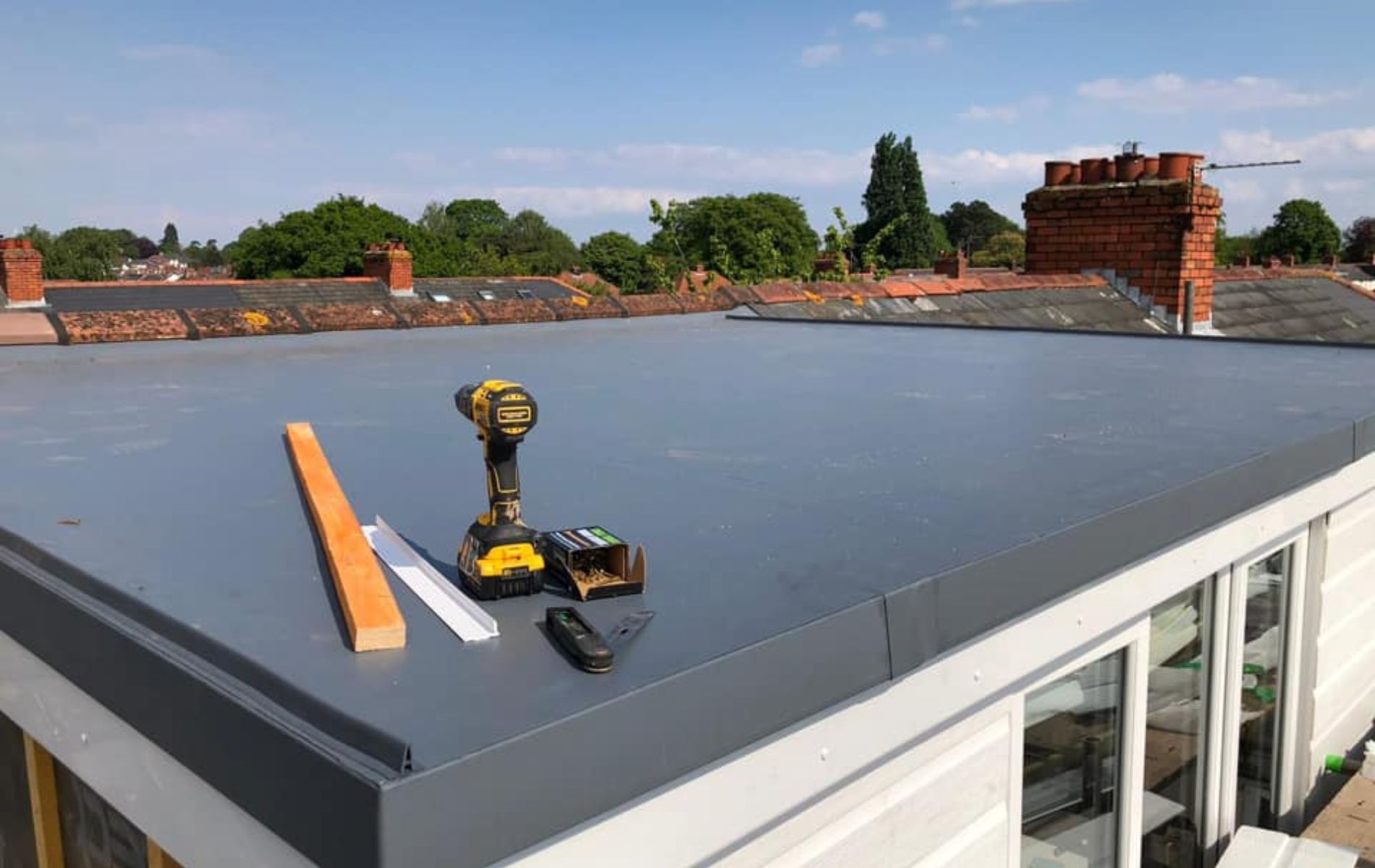
This roof inspection guide shows what to check, when to check it, and how to keep notes. It also gives simple roof inspection tips, roof upkeep tips, and a clear homeowner checklist you can use year after year.
Why Roof Inspections Matter for NY Homeowners
A sound roof does more than cover your house. It protects your family, your belongings, and your home value.
New York weather can be rough. Snow, ice, heavy rain, and strong winds can all damage roofing parts. A regular roof condition assessment helps you spot trouble early.
Why it matters:
- Catch small issues before they spread
- Cut repair costs
- Keep energy use lower
- Extend roof life
- Protect home value
Understanding NY’s Roofing Challenges
New York roofs take a lot of stress. Snow, ice dams, freeze-thaw cycles, strong winds, and hot summers all cause wear.
These conditions can crack shingles, bend flashing, and block drainage. Keeping your roof in top shape means checking it often and following good roof maintenance guide advice.
Key risks:
- Heavy snow load
- Ice dams
- Freeze-thaw cracks
- Wind damage
- Heat and humidity

How Often Should You Inspect Your Roof?
Check your roof:
- 2x a year, in spring and fall
- after severe storms
- before winter weather starts
Spring and fall are the best times because they help you spot damage from winter and summer. Regular checks can stop small issues from growing.
Safety First: Preparing for a Roof Inspection
Focusing on safety builds confidence when inspecting your roof.
Before you start:
- Check the weather
- Avoid rain, ice, high wind, or storms
- Use a sturdy ladder
- Wear non-slip shoes
- Use a safety harness if you go on the roof
Start from the ground when you can. Binoculars and a flashlight help. If the roof feels unsafe, stop and call a pro.
Tools and Equipment for Inspecting Your Roof
Useful tools:
- sturdy ladder
- binoculars
- flashlight
- notepad or phone
- safety harness
Keep your tools in good shape and ready before you climb.
The Comprehensive Roof Inspection Checklist for Homeowners
Use this checklist to guide your roof inspection. It supports roof upkeep and gives you a simple home inspection checklist to follow.
- ground-level exterior check
- on-the-roof check
- attic and interior review
- gutters, downspouts, and drainage
- flashing, vents, chimneys, and skylights
1. Ground-Level Exterior Inspection
Start from the ground. Look at the roof shape, edges, and surface.
Check for:
- missing or damaged shingles
- sagging lines
- dark patches or mold
- worn edges
- damage near walls and eaves
Trim trees and shrubs so they do not touch the roof.
2. On-the-Roof Inspection
If it is safe, climb up and inspect close-up details.
Look at:
- shingles and tiles for cracks or wear
- ridge caps for chips or peeling
- vents to make sure they are secure
Also check roof valleys, metal parts, seams, and joints. Look for rust, loose seals, and deep cracks.
Extra checks:
- inspect flashing around chimneys
- clear debris from roof valleys
- look for blistering or deep cracks
3. Attic and Interior Inspection
The attic often shows problems before the outside does.
Check for:
- water stains or leaks
- enough insulation
- mildew smells
- dark spots
- sagging under the roof deck
- good airflow
Poor ventilation can trap moisture. Write down anything unusual.
4. Gutters, Downspouts, and Drainage
Gutters and downspouts move water away from your roof and foundation. When they clog, water can back up and cause damage.
Do this:
- clear leaves and debris
- make sure downspouts send water away from the house
- check for rust, dents, or breaks
Good drainage prevents pooling, sagging, and water damage.
5. Flashing, Vents, Chimneys, and Skylights
Flashing and seals keep water out at joints and openings.
Check:
- flashing at roof edges and seams
- seals around vents for cracks or gaps
- chimneys and skylights for tight seals
Broken flashing can cause leaks and waste energy.
6. Roof Materials: Shingles, Tiles, Metal, and More
Different roof materials wear in different ways.
Look for:
- asphalt shingles with missing granules or curls
- metal roofs with rust or corrosion
- tiles with cracks or slip marks
Regular checks help stop early wear. Local weather changes can shorten material life.
7. Roof Structure and Support Assessment
Your roof structure must stay strong.
Check:
- roof supports for stress
- trusses and beams for cracks
- bending or sagging
Weak framing can lead to big damage. Early fixes are safer and cheaper.
8. Signs of Water Damage, Mold, and Leaks
Water damage can spread fast, so look for warning signs early.
Watch for:
- stains or water rings on ceilings
- mold or mildew
- soft spots that press in
Early checks make repairs easier and cheaper.
9. Roof Ventilation and Insulation Check
Good ventilation helps control moisture and heat.
Make sure:
- vent covers are clear
- insulation is in good shape
- attic air can move well
This helps protect roof parts and can lower energy loss
10. Roof Accessories: Skylights, Solar Panels, and More
Roof accessories sit in harsher spots and need more upkeep.
Inspect:
- seals around mounting points
- brackets and fasteners
- glass or panel surfaces
A careful check keeps these items safe and working well.
Seasonal Roof Inspection Tips for NY Homeowners
New York weather changes fast, so use seasonal roof inspection tips.
Spring
- clear winter debris from gutters
- check shingles and tiles for ice damage
- inspect flashing for gaps
Summer
- look for heat damage or warped parts
- check that ventilation still works well
Fall
- remove leaves
- clear drainage paths
- inspect seals before freezing weather starts
Winter
- watch for ice dams and heavy snow
- check attic airflow and insulation
- remove snow only if it is safe
Comparing NY and Florida Roof Inspection Checklists
Climate changes the checklist. A florida roof inspection checklist for homeowners focuses more on heat, humidity, and hurricane prep. In New York, snow, ice, and freeze-thaw damage matter more.
New York checks often focus on:
- ice dam prevention
- snow load
- freeze-thaw cracks
Florida checks often focus on:
- wind damage
- moisture control
- storm readiness
A local plan gives you better results.
Common Roofing Issues in NY and How to Address Them
Common problems include:
- ice dams along roof edges
- leaks from thawing snow or heavy rain
- shingles loosened by wind
How to respond:
- improve attic insulation and ventilation
- keep gutters and drains clear
- replace damaged shingles fast
- reseal flashing around chimneys, vents, and skylights
When to Call a Professional Roof Inspector
Some jobs need a pro.
Call one if you see:
- major water damage
- structural sagging
- signs of a roof replacement need
- problems before selling your home
A pro can find the cause and give a clear roof condition assessment.
Documenting Your Roof Condition for Insurance and Maintenance
Good records help with insurance and future repairs.
Keep:
- clear photos
- notes on what you saw
- repair dates and costs
Take wide shots and close-ups. A simple log makes claims and maintenance easier.
Key Documentation Tips
- take clear photos
- log all findings
- save repair details
Roof Maintenance Guide: Upkeep Tips for Longevity
This roof maintenance guide keeps your roof in better shape for longer.
Do this often:
- clean gutters
- remove leaves and branches
- check for rust
- look for loose or missing shingles
- inspect flashing and seals
Year-round upkeep lowers the chance of leaks and major repairs.
Budgeting for Roof Maintenance and Repairs
Set money aside each year for inspections and small fixes.
Helpful steps:
- estimate how long your roofing material should last
- save a fixed amount each month
- track past repair costs
A simple budget makes future repairs easier to handle.
Using Technology for Roof Inspections
Technology can make roof inspection tips easier to follow.
Try:
- drones for hard-to-reach areas
- inspection apps for step-by-step checks
- photos for tracking change over time
These tools support a safer and more complete roof inspection guide.
Creating Your Homeowner Roof Maintenance Log
A roof log helps you stay organized.
Record:
- inspection dates
- findings
- repairs and costs
- professional notes
Keep the log updated so you are ready when problems come up.
f care.
Conclusion: Protecting Your NY Home with Regular Roof Inspections
Regular checks help protect your home, cut repair costs, and extend roof life. A simple roof inspection checklist for homeowners is one of the best ways to keep your New York home safe.
Key Benefits
- prevent major damage
- save on repair costs
- keep home value strong
Use these roof inspection tips, roof upkeep tips, and maintenance notes all year.
Frequently Asked Questions: Roof Inspection Guide for NY Homeowners
What are the signs that my roof needs repair?
Missing shingles, leaks, sagging, stains, or soft spots can mean trouble. Check these during each roof inspection checklist for homeowners review.
How often should I inspect my roof?
Inspect 2x a year, in spring and fall, and also after storms. Regular checks help you catch problems early.
Can I inspect my roof myself?
Yes, if the roof is safe to reach and the weather is good. Use proper gear and know when to stop.
Common Concerns
- signs of roof damage
- best inspection timing
- DIY safety tips
These answers help you make smart choices about roo
Question: How often should NY homeowners inspect their roofs, and why are spring and fall recommended?
Short answer: Inspect 2x a year, in spring and fall, plus after storms and before winter. Spring shows winter damage, and fall helps you seal up before cold weather starts.
Question: What NY-specific roof problems should I watch for, and how can I prevent them?
Short answer: Watch for ice dams, freeze-thaw damage, heavy snow loads, and wind-lifted shingles. Keep insulation and ventilation strong, clear gutters, and fix damaged shingles and flashing fast.
Question: What safety steps and tools do I need for a DIY inspection—do I have to get on the roof?
Short answer: Use a sturdy ladder, non-slip shoes, and clear weather. Start from the ground with binoculars, then check the attic. A flashlight, phone, notes, and a drone or app can help.
Question: Which areas are most critical to check, and what red flags signal trouble?
Short answer: Check shingles, ridge caps, valleys, flashing, vents, chimneys, skylights, gutters, and the attic. Red flags include cracks, gaps, clogs, stains, mold, sagging, and poor airflow.
Question: When should I call a professional, and how should I document my roof’s condition for insurance or maintenance?
Short answer: Call a pro for major water damage, sagging, replacement planning, or sale prep. Keep clear photos, notes, and repair records. Drones and apps can improve your roof condition assessment.