Should I Get Steel or Aluminum Gutters
Steel and aluminum are two of the most common choices for residential gutter systems, but they solve different problems. Aluminum gutters are lightweight, corrosion resistant, and widely used for seamless gutter installation, while steel gutters are heavier-duty and valued for strength in demanding conditions. The better choice depends on your climate, roofline, maintenance expectations, and how much weight and weather your gutter system needs to handle.
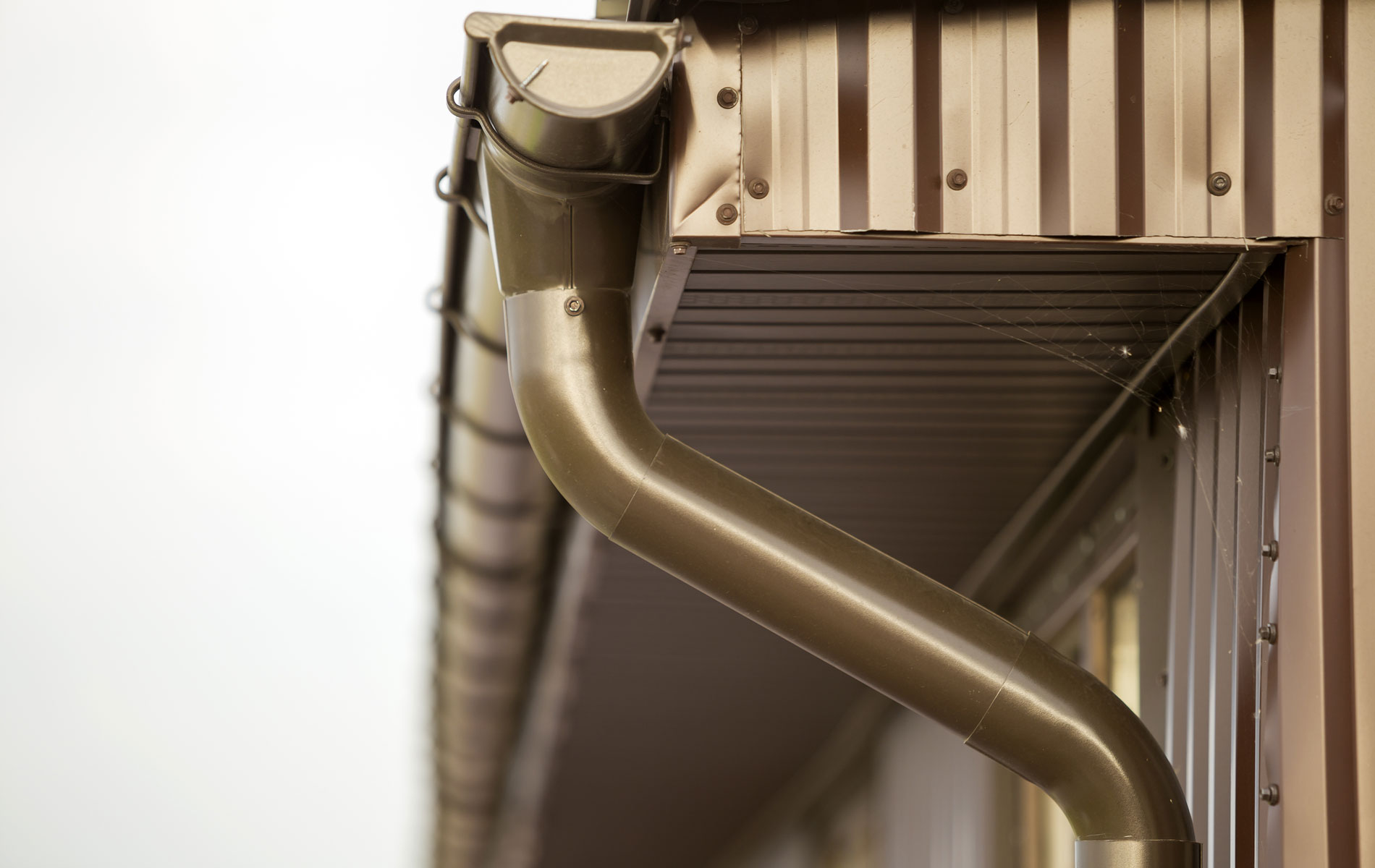
Which gutter material is better for your home?
For most homes, aluminum gutters are the easier all-around choice because they resist rust, are lighter to install, and work well for standard residential drainage needs. Steel gutters are better when impact resistance, rigidity, and heavy-duty performance matter more than low maintenance. If you live in an area with frequent freeze-thaw cycles, heavy rain, falling branches, or snow load concerns, the decision should be based on gutter weather resistance rather than material popularity alone.
Here is the simplest way to think about steel vs aluminum gutters:
- Choose aluminum gutters if you want lightweight gutter materials, rust resistant gutter materials, lower routine maintenance, and a clean appearance for a typical home.
- Choose galvanized steel gutter systems if you want extra strength, do not mind more gutter maintenance, and are willing to stay ahead of gutter rust prevention.
- Consider stainless steel gutters vs aluminum gutters if you want premium corrosion resistance and durability, but expect stainless steel to be a more specialized option.
- Ask a gutter contractor if your roof is steep, unusually large, exposed to severe weather, or already showing drainage problems.
Steel vs aluminum gutters at a glance
A gutter material comparison guide is most useful when it compares the same factors side by side. The table below keeps the decision focused on practical ownership: installation, weather, maintenance, durability, and long-term value.
| Comparison factor | Aluminum gutters | Steel gutters |
|---|---|---|
| Weight | Lightweight and easier to handle during aluminum gutter installation | Heavier and may require more support during steel gutter installation |
| Rust resistance | Naturally corrosion resistant; a strong choice for rust resistant gutter materials | Galvanized steel gutters resist rust at first, but coatings must stay intact |
| Strength | Good for many residential gutter systems | Stronger against impact, bending, and heavy-duty use |
| Weather performance | Works well in many climates, especially when seamless aluminum gutters are installed correctly | Performs well in harsh conditions but needs protection from corrosion |
| Maintenance | Generally lower gutter maintenance requirements | Higher attention to scratches, seams, coatings, and rust spots |
| Appearance | Easy to match with many home styles and finishes | Sturdy look; finish quality matters for long-term curb appeal |
| Repair and replacement | Often simpler to repair or replace sections | Repairs may be more involved due to weight and corrosion concerns |
| Best fit | Standard homes, coastal or humid areas, owners wanting low maintenance | Harsh weather areas, impact-prone locations, owners prioritizing strength |
This does not mean one material is universally better. “Are steel gutters better than aluminum gutters?” depends on the job they need to do. Steel gutter durability can be valuable, but aluminum gutter lifespan can be very strong when the system is correctly sized, sloped, cleaned, and maintained.
Aluminum gutters offer light weight and corrosion resistance
Aluminum gutters are popular because they balance performance, appearance, and maintenance. They are light enough for efficient installation, which can help simplify projects on many homes. They also resist rust, making them a practical option for wet climates, humid regions, and homeowners who want corrosion resistant gutters without choosing a specialty material.
Seamless aluminum gutters are especially common because fewer seams mean fewer potential leak points. A seamless system still needs proper hangers, downspout placement, slope, and drainage planning, but it can reduce some of the weak points found in sectional gutter systems. If you are comparing aluminum gutters vs galvanized steel gutters, this is one of aluminum’s biggest everyday advantages.
Aluminum gutters pros and cons
Pros
- Lightweight material that is easier to install on many residential properties
- Strong resistance to rust and corrosion
- Available in many colors and profiles
- Often suitable for seamless gutter installation
- Lower maintenance burden than many steel systems
- Good fit for many homeowners asking, “Are aluminum gutters worth it?”
Cons
- Can dent or bend from ladders, branches, hail, or impact
- May not feel as rigid as heavy duty steel gutters
- Requires correct sizing for heavy rain and roof volume
- Thin or poorly installed sections can sag over time
If your main concern is gutter rust prevention, aluminum is usually the simpler material to own. If your main concern is impact strength, steel may deserve a closer look.
Steel gutters provide strength with more maintenance responsibility
Steel gutters are chosen for toughness. They can handle more physical stress than aluminum, which makes them appealing for homes exposed to falling limbs, snow pressure, or rough weather. Heavy duty steel gutters may also feel more secure on buildings where the gutter system needs extra rigidity.
The tradeoff is maintenance. Galvanized steel gutter systems are coated to resist rust, but scratches, cut edges, standing debris, and worn finishes can become weak spots. Once corrosion starts, it can spread if the issue is ignored. That is why gutter maintenance requirements are usually higher for steel than for aluminum.
Steel gutters pros and cons
Pros
- Strong material with good resistance to impact and deformation
- Suitable for demanding rooflines and harsh weather exposure
- Can be a smart choice where durability matters more than weight
- Offers a solid, heavy-duty feel
Cons
- Heavier than aluminum and more demanding to install
- Requires active gutter rust prevention
- Scratches and coating damage need attention
- May involve higher labor complexity for repair or replacement
When people ask how long do steel gutters last, the honest answer is that the material alone does not decide it. Coating quality, installation, drainage, climate, cleaning habits, and prompt repairs all affect the result.
Which option handles harsh weather better?
Steel is often the stronger choice for impact and heavy physical loads, while aluminum is often the easier choice for corrosion resistance. For the best gutters for harsh weather, you need to define the weather risk first. Heavy rain, snow, ice, humidity, wind-blown debris, and coastal moisture all stress a gutter system in different ways.
| Weather concern | Better fit | Why it matters |
|---|---|---|
| Heavy rain | Either material, if sized correctly | Capacity, downspouts, and slope matter as much as material |
| Snow and ice | Often steel for strength; aluminum if corrosion is the bigger issue | Best gutters for cold climates need support, placement, and maintenance |
| Humidity | Aluminum | Rust resistance is a major advantage |
| Coastal moisture | Aluminum or stainless steel | Salt air can be hard on coated steel systems |
| Falling branches or impact | Steel | Steel is typically more resistant to dents and deformation |
| Freeze-thaw cycles | Depends on installation quality | Expansion, ice dams, and drainage design affect both materials |
For the best gutters for heavy rain, do not focus only on steel vs aluminum. A poorly sized steel system can overflow, while a properly designed aluminum system may perform well. Downspout count, outlet size, roof pitch, valley flow, and gutter slope are all part of choosing the right gutter material and system design.
Which material costs less to maintain over time?
Aluminum usually has lower gutter material maintenance costs because it does not rust like steel. Steel can be worth the added attention when the home needs extra strength, but it should be inspected more carefully for scratches, exposed edges, and early corrosion. Over time, skipped maintenance can turn a small steel gutter issue into a larger gutter repair and replacement project.
Cost is not just the price of the material. Gutter installation cost factors include home height, roof access, gutter length, downspout layout, fascia condition, old gutter removal, material weight, and whether the system is sectional or seamless. Steel gutters vs aluminum gutters cost can vary by market and project complexity, so a local estimate is more reliable than a generic price comparison.
Use this checklist when comparing quotes from professional gutter installation services:
- Are the gutter sizes appropriate for your roof area and rainfall?
- Is the quote for seamless aluminum gutters, sectional gutters, galvanized steel, or another material?
- How many downspouts are included, and where will they drain?
- Will damaged fascia or trim be repaired before installation?
- What hanger spacing and fasteners will be used?
- Are removal and disposal of old gutters included?
- What maintenance does the contractor recommend for your climate?
- Is the finish, coating, or workmanship covered by any warranty terms?
This is also where searching for gutter contractors near me can be helpful, as long as you compare more than the lowest number. Look for clear scope, material details, and a drainage plan that matches your home.
Durability depends on installation as much as material
The most durable gutter materials can still fail early when the installation is wrong. Gutters need the right pitch so water moves toward the downspouts instead of sitting in the trough. Standing water adds weight, encourages debris buildup, and can worsen corrosion risks in steel systems.
Proper support is also critical. Aluminum can sag if hangers are spaced poorly or if debris is allowed to overload the system. Steel can pull on fascia if the home’s wood trim is weak or if the system is not fastened correctly. Before any gutter installation, the installer should check fascia condition, roof edge details, drainage points, and areas where water currently overflows.
This is why gutter repair and replacement should not be treated as a simple material swap. If the previous system failed because of poor slope, undersized downspouts, clogged valleys, or roof drainage concentration, changing from aluminum to steel will not solve the root problem by itself.
Best-fit recommendations by homeowner priority
Different homes need different gutter materials. Use these recommendations as a practical starting point before asking for a site-specific estimate.
| Your priority | Best starting choice | Reason |
|---|---|---|
| Low maintenance | Aluminum gutters | Strong rust resistance and lighter upkeep |
| Heavy-duty strength | Steel gutters | Better resistance to bending and impact |
| Humid climate | Aluminum gutters | Corrosion resistance is a major advantage |
| Cold climate | Depends on snow, ice, and support needs | Best gutters for cold climates require good installation and drainage planning |
| Heavy rain | Either material | Proper sizing and downspouts decide performance |
| Budget-conscious replacement | Aluminum often makes sense | Installation is typically simpler, but local quotes matter |
| Maximum corrosion resistance | Aluminum or stainless steel | Stainless steel may be considered for premium durability |
| Standard residential use | Aluminum gutters | Balanced performance for many homes |
If you want the best gutter material for homes in a typical neighborhood, aluminum is often the practical answer. If your property has special exposure, frequent impact, or demanding structural needs, steel deserves serious consideration.
Final decision summary
Aluminum gutters are usually the better fit for homeowners who want corrosion resistant gutters, easier maintenance, and a versatile residential gutter system. They are especially appealing when seamless aluminum gutters are available and the home does not need unusually heavy-duty impact resistance. For many people wondering are aluminum gutters worth it, the answer is yes when the system is properly installed and sized.
Steel gutters are better for homeowners who value strength and rigidity and are prepared to maintain the material. Galvanized steel gutters vs aluminum gutters is not only a cost question; it is a maintenance and climate question. Steel can be a strong choice, but it should be protected, inspected, and repaired before rust spreads.
Before deciding, ask a qualified contractor to evaluate your roof size, drainage paths, local weather, fascia condition, and existing gutter problems. The right professional can explain aluminum gutter installation, steel gutter installation, gutter maintenance, and replacement options in terms of your actual home rather than a one-size-fits-all recommendation.
All in all, at RH Renovation NYC we recommend aluminum gutters as a more convenient solution not only cost-wise but also in terms of installation and maintenance. These gutters are easy to replace even in the event of cracks.
Call us at RH Renovation NYC to book an appointment and discuss the best gutter material for your home. Our designers can help you choose the best color and look for your gutters while our team of contractors can come on-site and access the needs of your roof right there. This way they can suggest the best gutter option for you that will save you money and energy. Last but not least, we will provide you with a cost estimate for free so you know how much your renovation project will cost.
So what are you waiting for? Improve the look of your facade and protect the integrity of your home with steel or aluminum gutters.