What Kind of Roof Should You Choose, Flat One or Normal One
Choosing the right roof is an important decision when building, renovating, or replacing the roof of your home. The roof affects more than the appearance of a property. It influences how rainwater drains, which materials can be installed, how much maintenance is required, how the building uses its upper space, and what your long-term roofing costs may look like.
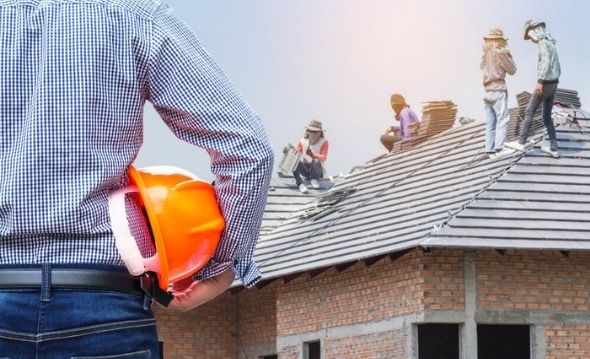
One of the first decisions homeowners face is whether to choose a flat roof or a traditional sloped roof, also known as a pitched roof.
Both designs have advantages, and neither is automatically the better option for every property. Flat roofs are common on many New York City buildings, including brownstones, rowhouses, and multifamily properties. Pitched roofs are often found on detached houses and properties with more traditional architectural designs.
So, which one should you choose?
The answer depends on your building’s structure, drainage requirements, preferred appearance, budget, maintenance expectations, and plans for using the roof space. This guide compares flat and pitched roofs to help you understand the differences before making a decision.
What Is the Difference Between a Flat Roof and a Pitched Roof?
The main difference is the roof’s slope and how it manages water.
A flat roof has a low-slope surface that appears almost level when viewed from the ground. However, a properly designed flat roof is not completely horizontal. It needs a slight slope to direct rainwater towards drains, scuppers, or other drainage outlets.
A pitched roof has one or more visibly sloping surfaces. Its angle allows rainwater and melting snow to move down towards the eaves and gutters.
Each design requires a roofing system suited to its shape.
Flat roofing systems commonly use materials such as EPDM, TPO, PVC, and modified bitumen. These materials form a weather-resistant surface across the roof.
Pitched roofing systems commonly use asphalt shingles, metal panels, slate, tile, or other materials designed for sloped applications.
The choice is not simply about appearance. The roof structure, material compatibility, drainage design, and quality of installation all influence how well the finished roof performs.
Advantages of a Flat Roof
Flat roofs offer several practical advantages, particularly for buildings where usable rooftop space and efficient building design are priorities.
1. More Usable Rooftop Space
One of the biggest advantages of a flat roof is that its surface may be suitable for certain rooftop uses.
Depending on the building’s structural capacity, waterproofing system, access arrangements, and applicable approvals, a flat roof may accommodate:
- Rooftop HVAC equipment.
- Solar panel installations.
- Approved roof terraces or seating areas.
- Maintenance access.
- Certain rooftop gardens or green roof systems.
However, a flat roof should not automatically be treated as a usable outdoor living space. Adding people, equipment, planters, or other loads may require structural assessment and additional design work.
If you want to use your roof as a terrace or garden, discuss the intended use before choosing the roofing system.
2. A Practical Design for Many NYC Buildings
Flat roofs are particularly common on attached houses, brownstones, rowhouses, and multifamily buildings throughout New York City.
Their relatively simple roof geometry can suit buildings where a conventional pitched roof would be inconsistent with the existing architectural design.
They can also provide space for equipment and drainage components without requiring a steep roof structure.
For many existing NYC properties, retaining the flat roof design is more practical than changing the building’s entire roof shape.
3. Compatibility With Different Roofing Materials
Flat roofs can use several different waterproofing systems.
Common options include:
- EPDM: A synthetic rubber roofing membrane used on low-slope roofs.
- TPO: A single-ply membrane commonly selected for its reflective surface options and heat-welded seams.
- PVC: A single-ply roofing membrane used on certain residential and commercial low-slope applications.
- Modified bitumen: An asphalt-based roofing system supplied in rolls and installed using an appropriate application method.
Each material has different installation requirements, maintenance considerations, and performance characteristics. The best choice depends on the roof’s condition, drainage arrangement, exposure, and intended use.
4. Suitable for Rooftop Equipment
A low-slope roof can make it easier to accommodate certain building systems, such as HVAC equipment and other approved installations.
This can be useful for properties where equipment placement is limited by interior space or architectural considerations.
However, equipment must be properly supported and installed without compromising the roof membrane. Penetrations, mounting points, and service pathways should be detailed to prevent water intrusion.
Disadvantages of a Flat Roof
Although flat roofs offer useful advantages, they also require careful design and maintenance.
1. Drainage Needs More Attention
Water does not run off a low-slope roof as quickly as it does on a steeply pitched surface.
Flat roofing systems therefore depend on properly designed slopes, drains, scuppers, and drainage pathways.
If outlets become blocked or the roof develops low areas, water may collect on the surface. Persistent ponding can increase the risk of deterioration and water intrusion, particularly when the membrane or flashing is already compromised.
Regular inspections should include checking drainage outlets, roof penetrations, seams, and visible membrane damage.
2. Membrane Damage Can Lead to Leaks
Flat roofing membranes can be affected by punctures, deteriorated seams, damaged flashing, rooftop equipment work, and weather exposure.
Even a relatively small opening may allow water to enter the roofing assembly.
For this reason, flat roofs should be inspected after significant weather events and whenever there are signs of interior moisture, ceiling stains, or unexplained dampness.
3. Rooftop Access Requires Care
Some flat roofs are easier to access than steeply pitched roofs, but that does not mean they are safe to walk on without precautions.
Roof membranes can be damaged by sharp objects, heavy equipment, or inappropriate foot traffic. Access points, roof edges, skylights, and other openings also create safety risks.
Use appropriate professional access and protection measures when inspection or maintenance work is needed.
Advantages of a Pitched Roof
Pitched roofs remain a popular choice for residential properties because of their appearance, drainage characteristics, and wide selection of roofing materials.
1. Efficient Rainwater Drainage
A pitched roof uses gravity to move rainwater down its sloping surfaces.
Water generally travels towards the eaves and into the gutter system, reducing the time it remains on the main roof surface.
This can make pitched roofs a practical option in areas that experience frequent rainfall.
However, drainage still depends on correctly installed shingles or other roofing materials, valleys, flashing, gutters, and downspouts. A poorly maintained pitched roof can also develop leaks.
2. A Wide Choice of Styles and Materials
Pitched roofs can be designed in several architectural styles, including:
- Gable roofs.
- Hip roofs.
- Mansard roofs.
- Gambrel roofs.
- Shed roofs.
- Cross-gable roofs.
The material options are also varied.
Asphalt shingles: A widely used residential roofing material available in different colours and styles.
Metal roofing: Standing-seam and other metal systems can provide a distinctive appearance and long service potential when correctly specified and installed.
Slate roofing: A natural stone material often selected for its traditional appearance and durability, although its weight and installation requirements need careful consideration.
Tile roofing: Available in different profiles and finishes, with structural suitability and roof design influencing its use.
A pitched roof offers considerable flexibility when matching a home’s exterior appearance.
3. Less Reliance on Roof Drains
Unlike a low-slope roof, a pitched roof generally directs water towards its perimeter rather than depending on roof drains across a broad horizontal surface.
This can simplify the main roof drainage arrangement.
However, gutters and downspouts still need regular attention. Blocked gutters, damaged valleys, and poorly detailed roof intersections can cause water to enter the building.
4. Additional Interior Design Possibilities
A pitched roof can create attractive interior spaces, including vaulted ceilings, attic rooms, and sloped ceiling designs.
Depending on the roof structure and building layout, the space beneath the roof may provide opportunities for storage or additional usable rooms.
The available space depends on roof pitch, framing, insulation, ventilation, and applicable building requirements.
Disadvantages of a Pitched Roof
Pitched roofs also have limitations that homeowners should consider.
1. Installation Can Be More Complex
The cost and complexity of a pitched roof depend on its design.
A simple roof with a straightforward slope may be relatively uncomplicated. However, multiple roof planes, dormers, valleys, ridges, chimneys, and skylights can increase installation requirements.
Steeper roof pitches can also require additional access equipment, fall protection, and specialist labour.
2. Less Convenient Rooftop Space
A sloping surface is generally not suitable for conventional rooftop seating or walking areas.
Although solar panels and certain equipment can be installed on pitched roofs, their positioning must be designed around the roof angle, orientation, structural capacity, and attachment requirements.
If your main priority is an accessible rooftop terrace, a pitched roof may not be the most practical design.
3. Roof Maintenance Still Matters
Pitched roofs are not maintenance-free.
Shingles can crack, lift, or lose protective granules. Metal roof components can develop damaged connections, while flashing around chimneys, skylights, and roof valleys may deteriorate.
Gutters should also be inspected and cleaned as needed to prevent water from backing up around the roof edge.
Flat Roof vs. Pitched Roof: Side-by-Side Comparison
| Comparison | Flat roof | Pitched roof |
|---|---|---|
| Roof shape | Almost level with a slight drainage slope | One or more visibly sloping surfaces |
| Water management | Depends on drains, scuppers, and planned slopes | Uses gravity to direct water towards eaves and gutters |
| Common materials | EPDM, TPO, PVC, modified bitumen | Asphalt shingles, metal, slate, tile |
| Rooftop use | May accommodate approved terraces or equipment | Generally less suitable for accessible rooftop space |
| Appearance | Often concealed behind parapets | More visible and influential on curb appeal |
| Maintenance | Drainage, membrane, seams, and penetrations need attention | Shingles, flashing, valleys, and gutters need attention |
| Installation | Depends on membrane system and roof details | Depends on pitch, framing, material, and roof complexity |
| Best suited to | Many urban and low-slope buildings | Many traditional and detached residential properties |
There is no universal winner. A well-designed flat roof can perform reliably, just as a correctly installed pitched roof can provide dependable protection. The complete roofing assembly matters more than the label used to describe its shape.
Which Roof Is Better for NYC Weather?
New York City properties experience seasonal changes, including heavy rain, winter temperatures, snow, ice, and strong winds.
Both roof types can be suitable, but they need to be designed for local conditions.
Flat Roofs During Rain and Snow
Flat roofs need reliable drainage because water and melting snow do not leave the surface as quickly as they do on steeper roofs.
The drainage design should account for roof slope, outlet locations, parapets, and any areas where water could collect.
During winter, snow and ice can create additional loading and drainage concerns. Property owners should not assume that a low-slope roof can safely carry unlimited snow accumulation.
Pitched Roofs During Rain and Snow
Pitched roofs generally shed rainwater more quickly, and steeper slopes may allow some snow to slide off naturally.
However, snow can still accumulate depending on the roof angle, material, temperature, and weather conditions.
Ice dams may also develop when heat escapes through the roof assembly and contributes to uneven snow melting. Proper insulation, air sealing, and ventilation can help address the conditions that contribute to this problem.
Wind and Storm Considerations
Wind performance depends on the roof system, attachment methods, perimeter details, materials, and building exposure.
A flat roof is not automatically windproof, and a pitched roof is not automatically more vulnerable. The complete system must be designed and installed to suit the property.
Can You Change a Flat Roof Into a Pitched Roof?
Some homeowners consider changing their roof design during a major renovation. While it may be possible to convert a flat roof into a pitched roof, this is a substantial building project rather than a simple roofing replacement.
The work may involve:
- Structural assessment and roof framing changes.
- Additional building materials and roof weight.
- Changes to roof height and exterior appearance.
- Updated drainage arrangements.
- Insulation and ventilation design.
- Roof access and fire-safety considerations.
- Zoning, building-code, and permit requirements.
Changing a pitched roof into a flat roof can involve similar structural and design considerations.
In New York City, many construction projects require Department of Buildings approval and permits, although certain non-structural roof repairs may be exempt. Whether a permit is required depends on the actual scope of work. A qualified design professional or the NYC Department of Buildings can help establish the requirements.
Do not assume that changing the roof shape is covered by the same requirements as replacing an existing roofing membrane or shingles.
How Much Does a Flat or Pitched Roof Cost?
There is no single price that applies to every flat or pitched roof project.
The total cost depends on the building, roof size, existing condition, selected material, accessibility, and amount of work involved.
Important cost factors include:
- Total roof area.
- Flat or pitched roof design.
- Material type and specification.
- Roof pitch and structural complexity.
- Removal and disposal of existing materials.
- Decking or structural repairs.
- Insulation and ventilation requirements.
- Flashing around chimneys, skylights, and roof edges.
- Drainage components, gutters, and downspouts.
- Access equipment and labour.
- Any design, engineering, or permit requirements.
A simple low-slope roof replacement may involve a different scope from a pitched roof with several valleys, dormers, and complex flashing details.
The most useful way to compare options is to request a written estimate that explains the materials, preparation, installation method, and additional work included.
How to Choose the Right Roof for Your Property
Before deciding between a flat and pitched roof, consider these five questions:
- What roof design does your building currently have? The existing structure and architecture may make one option more practical than the other.
- How important is usable rooftop space? A properly designed flat roof may accommodate certain approved uses, while a pitched roof is generally better suited to conventional roof coverage.
- What drainage arrangement does the property need? Consider rainfall, snow, roof outlets, gutters, and the condition of existing drainage components.
- Which roofing materials suit your budget and maintenance expectations? Compare the complete system rather than looking only at the initial material cost.
- Are you planning a replacement or a structural redesign? Changing the roof shape may involve additional engineering, design, and regulatory requirements.
A roofing professional can inspect the existing structure and explain which options are practical for your property.
Flat and Pitched Roofing Services From RH Renovation
Choosing between a flat and pitched roof requires an understanding of the building, existing roofing materials, drainage requirements, and long-term plans.
RH Renovation provides exterior renovation services in the Bronx and Westchester County, including roofing, flat roofing, gutters, skylights, chimneys, and siding.
As a GAF Master Elite® roofing contractor, RH Renovation can discuss suitable roofing options and help homeowners understand the work involved in their roofing projects. The appropriate recommendation depends on the property’s existing structure and the roofing system required.
Whether you are considering a flat roof replacement, pitched roof renovation, or an inspection of an existing roof, the first step is to understand its condition and requirements.
Contact RH Renovation
Phone: (646) 818-4305
Bronx: 1951 Hone Ave, The Bronx, NY 10461
Westchester: 5 Oak Ave, Tuckahoe, NY 10707
Request a free estimate to discuss your roofing project and the options available for your property.
Frequently Asked Questions
1. Is a flat roof better than a pitched roof?
Neither is automatically better. Flat roofs can provide usable rooftop space and suit many urban buildings. Pitched roofs generally shed rainwater more quickly and offer a wider range of traditional residential designs. The right choice depends on the building, materials, drainage, and intended use.
2. Do flat roofs need to be completely flat?
No. A properly designed flat roof has a slight slope that directs water towards drains, scuppers, or other outlets. A completely level surface can allow water to collect, so drainage planning is essential.
3. Which roof is better for heavy rain?
Pitched roofs generally move rainwater off the surface more quickly. Flat roofs can also perform reliably during heavy rain when their slopes, drains, membranes, and flashing are correctly designed and maintained.
4. Which roof is better for snow?
Pitched roofs may shed some snow, particularly at steeper angles. Flat roofs require careful consideration of drainage and structural loading. Neither roof type should be assumed to be safe under every snow condition without proper design and maintenance.
5. Can you install solar panels on a flat or pitched roof?
Yes. Solar panels may be installed on either roof type when the structure, orientation, attachment method, and applicable requirements are suitable. Flat roofs may allow additional flexibility in panel positioning, while pitched roofs can provide a naturally angled mounting surface.
6. Which roof requires less maintenance?
Maintenance requirements depend on the roofing material, installation quality, drainage design, and exposure. Flat roofs need attention to membranes, seams, penetrations, and drainage outlets. Pitched roofs need inspections of shingles or other materials, flashing, valleys, gutters, and roof edges.
7. Can I turn my flat roof into a rooftop deck?
Possibly, but the roof must be assessed for structural capacity, waterproofing, access, safety, and applicable building requirements. A conventional flat roof should not be used as a deck simply because its surface appears level.
8. How do I know which roof is suitable for my home?
Start with a professional inspection of the existing roof and building structure. Consider the architectural design, drainage, material options, budget, maintenance expectations, and intended use of the roof space before selecting a system.
Make an Informed Decision About Your New Roof
A flat roof can be a practical choice for many NYC buildings, while a pitched roof may be better suited to properties where traditional appearance and rapid surface drainage are priorities.
The most important consideration is choosing a roofing system that works with your building rather than selecting a roof based on appearance alone.
If you are planning a roof replacement or renovation, contact RH Renovation at (646) 818-4305 to discuss your property and request a free estimate.
If you do not really have a clear idea of what you prefer, then let the professionals have their input. Feel free to contact us at RH Renovation NYC to get a free quote on your new roof installation. As an experienced roof contractor, we are confident in giving the best advice on what type of design better suits your property as well as what course of action to follow to give you the best service possible. Trust us with the safety and looks of your home and we guarantee that you will be satisfied with your roof by the end of the process.