What Type of House Siding is Best
The best siding for a house depends on climate, budget, maintenance tolerance, architectural style, and how long you plan to stay. For many homeowners, fiber cement offers the strongest all-around balance of durability, curb appeal, fire resistance, and resale value, while vinyl remains one of the most affordable and low-maintenance siding options. Wood, engineered wood, metal, stucco, brick veneer, and stone veneer can also be the right choice when their strengths match the home’s location and design.
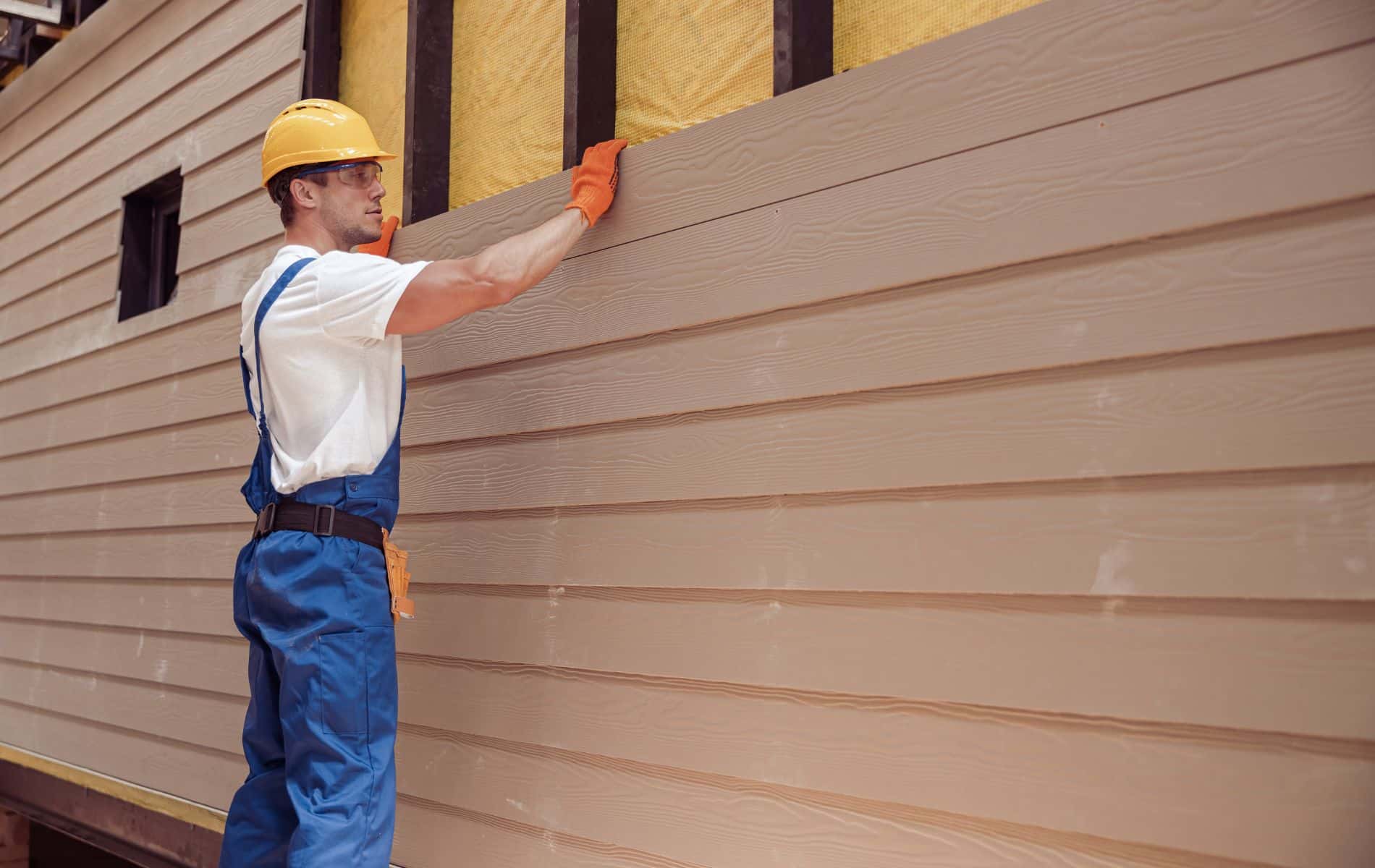
What type of house siding is best for most homes?
For most homes, the best siding is the material that protects the structure from local weather while fitting the owner’s budget and upkeep expectations. Fiber cement is often the best overall choice when durability and appearance matter, vinyl is best for budget-conscious projects, engineered wood is a strong option for a warm wood-look finish, and masonry or stone veneer works well for high-impact accent areas.
A good siding decision starts with function. Home siding is not only decoration; it is exterior cladding that helps shed rain, resist wind, protect the wall assembly, and define the character of the house. The right siding installation also includes flashing, weather barriers, trim details, and ventilation gaps where required, because even premium siding materials can fail when installed poorly.
Common siding choices include:
- Vinyl siding: Affordable, widely available, low maintenance, and offered in many siding styles.
- Insulated vinyl siding: Vinyl panels backed with foam insulation for a flatter look, added impact resistance, and improved thermal performance.
- Fiber cement siding: Durable, paintable, and resistant to pests, rot, and fire, but heavier and usually more expensive to install.
- Hardie board siding: A well-known fiber cement product category valued for strength and design flexibility.
- Engineered wood siding: A wood-based composite designed for better dimensional stability and lower maintenance than traditional wood.
- Natural wood siding: Classic and beautiful, especially on historic or custom homes, but requires regular painting, staining, and inspection.
- Metal siding: Aluminum and steel can perform well in harsh climates and contemporary designs.
- Stucco: Popular in dry or warm regions, but moisture detailing is critical.
- Brick or stone veneer: Long-lasting and high-end in appearance, often used as full cladding or accents.
The best exterior siding materials by priority
There is no single winner across all houses, but each material has a clear “best use.” Comparing types of house siding by strength, cost, maintenance, and climate makes the choice easier.
| Priority | Best siding options | Why they fit |
|---|---|---|
| Best overall balance | Fiber cement, engineered wood | Durable, attractive, versatile siding styles |
| Most affordable | Vinyl, aluminum, basic engineered wood | Lower material and installation costs |
| Lowest maintenance | Vinyl, insulated vinyl, fiber cement, metal | No frequent staining; simple cleaning needs |
| Longest lasting | Brick veneer, stone veneer, fiber cement, steel | Strong resistance to weather and impact |
| Best curb appeal | Fiber cement, wood, engineered wood, stone veneer | Rich textures and premium profiles |
| Best for old houses | Wood, fiber cement, engineered wood | Can better match historic lap, shake, or board-and-batten looks |
When evaluating siding types for house projects, avoid choosing by material alone. Profile, color, exposure width, trim package, and installation quality can make a modest material look refined—or make an expensive product look flat.
Vinyl siding and fiber cement siding compared
Vinyl and fiber cement are two of the most common siding options because both solve practical problems. Vinyl focuses on affordability and easy upkeep. Fiber cement focuses on strength, architectural depth, and long-term resilience.
Vinyl siding advantages:
- Usually lower installed cost than fiber cement.
- Does not need painting.
- Lightweight and relatively fast to install.
- Available in lap, vertical, shake, and board-and-batten profiles.
- Easy to clean with gentle washing.
Vinyl siding drawbacks:
- Can crack from impact, especially in cold weather.
- May warp if exposed to high heat or improper fastening.
- Often has less visual depth than thicker cladding.
- Lower-end panels can look less premium.
Fiber cement siding advantages:
- Strong resistance to rot, insects, and fire.
- Holds paint well when properly finished.
- Works with many traditional and modern siding styles.
- Often improves perceived quality and resale appeal.
Fiber cement siding drawbacks:
- Heavier material, which increases labor demands.
- Requires skilled cutting, flashing, sealing, and fastening.
- Usually costs more than standard vinyl.
- Painted finishes still need maintenance over time.
Recent cost guides place broad siding replacement costs around $1–$30 per square foot, depending heavily on material, home complexity, and location. HomeAdvisor notes common materials such as vinyl or engineered wood often fall around $3–$12 per square foot, while This Old House lists fiber cement at about $5–$14 per square foot in its 2026 guide. (homeadvisor.com)
Hardie board siding versus vinyl siding
Hardie board is a fiber cement siding product, so the comparison is really premium fiber cement versus vinyl. Hardie board is usually better for homeowners who want a thicker, more substantial exterior cladding with strong resistance to pests, fire, and harsh weather. Vinyl is usually better for homeowners who want a practical, lower-cost, low-maintenance exterior refresh.
Choose Hardie board or similar fiber cement if you care most about long-term durability, crisp trim details, and a painted architectural look. It pairs well with older homes, craftsman designs, farmhouses, and upscale renovations. The tradeoff is higher installation complexity, and cutting corners on caulking, clearances, or flashing can shorten performance.
Choose vinyl siding if budget, speed, and simple upkeep are top priorities. Insulated vinyl siding can improve panel rigidity and help reduce thermal bridging compared with hollow-back vinyl, making it a better choice for homeowners who want vinyl’s convenience with a more solid feel. Still, vinyl is not always the best fit for homes where premium resale presentation or impact resistance is the main goal.
Engineered wood, natural wood, and composite siding
Engineered wood siding is made to deliver a wood-like appearance with improved consistency and often less maintenance than natural boards. It is lighter than fiber cement and can create attractive lap, shake, or panel designs. It still needs correct sealing at cuts, penetrations, and edges to reduce moisture risk.
Natural wood siding remains one of the most beautiful old house siding types. Cedar shingles, clapboard, bevel siding, and board-and-batten can preserve historic character in a way synthetic products may only approximate. Its main disadvantage is maintenance: wood must be painted or stained, monitored for rot, and protected from insects and trapped moisture.
Composite siding is a broader category that may include engineered wood, polymer blends, or other manufactured materials. Compared with wood, composite siding often offers better uniformity and reduced upkeep. Compared with vinyl, it may provide a richer texture and more rigid profile, but cost, warranty terms, and installation requirements vary by product.
Which siding materials work best in cold, snowy, wet, or humid climates?
The best siding for difficult climates is the product that resists moisture movement, freeze-thaw stress, impact, and wind-driven rain. In cold and snowy regions, fiber cement, engineered wood rated for the climate, steel, and quality insulated vinyl are strong candidates. In wet or humid regions, fiber cement, vinyl, brick veneer, and properly detailed metal can perform well when installed with correct drainage and flashing.
Cold and snowy climates
Snowy climates punish weak cladding through ice buildup, freeze-thaw cycles, and moisture trapped near the foundation. Fiber cement performs well because it resists rot and pests and is less likely to become brittle than some lower-grade plastics. Steel siding can also be a durable choice where impact and temperature swings are concerns.
Insulated vinyl siding can be useful in cold areas because the foam backing helps the panel sit flatter and adds a modest insulating layer. However, the bigger energy benefit usually comes from the whole wall system: air sealing, continuous insulation, house wrap, and properly sealed penetrations.
Wet and humid climates
Wet climates require siding that sheds water and dries effectively. Vinyl is moisture-resistant and does not rot, but water can still get behind it, so the wall must have a reliable weather-resistive barrier. Fiber cement handles humidity well when clearances, flashing, and painted edges are maintained.
Wood can work in humid climates, but it demands more attention. If the home has heavy shade, poor gutters, splashback, or dense landscaping against the walls, natural wood becomes a higher-maintenance siding choice.
Cost of replacing house siding
The cost of replacing house siding depends on material, labor rates, wall height, trim complexity, removal of old siding, repairs to sheathing, insulation upgrades, and whether the project includes soffit, fascia, gutters, or stone accents. Simple vinyl on a straightforward one-story home is at the lower end, while fiber cement, cedar, brick veneer, and stone veneer usually increase the budget.
Use these ranges only as planning numbers, not a substitute for a local quote:
- Vinyl siding: often among the most affordable siding materials.
- Insulated vinyl: more than standard vinyl, but may improve appearance and energy performance.
- Engineered wood: midrange in many markets, with product quality affecting cost.
- Fiber cement: commonly mid-to-premium because of material weight and labor.
- Wood siding: varies widely by species, profile, finish, and maintenance needs.
- Stone or brick veneer: often among the higher-cost siding choices, especially when used beyond accent areas.
For resale value, siding that makes the home look clean, current, and well protected usually performs best. The 2025 Cost vs. Value report showed strong value retention for fiber-cement siding replacement and manufactured stone veneer, though returns vary by region and project scope.
A practical checklist for choosing house cladding
Before choosing among the many types of siding for house projects, walk through the decision in order. This keeps style from overpowering performance.
- Start with climate. Snow, humidity, wildfire exposure, salt air, and intense sun should narrow your siding materials.
- Set a realistic budget. Include removal, disposal, wall repairs, trim, paint, permits, and possible insulation.
- Match the house style. Historic homes may need wood, fiber cement, or engineered wood profiles that respect original proportions.
- Decide how much maintenance you will actually do. If repainting and staining are unlikely, avoid high-maintenance wood.
- Compare total value, not just upfront cost. A cheaper material may be right, but only if it will last in your climate.
- Inspect installation details. Flashing, clearances, fasteners, and moisture management matter as much as the panel itself.
The best siding choice is the one that fits the whole house
If you want the safest all-around answer, fiber cement is one of the best exterior siding materials for durability, design flexibility, and resale appeal. If affordability and low maintenance matter most, vinyl siding or insulated vinyl siding may be the better fit. If character is the priority, wood or engineered wood can create warmth that many other siding options try to imitate.
The right choice balances appearance, cost, climate, upkeep, and installation quality. Compare several siding types, ask contractors how each product handles your local weather, and look closely at homes nearby that have aged well. The best siding is not just the one that looks good on installation day—it is the one that still protects the home and suits your budget years later.
Contact us at RH Renovation NYC for more information on the best type of house siding available.