5 Signs Your Chimney Needs Repair: Expert Insights
How Do You Know If Your Chimney Needs Repair?
You know your chimney needs repair when you spot spalling (flaking or spalling bricks), water stains or dampness around the ceiling/fireplace, white chalky efflorescence deposits, backdrafts or lingering smoke odors, or cracked mortar joints and crown deterioration.
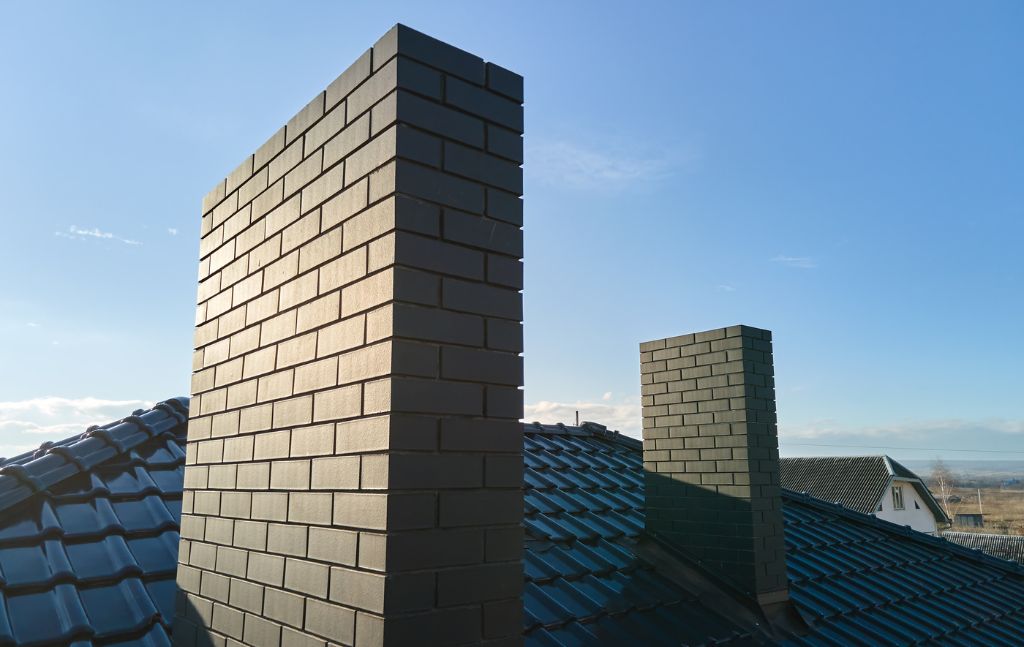
Because NYC chimneys endure extreme winter freeze-thaw cycles and heavy precipitation, small exterior cracks allow water into porous bricks. Once trapped inside, freezing ice expands, rapidly breaking down structural integrity from the inside out. Addressing these early warning signs through tuckpointing or crown sealing prevents full masonry failure and protects your home’s roof framing.
The Hidden Cost of Ignoring Chimney Warning Signs
In the NYC metro area and Westchester County, chimneys take a brutal pounding. Between summer humidity, heavy autumn rainfall, and winter temperatures swinging rapidly above and below freezing, masonry materials live in a harsh cycle.
Bricks and mortar are inherently porous. When moisture enters these porous materials and freezes, it expands by approximately 9%. This internal pressure fractures the face of the brick, hollows out mortar lines, and weakens the chimney stack.
Left unaddressed, minor cosmetic issues evolve into severe structural risks:
- Water infiltration rots roof rafters, damages drywall, and destroys attic insulation.
- Structural instability can cause the chimney stack to lean, crack, or collapse.
- Flue liner failure allows dangerous carbon monoxide and combustion gases into living spaces.
- Creosote build-up in cracked flues increases the risk of dangerous chimney fires.
Catching problems early preserves the original masonry and keeps repair costs manageable.
Sign 1: Cracked, Spalling, or Missing Bricks
One of the most clear visual indicators of chimney distress is brick spalling—when the face of a brick flakes, chips, cracks, or pops off entirely.
Why Spalling Occurs
Spalling happens when water gets trapped deep within the body of a brick. During cold snaps, this moisture expands into ice, fracturing the fired outer surface. Over time, whole layers peel away, leaving soft, unbaked clay underneath exposed to accelerated decay.
What to Look For:
- Red brick dust or chunks sitting on the roof deck or in gutters.
- Cracked brick faces that sound hollow when tapped.
- Gaps where entire bricks have shifted or fallen out.
- Worn, crumbling mortar lines (tuckpointing failure).
Expert Field Observation:
In older homes across the Bronx and Westchester, we frequently see homeowners attempt to fix spalling bricks by applying sealant or paint over damaged areas. This actually seals moisture inside the brick, causing complete structural failure within two seasons. Proper repair requires removing saturated bricks, replacing them with correctly matched units, and repointing the mortar using historically appropriate mortar mix.
Sign 2: Water Stains, Ceiling Dampness, or Chimney Leaks
Water is a chimney’s primary enemy. If you notice brown or yellow water stains on ceilings or walls surrounding the chimney breast, moisture is breaching your exterior envelope.
Where Chimney Water Infiltrates
A leaking chimney is rarely caused by just one component. Water can enter through several key areas:
| Chimney Component | Common Failure Mechanism | Typical Interior Symptom |
| Chimney Crown | Shrinkage cracks or lack of a drip edge | Water pooling in the attic space |
| Counter/Step Flashing | Rusted metal, failed sealant, or masonry pull-out | Stained drywall along sloped ceilings |
| Chimney Cap | Missing mesh, rusted top plate, or poor fit | Damp fireplace hearth or water inside firebox |
| Mortar Joints | Receded or hairline-cracked joint profiles | Wall dampness following driving rain |
Interconnected Exterior Damage
When water leaks around the base of your chimney, it rarely stops at the masonry. Water penetrating near the flashing often seeps into the adjacent roof decking, underlayment, and gutter system.
- Roofing System: If you notice moisture entering where the stack meets the roof line, a comprehensive evaluation of surrounding shingles and underlayment is essential. Homeowners experiencing leaks near the roof transition can explore our dedicated roof repair services in the Bronx or our roof repair services in Westchester County.
- Gutter Drainage: Clogged or failing gutters allow water to pool around the base of the chimney stack, accelerating brick saturation. Learn how proper gutter function protects your home in our guide on how to install a rain gutter downspout or explore our roof and gutter repair services in Westchester County.
- Skylights: If your roof line features nearby skylights, water traveling along the roof decking can create secondary leaks. See our guide on how to fix a leaking skylight.
Sign 3: White, Powdery Deposits (Efflorescence)
Have you noticed a soft, white, powder-like haze forming across your red brick exterior? This phenomenon is known as efflorescence.
What Causes Efflorescence?
Efflorescence occurs when water penetrates deep inside masonry materials, dissolving natural salts present in the brick and mortar. As the water migrates outward to evaporate on the exterior surface, it leaves these mineral salts behind.
Is Efflorescence Dangerous?
While the salt itself isn’t structurally harmful, it serves as an early visual warning that excessive moisture is moving freely through your chimney.
- Primary Efflorescence: Occurs shortly after new construction as initial building water evaporates (harmless and temporary).
- Secondary Efflorescence: Appears on established chimneys, indicating a new leak source (e.g., cracked crown, failed seal, or rising dampness).
Simply scrubbing away the white powder with a brush will not solve the underlying issue. The entry point of the water must be identified and sealed.
Sign 4: Smoke, Odors, or Fireplace Draft Problems
A properly constructed chimney relies on natural convection (the stack effect) to draw smoke, gases, and dangerous combustion byproducts up and out of the home. When this process degrades, the issue often stems from structural or liner defects.
Common Causes of Draft Issues
- Cracked or Damaged Flue Liner: Fractured clay tile liners restrict airflow and allow smoke to leak into surrounding walls.
- Creosote Accumulation: Tar-like deposits narrow the flue interior, creating friction and reducing draft strength.
- Obstructions: Animal nests, fallen brick debris, or leaf accumulation block flue passage.
- Damper Failure: Corroded metal dampers that fail to open fully during operation.
Safety Warning:
If smoke enters your living space, stop using your fireplace immediately. Draft back-ups can carry dangerous concentrations of Carbon Monoxide (CO)—an odorless, toxic gas. Ensure operational CO detectors are installed on every floor of your home.
Sign 5: A Leaning, Tilted, or Structurally Unstable Stack
A leaning or bowing chimney stack represents a critical structural failure requiring immediate professional intervention.
Primary Drivers of Chimney Instability
- Foundation Settlement: Over time, the heavy concrete footing supporting the chimney can settle unevenly due to poor soil conditions or water washouts.
- Mortar Bond Failure: Decayed mortar lines near the roof line allow upper stack courses to shift under heavy wind loads.
- Rotting Support Framing: Severe water leaks rot the timber framing surrounding the chimney breast inside the attic or roof structure.
Never attempt to shore up or brace a leaning chimney yourself. Structural masonry collapse can destroy roof sections and pose severe safety risks to occupants and neighboring properties.
For homeowners facing masonry decay or structural movement, our specialized team provides dedicated chimney repair services in the Bronx and chimney repair services in Westchester County to safely restore stability, flue safety, and weatherproofing.
Professional vs. DIY Chimney Repair
While minor cosmetic maintenance like surface cleaning can be handled by handy homeowners, structural chimney repairs demand specialized tools, materials, and safety protocols.
| Repair Type | DIY Feasible? | Professional Required? | Primary Risk / Reason |
| Cleaning surface efflorescence | Yes | No | Low risk; basic wire brush required |
| Replacing furnace damper | No | Yes | Incorrect fit risks toxic fumes |
| Repointing mortar joints (Tuckpointing) | No | Yes | Requires matching mortar strength & profile |
| Chimney Crown Replacement | No | Yes | Demands expansion joint installation & slope |
| Full Rebuilding / Structural Repair | No | Yes | Fall hazards; risk of collapse |
How Professionals Fix Damaged Chimneys: The Restoration Process
When you hire a licensed contractor to address chimney defects, the repair process follows systematic, quality-controlled steps:
1.1. Comprehensive Inspection:Visual and flue assessment.
A technician evaluates exterior masonry, flashing conditions, crown integrity, and internal flue tiles to isolate root causes.
2.2. Containment and Safety Prep:Roof deck protection.
Staging scaffolds, roof ladders, and protective tarps are erected to safeguard surrounding roofing materials and ground areas.
3.3. Masonry Raking & Demolition:Removing deteriorated material.
Decayed mortar is raked out to a consistent depth (typically 1/2 to 3/4 inch) using specialized diamond blades without damaging adjacent bricks. Spalled bricks are carefully removed.
4.4. Brick Replacement & Tuckpointing:Restoring structural bonds.
Matching salvaged or new bricks are set using a custom mortar formulation configured to match the historic hardness and color of existing materials.
5.5. Crown Restoration & Waterproofing:Long-term weather prevention.
A reinforced concrete crown with overhang drip edges is poured or sealed, followed by a breathable silicone-based masonry water-repellent coating.
Frequently Asked Questions
How often should a chimney be inspected?
The National Fire Protection Association (NFPA Standard 211) recommends that chimneys, fireplaces, and vents be inspected at least once a year for soundness, freedom from deposits, and correct clearances.
Can I paint my brick chimney to seal it?
No. Standard latex or oil-based paint forms a vapor barrier on the brick surface, trapping moisture inside the masonry and accelerating spalling during winter freeze cycles. If you are interested in roof and masonry maintenance guidelines, see our article on whether you can paint roof shingles. Always use professional-grade, breathable water repellents formulated for exterior masonry.
What is the difference between tuckpointing and repointing?
- Repointing is the process of removing deteriorated mortar from joints and filling them with fresh mortar.
- Tuckpointing uses two contrasting colors of mortar (one matching the brick, one thin strip matching narrow mortar lines) to create an artificial visual appearance of perfectly fine jointing.
How much does typical chimney repair cost in NYC?
Minor repairs like flashing re-sealing or spot repointing range from $300 to $1,200. Extensive crown replacements, chimney rebuilding, or full tuckpointing projects typically range from $1,800 to $6,000+ depending on height, accessibility, and structural condition.
Protect Your NYC Home with Expert Masonry Care
Ignoring early signs of chimney decay allows simple maintenance needs to turn into structural repairs. Whether you’ve noticed crumbling mortar, flaking bricks, or mysterious ceiling water stains, timely evaluation protects your property’s value and family’s safety.
At RH Renovation NYC, our team brings decades of local expertise to exterior masonry, chimney restoration, and complete roofing solutions. Explore our full range of chimney services or contact our team today for a comprehensive inspection and a free, transparent estimate for your home.