Are Skylights Energy Efficient
Are Skylights Energy Efficient? Everything Homeowners Should Know
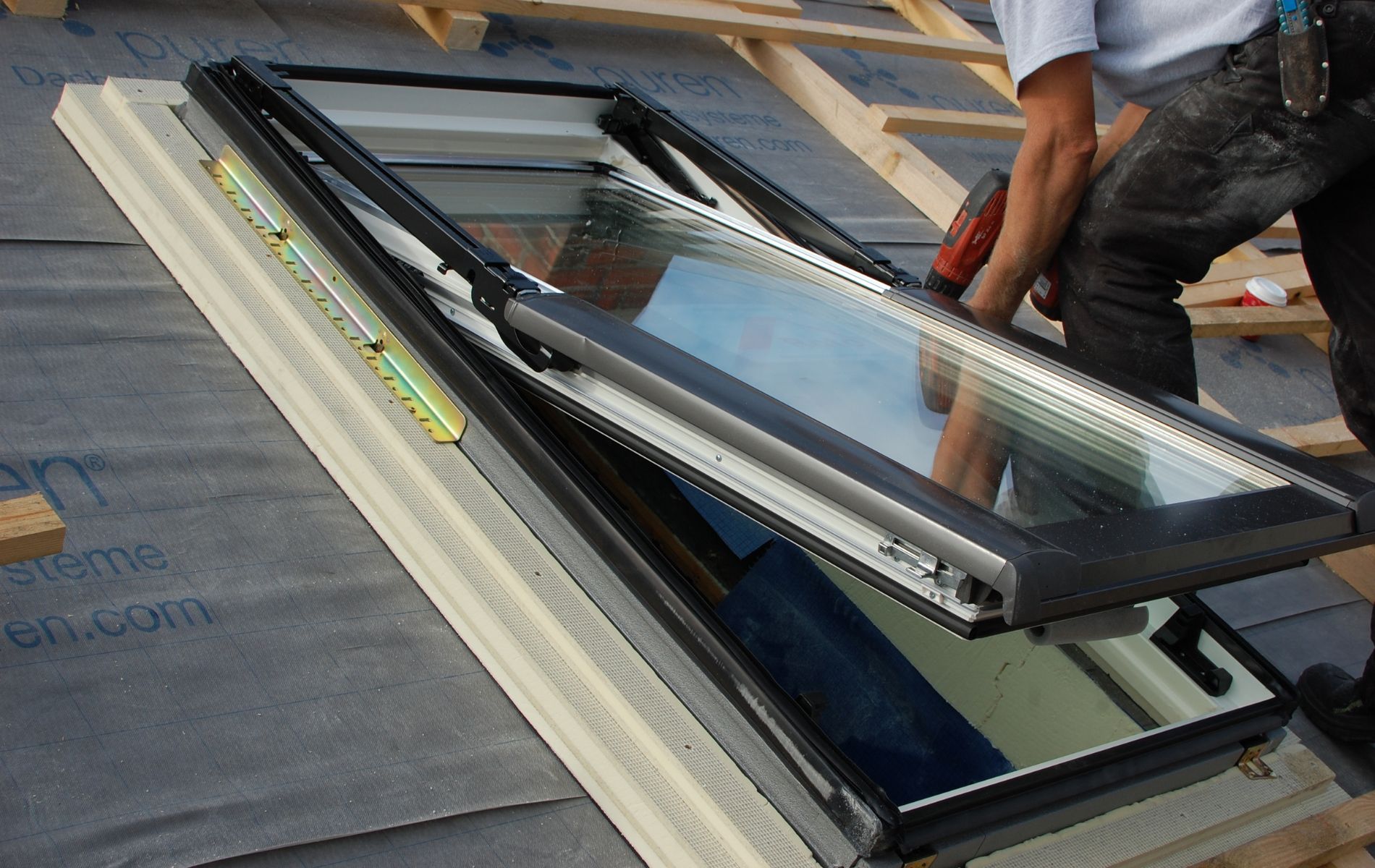
Skylights can make a home brighter, more comfortable, and more inviting. By bringing natural daylight into rooms that may not receive enough sunlight through traditional windows, they can reduce the need for artificial lighting during the day. However, many homeowners have an important question before installing one: Are skylights energy efficient?
The answer is yes, provided you choose the right skylight and have it properly installed. Modern energy-efficient skylights use insulated glazing, Low-E coatings, quality frames, and weatherproof flashing systems to help control heat transfer and reduce unwanted air leakage.
However, not every skylight performs equally. An older, poorly insulated, or improperly installed unit can contribute to heat loss during winter, excessive solar heat gain during summer, condensation, and roof leaks.
At RH Renovation, we understand that skylight performance involves more than simply adding glass to a roof. The glazing, roof location, insulation, flashing, and installation quality all influence the results. Understanding these factors can help you decide whether a new skylight is a worthwhile improvement for your home.
Are Skylights Energy Efficient?
Yes. Modern skylights can be energy efficient when they are designed for the local climate, have appropriate insulation and glazing, and are installed with proper air sealing and flashing.
An energy-efficient skylight helps manage the movement of heat between your indoor living space and the outdoors. During colder weather, insulated glazing helps reduce heat escaping through the roof. During warmer months, suitable solar-control glass can limit unwanted heat entering the room.
Skylights also provide natural daylight, which may reduce the amount of electricity needed for daytime lighting.
Nevertheless, energy performance depends on several factors:
- Glazing quality: Double- or triple-pane glass generally provides better insulation than older single-pane glazing.
- Low-E coatings: These specialized coatings help manage heat transfer while allowing natural light into the room.
- U-factor: This measures how quickly heat passes through the skylight. A lower U-factor indicates better insulation.
- Solar Heat Gain Coefficient (SHGC): This measures how much solar heat enters through the skylight. The appropriate rating depends on the climate and building conditions.
- Air sealing: Proper seals help prevent unwanted drafts and energy loss.
- Installation quality: Correct flashing, insulation, and weatherproofing help protect the roof and maintain performance.
The important point is that a skylight should be selected as part of the home’s overall energy strategy rather than treated as an isolated window replacement.
How Do Energy-Efficient Skylights Work?
Energy-efficient skylights use several technologies to control heat transfer while allowing natural daylight into the home.
Understanding these features makes it easier to compare products and choose a suitable option.
1. Double- and Triple-Pane Glass
Traditional single-pane skylights offer limited insulation. Heat can move through the glass relatively easily, making indoor temperatures harder to maintain.
Modern skylights often use two or three layers of glass separated by sealed spaces. These spaces may contain insulating gases, such as argon, to reduce heat transfer.
The benefits can include:
- Better insulation during colder weather.
- Improved indoor temperature stability.
- Reduced drafts when combined with effective seals.
- Greater comfort near the skylight.
- Less opportunity for interior condensation under suitable conditions.
Triple-pane glazing can offer additional insulation, although the best choice depends on the roof structure, product specifications, and project budget.
2. Low-E Glass Coatings
Low-emissivity, or Low-E, glass has a thin coating designed to control the transfer of radiant heat.
Depending on the coating and product design, it can help retain indoor warmth during colder weather while limiting unwanted solar heat entering the home.
Low-E glazing is particularly useful because it can improve thermal performance without necessarily making a room noticeably darker.
However, different Low-E coatings have different solar-control characteristics. Homeowners should compare the product’s actual performance ratings rather than assume every Low-E skylight performs identically.
3. Insulated Frames
The glass is only one part of a skylight. The frame also influences how effectively the unit controls heat transfer.
Frames made from materials such as vinyl, wood, or fiberglass can provide useful insulation characteristics. Metal frames should incorporate appropriate thermal breaks to reduce heat conduction.
A properly designed frame also helps maintain a reliable seal between the skylight and the surrounding roof assembly.
4. Weatherproof Seals and Flashing
A high-performance skylight can still create problems if it is not installed correctly.
Flashing creates a weather-resistant connection between the skylight and the roofing materials. Seals and weatherstripping help prevent unwanted air movement around the frame and operable sections.
Poor installation can lead to:
- Water entering around the skylight.
- Air leakage and uncomfortable drafts.
- Moisture damage to nearby roofing materials.
- Reduced insulation performance.
- Condensation problems.
Proper installation is therefore essential to achieving the intended performance of an energy-efficient skylight.
What Are the Main Energy Benefits of Installing Skylights?
A properly selected and installed skylight can offer several benefits beyond improving the appearance of a room.
More Natural Daylight
One of the biggest advantages of a skylight is its ability to bring daylight into spaces that receive limited natural light.
Bathrooms, hallways, stairwells, kitchens, and upper-floor rooms may benefit from additional daylight.
When natural light is sufficient, homeowners may rely less on electric lighting during daytime hours. Actual savings depend on room orientation, skylight size, weather, and household lighting habits.
Better Indoor Comfort
Modern insulated skylights can help reduce unwanted heat transfer compared with older, poorly performing units.
This can make the area near the skylight more comfortable throughout the year.
The improvement depends on the existing skylight’s condition, the replacement product’s specifications, and the quality of the installation.
Reduced Dependence on Artificial Lighting
Rooms with limited window access sometimes require lights even during daylight hours.
A skylight can introduce natural illumination from above, potentially reducing daytime lighting requirements.
For homeowners interested in making their homes more energy conscious, this is an important benefit to consider.
Improved Ventilation With Operable Skylights
Some skylights are designed to open, allowing warm indoor air to escape when outdoor conditions are suitable.
Because warm air naturally rises, an operable skylight may help ventilate upper-floor spaces.
However, ventilation benefits depend on the home’s layout, available air intake, outdoor conditions, and how the skylight is operated.
An open skylight is not automatically an energy-saving feature. During hot or humid weather, opening it may increase cooling demand.
Increased Natural Appeal
Natural daylight can make smaller rooms feel more open and welcoming. It can also highlight interior finishes, architectural features, and living spaces.
Although this is not a direct energy-saving benefit, it contributes to the overall value of a well-planned skylight project.
Do Skylights Make a Room Hotter in Summer?
They can, particularly when the skylight receives strong direct sunlight and has glazing with a high Solar Heat Gain Coefficient.
A skylight allows sunlight to enter from above, and some of that solar energy becomes heat inside the room.
This may increase indoor temperatures and cause air-conditioning systems to work harder.
Fortunately, several features can help manage unwanted heat gain:
- Low-SHGC glazing appropriate for the local climate.
- Solar-control Low-E coatings.
- Exterior shades or blinds.
- Proper skylight placement and sizing.
- Interior blinds designed to reduce incoming sunlight.
- Suitable ventilation when outdoor conditions allow.
For homes in New York City and surrounding areas, it is important to consider both summer cooling and winter heating requirements when selecting a skylight.
The best solution is not necessarily the darkest glass or the product with the lowest solar heat gain. It is the skylight that provides a suitable balance of daylight, insulation, and solar control.
Do Skylights Cause Heat Loss During Winter?
Skylights can contribute to heat loss because they create an opening in the roof’s insulated building envelope.
Older skylights with single-pane glass, deteriorated seals, or inadequate insulation may allow more indoor heat to escape.
Modern insulated units are designed to reduce this heat transfer.
If you are concerned about winter energy performance, pay attention to the following:
Low U-factor: A lower U-factor generally means the skylight provides better resistance to heat transfer.
Multiple glazing layers: Double- or triple-pane construction can improve insulation compared with single-pane glazing.
Insulated frames: The frame should help limit heat transfer around the glass.
Air-tight installation: Properly fitted seals and connections help reduce drafts.
Roof insulation: The surrounding roof assembly should maintain appropriate insulation and air sealing around the skylight opening.
If a room feels noticeably colder near an existing skylight, the issue may involve the glass, frame, seals, surrounding insulation, or installation details. A professional inspection can help identify the cause.
What Should You Look for When Buying an Energy-Efficient Skylight?
Choosing the right skylight requires more than comparing appearance and dimensions. Homeowners should review the product’s performance information and consider how it will work with the existing roof.
Check the U-Factor
The U-factor measures the rate at which heat passes through a building component.
For skylights, a lower U-factor generally indicates better insulation performance.
Compare the complete product ratings rather than relying on glass-only specifications. The frame and other components also affect the overall performance.
Compare the Solar Heat Gain Coefficient
The Solar Heat Gain Coefficient, or SHGC, measures how much solar heat passes through the glazing.
A lower SHGC generally means less solar heat enters the room.
This can be useful when limiting summer heat gain is a priority. However, the appropriate rating depends on the climate and the home’s heating and cooling needs.
Look for ENERGY STAR Certification
ENERGY STAR certification can help homeowners identify products that meet established energy-performance requirements.
The program evaluates skylights using independently verified National Fenestration Rating Council (NFRC) performance ratings.
Because certification requirements vary by climate zone, homeowners should check whether the specific product is certified for the intended installation location.
Consider Fixed or Venting Skylights
Fixed skylights do not open. They are primarily designed to provide daylight.
Venting skylights can open manually or electronically, depending on the model. They may provide additional ventilation when outdoor conditions are appropriate.
The right choice depends on whether your main priority is natural lighting, ventilation, or a combination of both.
Evaluate the Roof and Installation Requirements
Before purchasing a skylight, consider:
- Roof slope and roofing material.
- Available roof space.
- Existing insulation.
- Skylight dimensions.
- Water drainage and flashing requirements.
- Interior ceiling configuration.
- Access for future maintenance.
A suitable product must also be compatible with the roof structure and installation conditions.
Are Skylights Worth the Investment?
For many homeowners, skylights are worth considering because they provide natural daylight, improve the appearance of interior spaces, and may reduce daytime lighting requirements.
However, the financial return depends on more than the purchase price.
Important cost considerations include:
- Skylight type and dimensions.
- Fixed or venting design.
- Single-, double-, or triple-pane glazing.
- Low-E and solar-control features.
- Roof pitch and roofing material.
- Accessibility of the installation area.
- Flashing and waterproofing requirements.
- Interior finishing or ceiling modifications.
- Whether an existing skylight needs removal or replacement.
A new skylight may also help address problems associated with an older unit, such as air leakage, failed glazing seals, and water intrusion.
Rather than choosing the least expensive option, compare the expected performance, durability, installation requirements, and long-term maintenance needs.
Signs Your Existing Skylight May Need Repair or Replacement
Not every older skylight needs to be replaced. Some problems can be resolved through repairs, depending on the condition of the unit and surrounding roof.
However, certain warning signs indicate that a professional inspection is advisable.
Water Leaks Around the Skylight
Water stains, damp drywall, peeling paint, or moisture near the skylight may indicate a problem with flashing, seals, or the surrounding roofing system.
Condensation Between Glass Panes
Moisture trapped between glazing layers can indicate that the insulated glass unit has failed.
This can reduce visibility and compromise the unit’s intended insulating performance.
Noticeable Drafts
Air movement around the frame may indicate deteriorated weatherstripping, damaged seals, or installation problems.
Excessive Heat Gain or Loss
If the room becomes uncomfortably hot in summer or noticeably cold in winter, an older skylight may be contributing to poor thermal performance.
Visible Frame or Glazing Damage
Cracks, deteriorating materials, damaged components, or persistent moisture issues should be evaluated before they lead to more extensive damage.
A professional assessment can help determine whether repair, glass replacement, or complete skylight replacement is the most appropriate option.
Why Professional Skylight Installation Matters
Even an energy-efficient skylight may perform poorly if the installation is not completed correctly.
The skylight must be properly integrated into the roofing system, with appropriate flashing, insulation, sealing, and drainage details.
An installation assessment should consider the roof’s condition, the proposed skylight location, product specifications, and the surrounding building materials.
At RH Renovation, homeowners can discuss their skylight and roofing concerns with a team that works on residential exterior renovation projects.
Whether you are considering a new skylight, experiencing a leak, or evaluating an older unit, the first step is understanding the condition of the existing roof and the requirements of the proposed installation.
Our goal is to help homeowners make informed decisions about skylight improvements while considering roof protection, functionality, and long-term performance.
Frequently Asked Questions About Skylight Energy Efficiency
1. Are skylights more energy efficient than regular windows?
Not necessarily. Skylights and vertical windows have different installation positions and exposure conditions. Their energy performance depends on glazing, U-factor, SHGC, frame construction, size, and installation quality. A well-rated skylight can perform efficiently, but it should be compared with other products using their complete performance ratings.
2. Do skylights increase electricity bills?
They can increase cooling costs if they allow excessive solar heat into a room. However, they may also reduce daytime electricity use by providing natural light. The overall effect depends on the skylight’s efficiency, orientation, shading, room usage, and household energy habits.
3. Are double-pane skylights energy efficient?
Double-pane skylights generally provide better insulation than single-pane models. Some use Low-E coatings and insulating gas between the glass layers to improve thermal performance. The actual efficiency depends on the complete product’s certified ratings.
4. Do skylights let heat out in winter?
Yes, some heat transfer can occur through skylight glazing and frames. However, modern insulated skylights are designed to limit heat loss. Choosing an appropriate U-factor and ensuring proper installation can help improve winter performance.
5. How can I stop my skylight from making a room too hot?
Consider solar-control glazing, Low-E coatings, suitable exterior shading, and blinds designed for skylights. Proper sizing and placement also matter. If an existing skylight causes excessive heat gain, a professional can evaluate whether its glazing or configuration should be improved.
6. Are venting skylights more energy efficient?
Not automatically. Venting skylights can improve natural ventilation when outdoor conditions are suitable, but opening them during hot or humid weather can increase cooling requirements. Their energy performance also depends on the glazing, frame, seals, and installation.
7. Should I replace an old skylight to save energy?
Replacement may be worthwhile if the existing skylight has single-pane glass, damaged seals, failed insulated glazing, persistent air leakage, or excessive heat transfer. However, if the unit is in good condition and meets your performance needs, repair or continued use may be more appropriate.
8. How long do energy-efficient skylights last?
Lifespan varies by manufacturer, product construction, installation quality, roof exposure, and maintenance. Rather than relying on a universal lifespan estimate, review the manufacturer’s warranty and have signs of deterioration or leakage inspected.
Improve Your Home With the Right Skylight Solution
A skylight can be a valuable home improvement when it is selected and installed with energy performance in mind. Modern glazing, insulated frames, suitable solar-control ratings, and proper roof integration can help balance natural daylight with indoor comfort.
If your existing skylight is leaking, allowing drafts, or contributing to uncomfortable indoor temperatures, it may be time to have it evaluated.
Contact RH Renovation to discuss your skylight installation, repair, or replacement needs. Our team can help you assess the roofing conditions and consider an appropriate solution for your home.
Request an estimate to take the next step toward a brighter, more comfortable living space.
For more information on skylights and their proper installation contact us at RH Renovation NYC. Skylights are complicated features in a home and need professional installation. We are the best in this area thanks to our years of experience and expertise dealing with all aspects of home renovations.