Average Cost of Chimney Cleaning in 2026
A fireplace can make your home more comfortable during colder months, but keeping it safe requires regular maintenance. Over time, soot, creosote, and other debris can accumulate inside the chimney, affecting airflow and increasing the risk of a chimney fire.
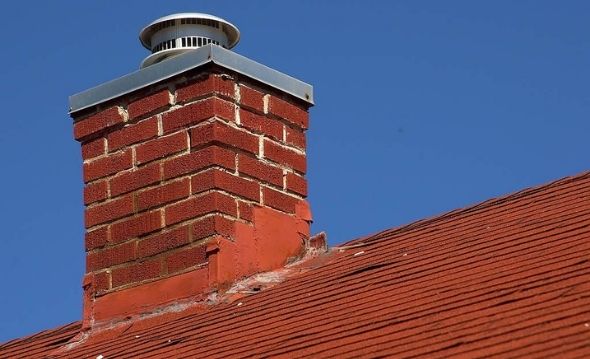
One of the first questions homeowners ask is: How much does chimney cleaning cost?
The answer depends on several factors, including chimney type, number of flues, buildup, accessibility, and whether you need a standard cleaning or a more detailed inspection.
For homeowners in New York City, the cost can also be influenced by building height, roof access, labor requirements, and the age of the chimney.
In this guide, RH Renovation explains the average cost of chimney cleaning in 2026, what professional cleaning includes, which factors influence pricing, and how to determine when your chimney needs attention.
How Much Does Chimney Cleaning Cost in 2026?
The average cost of chimney cleaning depends on the condition and complexity of the chimney. A regularly maintained, single-flue chimney generally costs less to clean than a system with heavy creosote buildup, multiple flues, or difficult roof access.
For budgeting purposes, homeowners in the New York City area can use approximately $225–$455 as an indicative range for a standard single-flue chimney sweep with a basic Level 1 inspection.
This is a planning estimate, not a guaranteed contractor price. Actual quotes can fall outside this range depending on the work required.
Estimated Chimney Cleaning Costs
| Chimney service | Indicative cost |
|---|---|
| Basic chimney sweep | $150–$300 |
| Standard sweep with basic inspection | $225–$455 |
| More extensive creosote removal | $250–$550+ |
| Level 2 camera inspection | $250–$600+ |
| Additional flue cleaning | Depends on the system |
| Chimney repairs | Quoted separately |
These figures are indicative market estimates rather than fixed 2026 rates. Some contractors advertise lower starting prices, but these may not include a complete cleaning or inspection.
Before accepting an estimate, ask exactly what is included and whether additional charges apply.
What Does Professional Chimney Cleaning Include?
Professional chimney cleaning involves more than removing visible soot from the fireplace.
The main purpose is to remove combustible deposits and debris from the venting system so that smoke and combustion gases can travel safely outside.
A standard cleaning appointment may include several tasks.
Removing Soot and Creosote
Creosote forms when wood-burning appliances produce combustion byproducts that condense inside the chimney. It can accumulate along the flue walls and become a serious fire hazard.
A professional chimney sweep uses appropriate brushes, rods, and cleaning equipment to remove deposits.
The cleaning method depends on the chimney design, the type of buildup, and the accessibility of the system.
Cleaning the Firebox and Smoke Chamber
The firebox and smoke chamber can collect soot and other combustion debris.
A thorough cleaning may include removing accumulated material from these accessible areas, depending on the service scope.
Protective coverings and suitable vacuum equipment help control dust and prevent debris from spreading throughout the home.
Checking the Chimney for Visible Problems
Cleaning and inspection are related, but they are not identical services.
A basic Level 1 inspection generally examines readily accessible chimney and fireplace components. It helps identify visible deterioration, obstructions, and deposits.
A more detailed inspection may be necessary when damage is suspected or the fireplace system has changed.
Checking the Damper and Other Components
The damper controls airflow through the fireplace opening.
During an appropriate inspection, its visible condition and operation may be checked. The chimney cap, accessible masonry, and other components may also be evaluated according to the inspection scope.
Ask your contractor whether the inspection is included in the cleaning price or billed separately.
What Factors Affect the Cost of Chimney Cleaning?
Two homeowners can receive very different estimates even when their properties appear similar. The difference usually comes from the chimney’s condition, construction, and accessibility.
Here are the main factors that influence the cost.
1. Chimney Size and Number of Flues
A chimney serving one fireplace may have a different cleaning requirement from a system connected to multiple appliances or containing several flues.
Each additional flue can increase the time and work involved.
When requesting an estimate, explain how many fireplaces or appliances connect to the chimney. This helps the contractor understand the scope of the job.
2. Creosote and Soot Buildup
The amount and condition of accumulated material can significantly affect the cleaning price.
A chimney that receives regular maintenance may require less work than one that has not been cleaned for several years.
Heavy or glazed creosote can be particularly difficult to remove and may require specialized methods.
If a contractor identifies significant deposits, ask for an explanation of the cleaning method and any additional charges before approving the work.
3. Chimney Height and Roof Accessibility
Access is another important pricing consideration, particularly in New York City.
A chimney on a low residential roof may be easier to access than one on a tall townhouse or multi-story property.
Steep roofing, limited access points, safety equipment, and additional setup requirements can increase labor costs.
Older properties in the Bronx and surrounding neighborhoods may also have roof layouts that require additional planning.
4. Chimney Condition and Existing Damage
A damaged chimney may need more than routine cleaning.
Cracked masonry, deteriorated mortar joints, damaged chimney crowns, and defective flashing can require separate repair work.
Cleaning does not correct these structural or exterior problems.
If a contractor discovers damage, request photographs and a written explanation of the recommended work. This makes it easier to understand which costs relate to cleaning and which relate to repairs.
5. Inspection Requirements
The type of inspection also affects the total cost.
A Level 1 inspection is generally appropriate for routine maintenance when the system continues to be used in the same way.
A Level 2 inspection is more detailed and may be recommended when buying or selling a property, changing appliances or fuel types, or investigating suspected damage.
It generally includes an internal video examination of the chimney where required.
Because the inspection scope is different, a Level 2 service usually costs more than a basic visual inspection.
Is Chimney Cleaning Necessary Every Year?
Yes, chimneys, fireplaces, and vents should be professionally inspected at least once a year, following NFPA 211 guidance referenced by the Chimney Safety Institute of America (CSIA).
However, annual inspection does not automatically mean every chimney requires cleaning every year.
The need for cleaning depends on the amount and type of deposits, how the fireplace is used, and the condition of the venting system.
For example, a frequently used wood-burning fireplace may accumulate creosote more quickly than a fireplace that receives occasional use.
Even if you rarely use your fireplace, annual inspection remains important because moisture, animal activity, deterioration, and other issues can affect chimney condition.
Signs Your Chimney Needs Professional Cleaning
Some warning signs indicate that your chimney may need attention sooner than your next scheduled maintenance appointment.
Strong smoky odors: Persistent smoke or unusual odors around the fireplace may indicate accumulated deposits, moisture, or a ventilation problem.
Visible soot buildup: Excessive soot around the fireplace or visible flue areas can indicate that cleaning is needed.
Smoke entering the room: Smoke escaping into your living space may indicate a blockage, draft problem, or another issue requiring professional evaluation.
Black or shiny deposits: Dark, tar-like or glazed material inside the chimney can indicate significant creosote buildup.
Animal nests or debris: Birds, leaves, and other obstructions can restrict airflow through the chimney.
Unusual fireplace operation: Difficulty maintaining a fire or changes in draft performance may indicate a venting problem.
If you suspect a chimney fire, stop using the fireplace and contact emergency services. Do not attempt to continue using the system until it has been professionally evaluated.
If a carbon monoxide alarm activates, leave the property immediately and contact emergency services from a safe location.
Chimney Cleaning vs. Chimney Repair: What’s the Difference?
Homeowners sometimes assume that cleaning will solve every chimney problem. However, cleaning and repair address different issues.
| Service | Main purpose |
|---|---|
| Chimney cleaning | Removes soot, creosote, and debris |
| Chimney inspection | Evaluates condition and identifies potential defects |
| Chimney crown repair | Addresses deterioration at the chimney top |
| Chimney repointing | Repairs deteriorated mortar joints |
| Chimney flashing repair | Helps prevent water entering around the roof connection |
| Chimney cap replacement | Restores protection against rain and debris |
| Chimney rebuilding | Reconstructs severely deteriorated masonry sections |
For example, cleaning can remove creosote from a flue, but it cannot repair a cracked chimney liner or replace deteriorated exterior bricks.
Similarly, a leaking chimney may require flashing improvements or crown repairs rather than another cleaning appointment.
Understanding this difference helps you avoid paying for a service that does not address the actual problem.
How to Save Money on Chimney Cleaning Without Compromising Safety
Chimney maintenance does not have to become unnecessarily expensive. A few practical decisions can help homeowners manage costs while keeping their fireplaces in suitable condition.
Schedule regular inspections: Identifying problems early can help prevent minor deterioration from becoming more extensive.
Ask for an itemized estimate: Make sure the quotation separates cleaning, inspection, additional flues, and repair work.
Avoid unusually cheap offers without checking the details: A low advertised price may cover only a limited service. Confirm what the contractor will actually do.
Address exterior water damage: Damaged crowns and flashing can allow moisture into the chimney, potentially contributing to further deterioration.
Keep maintenance records: Document previous cleaning appointments, inspections, and repairs. This helps contractors understand the chimney’s history.
Do not rely on chemical cleaning products alone: CSIA explains that chemical products cannot replace proper mechanical sweeping and a complete evaluation of the chimney system.
The goal should be to maintain the chimney correctly rather than choosing the cheapest advertised service.
Frequently Asked Questions About Chimney Cleaning Costs
What is the average cost of chimney cleaning in NYC?
For budgeting, a standard single-flue chimney sweep with a basic inspection may cost approximately $225–$455 in the NYC market. The final price depends on chimney condition, access, deposits, and the contractor’s service scope.
How much does it cost to clean a chimney that has not been used for years?
An unused chimney may still contain animal nests, debris, moisture damage, or old creosote deposits. The contractor may recommend additional cleaning or inspection after evaluating its condition. There is no reliable fixed price without an assessment.
Is chimney inspection included in the cleaning price?
Some contractors include a basic Level 1 inspection with their cleaning service, while others charge separately. A Level 2 camera inspection generally involves additional work and cost. Always confirm the inspection level before booking.
Does a gas fireplace need chimney cleaning?
Gas fireplaces generally produce less creosote than wood-burning fireplaces, but their venting systems still require regular inspection and maintenance. The exact service depends on the appliance manufacturer’s instructions and system condition.
Can I clean my chimney myself?
Homeowners can perform basic visual checks, but professional chimney cleaning requires suitable equipment and knowledge of the venting system. Roof access, hidden deposits, and potential structural defects make DIY cleaning risky.
What happens if I never clean my chimney?
Creosote and debris can accumulate, potentially restricting airflow and increasing the risk of a chimney fire. Moisture and hidden deterioration may also go unnoticed without regular inspection.
How long does professional chimney cleaning take?
The time depends on chimney height, number of flues, buildup, accessibility, and inspection requirements. A straightforward single-flue cleaning may take around one to two hours, while more complicated systems can require additional time.
Protect Your Chimney With RH Renovation
Understanding the average cost of chimney cleaning helps you plan maintenance and make better decisions about your home’s safety.
However, keeping a chimney in good condition involves more than removing soot and creosote. Exterior masonry, chimney crowns, flashing, and surrounding roofing components also need attention to protect the structure from moisture and weather damage.
RH Renovation provides residential exterior renovation services for homeowners in the Bronx and Westchester, including chimney repair, roofing, gutter improvements, siding, and skylight-related work.
If you notice damaged chimney masonry, deteriorated mortar, water stains, or problems around the chimney-to-roof connection, addressing those issues early can help prevent more extensive exterior damage.
Whether you need guidance about chimney deterioration or are planning an exterior renovation, our team can help you understand the appropriate next steps.
Contact RH Renovation at (646) 818-4305 or request a free estimate to discuss your chimney repair and exterior renovation project.
Contact us at RH Renovation NYC if you need further information or assistance on chimney repairs, renovations, cleans, and inspections. Our professional staff will offer the most reasonable solutions and ensure that your fireplace remains a wonderful feature in your home.