Chimney Cap Replacement Average Cost
Chimney Cap Replacement Cost: What to Expect and Why It Varies
A chimney cap is one of the smallest components on your roof, and also one of the most important. It sits at the very top of the flue, and its job is to keep rain, snow, debris, and animals out of your chimney while still letting smoke and gases vent properly. When it fails — rusted through, dented, missing a screen, or blown off in a storm — the damage it’s supposed to prevent starts happening immediately, often before you notice anything is wrong.
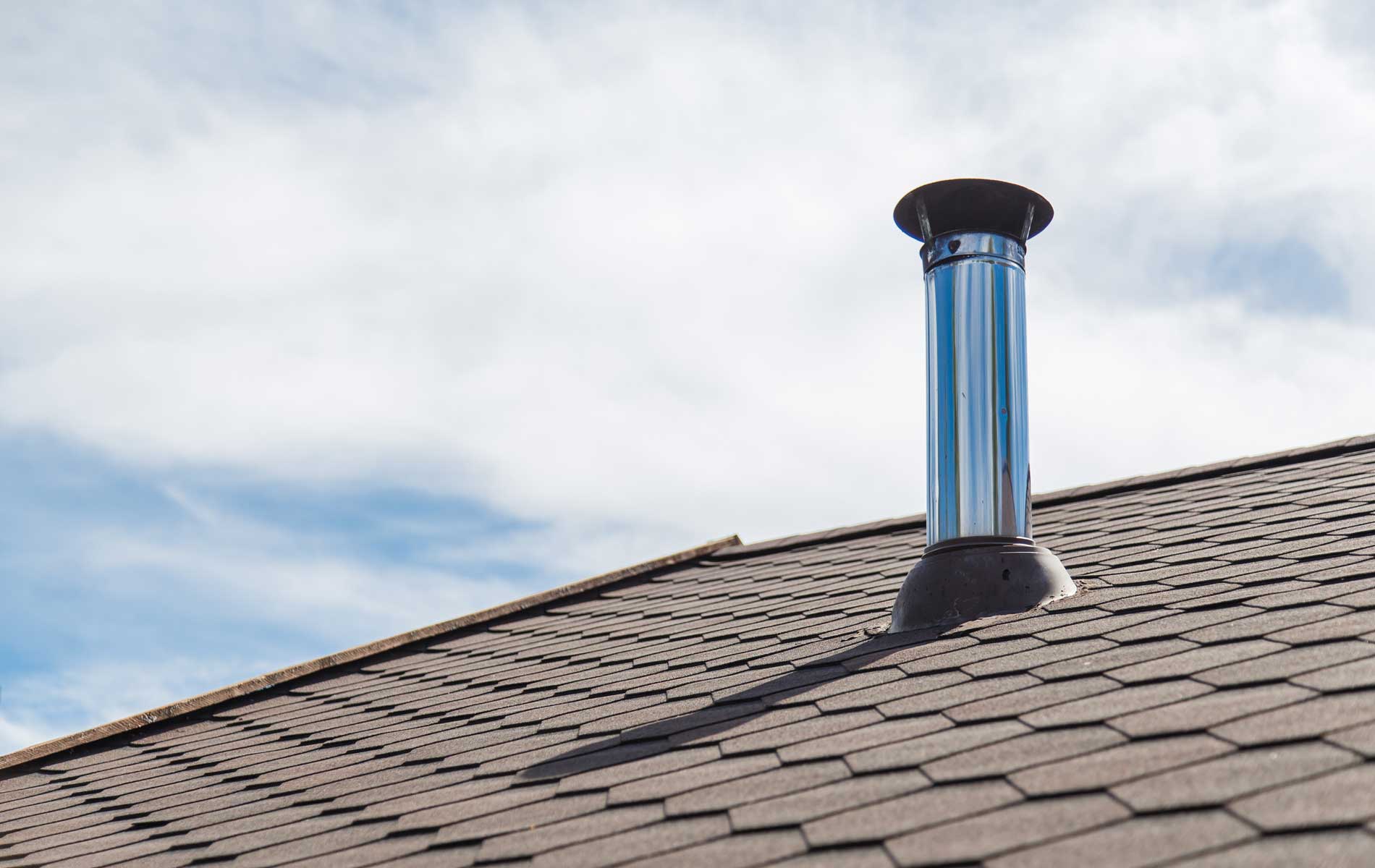
If you’re researching chimney cap replacement cost, you’ve probably already seen a wide range of numbers, and for good reason: the actual price depends on several factors that can shift the total significantly. This guide breaks down exactly what drives chimney cap replacement cost, what a fair price range looks like, and how to know whether replacement — rather than repair — is really the right call.
What a Chimney Cap Actually Does
Before getting into cost, it’s worth understanding why this small part matters so much. A chimney cap serves several functions at once:
- Keeps precipitation out of the flue, preventing water damage to the flue liner, damper, and firebox below
- Blocks animals and debris, since an uncapped chimney is an open invitation for birds, squirrels, and raccoons looking for shelter
- Prevents downdrafts, which can push wind and cold air back into the house through the fireplace
- Acts as a spark arrestor, catching embers before they can land on the roof — a real fire safety consideration, especially with wood-shake or shingle roofing nearby
When a cap fails, all of these protections go with it, which is why most chimney professionals recommend replacing rather than ignoring a damaged one.
What Drives Chimney Cap Replacement Cost
Material
Chimney caps come in a range of materials, each with a different price point and lifespan:
- Galvanized steel is the most budget-friendly option, though it has the shortest expected lifespan and is more prone to rust over time, especially in coastal or high-moisture climates.
- Stainless steel costs more upfront but resists rust and corrosion far better, making it a common mid-to-upper-range choice for homeowners who want a longer-lasting cap without going to a premium material.
- Copper sits at the top of the price range. It’s highly durable, develops an attractive weathered patina over time, and is often chosen specifically for its appearance on more visible or higher-end homes — but it comes at a meaningfully higher cost than steel options.
Size and Configuration
Chimney caps aren’t one-size-fits-all. A single-flue cap sized to a standard round or square opening is the simplest and least expensive option. Multi-flue caps, which cover two or more flues under a single larger cap, or custom-fabricated caps for irregular or oversized chimneys, cost more due to both material quantity and the fabrication work involved.
Roof Height, Pitch, and Accessibility
This is one of the biggest, and most overlooked, cost factors. A chimney on a single-story home with a gentle roof pitch is straightforward and low-risk to access. A chimney on a steep roof, a tall multi-story home, or one that requires scaffolding or specialized fall-protection equipment to reach safely will cost more — sometimes substantially more — because of the added labor, equipment, and time required to do the job safely.
Removal of the Old Cap
Replacement pricing typically includes removing and disposing of the damaged cap, not just installing the new one. This adds labor time compared to a first-time installation on a chimney that never had a cap, which is part of why replacement costs are often somewhat higher than new installation.
Additional Repairs Discovered During the Job
A damaged cap is sometimes a symptom of a bigger issue rather than an isolated problem. If a contractor finds water damage to the flue liner, cracks in the crown, or deteriorated mortar while replacing the cap, addressing those issues will add to the total cost — but skipping them to save money in the moment usually costs more later, since the same water intrusion that damaged the cap can continue damaging the chimney underneath it.
Labor and Contractor Experience
More experienced, well-reviewed contractors typically charge more per job than newer companies. That premium generally reflects real value: proper safety practices on the roof, correctly sized and sealed installation, and a workmanship warranty that a newer or less established company may not offer. On a job that involves working at height above an occupied home, this is one area where the cheapest bid isn’t always the best value.
Typical Chimney Cap Replacement Cost Ranges
As a general guide, homeowners can expect:
- Basic galvanized steel, single-flue cap: on the lower end of the price range, suitable for straightforward, easily accessible chimneys
- Stainless steel, single-flue cap: a moderate step up, reflecting the material’s better durability and corrosion resistance
- Copper or custom multi-flue caps: meaningfully higher, driven by material cost and, often, more complex fabrication or installation
Beyond material and size, expect the total to shift up if your chimney requires scaffolding, has a steep or hard-to-access roof, or turns out to need additional repair once the old cap is removed. Because these variables shift the number so much from one property to the next, the only reliable way to get an accurate price for your specific chimney is an on-site assessment rather than a number pulled from a general online average. If you’re budgeting for broader roof or exterior work alongside a chimney cap replacement, our roof replacement cost calculator can help you get a general sense of related project costs as well.
Repair vs. Replacement: Which Actually Costs Less?
It’s tempting to assume a repair will always be cheaper than a full replacement, but with chimney caps, that’s often not the case. Repair costs are frequently close to replacement costs once you factor in labor and access — the bulk of the expense is getting a professional safely up to the chimney in the first place, not the cap material itself. Once that labor cost is already committed, replacing a cap that’s already showing significant rust, dents, or screen damage tends to be the better value, since it resets the clock on the component’s lifespan rather than patching a cap that’s already partway through failing.
A straightforward way to think about it: if the damage is minor (a small dent, a torn screen) and the cap is otherwise in good shape, repair makes sense. If the cap shows rust-through, structural damage, or it’s simply old and near the end of its expected life, replacement is usually the more cost-effective long-term choice.
Can You Replace a Chimney Cap Yourself?
Technically, yes — but it’s worth being realistic about what that actually involves. A safe DIY chimney cap replacement requires a properly footed extension ladder or roof access, fall protection, the correct cap size and mounting hardware for your specific flue, and comfort working at height on a sloped surface. For homeowners without that equipment and experience, the safety risk of the job often outweighs the money saved, especially since a chimney cap replacement isn’t a frequent task worth investing in specialized equipment for. Most homeowners find that having a professional handle it — factoring in both the safety and the correct fit and seal — is worth the cost difference over doing it themselves. For a broader look at which chimney exterior tasks are reasonable to DIY and which aren’t, see our guide on whether you can fix the outside of your own chimney.
Signs You Need a Chimney Cap Replacement, Not Just a Repair
- Visible rust holes or significant corrosion in the cap material
- A torn, missing, or badly rusted spark-arrestor screen
- The cap is dented, bent, or no longer sits flush and sealed on the flue
- Evidence of water staining inside the firebox or on the ceiling near the chimney, suggesting the current cap isn’t doing its job
- Signs of animal activity (nesting material, noises) coming from the flue
- The cap is original to an older chimney and its material and expected lifespan suggest it’s due
Why This Isn’t a Job to Put Off
A missing or failed chimney cap doesn’t cause dramatic, immediate damage the way a burst pipe might — it causes slow, cumulative damage that’s easy to underestimate. Water intrusion from an uncapped flue gradually deteriorates the flue liner, damper, and firebox, and can eventually affect the surrounding chimney masonry. By the time that damage is visible from inside the house, the repair scope — and cost — is often much larger than a straightforward cap replacement would have been. If you noticed the fireplace has soot or stains that need attention alongside chimney work, our guide on the best way to clean a brick fireplace is a useful next step once the cap itself is addressed.
Getting an Accurate Quote
Because chimney cap replacement cost depends so heavily on your specific chimney’s size, material, height, and accessibility, the most useful number is the one you get from an on-site assessment, not a general online average. A qualified contractor should be able to:
- Inspect the current cap and flue in person
- Identify whether related repairs (crown, flashing, flue liner) are needed while they’re already up there
- Provide a clear, written estimate broken down by material and labor
- Explain the expected lifespan and any warranty on the new cap and installation
How RH Renovation NYC Handles Chimney Cap Replacement
Our team provides on-site chimney inspections and free estimates for cap repair and replacement throughout NYC and the surrounding area, including dedicated chimney repair services in the Bronx and chimney repair services in Westchester County. We assess the full chimney while we’re there, not just the cap, so you get an accurate picture of whether anything else needs attention before it becomes a bigger repair. Learn more about our full range of chimney inspection, repair, and installation services.
The Bottom Line
Chimney cap replacement cost varies based on material (galvanized steel, stainless steel, or copper), size and configuration, roof height and accessibility, and whether additional repairs are uncovered along the way. Rather than anchoring to a single average number, the most useful approach is understanding which of these factors apply to your chimney and getting a written, on-site estimate that accounts for them. Given how much cumulative damage a failed cap can cause if left in place, addressing it promptly — with the material and installation quality suited to your chimney — tends to be the more cost-effective choice over time.
Contact RH Renovation NYC for a free chimney cap estimate, and we’ll assess your chimney on-site and walk you through the right solution and an accurate cost before any work begins.