Common Chimney Problems In New York
New York homes put chimneys through a lot: heavy rain, freeze-thaw cycles, tight urban ventilation, aging brickwork, and long heating seasons. RH Renovation LLC, founded in 2004 by owner Rexhap Halilaj, helps homeowners identify, repair, and prevent common chimney problems from its base at 1951 Hone Ave, Bronx, NY 10461. The company is fully licensed and insured, holds an A+ Better Business Bureau rating, and is a GAF Master Elite Roofing Contractor—a credential held by only the top 2% of roofing contractors in the United States.
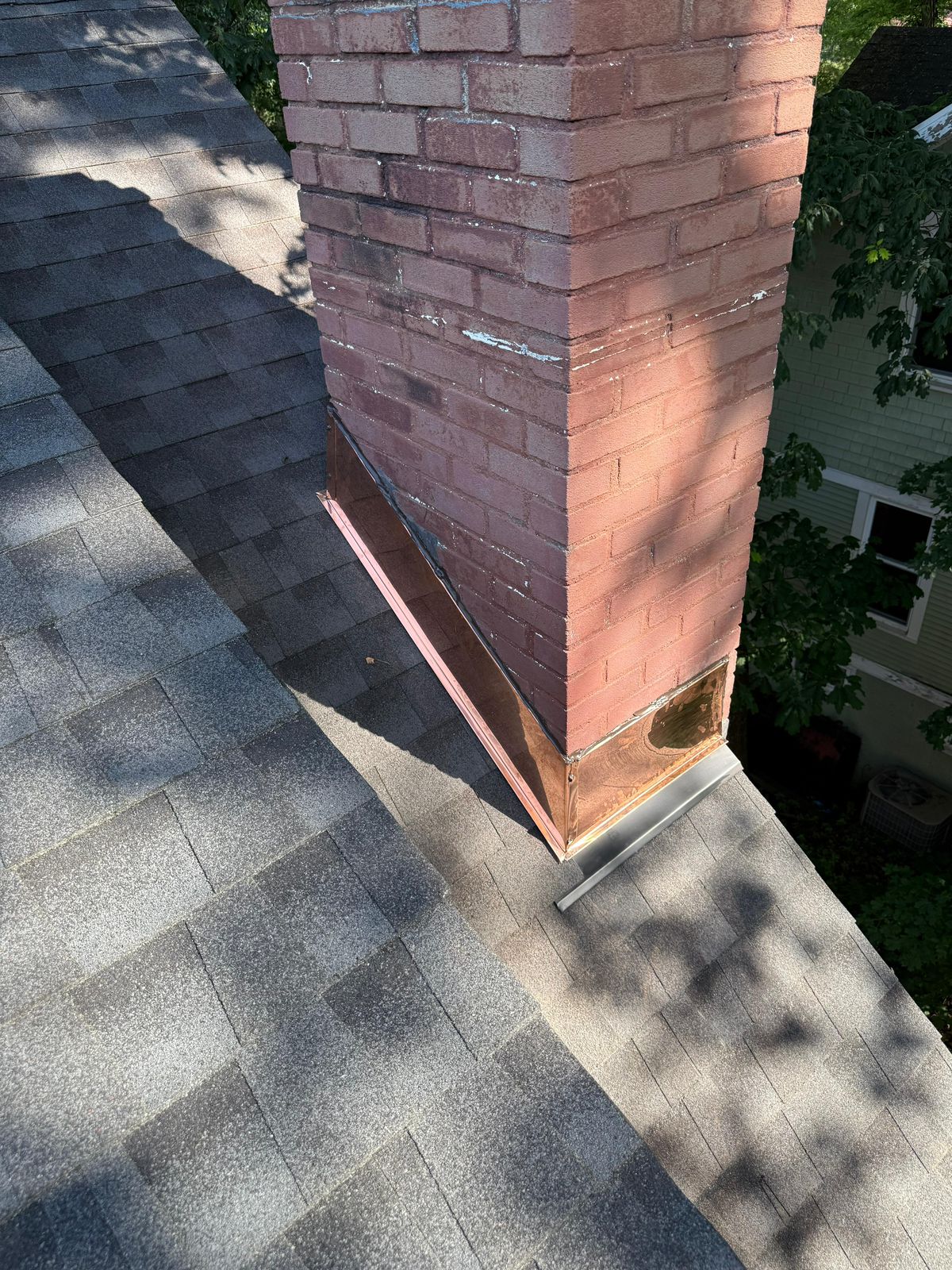
If you are seeing leaks, chimney odors, smoke coming back into the house from chimney use, cracked chimney bricks, or signs of chimney damage around the roofline, a professional chimney inspection can help determine whether the issue is minor maintenance or a repair that should not wait. RH Renovation LLC provides 24/7 emergency customer service, plus complimentary, obligation-free in-home quotes and written inspections for new projects.
What chimney problems should New York homeowners watch for?
New York homeowners should watch for water leaks, masonry deterioration, poor chimney draft, chimney soot buildup, creosote buildup in chimney systems, chimney flashing leaks, and visible structural changes such as a leaning chimney or chimney settlement cracks. Many residential chimney problems start small, but rain, ice, wind, and repeated heating cycles can turn a loose joint or cracked cap into a chimney damp problem, interior staining, or a safety concern.
A chimney is not just a stack of bricks above the roof. It is a ventilation system, masonry structure, weather barrier, and fire-safety component working together. When one part fails—such as damaged chimney flashing, chimney crown damage, a blocked chimney flue, or chimney liner damage—the symptoms may show up somewhere else inside the home. That is why a chimney safety inspection is often the smartest first step before deciding how to fix common chimney problems.
Common chimney problems in New York homes
Chimney problems in winter are especially common because masonry absorbs moisture and then expands when that moisture freezes. Over time, this can cause spalling chimney bricks, chimney frost damage, crumbling chimney mortar, and loose chimney bricks. In older New York homes, chimney stack deterioration may also come from age, past patchwork, shifting foundations, or repeated exposure to roof runoff.
Common brick chimney problems can include cracked chimney bricks, chimney mortar deterioration, chimney efflorescence, chimney condensation problems, and gaps where water enters around the roofline. Efflorescence, the white powdery staining often seen on masonry, can be a warning that moisture is moving through the brick. It is not just a cosmetic issue; it can point to chimney water leaks or a need for chimney waterproofing and masonry repair.
Watch for these practical warning signs:
- Water stains near the fireplace or ceiling: Possible chimney leaks, chimney flashing leaks, or damaged chimney flashing.
- White staining on brick: Chimney efflorescence, often linked to moisture absorption.
- Flaking or broken brick faces: Spalling chimney bricks caused by water and freeze-thaw stress.
- Crumbling joints: Chimney mortar deterioration that may require repointing masonry.
- Smoke backing up indoors: Poor chimney draft, a blocked chimney flue, chimney ventilation problems, or chimney debris buildup.
- Strong fireplace smells: Chimney odors from creosote, moisture, animal nesting, or soot buildup.
- Visible tilt or separation: Leaning chimney stack, chimney settlement cracks, or other chimney structural damage.
If you notice one symptom, look for related clues. For example, chimney problems after heavy rain may appear as a stain in the attic, damp odor in the fireplace, rust on metal components, or loose masonry outside. A thorough inspection connects those symptoms to the actual source instead of only patching the most visible area.
Water leaks, flashing failures, and chimney damp problems
Chimney water leaks are among the most common chimney problems in New York because the chimney passes through the roof and faces weather from every side. Damaged chimney flashing can allow water to enter where the chimney meets the roof, while chimney crown damage can let water seep directly into the top of the masonry. Once moisture gets in, it can spread through brick, mortar, ceilings, and interior finishes.
Chimney flashing leaks are often misunderstood. A homeowner may see a ceiling stain and assume the roof is failing, when the real issue is the joint around the chimney. Protective flashing installation, leak patching, and structural waterproofing can help control water entry when the underlying masonry and roof surface are properly evaluated together.
Moisture-related chimney damage may include:
- Chimney damp problems inside or near the fireplace
- Rusted damper parts or metal caps
- Cracked chimney bricks and loose chimney bricks
- Chimney condensation problems in cold weather
- Stained walls, peeling paint, or musty odors
- Spalling chimney bricks after repeated freeze-thaw cycles
- Chimney crown damage that exposes masonry to more water
Chimney waterproofing can be useful when the masonry is sound enough to protect, but it should not be treated as a cure-all. If there is crumbling chimney mortar, open joints, failed flashing, or chimney structural damage, those repairs usually need attention first. A good chimney repair plan starts with stopping the source of water, then restoring damaged areas so the problem does not return after the next storm.
Draft, smoke, odors, soot, and blockage concerns
Poor chimney draft can make a fireplace frustrating and unsafe to use. When air does not move correctly up the flue, smoke may spill back indoors, soot can collect faster, and chimney odors can become stronger. Smoke coming back into the house from chimney use may point to a blocked chimney flue, cold flue conditions, chimney liner damage, incorrect fireplace operation, or chimney ventilation problems.
Chimney blockage can come from several sources. Bird nests in chimney openings, chimney animal blockage, fallen masonry, leaves, and chimney debris buildup can all restrict airflow. A chimney cap problem can make this worse by allowing rain, animals, and debris to enter from above.
Soot and creosote deserve special attention. Chimney soot buildup can reduce performance, while creosote buildup in chimney flues can contribute to chimney fire hazards. If there has been chimney fire damage, do not keep using the system until it has been inspected. Heat can damage liners, mortar, and nearby materials even when exterior damage looks limited.
Helpful chimney safety tips include:
- Schedule a chimney inspection before regular seasonal use.
- Stop using the fireplace if smoke enters the room.
- Do not ignore new chimney odors, especially after rain.
- Keep the chimney cap in working condition to reduce animal and debris entry.
- Address creosote buildup in chimney systems before it becomes a greater hazard.
- Call for service if you suspect chimney liner damage, chimney blockage, or chimney fire damage.
These steps do not replace professional care, but they help homeowners recognize when a fireplace or chimney should be checked before the next burn.
Masonry cracks, leaning stacks, and structural deterioration
A cracked chimney is not always an emergency, but it should never be dismissed without looking at the pattern and cause. Small chimney cracks in mortar joints may be repairable with repointing, while wider movement, separation from the home, or a leaning chimney can indicate deeper structural concerns. Chimney settlement cracks may point to movement below, while a leaning chimney stack can create risks around the roofline and masonry load.
Common masonry chimney problems often develop in stages. First, small gaps open in mortar. Then water enters, freezes, and expands. Bricks loosen, faces flake away, and the chimney stack starts to look uneven or worn. By the time loose chimney bricks or chimney stack deterioration are easy to see from the ground, the damage may already be affecting several courses of masonry.
This is where timing matters. When to repair a chimney depends on the severity of the damage, but visible cracks, active leaks, smoke problems, or structural movement are signs chimney needs repair sooner rather than later. Waiting can allow water to reach more brick, spread into the roof system, or increase the scope of chimney restoration.
Chimney & Roofing Services Offered
RH Renovation LLC handles chimney and roofing work together because many exterior problems overlap at the roofline. A chimney leak may involve masonry, flashing, shingles, flat roofing, gutters, or several of those at once. By looking at the full exterior system, the team can recommend practical solutions instead of isolated patchwork.
Services include:
- Chimney work & flashing: Complete chimney rebuilds, repointing masonry, leak patching, structural waterproofing, and protective flashing installation.
- Roofing systems: Installation and repairs for GAF architectural shingles, plus flat roof systems including APP, rubber, and TPO.
- Gutters & downspouts: Seamless gutter installations and drainage solutions to help move water away from roof edges, siding, foundations, and chimney masonry.
- Skylights & siding: Zero-leak skylight replacement, plus vinyl or aluminum siding installations for exterior protection and curb appeal.
This service mix is especially helpful for New York properties where water may travel from one component to another before it becomes visible indoors. A stained ceiling near a chimney, for instance, could involve failed flashing, damaged shingles, backed-up gutters, or deteriorated masonry. Evaluating those pieces together helps homeowners understand the real repair path.

Professional inspection before repair decisions
A chimney inspection gives homeowners a clear view of the condition of the system before repair work begins. RH Renovation LLC offers complimentary, obligation-free in-home quotes and written inspections for new projects, giving you a documented starting point instead of a verbal guess. That is especially useful when comparing chimney repair cost concerns, planning phased work, or deciding whether a chimney needs targeted repair, waterproofing, restoration, or rebuilding.
A proper inspection may look at exterior brick, mortar joints, the chimney crown, flashing, roof connections, cap condition, visible flue concerns, water stains, and ventilation symptoms. The goal is not to sell the largest project; it is to identify what is failing and what repair makes sense for the home. If the issue is limited, the recommendation may be repointing masonry, leak patching, or flashing work. If damage is advanced, complete chimney rebuilds or more extensive chimney restoration may be discussed.
Homeowners should request service when they notice:
- Active chimney leaks or staining after storms
- Chimney problems after heavy rain
- Cracked chimney bricks or crumbling chimney mortar
- Poor chimney draft or chimney smoke problems
- Bird nests in chimney openings or suspected animal entry
- A missing, rusted, or damaged chimney cap
- Leaning chimney, visible separation, or chimney structural damage
- Repeated chimney odors, especially in damp weather
Written findings help make the next step clearer. They also help separate urgent safety issues from maintenance items that can be planned responsibly.
Service areas across New York City and nearby communities
RH Renovation LLC serves homeowners across several New York areas, with local experience in dense neighborhoods, older masonry homes, flat roofs, pitched roofs, and mixed exterior systems. The company’s headquarters are based in Morris Park in The Bronx, making it well positioned for chimney inspection NYC needs as well as roofline repairs throughout nearby communities.
Service areas include:
- The Bronx, with headquarters based in Morris Park
- Westchester County
- Queens
- Brooklyn
These areas include many homes where chimneys face heavy weather exposure, tight roof access, older mortar, and complicated drainage patterns. Whether the issue is chimney cap problems, damaged chimney flashing, chimney crown damage, or common chimney problems and solutions for an aging masonry stack, local conditions should shape the repair plan.
Emergency support and a practical path forward
Some chimney problems can be scheduled as planned maintenance, but others need fast attention. Active leaks during a storm, smoke entering living space, visible loose chimney bricks, suspected chimney fire damage, or a shifting chimney stack should be treated seriously. RH Renovation LLC offers 24/7 emergency customer service so homeowners can ask for help when the problem cannot wait for a routine appointment.
For non-emergency projects, the best next step is to request a complimentary, obligation-free in-home quote and written inspection. A team member can review the visible damage, explain likely causes, and outline repair options for chimney repair, chimney waterproofing, flashing, masonry, roofing, gutters, or related exterior work. You do not need to know whether the problem is a roof leak, a masonry issue, or a flue concern before calling—that is what the inspection is for.
If your home has chimney leaks, chimney odors, poor draft, cracked masonry, spalling bricks, or signs of chimney damage near the roofline, contact RH Renovation LLC to schedule an inspection. Addressing common chimney problems early can help protect the structure, improve fireplace performance, and reduce the chance that a small repair becomes a larger restoration project.