Do Gutters Cause Roof Damage? How to Identify and Prevent Problems
Gutters are an important part of your home’s roofing and drainage system. They collect rainwater running off the roof and direct it through downspouts, helping prevent water from accumulating around the roofline, exterior walls, and foundation. However, when gutters become clogged, damaged, improperly installed, or poorly maintained, they can contribute to roof damage and expensive exterior repairs.
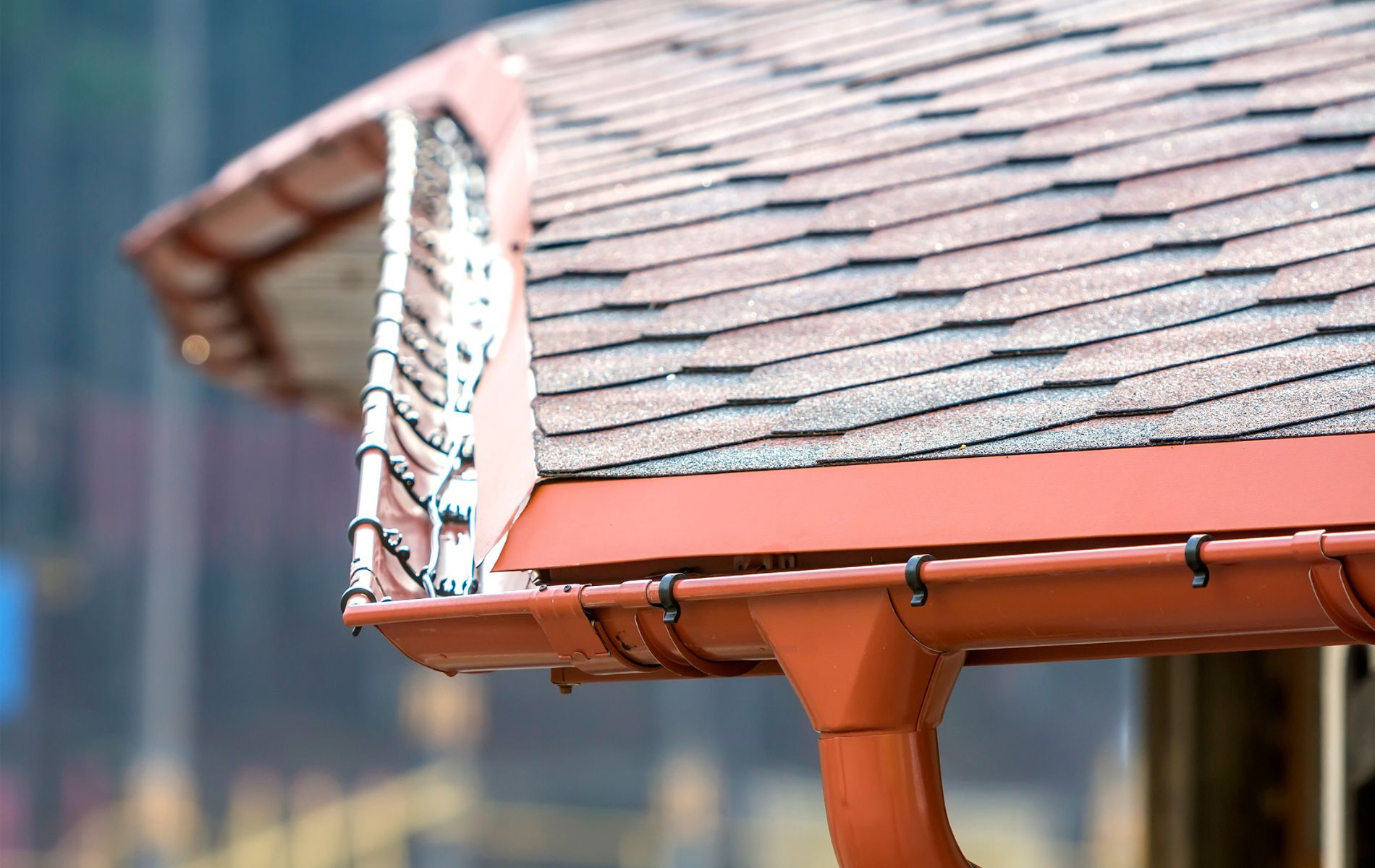
So, do gutters cause roof damage? Yes, gutter problems can contribute to roof damage, but properly installed and maintained gutters help protect your roofing system. Overflowing water, blocked drainage, loose gutter sections, and improper positioning can expose roof edges, fascia boards, and soffits to prolonged moisture.
For homeowners in the Bronx, Queens, Brooklyn, and Westchester County, understanding how gutters affect roof performance is especially important during periods of heavy rainfall, falling leaves, snow, and seasonal temperature changes.
In this guide, RH Renovation NYC explains how gutter problems can affect your roof, which warning signs to look for, and what you can do to protect your property.
Can Gutters Actually Cause Roof Damage?
Gutters are designed to protect a building, not damage it. However, problems with the gutter system can create conditions that allow water to reach vulnerable roofing components.
For example, leaves and debris can block water from flowing toward the downspouts. During heavy rain, water may overflow against the roof edge, fascia, soffit, or exterior walls. If the problem continues, moisture exposure can contribute to wood deterioration, staining, leaks, and other building damage.
Poorly positioned gutters can also interfere with drainage. If a gutter is installed too high, too low, or with an incorrect slope, water may not drain as intended.
It is important to understand that not every roof leak is caused by gutters. Damaged shingles, deteriorated flashing, roof membrane problems, chimney defects, and other issues can also allow water into a property. A proper inspection helps identify the actual source.
7 Ways Gutter Problems Can Cause Roof Damage
Understanding the connection between gutters and roofing materials can help you recognize problems before they become more serious.
1. Clogged Gutters Can Cause Water to Back Up
Clogged gutters are one of the most common drainage problems homeowners experience. Leaves, twigs, dirt, roofing granules, and other debris can collect inside the gutter channel and restrict water movement.
When rainwater cannot reach the downspouts, it may accumulate inside the gutters and overflow toward the roofline.
Prolonged water exposure can contribute to:
- Rotting fascia boards.
- Deteriorating soffit materials.
- Moisture damage near roof edges.
- Water stains on exterior walls.
- Damage to nearby roofing components.
In some roof designs and weather conditions, backed-up water can reach vulnerable roof-edge details. However, a gutter blockage does not automatically mean water will enter beneath the shingles.
What to do: Clean the gutters, inspect the downspout openings, and check for signs of water damage around the roofline. If you notice recurring overflow, have the gutter slope and drainage capacity evaluated.
2. Overflowing Gutters Can Damage Fascia and Soffit Boards
Fascia boards run along the roof edge and commonly provide the mounting surface for gutters. Soffits cover the underside of the roof overhang and can also be affected by repeated moisture exposure.
When gutters overflow, rainwater may repeatedly contact these areas.
Over time, excessive moisture can contribute to:
- Peeling paint.
- Soft or deteriorating wood.
- Discoloration and water stains.
- Damaged soffit panels.
- Mold or mildew growth where moisture persists.
Damaged fascia can also affect gutter support. If the material holding the gutter hangers becomes weak, sections of the gutter may begin pulling away from the building.
What to do: Check the roofline for peeling paint, visible gaps, sagging sections, or deteriorating materials. Damaged fascia should be repaired before new gutters are attached to it.
3. Improperly Installed Gutters Can Affect Roof Drainage
Gutters must be positioned and sloped appropriately to move water toward their outlets. Poor installation can prevent the system from draining efficiently.
Common installation problems include:
- Incorrect gutter slope.
- Insufficient or poorly positioned hangers.
- Gutters installed too close to or too far below the roof edge.
- Poorly connected gutter sections.
- Incorrect downspout placement.
- Inadequate drainage capacity for the roof area.
A gutter that does not drain properly may retain standing water and collect more debris. Water can also spill over the back or front edge during rainfall.
The correct installation depends on the roof design, gutter profile, local rainfall conditions, and the manufacturer’s specifications.
What to do: If water repeatedly pools inside the gutter or spills over during ordinary rainfall, arrange a professional inspection. The contractor can evaluate the slope, attachment points, outlets, and overall system design.
4. Leaking Gutter Joints Can Expose Roof Edges to Moisture
Many gutter systems contain joints, end caps, outlets, and connections that need to remain secure and watertight.
Over time, sealants can deteriorate, metal can corrode, and joints may separate because of movement, temperature changes, or physical damage.
Leaking connections can direct water onto:
- Fascia boards.
- Soffit materials.
- Exterior walls.
- Window and door trim.
- Foundation areas below the roofline.
If a leak occurs near the roof edge, repeated water exposure can contribute to deterioration of nearby materials.
What to do: Look for water dripping from gutter joints during rainfall, visible gaps, corrosion, or staining beneath connections. Depending on the condition of the system, the solution may involve resealing, replacing a damaged section, or installing a new gutter system.
5. Sagging or Detached Gutters Can Create Drainage Problems
Gutters rely on secure hangers and sound attachment points to remain in the correct position. When hangers loosen or fascia boards deteriorate, sections of the gutter may begin to sag.
Sagging gutters can create low spots where water and debris collect instead of flowing toward the downspouts.
Potential consequences include:
- Standing water inside the gutter.
- Increased stress on gutter hangers.
- Water overflowing near roof edges.
- Damage to fascia boards.
- Sections of gutter separating from the building.
Heavy debris, accumulated water, ice, and inadequate support can all contribute to gutter failure.
What to do: Have loose or sagging sections inspected and properly secured. If the fascia is deteriorated, address the underlying damage rather than simply attaching the gutter to weakened material.
6. Winter Ice and Snow Can Make Existing Gutter Problems Worse
Cold weather introduces additional challenges for roof and gutter systems in New York.
Snow and ice can accumulate along roof edges and inside gutters. When drainage is restricted, water may freeze within the gutter or downspout, adding weight and placing stress on hangers and connections.
Ice dams are a separate but related winter roofing concern. They develop when heat escaping through the roof warms snow higher on the roof surface, causing it to melt. The water can then refreeze near colder roof edges and create a barrier that prevents additional meltwater from draining normally.
Ice dams are primarily associated with roof heat loss, insulation, ventilation, and weather conditions. Gutters do not prevent ice dams, and their presence does not automatically cause them.
However, existing gutter blockages, ice accumulation, and damaged roof-edge details can complicate winter drainage and increase the risk of water-related damage.
What to do: Keep gutters and downspouts clear before winter where it is safe to do so. If you notice substantial ice buildup, recurring ice dams, or interior water stains, contact a qualified roofing professional. Avoid climbing onto an icy roof or attempting to break up ice with tools.
7. Undersized or Damaged Gutters May Not Handle Roof Runoff
A gutter system must be suitable for the amount of water draining from the roof.
A large roof area, steep roof pitch, concentrated drainage from valleys, or intense rainfall can place significant demands on a gutter system.
If gutters are too small, damaged, or poorly configured, they may overflow even when they are relatively clean.
The system’s performance also depends on the number and placement of downspouts, roof geometry, and the condition of the drainage outlets.
What to do: If gutters overflow frequently despite regular cleaning, have a professional assess whether the system has adequate capacity. Replacing a damaged section may not solve the problem if the original gutter size or drainage design is insufficient.
Warning Signs That Gutter Problems May Be Damaging Your Roof
Gutter-related damage does not always appear immediately. Regular visual inspections can help you recognize problems before moisture affects more of the building.
Watch for these warning signs:
| Warning sign | Possible concern |
|---|---|
| Water spilling over gutter edges | Blockage, poor slope, or insufficient capacity |
| Peeling paint near the roofline | Repeated moisture exposure |
| Soft or deteriorating fascia | Prolonged water exposure or rot |
| Sagging gutter sections | Loose hangers or damaged attachment points |
| Water stains beneath roof edges | Possible drainage or roof-edge problem |
| Separated gutter joints | Failed connections or deteriorated sealant |
| Water pooling near the foundation | Downspout or drainage problems |
| Recurring ceiling stains | Possible roof leak requiring investigation |
These signs are not proof that gutters are the only cause. A roofing professional can inspect the roof and drainage system to determine where the water is entering and what repairs are necessary.
Can Clogged Gutters Cause Roof Leaks?
Yes, clogged gutters can contribute to roof leaks under certain conditions.
When debris prevents rainwater from draining, water may overflow and repeatedly expose the roof edge, fascia, and soffit to moisture. In some situations, water may reach vulnerable roof details or contribute to deterioration that eventually allows moisture into the building.
However, a clogged gutter does not automatically cause a roof leak. The roof’s slope, edge construction, flashing, underlayment, and overall condition all influence how water behaves.
If you notice a leak after heavy rainfall, check the gutters from a safe location and contact a roofing professional to investigate the source. The problem could involve the gutter system, roofing materials, flashing, or more than one component.
How to Prevent Gutter-Related Roof Damage
Preventive maintenance helps your gutters and roof work together as a complete water-management system.
Clean Gutters Regularly
Remove leaves, twigs, and other debris before they restrict water movement. Many properties benefit from gutter cleaning at least twice a year, commonly in spring and fall.
Homes with overhanging trees may require more frequent cleaning.
Inspect Downspouts
Downspouts should remain clear and securely connected. Check that water can flow through them and discharge away from the building in a suitable location.
Check Gutter Slope and Attachments
Gutters should have the appropriate slope toward their outlets and enough support to remain secure. Loose hangers and sagging sections should be addressed before they become larger problems.
Repair Leaks and Damaged Sections
Do not ignore dripping joints, cracks, corrosion, or separated connections. Prompt repairs can help prevent repeated moisture exposure around the roofline.
Consider Gutter Guards
Gutter guards can reduce the amount of leaves and larger debris entering the gutter system. However, they do not eliminate maintenance. Small debris can still accumulate, and guards should be checked to confirm that water flows through them properly.
Inspect the Roof and Gutter System Together
Gutters are only one part of the exterior drainage system. Check the roof edges, fascia, soffits, flashing, and accessible drainage areas for visible signs of damage.
For additional information about protecting your roof from water intrusion, read our related guide on preventing roof leaks.
When Should You Repair or Replace Your Gutters?
Not every gutter problem requires a complete replacement. The right solution depends on the extent of the damage, the age and condition of the system, and whether the original installation is suitable for the property.
Gutter repair may be appropriate when:
- A small section has separated from its connection.
- A joint has developed a leak.
- A limited area has been damaged.
- A downspout connection needs repair.
- A gutter hanger has become loose.
- A localized blockage is affecting drainage.
Gutter replacement may be more appropriate when:
- Multiple sections are heavily corroded.
- Gutters have widespread cracks or damage.
- The system repeatedly leaks despite repairs.
- Sections are consistently sagging or pulling away.
- The gutter size or design is unsuitable for the roof.
- The existing system has reached the end of its useful service life.
A professional inspection can help determine whether repairing individual sections or replacing the system is the more practical long-term option.
If your gutters are leaking, sagging, or overflowing, RH Renovation NYC provides gutter repair services in Westchester County.
Property owners in the Bronx can also explore our gutter installation services for new or replacement gutter systems.
Why Professional Gutter and Roof Inspections Matter
Roofing and gutter systems work together to protect the building from rainwater and other weather exposure. When one component fails, it can affect the performance of nearby exterior materials.
A professional inspection can help identify:
- Gutter blockages and drainage restrictions.
- Incorrect gutter slope or placement.
- Loose hangers and damaged connections.
- Deteriorating fascia and soffit materials.
- Roof-edge damage and flashing concerns.
- Possible water entry points.
- Whether repairs or replacement are necessary.
Working on roofs and gutters involves fall hazards, unstable ladders, electrical risks, and potentially damaged materials. Homeowners should avoid climbing onto the roof or leaning over gutters to investigate problems.
RH Renovation NYC provides roofing and gutter services for residential and commercial properties across the Bronx, Queens, Brooklyn, and Westchester County. Our team can assess gutter concerns and help determine whether repair, replacement, or related roofing work is needed.
Frequently Asked Questions About Gutters and Roof Damage
1. Do gutters cause roof damage?
Gutters do not normally damage a properly installed roof. However, clogged, damaged, improperly positioned, or poorly maintained gutters can contribute to moisture problems around roof edges, fascia, soffits, and other exterior components.
2. Can clogged gutters cause roof leaks?
Yes, clogged gutters can contribute to roof leaks when backed-up or overflowing water reaches vulnerable roof-edge details. However, other problems such as damaged shingles, flashing, or roof membranes can also cause leaks. A professional inspection can identify the source.
3. Can overflowing gutters damage fascia boards?
Yes. Repeated water overflow can expose fascia boards to prolonged moisture, potentially contributing to peeling paint, deterioration, and wood rot. Damaged fascia can also weaken the attachment points supporting the gutters.
4. How often should gutters be cleaned?
Many properties benefit from gutter cleaning at least twice a year, usually in spring and fall. Homes surrounded by trees or exposed to significant debris may need more frequent cleaning.
5. Do gutter guards prevent all gutter problems?
No. Gutter guards can reduce the amount of leaves and larger debris entering the gutter system, but they cannot prevent every blockage or drainage issue. They still require periodic inspection and maintenance.
6. Can gutters cause ice dams?
Gutters are not the primary cause of ice dams. Ice dams generally develop because of roof heat loss, snow accumulation, insulation, ventilation, and temperature conditions. However, ice buildup in gutters can create additional drainage and attachment problems during winter.
7. Should I repair or replace damaged gutters?
Minor leaks, loose hangers, or isolated damage may be repairable. Widespread corrosion, repeated leaks, extensive sagging, or an unsuitable gutter design may make replacement more practical. A professional inspection can help determine the best option.
8. Can damaged gutters affect a home’s foundation?
Yes. Gutters and downspouts help direct roof runoff away from the building. When they leak, overflow, or discharge water too close to the foundation, repeated water exposure can contribute to soil erosion, moisture problems, and drainage concerns.
9. Can I inspect my roof gutters myself?
You can perform a basic visual inspection from the ground. Look for sagging sections, visible leaks, overflowing water, and damaged downspouts. Avoid climbing onto the roof or reaching over gutters. Have a qualified professional inspect areas that require ladder or roof access.
10. Who should I call if gutter problems are damaging my roof?
Contact a qualified roofing or gutter contractor who can evaluate both systems. Inspecting only the gutter may miss damage to fascia, soffits, flashing, or roofing materials. RH Renovation NYC provides roofing and gutter services in the Bronx, Queens, Brooklyn, and Westchester County.
Protect Your Roof With Professional Gutter Services From RH Renovation NYC
Gutters play an important role in protecting your roof and property from water-related damage. When they become clogged, damaged, or improperly installed, they can contribute to overflowing water, deteriorating fascia, drainage problems, and moisture around vulnerable roof edges.
Regular maintenance and timely repairs help keep your roofing and gutter systems working together.
RH Renovation NYC provides professional roofing and gutter services for residential and commercial properties throughout the Bronx, Queens, Brooklyn, and Westchester County. Whether you need gutter repairs, new gutter installation, replacement, or an assessment of a possible roof drainage problem, our team can help you understand your options.
Contact RH Renovation NYC to discuss your roofing or gutter concerns.
Request a roofing and gutter consultation from RH Renovation NYC.