9 Warning Signs Your Home Exterior Needs Repair
Your home’s exterior does more than create a first impression. It protects the structure from rain, snow, wind, moisture, and changing temperatures. When roofing, siding, gutters, chimney masonry, or other exterior components begin to deteriorate, even a small problem can eventually affect other parts of the property.
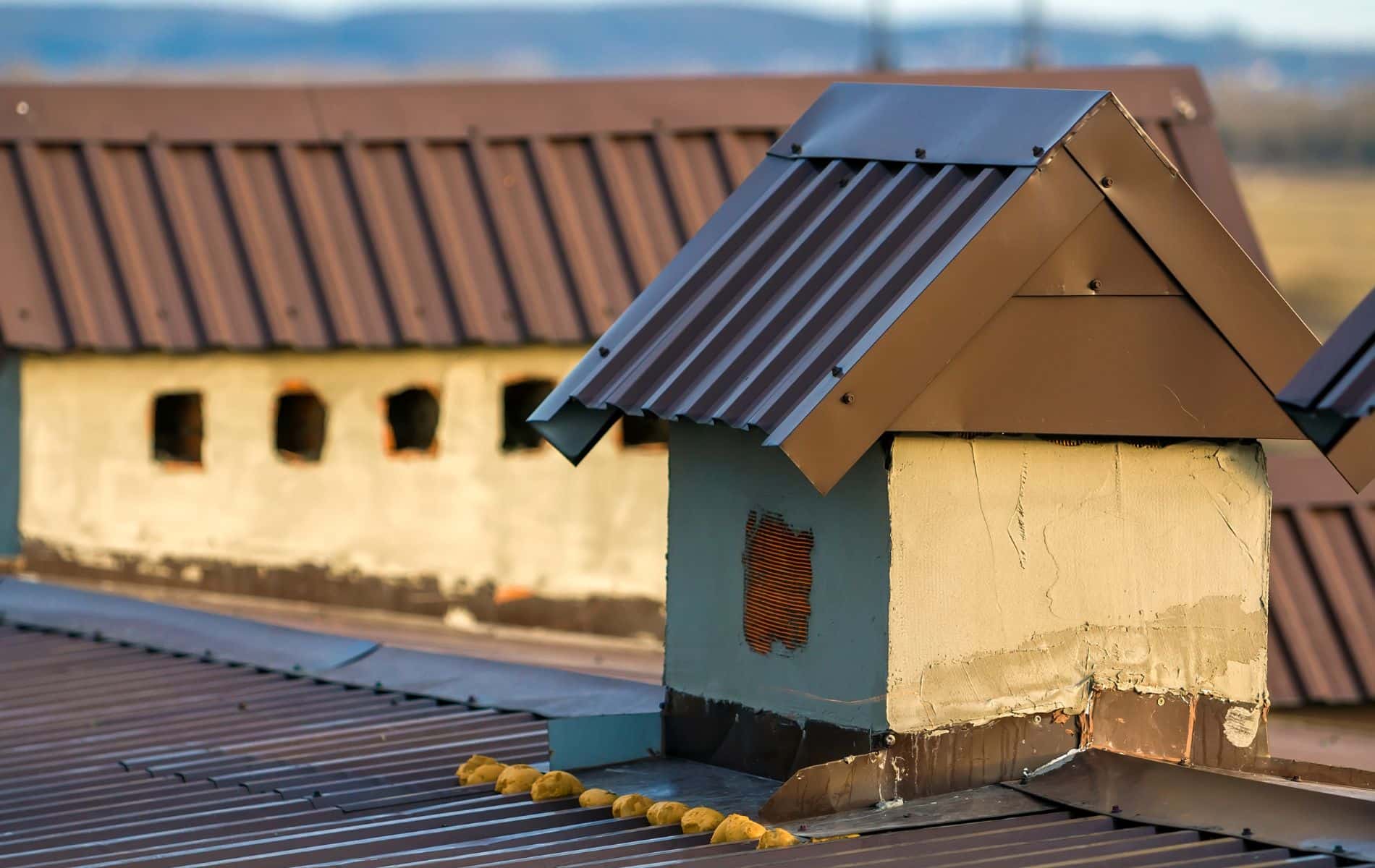
For homeowners in the Bronx, Queens, Brooklyn, and Westchester County, seasonal weather can put additional stress on exterior materials. Heavy rain, strong winds, winter snow, and repeated freezing and thawing can contribute to roof damage, loose siding, failing mortar joints, and drainage problems.
But how can you tell when your home’s exterior needs attention?
Some warning signs are easy to notice, such as missing roof shingles or a gutter pulling away from the roofline. Others, including moisture behind siding or a leak around roof flashing, may be less obvious until damage appears inside the home.
In this guide, RH Renovation NYC explains nine common signs of exterior deterioration, what may cause them, and when to consider professional repairs.
Why Is Regular Exterior Home Maintenance Important?
Your home’s exterior works as a connected protective system. Roofing, siding, gutters, flashing, chimney masonry, skylights, and exterior trim all help protect the building from weather and moisture.
When one component fails, it can affect other areas.
For example, damaged roof shingles may allow water to reach the roof decking or attic. Clogged gutters can cause water to overflow behind fascia boards or collect near the foundation. Deteriorating chimney masonry may allow moisture to enter the structure.
Regular exterior inspections help identify these problems before they become more extensive.
Maintaining your home’s exterior can help:
- Identify water intrusion before it spreads.
- Protect roofing, siding, and exterior wood.
- Reduce the likelihood of more extensive repairs.
- Maintain proper roof and foundation drainage.
- Preserve the appearance and condition of your property.
- Identify potential storm damage early.
The goal is not to replace every aging exterior component. It is to identify what is failing, understand why it is happening, and determine whether a targeted repair or a larger replacement is appropriate.
9 Warning Signs Your Home Exterior Needs Repair
The following warning signs can help you recognize when your property’s exterior may need professional attention.
1. Missing, Cracked, or Curling Roof Shingles
Your roof is one of the most important protective components of your home. It shields the underlying structure from rain, snow, wind, and other weather conditions.
When asphalt shingles become damaged or displaced, water may reach the roofing materials underneath.
Look for these warning signs:
- Missing or loose shingles after a storm.
- Cracked, curled, or buckling shingles.
- Bald spots where protective granules have worn away.
- Shingle granules collecting in gutters or downspouts.
- Visible damage around roof valleys and edges.
- Water stains on ceilings or attic surfaces.
Roofing materials naturally age over time. Strong winds, heavy rain, snow, poor ventilation, and installation problems can also contribute to deterioration.
A small area of missing shingles does not automatically mean the entire roof needs replacement. If the surrounding roofing system remains in good condition, a localized repair may be sufficient. Widespread deterioration, recurring leaks, or extensive material failure may require a more comprehensive solution.
What should you do?
Look for visible damage from the ground and check for interior signs such as water stains or damp attic materials. Avoid climbing onto the roof yourself. Arrange a professional inspection if you notice missing shingles, recurring leaks, or other signs of deterioration.
Learn more about roofing services in the Bronx.
2. Cracked, Loose, or Warped Siding
Siding protects exterior walls from weather exposure while contributing to the appearance and performance of your home’s exterior.
When siding becomes cracked, loose, or improperly secured, rainwater may reach the materials behind it. Depending on the wall assembly, prolonged moisture exposure can contribute to wood deterioration, damaged insulation, and interior moisture problems.
Common warning signs include:
- Cracked or broken siding panels.
- Warped, buckled, or loose sections.
- Gaps around siding joints and corners.
- Fading, peeling, or damaged finishes.
- Water stains or discoloration.
- Visible mold or moisture-related deterioration.
Different siding materials can develop different problems. Wood siding may deteriorate when exposed to persistent moisture. Vinyl siding can crack or warp because of temperature changes, impact, or other damage. Other materials may develop issues related to installation, age, or inadequate maintenance.
What should you do?
Do not simply cover damaged siding with paint or sealant without understanding the cause. A professional assessment can help determine whether the problem involves individual panels, installation details, moisture behind the siding, or more extensive deterioration.
Depending on the condition, repairs may involve replacing damaged sections, correcting installation issues, or installing new siding.
Explore RH Renovation NYC’s siding and exterior services.
3. Water Stains, Peeling Paint, or Moisture on Exterior Walls
Exterior walls should help keep rainwater and moisture from entering the building. When water begins penetrating the exterior, visible stains and deteriorating finishes may appear.
Watch for:
- Dark or brown stains on exterior walls.
- Peeling, blistering, or bubbling paint.
- Soft or deteriorating exterior wood.
- Persistent damp areas.
- Cracked or separated exterior sealant.
- Water stains on interior walls near exterior surfaces.
These symptoms may indicate problems with siding, roofing, flashing, window or door seals, or other exterior components.
However, a water stain does not always reveal where the leak begins. Moisture can travel behind exterior materials before becoming visible inside or outside the home.
For example, a stain near an upper-floor ceiling may originate from roof flashing rather than the wall directly above it. Similarly, peeling paint near a gutter may be associated with overflowing or leaking drainage.
What should you do?
Identify where and when the moisture appears. Note whether it becomes worse during heavy rainfall, after snow melts, or during particular weather conditions. A professional inspection can help trace the source before damaged finishes are repaired.
Addressing the underlying moisture problem is essential. Repainting or patching a surface without correcting the water entry point may only hide the symptoms temporarily.
4. Sagging, Leaking, or Clogged Gutters
Gutters and downspouts collect roof runoff and direct water away from your home’s exterior and foundation.
When the drainage system becomes blocked, damaged, or improperly positioned, water may overflow and affect other parts of the property.
Common warning signs include:
- Gutters pulling away from the fascia.
- Visible cracks, holes, or separated joints.
- Water overflowing during rainfall.
- Sagging or uneven gutter sections.
- Rust or corrosion on metal gutters.
- Disconnected or blocked downspouts.
- Water pooling near the foundation.
- Staining below the roofline.
Leaves, branches, dirt, and roof debris can obstruct water flow. Loose fasteners, damaged joints, and incorrect gutter slopes can also contribute to drainage problems.
Ignoring these issues may lead to fascia deterioration, exterior wall staining, moisture around basement areas, and drainage concerns near the foundation.
What should you do?
Check gutters from a safe ground-level position, especially after heavy rainfall. Look for visible sagging, overflow, and disconnected downspouts. Do not climb an unstable ladder or attempt repairs at roof height without appropriate safety equipment.
Regular cleaning and timely repairs help maintain proper drainage. If gutters repeatedly leak, pull away from the fascia, or fail to direct water properly, professional repair or replacement may be necessary.
Learn more about gutter installation, repair, and replacement services in NYC.
5. Damaged Chimney Bricks or Crumbling Mortar Joints
Chimneys remain exposed to rain, snow, wind, and temperature changes throughout the year. Over time, these conditions can weaken masonry and mortar joints.
In areas that experience freezing temperatures, moisture absorbed by masonry may freeze and expand. Repeated freeze-thaw cycles can contribute to cracking, surface deterioration, and loose mortar.
Watch for these warning signs:
- Cracked or missing mortar between bricks.
- Loose, chipped, or deteriorating chimney bricks.
- White powdery deposits on masonry.
- Pieces of brick or mortar around the chimney base.
- Visible cracks in the chimney structure.
- Water stains near the fireplace or chimney area.
- A damaged chimney crown or cap.
White powdery deposits, commonly called efflorescence, can indicate that moisture is moving through masonry and leaving mineral deposits behind.
Cracked mortar joints may allow additional water to enter the chimney structure. If the underlying moisture problem remains unresolved, deterioration can continue.
What should you do?
Do not climb onto the roof to inspect a chimney yourself. A qualified professional can assess the visible masonry, mortar joints, crown, cap, and flashing.
Depending on the condition, repairs may involve repointing mortar joints, replacing damaged bricks, repairing the chimney crown, or correcting flashing problems.
Explore chimney repair services in the Bronx or chimney repair services in Westchester.
6. Damaged Roof Flashing Around Vulnerable Areas
Roof flashing helps protect the points where roofing materials meet another surface or structure. Common locations include chimneys, roof valleys, skylights, vents, and walls.
These transitions are particularly vulnerable to water penetration. Properly installed and maintained flashing helps direct water away from openings and joints.
Warning signs of flashing problems include:
- Rusted or corroded metal flashing.
- Loose or separated flashing sections.
- Missing or deteriorated sealant around vulnerable joints.
- Water stains near chimneys or skylights.
- Leaks that appear during heavy rainfall.
- Damaged roofing materials surrounding flashing.
A flashing problem can sometimes be limited to a small area. In other cases, damaged surrounding roofing materials or an installation problem may require more extensive work.
For example, water appearing near a chimney does not necessarily mean the chimney masonry is the source. The problem may involve the flashing where the chimney meets the roof.
What should you do?
If you notice a recurring leak near a chimney, skylight, or roof transition, arrange a professional roof inspection. The contractor should identify the source of water entry before recommending a repair.
Replacing sealant alone may not solve a problem involving incorrectly installed or deteriorated flashing.
7. Roof or Exterior Damage After a Severe Storm
Strong winds, heavy rainfall, hail, falling branches, and other severe weather conditions can damage multiple exterior components.
Not all storm damage is immediately visible from the ground. Some problems only become apparent after water enters the building or damaged materials begin to deteriorate.
After a significant storm, look for:
- Missing or displaced roof shingles.
- Damaged or detached siding panels.
- Bent, loose, or disconnected gutters.
- Fallen branches or debris on the roof.
- Visible dents or impact marks.
- Water stains on ceilings or walls.
- Damaged flashing around roof penetrations.
- Loose exterior trim or fascia.
Storm damage can affect more than one part of the property. A fallen branch, for example, may damage roofing materials and gutters at the same time.
What should you do after a storm?
- Inspect the exterior from a safe location.
- Photograph visible damage if it is safe to do so.
- Check interior ceilings and walls for new water stains.
- Keep people away from unstable structures or damaged roof areas.
- Arrange a professional inspection if you suspect damage.
- If you believe the damage may be covered by insurance, contact your insurer and follow its documentation requirements.
Never climb onto a damaged roof to investigate storm-related problems.
8. Skylight Leaks, Cracked Glass, or Damaged Seals
Skylights bring natural light into your home, but they also create an opening in the roofing system that must remain properly protected against water intrusion.
Damaged glass, deteriorated seals, faulty installation details, or failing flashing can allow moisture to enter around the skylight.
Look for:
- Water stains around the skylight frame.
- Dripping during rainfall.
- Cracked or damaged skylight glass.
- Deteriorating seals or flashing.
- Visible moisture on nearby ceilings.
- Condensation between glass panes.
It is important to distinguish between an actual skylight leak and condensation caused by indoor humidity or temperature differences.
For example, moisture on the interior glass surface may be related to indoor humidity, while water stains around the skylight frame may indicate a problem with flashing or the surrounding roof.
What should you do?
Identify when the moisture appears and whether it becomes worse during rain or changes in temperature. A professional inspection can help determine whether the issue involves the skylight unit, its seals, the flashing, or nearby roofing materials.
Depending on the condition, the solution may involve repairing flashing, correcting installation issues, replacing damaged seals, or installing a new skylight.
Learn more about skylight inspection, repair, and installation services.
9. Peeling Paint, Wood Rot, and Deteriorating Exterior Trim
Exterior trim, fascia, soffits, and other exposed wood components help protect important areas of your property.
When paint or protective finishes deteriorate, moisture may gradually penetrate the underlying material. Persistent exposure can cause wood to soften, split, or rot.
Common warning signs include:
- Peeling or cracking exterior paint.
- Soft or spongy wood.
- Visible wood rot.
- Cracked fascia or soffit boards.
- Gaps around exterior trim.
- Discoloration and persistent dampness.
- Deterioration near gutters or roof edges.
Wood deterioration is often associated with prolonged moisture exposure. Leaking gutters, roof drainage problems, damaged flashing, and failed exterior seals can all contribute.
Simply repainting deteriorated wood will not solve the underlying problem.
What should you do?
Have the affected area evaluated to determine whether the damage is limited to the paint or extends into the wood itself. Damaged sections may need to be repaired or replaced, and the source of moisture should be addressed before new protective finishes are applied.
What Happens If You Ignore Exterior Home Damage?
Small exterior problems can become more extensive when homeowners postpone necessary maintenance.
A minor roof leak, for example, may eventually affect attic insulation, roof decking, ceilings, and interior finishes. Similarly, neglected siding damage may allow moisture to reach the underlying wall assembly.
Potential consequences include:
Water intrusion: Damaged roofing, flashing, gutters, and siding can allow moisture to enter the property.
Wood deterioration: Persistent moisture can contribute to rot in fascia, trim, roof decking, and other exposed wood components.
Interior moisture problems: Unresolved leaks can create damp conditions inside walls, ceilings, and other building areas.
Higher repair expenses: A localized repair may become a larger project if the underlying problem continues.
Reduced curb appeal: Deteriorating finishes, damaged roofing, and neglected gutters can affect the appearance of your property.
Shortened material lifespan: Roofing, siding, and other exterior materials may deteriorate faster when damaged components are not maintained.
The best approach is to investigate warning signs early and correct the underlying cause rather than repeatedly repairing only the visible symptoms.
How Does New York Weather Affect Your Home’s Exterior?
Homes in the Bronx, Queens, Brooklyn, and Westchester experience changing seasonal conditions that can place stress on exterior building materials.
Understanding these conditions can help homeowners recognize when an inspection may be useful.
Winter Freezing and Thawing
Water can enter small cracks in masonry and other porous materials. When temperatures drop, trapped moisture may freeze and expand. Repeated cycles can contribute to deteriorating mortar joints, cracked masonry, and damaged exterior finishes.
Heavy Rain and Wind
Strong winds and heavy rainfall can affect roof shingles, flashing, gutters, siding, and other exposed components. After a significant storm, check for visible damage from the ground and look for new interior water stains.
Snow and Ice
Snow accumulation and melting ice can contribute to drainage challenges around roof edges and gutters. Blocked or damaged drainage systems may allow water to overflow or collect in unwanted areas.
Seasonal Moisture Exposure
Repeated exposure to rain and humidity can affect exterior wood, paint, siding, and masonry. Maintaining protective finishes and addressing leaks can help reduce avoidable deterioration.
Because every property is different, inspection frequency should reflect the building’s age, materials, condition, and exposure to weather.
How Often Should You Inspect Your Home’s Exterior?
The frequency of exterior inspections depends on your property’s age, construction materials, weather exposure, and previous maintenance history.
As a practical starting point, homeowners can:
- Perform a visual ground-level inspection twice a year.
- Check gutters and downspouts regularly, especially after heavy storms.
- Look for roof and flashing damage after significant weather events.
- Monitor chimney masonry for cracks and deteriorating mortar.
- Check siding, exterior trim, and visible seals for damage.
- Investigate interior water stains or unexplained moisture promptly.
- Arrange professional assessments when warning signs appear.
Properties with older roofing, aging siding, recurring leaks, or previous storm damage may require more frequent attention.
A ground-level inspection cannot identify every roofing or structural problem. If you notice signs of damage, a qualified professional can assess areas that are difficult or unsafe to reach.
Should You Repair or Replace Your Home’s Exterior?
Deciding between repair and replacement depends on the extent of damage, the age of the materials, the condition of surrounding components, and whether the underlying problem can be corrected.
Replacing an entire system is not always necessary. In many situations, a properly completed localized repair may be sufficient.
When Exterior Repairs May Be Sufficient
Targeted repairs may be appropriate when:
- Damage is limited to a small area.
- Surrounding materials remain in good condition.
- The underlying structure is sound.
- The source of moisture can be corrected.
- The existing system has a reasonable remaining service life.
Examples include replacing a few damaged shingles, repairing a limited section of siding, correcting a gutter connection, or repointing localized chimney mortar joints.
When Replacement May Be the Better Option
A larger replacement project may be worth considering when:
- Damage affects multiple sections.
- Materials have reached the end of their useful service life.
- Problems continue despite previous repairs.
- Extensive moisture damage is present.
- The existing system has widespread deterioration.
- Repairs are no longer a dependable long-term solution.
A professional contractor should assess the actual condition before recommending replacement.
The goal should be to select a solution that addresses the underlying problem and provides reliable protection without recommending unnecessary work.
What Should You Look for During an Exterior Home Inspection?
A useful exterior inspection should consider how different components work together, rather than looking at each problem in isolation.
Depending on the property, an inspection may include:
Roofing: Visible shingle damage, roof edges, valleys, drainage areas, and signs of water intrusion.
Siding and exterior walls: Loose or cracked panels, gaps, damaged finishes, and visible moisture-related deterioration.
Gutters and downspouts: Loose fasteners, sagging sections, blockages, leaks, and water discharge areas.
Chimney masonry: Cracked bricks, deteriorating mortar, visible structural concerns, and the condition of accessible exterior components.
Flashing and roof transitions: Visible separation, corrosion, damaged joints, and signs of leaks around chimneys or skylights.
Skylights: Visible glass damage, water stains, and problems around the frame or surrounding roof.
Exterior trim: Peeling finishes, damaged fascia, soft wood, and signs of persistent moisture.
An inspection should document visible conditions and explain which issues need attention. Areas that cannot be safely accessed or fully evaluated should be identified rather than assumed to be in good condition.
Professional Exterior Repair Services in the Bronx and Westchester County
Maintaining your home’s exterior requires attention to several connected systems. Roofing, siding, gutters, chimney masonry, skylights, and other exterior components all contribute to protecting your property.
RH Renovation NYC provides residential exterior renovation and roofing-related services for homeowners throughout the Bronx, Queens, Brooklyn, and Westchester County.
The company has served property owners since 2004 and is a GAF Master Elite® roofing contractor. Its services include:
- Roof repair and replacement.
- Shingle and flat roofing.
- Chimney repair and replacement.
- Gutter repair and installation.
- Siding installation and replacement.
- Skylight installation and related roofing work.
Whether you have noticed missing shingles, deteriorating siding, leaking gutters, damaged chimney masonry, or a skylight leak, identifying the source of the problem is an important first step.
Explore the relevant services:
- Roofing contractor in the Bronx
- Gutter installation, repair, and replacement
- Siding repair and installation
- Chimney repair services in the Bronx
- Skylight inspection, repair, and installation
If you are unsure which exterior component needs attention, contact RH Renovation NYC to discuss your property’s condition and request an estimate.
Call (646) 818-4305 or contact RH Renovation NYC to discuss your exterior repair needs.
Frequently Asked Questions About Exterior Home Repairs
1. What are the most common signs that a home’s exterior needs repair?
Common warning signs include missing roof shingles, cracked siding, peeling paint, leaking gutters, deteriorating chimney mortar, damaged flashing, skylight leaks, and water stains. These problems may indicate that one or more exterior components are no longer providing adequate protection.
2. How do I know if my roof needs repair or replacement?
Missing shingles, recurring leaks, damaged flashing, and visible deterioration may indicate that your roof needs attention. Localized damage may only require repairs, while widespread deterioration or an aging roofing system may justify replacement. A professional inspection can help determine the appropriate solution.
3. Can damaged siding cause water damage inside my home?
Yes. Cracked, loose, or improperly installed siding can allow moisture to reach the underlying wall assembly. Depending on the building’s construction, this may contribute to wood deterioration, damaged insulation, and interior moisture problems.
4. Why is water overflowing from my gutters during rainfall?
Gutter overflow may result from accumulated debris, blocked downspouts, improper gutter slope, undersized drainage systems, or damaged gutter sections. Cleaning and inspecting the drainage system can help identify the cause.
5. How do I know if my chimney needs professional repair?
Look for cracked mortar joints, loose bricks, white staining, damaged chimney crowns, and water stains near the chimney. These conditions may indicate moisture intrusion or masonry deterioration and should be assessed by a qualified professional.
6. Should I inspect my roof after a storm?
Yes. Significant storms can damage shingles, flashing, gutters, siding, and other exterior components. Look for visible damage from the ground and arrange a professional inspection if you suspect a problem. Avoid climbing onto the roof yourself.
7. How much does exterior home repair cost?
Exterior repair costs depend on the type of damage, materials, labor, accessibility, and extent of the work. A small gutter repair involves different work from a complete roof or siding replacement. An inspection and written estimate can help establish the scope and cost of your specific project.
8. How often should I schedule a professional exterior inspection?
The right inspection schedule depends on the property’s age, materials, and condition. Many homeowners benefit from periodic professional assessments, particularly when warning signs or storm damage appear. Roofing, chimney masonry, siding, and drainage systems may require different maintenance schedules.
9. Who should I contact for exterior home repairs in the Bronx or Westchester County?
Contact an experienced, properly qualified exterior renovation or roofing contractor who can assess the affected components and recommend appropriate repairs. RH Renovation NYC provides roofing and exterior renovation services in the Bronx, Queens, Brooklyn, and Westchester County.
Protect Your Home Before Exterior Damage Gets Worse
Your home’s exterior is essential to its long-term protection, appearance, and condition. Missing shingles, damaged siding, deteriorating chimney masonry, leaking gutters, and skylight problems should not be ignored.
Identifying warning signs early can help you understand what needs attention and make informed decisions about repairs or replacement.
If you have noticed any of these problems, RH Renovation NYC can help you discuss the next steps for your exterior repair project.
Call (646) 818-4305 or contact RH Renovation NYC to request an estimate.
Protect your property by addressing exterior problems at their source—not just the visible symptoms.