Flat Roof Replacement Costs in New York
Replacing a flat roof in New York is a major project, and the smartest first step is understanding the likely cost before any tear-off begins. A flat roof replacement can range widely based on size, material, access, labor, decking, insulation, drainage, and local conditions, so a detailed estimate helps you avoid starting work you may not be able to finish. This guide explains what drives flat roof pricing, how common materials compare, and what New York homeowners and property owners should expect when planning a replacement.
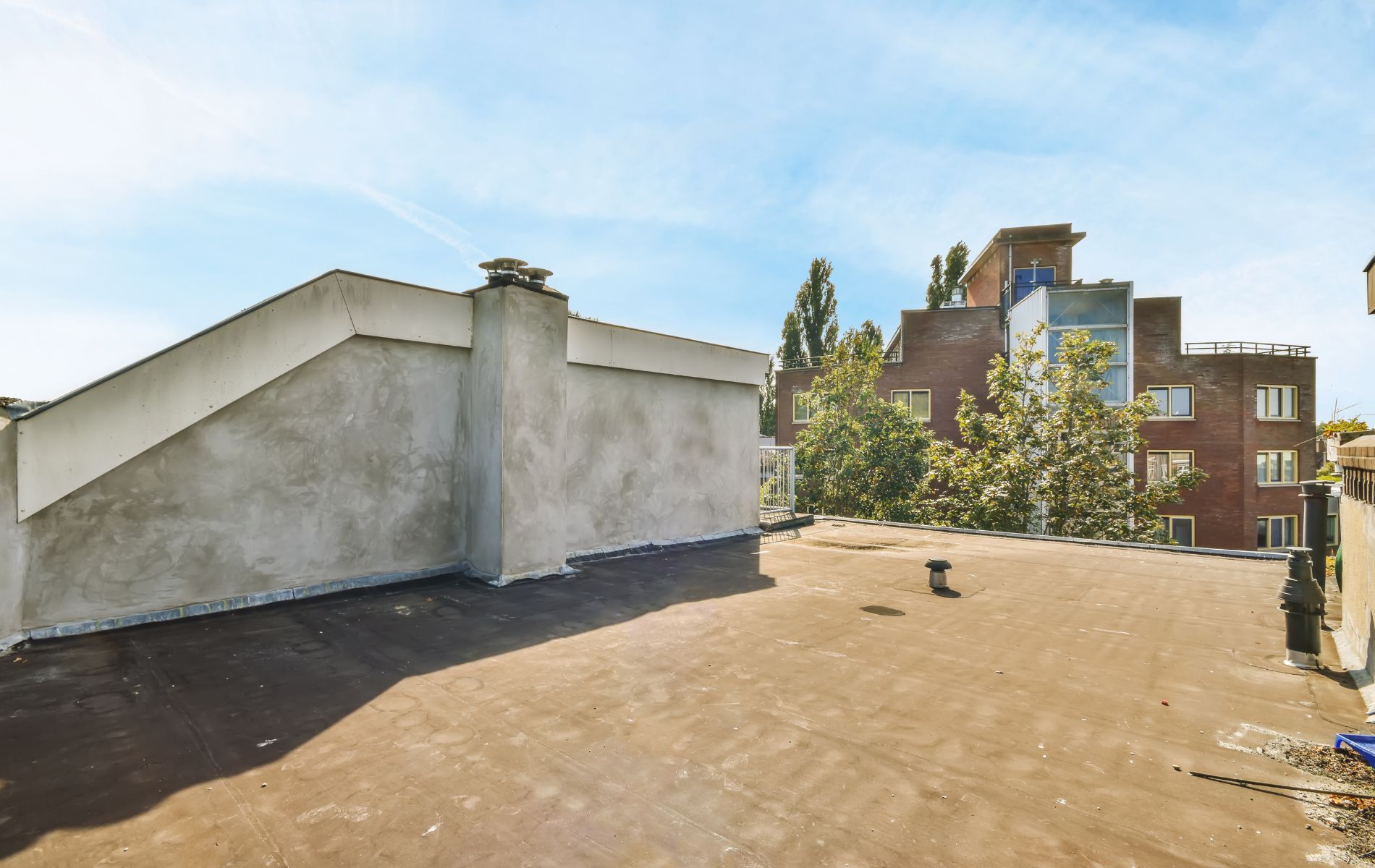
How much does it cost to replace a flat roof in New York?
Flat roof replacement costs in New York commonly fall between $4 and $30 per square foot including materials and labor, depending on the roof system and project conditions. Labor alone can range from $5 to $9 per square foot, especially where access is difficult, the roof is high, or the job requires careful removal, disposal, waterproofing, insulation, or drainage work.
That broad range matters because two roofs with the same square footage can have very different final prices. A simple residential flat roof with straightforward access may sit near the lower end, while a multi-story building in Manhattan, Brooklyn, Queens, the Bronx, Yonkers, or Westchester may cost more because of staging, disposal, traffic, permits, building height, material handling, and weather protection.
Before you replace flat roof materials, ask for a written flat roof replacement estimate in NYC that separates the major cost categories. If the price is unclear at the beginning, you risk opening the roof, discovering extra damage, and then being unable to complete the project. That can leave the home exposed to rain, snow, wind, and temperature swings, which is exactly what roof replacement is meant to prevent.
Cost ranges by roof size
The easiest way to estimate flat roof costs is to start with square footage, then adjust for material, roof condition, access, and local labor. The examples below use the broad $4 to $30 per square foot range for flat roof replacement cost per square foot, including materials and labor.
| Roof size | Estimated replacement range | What can push the cost higher |
|---|---|---|
| 1,000 sq. ft. | $4,000–$30,000 | Tear-off, insulation, decking damage, poor access |
| 1,500 sq. ft. | $6,000–$45,000 | Drainage repairs, parapet work, thicker membrane |
| 2,000 sq. ft. | $8,000–$60,000 | Commercial details, vents, multiple layers, height |
The cost to replace a 1000 square foot flat roof may be manageable for a small residential building, but the final number still depends on what is under the existing membrane. The cost to replace a 1500 square foot flat roof rises quickly if insulation or decking must be replaced. The cost to replace a 2000 square foot flat roof can vary even more when the roof includes multiple drains, skylights, vents, HVAC supports, or complicated edge details.
The main factors affecting flat roof replacement costs
Flat roofing prices in New York vary from year to year and from state to state because labor markets, material pricing, disposal rules, building access, and climate demands are not the same everywhere. New York roofing projects also have local challenges, including dense neighborhoods, limited staging space, taller buildings, and weather windows that can affect scheduling.
Local labor and access
Flat roof labor costs in New York are a major part of the budget. A low roof with easy access is usually faster to work on than a taller building where crews must move materials through tight spaces, use special equipment, or protect sidewalks and neighboring property. The number of stories, roof height, parking access, and debris removal path can all change the final labor cost.
Existing and new materials
The existing roof system matters because removal is not always simple. A roof with one clean layer may be easier to tear off than a roof with multiple old layers, trapped moisture, damaged insulation, or deteriorated flashing. The new material also matters: rubber, TPO, PVC, modified bitumen, insulation boards, fasteners, adhesives, drains, and waterproofing details all carry different material costs.
Roof condition and hidden damage
Flat roof decking replacement cost is one of the biggest unknowns. If the contractor removes the old roof and finds soft wood, rusted metal deck, wet insulation, or structural concerns, the job becomes more than a membrane replacement. Flat roof insulation replacement cost can also add to the total, but replacing wet or damaged insulation helps restore performance and reduces the risk of future leaks.
Climate and drainage
New York roofs must handle rain, snow, freeze-thaw cycles, summer heat, and standing water. A flat roof is not truly flat; it should have enough slope to move water toward drains, scuppers, or gutters. Flat roof drainage repair cost may include correcting ponding areas, clearing or replacing drains, improving slope, or rebuilding low spots that shorten the life of the new roof.
Material choices and typical cost considerations
Flat roofs are relatively easy to repair and replace compared with many steep roof systems because of their simple geometry and popularity. Their broad use also means many flat roofing contractors in NYC understand the common materials, details, and failure points. Still, choosing the right system matters because material selection affects waterproofing, maintenance, service life, and upfront cost.
EPDM rubber roofing
EPDM is often described as a rubber flat roof system. EPDM flat roof replacement cost, or rubber flat roof replacement cost, depends on membrane thickness, attachment method, roof size, edge details, and whether insulation or decking is replaced. It is often considered for residential flat roof replacement cost in NYC because it can be practical on smaller roofs when installed with proper seams, flashing, and drainage.
TPO roofing
TPO flat roof replacement cost can vary based on membrane thickness, roof layout, and the number of penetrations. TPO is commonly selected for light-colored roof surfaces and modern single-ply installations. As with any system, the quality of seams, flashing, edge termination, and drainage details has a major impact on performance.
PVC roofing
PVC flat roofing cost is usually influenced by the membrane specification, welding details, insulation package, and rooftop conditions. PVC may be considered for certain commercial or mixed-use buildings, especially where durability and chemical resistance are part of the discussion. A contractor should explain whether PVC is appropriate for the building rather than recommending it only because it is available.
Modified bitumen roofing
Modified bitumen roof replacement cost depends on the number of plies, application method, flashing work, and surface finish. Modified bitumen is familiar across many New York flat roof projects and can be a good fit for roofs that need a robust, layered system. Installation method matters, so property owners should ask how the system will be applied and how nearby walls, vents, drains, and edges will be waterproofed.
Flat roof repair vs replacement cost
Flat roof repair vs replacement cost comes down to age, leak history, membrane condition, moisture below the surface, and how much life the existing roof has left. A repair may be the better short-term option when damage is isolated, the membrane is still in decent condition, and drainage is working. Replacement is usually the stronger option when leaks are recurring, seams are failing across large areas, insulation is wet, or the roof has reached the end of its useful service life.
A repair can seem more affordable at first, but repeated patching can become expensive if it only delays the inevitable. A replacement costs more upfront, yet it gives the contractor an opportunity to correct deeper problems: poor slope, damaged decking, saturated insulation, failing flashing, and old drainage components.
Use this practical checklist when deciding:
- Choose repair when one small area is leaking and the rest of the roof is sound.
- Consider replacement when leaks appear in multiple rooms or return after repairs.
- Inspect insulation if there are signs of moisture, bubbling, soft areas, or musty odors.
- Check drainage if water remains on the roof after storms.
- Compare total spending if several repairs in a short period are approaching replacement cost.
- Ask about warranty impact before adding patches to an older roof system.
Residential and commercial flat roof pricing
Residential flat roof replacement cost in NYC is usually shaped by roof size, access, material choice, insulation, and whether the home is attached, semi-attached, or freestanding. Flat roof replacement cost Brooklyn, flat roof replacement cost Queens, flat roof replacement cost Bronx, and flat roof replacement cost Manhattan can differ because each borough has different access challenges, building types, and labor logistics. Flat roof replacement cost Yonkers and flat roof replacement cost Westchester NY can also vary depending on property layout, roof height, and contractor availability.
Commercial flat roof replacement cost in New York is often calculated differently because commercial roofs tend to be larger and may include more equipment, penetrations, drains, vents, and underlying items. Commercial flat roofs can cost $4 to $10 per square foot, and total commercial roof costs can reach up to $100,000 when the scope includes vents, underlying items, drains, tear-off, waterproofing, and related details.
The important point is not that commercial work is always more expensive per square foot. Sometimes large roofs can have efficiencies. However, commercial buildings often carry more complexity, more code coordination, more rooftop equipment, and higher consequences if drainage or waterproofing details are missed.
Tear-off, decking, insulation, and waterproofing details
Flat roof tear off and replacement cost depends on how many layers must be removed, how heavy the debris is, and how easily crews can move material off the roof. Tear-off also reveals problems that were not visible during the first inspection. That is why a careful estimate should explain what is included, what is excluded, and how unexpected decking or insulation repairs will be priced.
Flat roof waterproofing cost is tied to the details that stop water from entering the building. Membrane selection matters, but the vulnerable areas are often seams, corners, parapet walls, penetrations, drains, skylights, and transitions. A professional flat roof installation in New York should include a plan for these details, not just a square-foot price for the field of the roof.
Flat roof maintenance costs should also be considered after replacement. Routine inspections, drain clearing, debris removal, and prompt minor repairs can help protect the investment. Maintenance is especially important after heavy storms, snow, construction work, or rooftop service visits by other trades.
What should be included in a flat roof replacement estimate?
A flat roof replacement estimate in NYC should give you enough detail to compare contractors fairly and understand the full scope before work begins. A vague price may look attractive, but it can lead to change orders, delays, or confusion once the old roof is removed.
Look for these items in the estimate:
- Roof size and measurement method — The estimate should state the approximate square footage and what areas are included.
- Tear-off scope — It should explain whether old roofing will be removed, how many layers are expected, and how debris will be handled.
- New roof material — The proposal should identify the system, such as EPDM, TPO, PVC, or modified bitumen.
- Insulation and decking allowances — Ask how damaged decking or wet insulation will be handled if discovered.
- Drainage work — Drains, scuppers, gutters, and slope corrections should be addressed if they affect performance.
- Flashing and penetrations — Walls, vents, chimneys, skylights, and roof edges should be included in the waterproofing plan.
- Permit and access assumptions — Flat roof replacement permit requirements in NYC can depend on the building and scope, so the estimate should clarify who is responsible for checking and handling permits.
- Warranty terms — A flat roof replacement warranty should explain what is covered, for how long, and what maintenance is required.
- Payment schedule and financing — If needed, ask about flat roof replacement financing options before scheduling work.
Planning the project without leaving your home exposed
Roof replacement should be completed promptly once it begins. During tear-off, the building is more vulnerable, and delays can expose the home to natural conditions such as rain or snow. Even temporary protection has limits, so scheduling, weather planning, and crew readiness are essential.
A good contractor will help plan the timing, protect the structure during work, and avoid opening more roof area than can be safely managed. This is especially important in New York, where weather can shift quickly and neighboring buildings may limit access. If a project stalls because the budget was not clear, materials were not ready, or hidden damage was not discussed, the risk to the building increases.
To reduce surprises, confirm these items before work starts:
- The full estimated price range and payment schedule
- Material availability and expected project duration
- Weather protection plan during tear-off
- Who handles permits, disposal, and inspections
- How unexpected decking, insulation, or drainage repairs are approved
- Warranty registration and maintenance requirements
Balancing affordability and long-term value
Affordable flat roof replacement in New York does not always mean choosing the lowest bid. A low price can be helpful only if the contractor is using the right material, preparing the roof correctly, and including the details that prevent leaks. Long lasting flat roof materials are valuable because they reduce the chance of repeated disruption, interior damage, and frequent repair spending.
When comparing flat roof pricing, ask each contractor to explain the roof system in plain language. What membrane is being installed? How will seams be sealed? How will drains be addressed? What happens if wet insulation is found? Clear answers help you compare real value instead of choosing based on a single number.
Flat roof replacement contractors in Westchester County and flat roofing contractors in NYC may price projects differently because of travel, staging, labor, disposal, and local building conditions. That is normal. What matters is getting a complete scope, realistic timing, and a roof system that fits the building.
Start with a clear estimate from RH Renovation NYC
If you are planning roof replacement in NYC, RH Renovation NYC can help you understand your options before the work begins. Request a free cost estimate and consultation for flat roof installation in NYC, including guidance on materials, tear-off, waterproofing details, drainage, and the factors that may affect your final price.
Knowing the flat roof replacement cost NYC property owners should expect is the best way to plan confidently, avoid mid-project budget problems, and protect the building from weather exposure. Contact RH Renovation NYC to start the flat roof installation process with a clear scope, practical recommendations, and a cost estimate tailored to your roof.
For more information on flat roof installation costs in NYC call us at RH Renovation NYC. Our team can provide you with a cost estimate for free and walk you through the process step by step. We can also offer you ideas, material choices, and other solutions so that your new flat roof looks amazing on your existing structure. So, what are you waiting for? Let’s get your new flat roof installed!