How Deep Is a Standard Chimney? Understanding Fireplace and Chimney Dimensions
A chimney is an important part of a home’s fireplace and ventilation system. It provides a safe passage for smoke and combustion gases to leave the building. However, when homeowners ask, “How deep is a standard chimney?” the answer depends on which part of the chimney they mean.
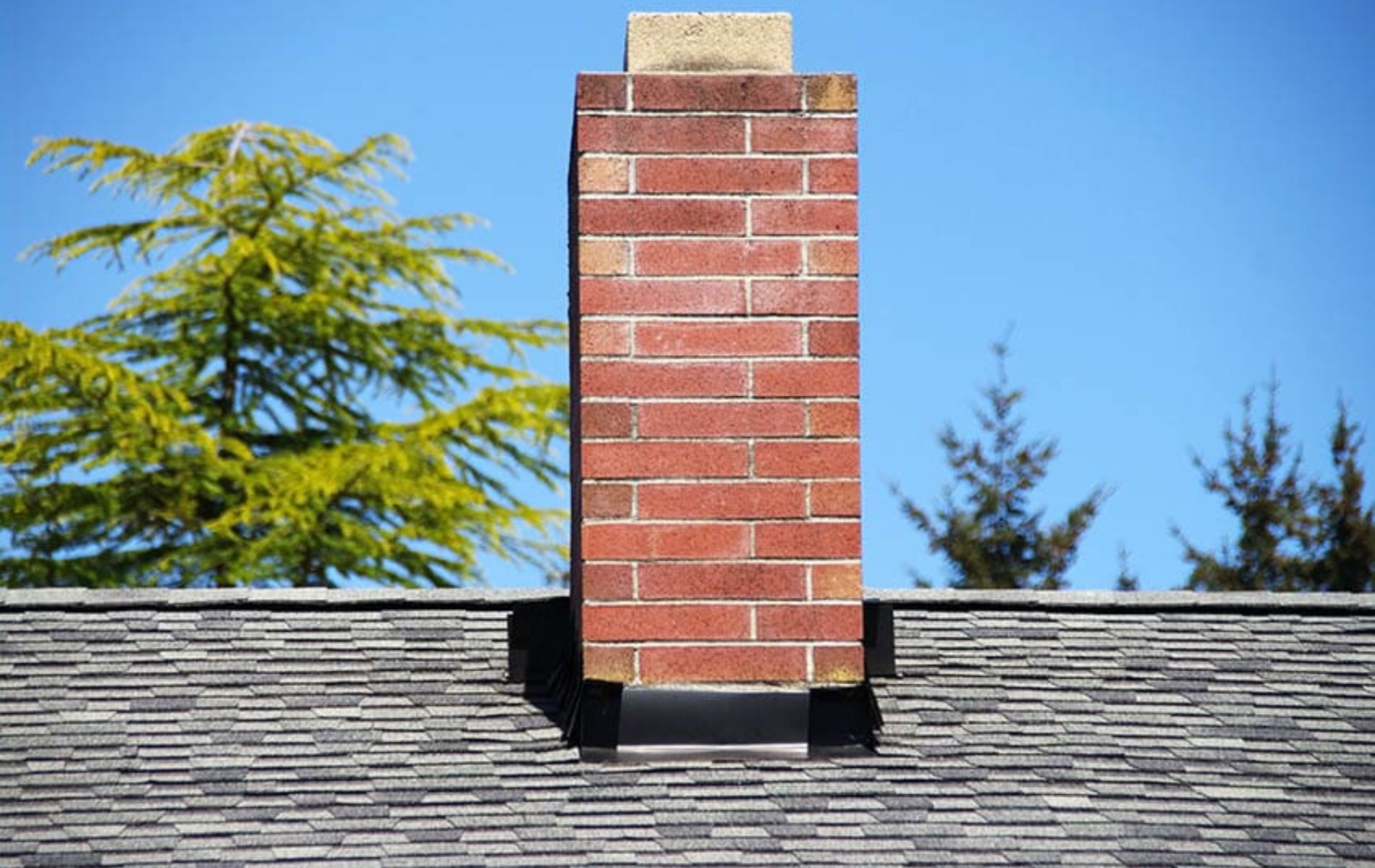
The depth of a chimney breast is different from the depth of a fireplace firebox. The smoke chamber, flue, and exterior chimney structure also have their own dimensions and construction requirements.
Understanding these differences is important when planning a fireplace installation, renovating an older property, or addressing chimney damage. In this guide, we explain the main chimney components, typical measurement considerations, and important building code requirements for homeowners in the Bronx, New York City, and Westchester County.
Is There a Standard Chimney Depth?
There is no single standard depth that applies to every chimney. Chimney dimensions depend on the fireplace type, fuel source, building design, construction materials, and applicable building codes.
For example, a traditional masonry fireplace has a firebox, smoke chamber, and flue designed to work together. A factory-built fireplace follows the manufacturer’s tested specifications. Gas and electric fireplaces may have different installation requirements.
It is also important not to confuse the following measurements:
- Chimney breast depth: How far the chimney breast projects into a room.
- Firebox depth: The front-to-back measurement of the area where a fire burns.
- Smoke chamber dimensions: The measurements of the transition area between the firebox and flue.
- Flue dimensions: The size and shape of the passage that carries smoke and combustion gases outside.
- Exterior chimney dimensions: The width, depth, and height of the chimney structure above the roof or along an exterior wall.
These measurements serve different purposes. A contractor should assess the complete chimney system rather than relying on one general measurement.
Understanding the Main Parts of a Chimney
Before measuring a chimney, it helps to understand how its components fit together.
1. Chimney Breast
The chimney breast is the section of the chimney structure that projects into a room. It may contain the fireplace opening, firebox, and parts of the chimney structure behind the wall.
Its depth varies according to the original building design and the type of fireplace. Older masonry homes may have substantial chimney breasts, while modern fireplace installations may use different configurations.
The chimney breast’s visible projection does not tell you the exact depth of the firebox or the dimensions of the flue.
2. Fireplace Firebox
The firebox is the chamber where wood or another approved fuel burns. Its depth, width, and height affect how the fireplace operates.
For masonry fireplaces, firebox dimensions must follow applicable building code requirements. The size should not be changed simply to create a larger opening or accommodate a different fireplace insert.
In New York City, Building Code Section 2111.7 specifies a minimum depth of 20 inches (508 mm) for a masonry fireplace firebox. The code includes a specific exception for Rumford fireplaces, which may have a minimum depth of 12 inches (305 mm), subject to additional dimensional requirements.
These provisions apply to masonry fireplace fireboxes—not to the overall depth of every chimney breast or exterior chimney. Always confirm the code requirements that apply to the property’s location and the proposed work.
3. Smoke Chamber
The smoke chamber sits above the firebox and below the flue. Its purpose is to guide smoke from the wider fireplace opening into the narrower flue passage.
The shape and construction of this area matter. Poorly constructed transitions, damaged masonry, or unsuitable dimensions can interfere with proper draft and contribute to smoke problems.
The smoke chamber should be inspected as part of an assessment of the fireplace and chimney system.
4. Chimney Flue
The flue is the passage through which smoke and combustion gases travel to the outside. It may be constructed with a masonry liner or a listed liner system, depending on the chimney and appliance.
Flue dimensions must be appropriate for the fireplace or heating appliance being vented. An incorrectly sized or damaged flue can affect draft and create safety concerns.
A flue should never be enlarged, reduced, or replaced based only on a general online measurement. Its sizing and installation must be evaluated for the connected appliance and applicable requirements.
5. Exterior Chimney Stack
The exterior chimney stack is the visible structure that extends above the roofline or along the outside of a building. Its dimensions depend on the building’s design, the chimney’s construction, and the appliance it serves.
Its height and termination also matter for safe venting. A professional assessment should consider the chimney’s condition, its connection to the fireplace, and its relationship to nearby roof surfaces and building features.
What Determines the Depth of a Chimney?
Several factors influence chimney and fireplace dimensions. Understanding them can help homeowners make better decisions when planning repairs or renovations.
Type of Fireplace
A traditional masonry fireplace, a factory-built fireplace, and a gas fireplace do not necessarily share the same dimensions.
Masonry fireplaces are constructed according to applicable masonry and fireplace requirements. Factory-built systems must be installed in accordance with their listing and manufacturer instructions. Gas fireplaces have their own venting and clearance specifications.
Electric fireplaces generally do not use a combustion flue, so their installation requirements are different from those of wood-burning fireplaces.
Building Design and Available Space
The home’s age, wall construction, room layout, and original architectural plans can influence the chimney’s dimensions.
Older properties in the Bronx and Westchester may have masonry chimney structures that were built around the original fireplace design. Altering these structures can involve more than changing the visible fireplace opening.
Before modifying a chimney breast or fireplace, the existing construction should be evaluated.
Fuel Type and Appliance Requirements
The fuel source affects how a fireplace or heating appliance must vent. Wood-burning, gas, and other fuel-burning appliances have different requirements.
The flue must be suitable for the connected appliance. Using an existing chimney for a different appliance may require an inspection, liner assessment, or other modifications.
Building Codes and Manufacturer Instructions
Building codes establish requirements for different types of construction, while listed appliances must be installed according to their manufacturer instructions.
Requirements can vary by jurisdiction. A property in New York City may be subject to different local requirements from a property in Westchester County.
Do not assume that a dimension suitable for one fireplace is automatically acceptable for another.
How to Measure Chimney and Fireplace Depth
If you are trying to understand the dimensions of an existing fireplace, begin by identifying exactly what you need to measure.
For a basic room-layout assessment, you may measure the visible projection of the chimney breast from the finished wall to its front face. This is not the same as measuring the firebox.
To measure the visible firebox depth, a professional may measure from the front opening toward the back wall of the firebox. The measurement should be taken carefully without disturbing firebrick, liners, dampers, or other components.
The flue and smoke chamber require a different assessment. Their internal dimensions and condition may not be visible from the room.
Important: Do not remove masonry, firebrick, a damper, or a chimney liner to take measurements. Do not enter a chimney or climb onto the roof without appropriate training and equipment. If you are planning construction or a fireplace modification, have the relevant dimensions and condition assessed by a qualified professional.
Why Correct Chimney Dimensions Matter
Chimney dimensions are not only an architectural consideration. They affect the fireplace’s ability to vent combustion gases and operate as intended.
Proper Smoke Ventilation
The firebox, smoke chamber, and flue must work together. If the system is improperly designed, damaged, or unsuitable for the appliance, smoke may not vent as intended.
Persistent smoke entering a room should be investigated rather than treated as a problem that can be solved by changing one dimension.
Fireplace Safety
A chimney system must safely contain and direct heat and combustion products. Cracks, deteriorated masonry, damaged liners, and incorrect clearances can create hazards.
Regular inspection helps identify visible and hidden problems before they become more serious.
Structural Stability
Masonry chimneys are exposed to weather, temperature changes, and moisture. Over time, these conditions can contribute to deteriorating mortar joints, loose bricks, and cracks.
Changes to a chimney’s structure should be assessed carefully, particularly when the chimney is part of an older building.
Long-Term Maintenance
Knowing the original chimney layout and dimensions can help when planning maintenance or repairs. It can also help a contractor determine whether a proposed change is compatible with the existing structure.
Common Chimney Problems Homeowners Should Watch For
The depth of a chimney does not determine its condition. Even a correctly designed chimney can develop problems as it ages.
Watch for these warning signs:
- Cracked or missing mortar: Deteriorated joints can allow moisture to enter the masonry.
- Loose or damaged bricks: Spalling, shifting, or missing bricks may indicate that repairs are needed.
- Water stains near the fireplace: Moisture may be entering through the chimney, flashing, cap, or surrounding roof area.
- Smoke entering the room: Draft or blockage problems should be professionally investigated.
- Damaged chimney liner: A deteriorated liner can compromise the chimney’s ability to contain heat and combustion gases.
- A leaning or visibly separated chimney: Movement or structural damage requires prompt professional assessment.
If you notice any of these issues, avoid using the fireplace until it has been evaluated when a safety concern is suspected.
Homeowners who need professional assistance can learn more about chimney repair services in the Bronx or chimney repair services in Westchester County.
Why Professional Chimney Inspection Matters
A chimney inspection helps determine whether the structure, fireplace, and venting components are in suitable condition.
A professional assessment may include examining:
- The visible exterior masonry and mortar joints.
- The chimney crown, cap, and other exposed components.
- The fireplace opening and firebox condition.
- The accessible smoke chamber and flue.
- The chimney liner, where applicable.
- Signs of moisture intrusion and roof-level damage.
- The suitability of the chimney for its connected appliance.
The exact inspection scope depends on the chimney’s design, accessibility, and reported concerns.
An inspection is especially important before changing the fireplace type, installing a new appliance, modifying the firebox, or undertaking significant chimney repairs.
For a closer look at what happens during this process, read our guide on how a chimney expert inspects and cleans a chimney.
Chimney Maintenance for Homes in the Bronx and Westchester
Chimneys in the Bronx and Westchester experience seasonal temperature changes, rain, snow, and freeze-thaw conditions. Over time, moisture can affect brickwork, mortar joints, flashing, and other exposed components.
A sensible maintenance approach includes:
- Arranging periodic professional chimney inspections.
- Addressing cracked or deteriorated mortar before damage spreads.
- Checking for signs of water intrusion around the chimney and roof.
- Keeping the chimney cap and termination in suitable condition.
- Having the flue and liner assessed when there are signs of blockage, deterioration, or venting problems.
- Following the maintenance instructions for the fireplace or heating appliance.
Roof-related problems can also contribute to chimney moisture issues. Damaged flashing or nearby roofing materials may allow water to reach the chimney structure. If you notice roof leaks or deterioration around the chimney, explore roof repair and replacement services in Westchester County.
When Should You Repair or Modify a Chimney?
Not every chimney problem requires a complete rebuild. The right solution depends on the location and extent of the damage.
Minor mortar deterioration may require localized masonry work. Water intrusion may involve the chimney crown, cap, flashing, or masonry. More extensive damage may require structural repairs or chimney replacement.
Similarly, changing a fireplace opening or installing a different appliance may require a review of the firebox, flue, liner, and clearances.
Avoid making changes based only on the visible dimensions of the chimney. A qualified professional should evaluate the complete system and determine which work is appropriate.
Professional Chimney Services from RH Renovation NYC
If you have concerns about chimney depth, masonry condition, water intrusion, or fireplace dimensions, a professional assessment can help clarify the next steps.
RH Renovation NYC provides chimney-related services for properties in the Bronx and Westchester County. Our team can assess reported chimney concerns and discuss appropriate repair or restoration options based on the condition of the structure.
Whether you are dealing with deteriorating mortar, visible masonry damage, or signs of a chimney leak, it is important to address the underlying issue rather than relying on a temporary cosmetic fix.
Call (646) 818-4305 or request a free estimate to discuss your chimney project.
Frequently Asked Questions About Standard Chimney Depth
1. How deep is a standard chimney?
There is no universal standard depth for an entire chimney. The chimney breast, firebox, smoke chamber, and flue each have different dimensions. The appropriate measurements depend on the fireplace design, appliance, construction, and applicable codes.
2. How deep should a masonry fireplace firebox be?
In New York City, Building Code Section 2111.7 specifies a minimum depth of 20 inches (508 mm) for a masonry fireplace firebox. A specific exception applies to Rumford fireplaces, which may have a minimum depth of 12 inches (305 mm) subject to additional requirements. Always confirm the code applicable to the property and project.
3. Is chimney breast depth the same as fireplace depth?
No. Chimney breast depth describes how far the chimney structure projects into the room. Fireplace firebox depth measures the inside of the chamber where the fire burns. They are different measurements.
4. Do gas fireplaces need the same chimney depth as wood-burning fireplaces?
Not necessarily. Gas fireplaces have different venting and installation requirements depending on the appliance. Some use dedicated vent systems rather than a traditional masonry chimney. Follow the appliance listing and manufacturer instructions.
5. Does an electric fireplace need a chimney?
Most electric fireplaces do not require a combustion chimney or flue because they do not burn fuel. However, installation requirements still depend on the specific unit and its manufacturer instructions.
6. Can I change the depth of an existing fireplace?
Changing fireplace depth may affect the firebox, smoke chamber, flue, masonry, and required clearances. Have the existing structure assessed before making modifications. The proposed work must comply with applicable codes and manufacturer requirements.
7. How do I know if my chimney needs repair?
Look for cracked or missing mortar, loose bricks, water stains, damaged flashing, visible liner deterioration, or smoke entering the room. These signs warrant professional assessment. Stop using the fireplace if you suspect a safety issue.
8. How often should a chimney be inspected?
The National Fire Protection Association recommends that chimneys, fireplaces, and vents be inspected at least once a year. Cleaning or repairs depend on the inspection findings and how the system is used.
Final Thoughts
The answer to “How deep is a standard chimney?” depends on which part of the system you are measuring. Chimney breast depth, firebox depth, smoke chamber dimensions, and flue size are separate considerations.
For homeowners in the Bronx and Westchester, understanding these differences is useful when planning a fireplace renovation, investigating chimney damage, or maintaining an existing masonry structure.
Rather than relying on a general measurement, have the complete chimney system assessed before making structural changes. Proper evaluation helps ensure that repairs and modifications are suitable for the fireplace, building, and applicable safety requirements.
Need help with a chimney project? Contact RH Renovation NYC at (646) 818-4305 to discuss your chimney repair or restoration needs.