How to Choose the Right Roofing Insurance in Bronx
Choosing the right roofing insurance is crucial for contractors in the Bronx. It protects your business from unexpected financial losses.

Understanding the different types of insurance is essential. Residential and commercial roofing insurance have distinct coverage needs.
The cost of roofing insurance can vary widely. Factors like location, company size, and claim history play a role.
General liability insurance is a must-have for roofing contractors. It covers property damage and bodily injury claims.
Finding affordable insurance without sacrificing coverage is possible. Comparing quotes and understanding policy details is key.
This guide will help you navigate the complexities of roofing insurance. Protect your business and ensure peace of mind.
Why Roofing Insurance Matters in the Bronx
Roofing contractors in the Bronx face unique risks. The urban environment increases the chances of accidents and property damage.
Insurance provides crucial financial protection. It helps cover costs from unexpected incidents, like severe weather or on-site accidents.
Contractors need to safeguard their work and reputation. Roofing insurance ensures you’re prepared for potential claims and lawsuits.
Key Benefits of Roofing Insurance:
- Protection against lawsuits and claims
- Coverage for property damage and bodily injuries
- Peace of mind for clients and contractors
In an area as bustling as the Bronx, having robust roofing insurance is crucial. It not only protects your business but also builds trust with clients. Having appropriate coverage demonstrates professionalism and responsibility.
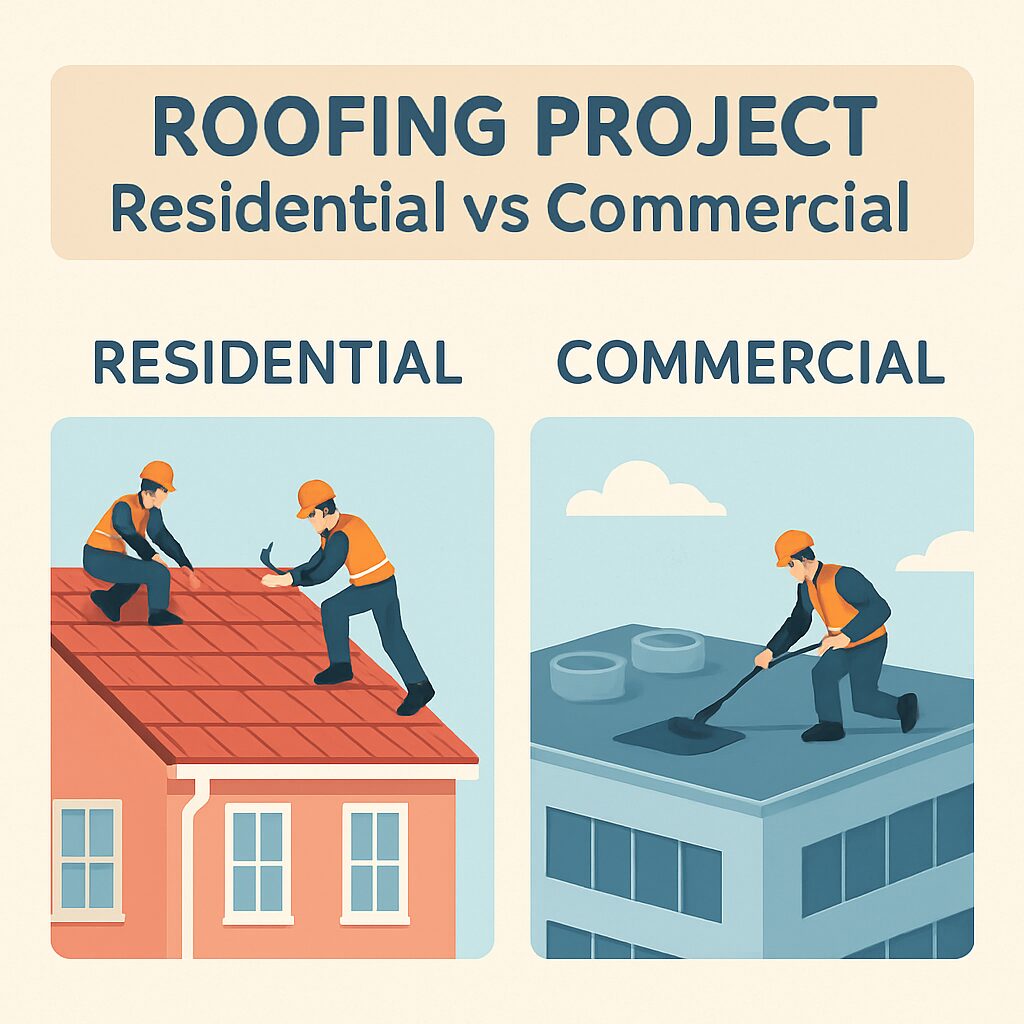
Types of Roofing Insurance: Residential vs. Commercial
Roofing insurance isn’t one-size-fits-all. Different projects require specific coverage types to address distinct risks.
Residential Roofing Insurance
Residential projects typically involve smaller teams. The risks here often relate to property damage or minor injuries.
Insurance for residential roofing protects against these issues. It covers repairs and medical costs arising from accidents in homes.
Commercial Roofing Insurance
Commercial roofing involves more significant projects. Larger buildings and complex installations increase potential for costly mistakes.
The coverage required here is extensive. It often includes higher liability limits due to the scale and complexity of commercial buildings.
Key Differences:
- Project size and complexity
- Injury and damage risk levels
- Coverage and liability limits
Knowing these differences helps in selecting the right policy. It’s crucial to match your insurance with the type of work you do, whether residential or commercial. This ensures adequate protection tailored to your project’s unique needs.
Essential Insurance Policies for Roofing Contractors
Roofing contractors face a variety of risks daily. These hazards require tailored insurance policies for proper coverage and protection.
A suite of insurance policies is essential. This ensures that both your business and employees are safeguarded against accidents and liabilities.
Here are some indispensable insurance types for roofing contractors:
- General Liability Insurance: Covers third-party injuries and property damage.
- Workers’ Compensation Insurance: Ensures coverage for employee-related injuries.
- Commercial Auto Insurance: Protects vehicles used for business purposes.
- Tools and Equipment Coverage: Safeguards valuable tools and equipment from theft or damage.
Having these insurances can help maintain a smooth operation. It’s important to choose policies that fit the unique risks associated with roofing work.
Each policy plays a critical role. Understanding their purposes will prevent costly mishaps and legal issues.

General Liability Insurance
This type of insurance is fundamental. It protects against claims of bodily injury and property damage.
General liability coverage is critical in construction. It safeguards your business from lawsuits that may arise during projects.
It’s an investment in peace of mind. Handling claims without this coverage can financially cripple a business.
Workers’ Compensation Insurance
Workers’ compensation is non-negotiable. It covers medical expenses and lost wages for injured workers.
Roofing is physically demanding. Accidents are more common, making this insurance vital for a business.
This policy helps avoid hefty fines. It also demonstrates your commitment to employee safety and well-being.
Commercial Auto and Tools Coverage
Vehicles and tools are crucial in roofing. Commercial auto insurance covers vehicles used for business activities.
Tools coverage protects against theft or damage. It ensures that essential equipment remains in working condition.
This coverage reduces downtime. It helps keep projects on track and minimizes unexpected costs.
What Insurance Should a Roofing Contractor Have?
Roofing contractors must have specific insurance to operate effectively. This insurance not only protects the business but also builds trust with clients.
Selecting the right insurance policies involves understanding the unique risks associated with roofing. Consider both external and internal risks that could affect your business.
Key insurance policies include:
- General Liability Insurance: Shields against third-party claims.
- Workers’ Compensation Insurance: Protects employees from work-related injuries.
- Commercial Auto Insurance: Covers vehicles used in your business.
- Tools and Equipment Insurance: Secures your essential gear from loss or damage.
These insurance types form a comprehensive safety net. It’s crucial for meeting legal requirements and ensuring operational continuity.
Having adequate coverage also provides peace of mind. It allows you to focus on growing your roofing business confidently.
Understanding Roofing Insurance Costs and Rates
The cost of roofing insurance can vary greatly. Factors such as location and company size play a significant role.
Claim history is another important factor. A history of frequent claims can increase your premiums significantly.
Insurance rates also depend on the type of services offered. Commercial roofing insurance may cost more due to higher risks involved.
Some common factors influencing insurance costs include:
- Location: High-risk areas often lead to higher premiums.
- Company Size: Larger companies typically pay more.
- Coverage Level: More coverage usually means higher costs.
- Claim History: Frequent claims can increase future rates.

Balancing coverage with cost is crucial. Work with your agent to assess your specific needs.
Review your policies regularly to adjust coverage and premiums. This ensures you maintain adequate protection without unnecessary expenses.
How to Get the Best Roofing Insurance Quotes
Obtaining competitive roofing insurance quotes requires research and diligence. Start by identifying several reputable insurance providers.
Comparing quotes from multiple companies helps you find the best rates. Don’t settle on the first quote you receive.
Consider reaching out to an insurance broker. They can navigate the complex market and secure favorable terms for you.
When seeking quotes, provide accurate and complete information. Misrepresentations can lead to discrepancies in coverage and price.
Key steps to getting the best quotes include:
- Research various providers to shortlist candidates.
- Request quotes from at least three companies.
- Verify all information is correct and up-to-date.
- Consult with brokers for expert advice.
Ensure you’re clear about the coverage each quote offers. This helps you make a well-informed decision for your business.
Tips for Finding Cheap Roofing Insurance Without Sacrificing Coverage
Finding affordable roofing insurance can be challenging. However, it is possible to reduce costs without losing essential coverage.
First, assess your current insurance needs. This avoids paying for unnecessary coverage. Regular policy reviews can help identify and eliminate redundant options.
Bundling different types of insurance can also lower costs. Many providers offer discounts for combining policies. Discuss bundling possibilities with potential insurers.
To find affordable insurance, consider these key steps:
- Regularly review and update policies.
- Bundle insurance policies when possible.
- Compare multiple providers for the best rates.
Lastly, invest in safety measures to reduce claims and costs. Implementing a robust safety program can lead to lower premiums.

Prioritizing safety not only protects your crew but also enhances your business reputation.
Evaluating Insurance Providers: What to Look For
Choosing the right insurance provider can impact your roofing business significantly. Start with researching the provider’s reputation in the industry. Reliable feedback from other roofing contractors can offer valuable insights.
Check the financial stability of the insurance company. A stable provider can handle claims efficiently without delays. Look for companies with solid ratings from trusted financial assessment organizations.
Here are key factors to evaluate when selecting an insurance provider:
- Reputation and customer reviews
- Financial stability and ratings
- Range of coverage options offered
Consider the availability of customer support. A provider with excellent customer service can make a difference in timely issue resolution. Engaging with responsive providers ensures smoother business operations.
Common Mistakes to Avoid When Choosing Roofing Insurance
Selecting the right roofing insurance can be complex. Many contractors make avoidable errors during the process. Understanding these common pitfalls can help you make better choices.
Some overlook reviewing policy exclusions. Not knowing what isn’t covered can lead to unexpected costs. Always read the fine print to avoid surprises.
Another mistake is underestimating coverage needs. Insufficient coverage can leave your business vulnerable. Here are common mistakes to steer clear of:
- Ignoring policy exclusions
- Choosing minimal coverage due to cost
- Skipping a thorough provider review
Lastly, never rush into a policy decision. Take the time to compare your options to ensure the best fit for your business needs.
The Claims Process: What Bronx Roofers Need to Know
Handling insurance claims can be daunting for roofing contractors. Knowing the process helps streamline your experience. Quick and accurate claims improve your chances of success.
First, document everything meticulously. Thorough records can support your claim and expedite the process. Keeping detailed logs of work and incidents is essential.
Understanding the claims process is critical. Key steps include:
- Reporting incidents promptly
- Providing complete documentation
- Following up regularly on claim status
Timely communication with your insurer is crucial. Regular updates can prevent misunderstandings and delays, ensuring smoother claims resolutions for your Bronx roofing business.
Staying Compliant: Local Laws and Industry Standards
Compliance with local laws is vital for roofing businesses in the Bronx. It ensures your operations align with regulatory requirements. Staying informed is crucial for long-term success.
Industry standards often dictate specific insurance coverages. These standards help minimize risks associated with roofing projects. They also enhance professionalism and trust.
To remain compliant, consider:
- Understanding local building codes
- Keeping insurance policies current
- Adhering to safety regulations
By adhering to both legal and industry standards, you protect your business and build credibility. This compliance fosters trust and reliability among your clients and partners.
Maximizing the Value of Your Roofing Insurance Policy
Getting the most from your roofing insurance involves proactive strategies. Regularly review your policy to ensure it matches your needs. This ensures adequate coverage for evolving business operations.
Engage with your insurance provider frequently. Open communication helps address concerns and optimize your policy. Providers often offer insights to tailor your coverage.
Consider the following tips:
- Bundle policies for discounts
- Implement safety measures to lower risks
- Review claim history to improve coverage
By maximizing your policy’s value, you enhance protection and reduce costs. A well-managed insurance strategy supports your business’s growth and resilience.
Frequently Asked Questions About Roofing Insurance in the Bronx
Understanding roofing insurance can be complex. Here are some common questions that Bronx roofers often ask.
What is the average cost of roofing insurance? The cost can vary widely. It depends on your business size and location. Get multiple quotes for a better estimate.
What types of insurance should roofers have? Key policies include general liability and workers’ comp. Some also need tools and commercial auto insurance.
Consider these points for further understanding:
- Factors influencing insurance rates
- Importance of public liability coverage
- Essential policies for compliance
How can I find affordable insurance?
Research is vital. Compare quotes and check reviews. Look for potential discounts by bundling policies.
What impacts my insurance rates? Your claim history and safety record are crucial. Good practices can reduce premiums over time.
Why is workers’ comp important? It protects employees and your business. It covers medical expenses from work-related injuries.
How often should I review my policy? Annually is a good start. More often if significant business changes occur. This ensures your coverage remains adequate.
Conclusion: Protecting Your Roofing Business for the Long Term
Securing the right roofing insurance is crucial for long-term success. It not only safeguards your assets but also ensures you comply with local regulations.
Take the time to assess your insurance needs comprehensively. Tailor your coverage to address specific risks associated with your operations.
By investing in suitable insurance policies, you’re building a resilient business. Maintain an ongoing relationship with your insurance provider to stay updated and covered adequately.