How to Choose the Right Type of Mortar for Outdoor Brickwork
For most outdoor residential brickwork — garden walls, above-grade veneer, standard exterior walls — Type N mortar is the right general-purpose choice. For load-bearing exterior walls, retaining walls, or anything below grade or in contact with soil, step up to Type S. But if you’re repointing brick on a building older than roughly 1930 — which describes a large share of New York City’s brownstones and row houses — the answer changes entirely: those bricks were laid with soft lime mortar, and repointing them with a hard modern cement mix is one of the most common and most damaging mistakes in exterior masonry work.
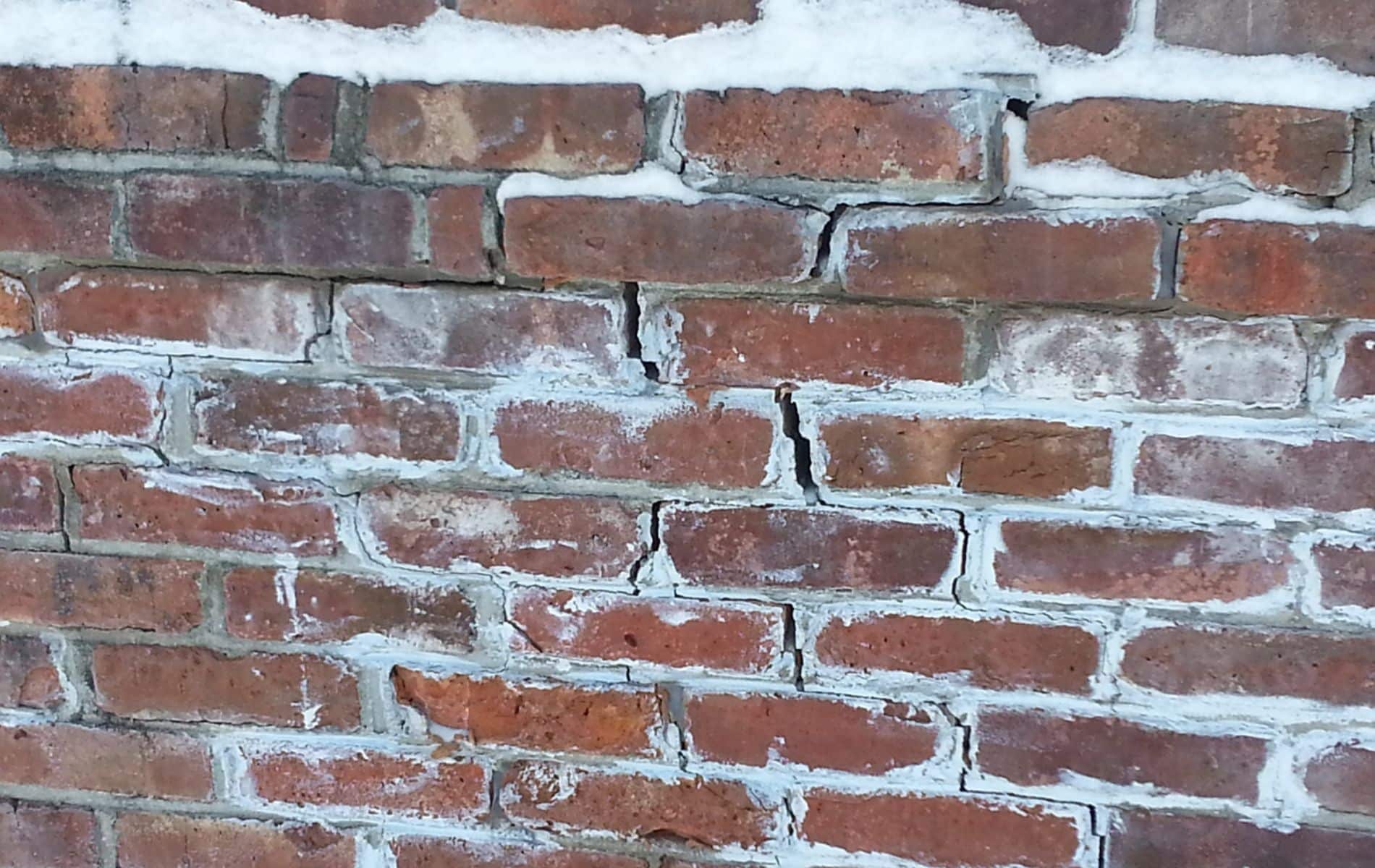
The right mortar isn’t about picking the “strongest” option. It’s about matching the mortar to the brick, the load, and the climate it has to survive. Here’s how to make that call correctly.
What Mortar Actually Does (and Why “Stronger” Isn’t Always Better)
Mortar’s job is to bond bricks together while accommodating small amounts of movement — thermal expansion, minor settling, freeze-thaw cycling — without cracking the bricks themselves. It’s made from a binder (Portland cement, hydrated lime, or a blend of both), sand, and water.
The counterintuitive rule that governs good mortar selection: mortar should almost always be softer than the brick it’s holding together, never harder. This comes directly from masonry preservation guidance from the National Park Service, which advises that repointing mortar should be no harder or less permeable than the historic mortar it’s replacing, and should always be softer than the masonry units themselves.
Here’s why that matters practically. Brick and mortar both expand and contract with temperature and absorb and release moisture. If the mortar is softer than the brick, it flexes and eventually wears at the joint — which is easy and inexpensive to repair. If the mortar is harder than the brick, the brick has nowhere to release that stress, so the brick face cracks, spalls, or pops off instead. At that point you’re not repairing joints anymore — you’re replacing bricks, which is a far more expensive and disruptive job.
The Four ASTM Mortar Types: N, S, M, and O
Mortar for brickwork in the U.S. is classified under ASTM C270, which defines four standard types by compressive strength and composition. This is the specification any legitimate mason or mortar supplier will reference.
| Type | Compressive Strength | Typical Mix Ratio (Cement : Lime : Sand) | Best Suited For |
| Type M | 2,500 psi | 3 : 1 : 12 | High-load, below-grade structural work (foundations, retaining walls under heavy load) |
| Type S | 1,800 psi | 2 : 1 : 9 | Load-bearing exterior walls, below-grade work, walkways, patios, areas needing higher bond strength |
| Type N | 750 psi | 1 : 1 : 6 | General-purpose above-grade exterior and interior brickwork — the default for most residential walls |
| Type O | 350 psi | 1 : 2 : 9 | Lime-rich, non-load-bearing above-grade work; often used for repointing softer or older brick |
A fifth type, Type K, exists in some historical references (roughly 75 psi) but is no longer included in the current ASTM C270 standard and is now essentially superseded by straight lime mortar for historic work.
Why Type N is the default for most outdoor brick
Type N is the most commonly specified mortar for above-grade residential and light commercial brickwork because it strikes the right balance: strong enough for normal structural and weather demands, workable enough to install cleanly, and — critically — soft enough not to overpower standard modern brick. Unless your project specifically needs the extra compressive strength of Type S or M, Type N is the sensible default.
When Type S makes more sense
Type S earns its place when the wall is doing more structural work: below-grade foundation walls, retaining walls resisting soil pressure, or exterior walls that need higher flexural bond strength — for example, where wind or seismic loads are a real design factor. It’s also common for brick patios, walkways, and pavement, where the mortar sits in more direct, sustained contact with moisture and ground movement — the same category of work covered by paver and resurfacing projects.
When Type M is appropriate
Type M is the highest-strength standard mortar and is generally reserved for heavy structural loads below grade — deep foundations, brick manholes, or masonry under significant compressive load. It’s rarely the right choice for a typical outdoor residential wall, and ASTM’s own guidance is explicit that a higher-strength mortar than the application requires should be avoided, not just tolerated.
When Type O (or straight lime mortar) is the right call
Type O is lime-rich and lower-strength, and it’s frequently the right choice for repointing older or softer brick, or for non-load-bearing above-grade work where flexibility and permeability matter more than raw compressive strength.
Cement Mortar vs. Lime Mortar: The Distinction That Matters Most for Older Brick
This is the single most important decision for anyone dealing with pre-1930s brick — which, in New York City, includes a huge share of brownstones, row houses, and tenement-era buildings.
Older brick (pre-WWII, generally softer, more porous, lower-fired) was almost always originally laid with a lime-based mortar, not modern Portland cement. Lime mortar is:
- More flexible and able to accommodate movement without cracking
- More vapor-permeable, allowing moisture to escape through the joints rather than getting trapped in the brick
- Softer, so it wears sacrificially at the joint rather than damaging the brick face
Modern brick (post-1930s, generally harder, machine-fired) is dense enough to handle standard Portland cement–lime mortars like Type N or S without issue.
The mistake we see most often on older NYC properties is a well-meaning repair using a standard modern Type S or premixed “strong” mortar on brick that was never designed to handle it. The mortar ends up harder and less permeable than the brick — trapped moisture then has nowhere to go except through the brick face, and the next freeze-thaw cycle does the damage. The National Park Service’s preservation guidance is direct on this point: repointing mortar should match the color, texture, and — most importantly — the hardness and permeability of the original historic mortar as closely as possible.
Mortar for Repointing: What Changes vs. New Construction
Repointing (removing deteriorated mortar from joints and replacing it) is a different job from laying new brick, and the mortar decision has an extra layer to it:
1. Identify the age and condition of the existing brick and mortar first. If you’re not sure whether you’re dealing with lime or cement-based original mortar, this is worth a professional assessment before any mortar is chosen — using the wrong mix is a mistake that’s expensive to undo.
2. Match, don’t just guess. A visual comparison of color, texture, and joint profile is the minimum; for buildings of real historic or architectural significance, a lab mortar analysis can identify the original sand and binder more precisely.
3. Prioritize compatibility over strength. The National Park Service’s guidance is explicit that the new mortar should be as permeable and as soft (or softer) than the historic mortar — not simply “durable” in the abstract.
4. Tool the joint to match the original profile. Inconsistent joint width or tooling depth between old and new sections is one of the most common cosmetic mistakes in repointing work, and it’s very noticeable once the wall is finished.
Weather Considerations for Outdoor Brickwork in NYC
New York’s climate puts real demands on exterior mortar that milder regions don’t deal with to the same degree:
- Freeze-thaw cycling is the biggest long-term threat. Water that gets into a joint and freezes expands, and repeated cycles gradually break down mortar that isn’t suited to the exposure. This is exactly why matching mortar permeability to the brick matters — mortar that traps moisture accelerates this damage rather than shedding it.
- Cold-weather installation matters as much as the mix itself. Industry cold-weather guidance calls for mortar temperatures to stay above 40°F both during mixing and after placement, and for fresh masonry to be protected from rain, snow, and freezing for at least the first 24 to 48 hours. Mortar installed in freezing conditions without this protection can lose bond strength before it ever has a chance to cure properly.
- Never lay masonry on a frozen or snow-covered surface. Beyond the mortar mix itself, the surface it’s being applied to needs to be sound and unfrozen, or the bond will fail regardless of mortar quality.
This is one of the practical reasons seasonal timing matters for exterior masonry work in New York — a rushed repointing job in December carries real risk that the same job done in a more controlled spring or fall window doesn’t.
Common Mistakes We See in Outdoor Brickwork Mortar Selection
- Using a “stronger is better” mindset. Choosing Type S or M by default because it sounds more durable, when Type N or a lime-rich mix is what the brick actually needs.
- Repointing historic brick with modern premixed mortar bought off the shelf without checking whether it’s compatible with the original lime-based mortar.
- Ignoring drainage problems before repointing. If water is getting behind the wall from a leaking gutter or poor grading, new mortar will fail again regardless of type — the water source has to be addressed first.
- Mismatched joint tooling and color, which doesn’t affect performance but is one of the most visible signs of a rushed or inexperienced repair.
- Working through winter without proper temperature protection, which can compromise the mortar’s final strength even if the mix itself was correct.
Do You Need a Professional for Outdoor Brick Mortar Work?
Small cosmetic touch-ups — a single loose brick, a short section of eroded joint on a garden wall — are within reach for a careful DIYer using a pre-blended bag mortar matched to the existing type. Beyond that, professional assessment is worth it because:
- Determining whether you’re dealing with lime or cement-based original mortar isn’t always obvious by eye
- Structural brickwork (retaining walls, load-bearing exterior walls, anything showing bulging or significant cracking) needs an assessment of the cause, not just the symptom
- In New York City, buildings six stories or taller are subject to the Facade Inspection & Safety Program (Local Law 11), which requires periodic professional inspection of exterior masonry — deteriorated mortar joints are one of the most common findings that trigger required repairs under that program
- A mismatched mortar mix on visible brickwork is difficult and expensive to correct after the fact, compared to getting it right the first time
- Chimney masonry specifically is worth having assessed alongside a roofing inspection, since deteriorated mortar at the chimney stack is one of the more common sources of water intrusion into a roof system
If your brick walls, chimney, or facade show cracked, crumbling, or missing mortar — or you’re planning new exterior masonry, pavers, or a retaining wall — RH Renovation’s masonry repair and repointing team assesses the brick and existing mortar condition on site before recommending a mix, rather than defaulting to a one-size-fits-all product.
Frequently Asked Questions
Which mortar is best for outdoor brickwork?
For most above-grade residential brick walls, Type N mortar is the standard, versatile choice. Below-grade or load-bearing exterior work typically calls for Type S. Older or historic brick almost always needs a softer, lime-rich mortar rather than a standard modern mix.
Type N vs. Type S mortar for brick — what’s the difference?
Type N has a compressive strength of about 750 psi and is used for general-purpose above-grade brickwork. Type S is stronger at about 1,800 psi and is used where higher bond strength or below-grade exposure is involved, such as foundations, retaining walls, or patios.
Do I need lime mortar for old brick?
If your brick predates roughly 1930, it was very likely laid with lime mortar originally, and repointing with modern cement-based mortar can be harder than the brick itself — leading to cracking and spalling over time. A lime-rich or straight lime mortar that matches the original is the safer choice.
What’s the best mortar for repointing brick?
The best repointing mortar matches the color, texture, hardness, and permeability of the original mortar as closely as possible, rather than simply being the strongest or most weather-resistant product available.
Is frost-resistant mortar different from standard mortar?
Frost resistance in mortar comes primarily from correct mix design, proper installation temperature, and adequate curing protection — not from a separate “frost-resistant” category of mortar. Installing any mortar in freezing conditions without proper protection risks bond failure regardless of the type used.
How much does brick repointing cost?
Repointing costs vary widely based on wall height, access, mortar type, and the extent of deteriorated joints, generally running from several dollars per square foot for straightforward accessible walls up to significantly more for tall facades, scaffolding, or historic color-matched mortar work. Getting an on-site estimate is the most reliable way to know the real cost for your specific wall.
Not sure what mortar your brickwork actually needs? RH Renovation has completed over 1,000 exterior projects across the Bronx, all five boroughs, and Westchester, with a 5.0-star rating and free estimates. Whether it’s repointing an aging brownstone facade, repairing a garden wall, or building new masonry for a patio or retaining wall, get an on-site assessment before any mortar decision is made — and if your brickwork is part of a larger outdoor space refresh, our team also handles deck repair and restoration as part of the same exterior renovation.