How do I Stop Water from Penetrating my Home Foundation
How to Stop Water from Penetrating Your Home’s Foundation: Causes, Solutions & Prevention
Water penetrating your home’s foundation is more than an inconvenience. It can lead to basement leaks, damp walls, mold growth, damaged flooring, deteriorating masonry, and potentially serious structural problems if left untreated.
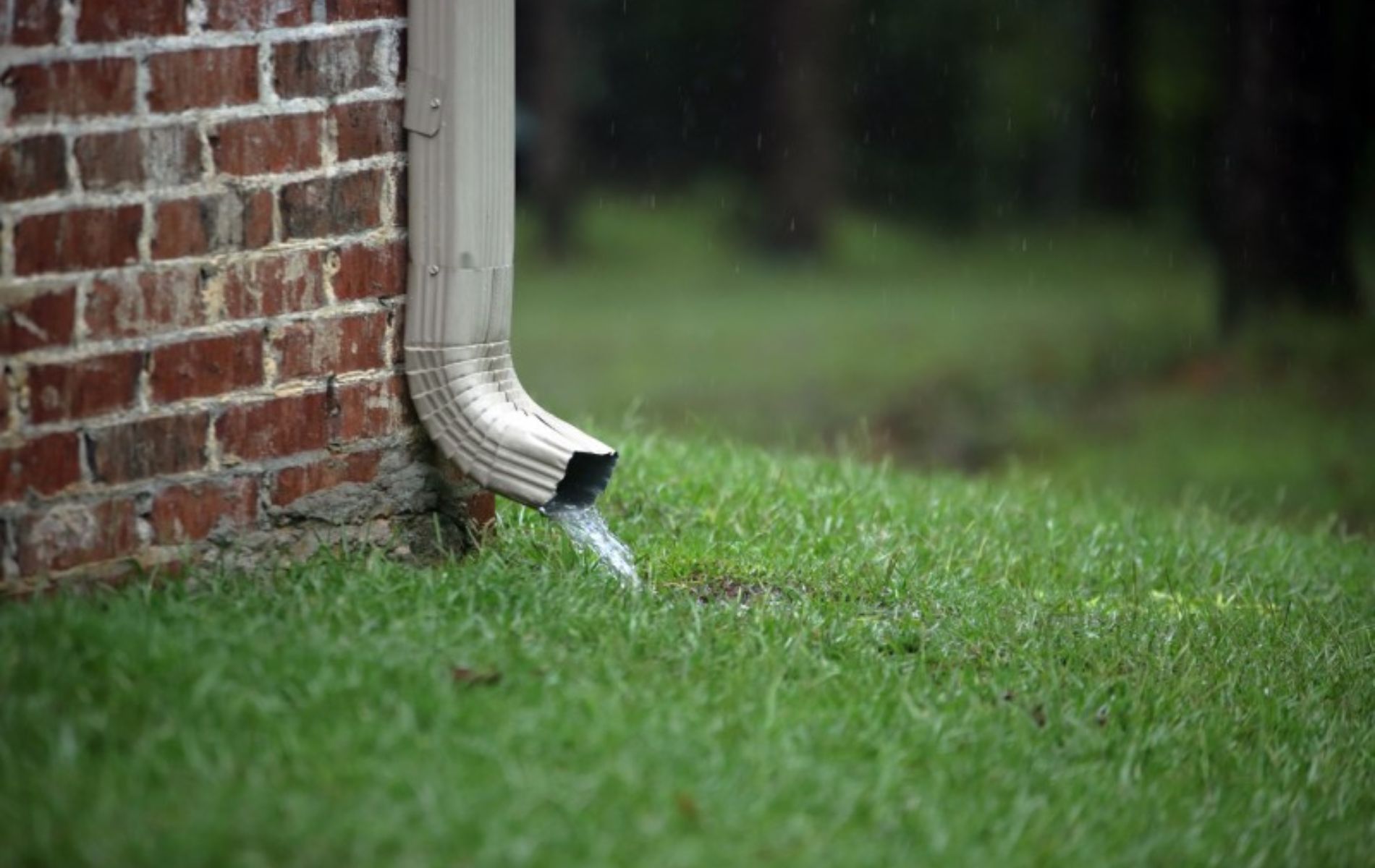
Whether you own a house in the Bronx, Queens, Brooklyn, or Westchester County, foundation water intrusion can become a recurring problem, particularly during periods of heavy rainfall, snowmelt, and changing weather conditions.
But how do you stop water from penetrating your home’s foundation?
The most effective approach is to identify where the water is coming from and correct the underlying problem. This may involve improving exterior drainage, repairing gutters and downspouts, adjusting the ground slope, sealing foundation cracks, or installing a professionally designed waterproofing and drainage system.
In many cases, preventing water from collecting around the foundation is the first and most cost-effective step.
At RH Renovation, we understand how important proper exterior water management is to protecting residential and commercial properties. This guide explains the common causes of foundation water intrusion, practical ways to prevent it, and when professional assistance is necessary.
Why Is Water Penetrating Your Home’s Foundation?
Before choosing a waterproofing solution, it is important to understand how water reaches the foundation.
Water can enter through concrete cracks, masonry joints, basement windows, the connection between the foundation wall and floor, or areas where exterior drainage is inadequate.
The most common causes include the following.
1. Poor Soil Grading Around the House
The ground surrounding your property should direct rainwater away from the foundation. However, soil can settle over time, landscaping changes can alter drainage patterns, and improperly installed patios or walkways may direct water toward the building.
When the ground slopes toward the house, rainwater accumulates near foundation walls instead of draining away.
Over time, repeated exposure to moisture can increase the likelihood of water entering through cracks, joints, and other vulnerable areas.
What to look for:
- Water pooling near exterior foundation walls.
- Soil that slopes toward the building.
- Wet basement walls after heavy rainfall.
- Water collecting near patios, driveways, or basement entrances.
Correcting the grading and providing a suitable drainage path can significantly reduce the amount of water reaching the foundation.
2. Clogged or Damaged Gutters and Downspouts
Your gutter system plays an important role in protecting your foundation.
During rainfall, gutters collect water from the roof and direct it through downspouts. If gutters become clogged with leaves, dirt, or debris, water can overflow and fall directly beside the foundation.
Disconnected, damaged, or improperly positioned downspouts can create the same problem.
Instead of dispersing rainwater safely, the system concentrates large amounts of water in a small area around the building.
What to look for:
- Water overflowing from gutters during rain.
- Downspouts discharging directly beside foundation walls.
- Leaking gutter joints and loose connections.
- Erosion or muddy areas beneath downspouts.
- Water stains on exterior walls.
Cleaning, repairing, and properly positioning gutters and downspouts can help prevent unnecessary water accumulation around your home.
3. Cracks in Concrete or Masonry Foundation Walls
Concrete and masonry foundations can develop cracks because of material shrinkage, settlement, temperature changes, soil movement, or structural stress.
Not every foundation crack indicates a serious structural problem. However, cracks that allow water to enter should be investigated.
Water may travel through small openings and become visible as damp patches, seepage, or active leaks inside the basement.
Horizontal cracks, widening cracks, displaced wall sections, or cracks accompanied by bowing require prompt professional assessment because they may indicate structural movement.
4. Hydrostatic Pressure from Groundwater
Hydrostatic pressure occurs when water accumulates in the soil surrounding a below-grade foundation.
As saturated soil holds water against basement walls and beneath the foundation, pressure can force moisture through cracks, joints, and other weak points.
This problem is particularly relevant when properties experience poor subsurface drainage, elevated groundwater, or prolonged periods of heavy rainfall.
Simply painting the inside of a basement wall with waterproof coating may not solve the underlying problem if water pressure continues to build outside.
The solution may require a properly designed exterior or interior drainage system, depending on the building and site conditions.
5. Poor Foundation Drainage
Foundation drainage systems help collect and redirect groundwater away from the building.
When these systems are missing, damaged, improperly installed, or blocked, water may accumulate around the foundation.
Older properties may also have drainage systems that have deteriorated over time.
If your basement experiences recurring water intrusion despite functioning gutters and appropriate surface grading, the underlying issue may involve subsurface drainage.
8 Effective Ways to Stop Water from Penetrating Your Home’s Foundation
The right solution depends on the source of water intrusion, the foundation construction, and the surrounding property conditions.
Here are eight practical approaches to help protect your home.
1. Improve the Ground Slope Around Your Foundation
Correct exterior grading is one of the first things to address when investigating foundation water problems.
The ground should slope away from the building so rainwater flows toward an appropriate drainage area rather than collecting beside foundation walls.
A commonly used building-science recommendation is a slope of approximately 5% away from the foundation over the first 10 feet, where site conditions allow.
This is equivalent to approximately 6 inches of fall over 10 feet.
However, closely spaced buildings, property boundaries, driveways, and other site restrictions may prevent this arrangement. In those situations, properly designed drains or swales may be needed.
When correcting grading, make sure soil and landscaping do not cover siding, obstruct drainage openings, or create other moisture problems.
2. Clean and Repair Your Gutter System
Functional gutters are essential for controlling roof runoff.
Inspect your gutters regularly and remove leaves, branches, dirt, and other debris that may block water flow.
Also check for:
- Loose or sagging gutter sections.
- Cracked joints and leaking seams.
- Incorrect gutter slopes.
- Damaged downspout connections.
- Water overflowing during rainfall.
If your gutters are damaged or no longer functioning properly, professional gutter repair or replacement may be necessary.
Keeping gutters in good condition reduces the amount of uncontrolled rainwater reaching the soil around your foundation.
3. Extend Downspouts Away from the Foundation
Even clean gutters cannot protect your foundation if downspouts discharge water directly beside the house.
Downspouts should carry collected rainwater to a suitable discharge point away from the building.
A commonly recommended starting point is to discharge water at least 5 feet away from the foundation, where permitted and appropriate. Actual requirements depend on local regulations, soil conditions, property layout, and drainage design.
Possible solutions include:
- Installing downspout extensions.
- Connecting downspouts to suitable underground drainage.
- Directing water toward an approved drainage area.
- Installing an appropriate rainwater collection or discharge system.
Avoid directing water toward neighboring properties, sidewalks, or areas where it can create additional drainage problems.
4. Seal Foundation Cracks and Repair Damaged Areas
If water is entering through a localized foundation crack, appropriate crack repair may help stop the leak.
However, the repair method should depend on the crack’s size, location, movement, and cause.
For example, certain non-structural cracks in concrete foundation walls may be suitable for professional polyurethane or epoxy injection.
Polyurethane injection is commonly used to seal water-bearing cracks because the material can expand within the opening. Epoxy injection is generally selected for suitable structural crack repairs where bonding is required.
These methods are not interchangeable.
If a crack is widening, horizontal, displaced, or associated with bowing walls, have a qualified foundation or structural professional evaluate it before sealing.
Also inspect basement window frames, utility penetrations, masonry joints, and other openings where water may enter.
5. Consider Exterior Foundation Waterproofing
Exterior waterproofing helps prevent water from reaching the foundation wall.
Depending on the building and site conditions, a professional waterproofing project may involve excavation, surface preparation, crack repairs, waterproofing membranes, protection or drainage boards, and perimeter drainage.
The objective is to create a continuous system that manages water before it reaches the interior.
Exterior waterproofing can be particularly useful when water pressure and recurring moisture problems originate in the soil outside the foundation.
Because excavation can affect buried utilities, nearby structures, landscaping, and foundation stability, this work should be planned and performed by qualified professionals.
6. Install or Repair a French Drain or Perimeter Drainage System
A French drain is designed to collect and redirect water through a gravel-filled trench containing a perforated drainage pipe.
A properly designed foundation drainage system can help relieve water accumulation around below-grade walls.
Depending on the property, drainage solutions may include:
- Exterior footing drains.
- Perimeter drainage pipes.
- Gravel and filter fabric.
- Drainage boards.
- Interior perimeter drainage channels.
- Suitable discharge points or sump systems.
The system must have a reliable destination for collected water. Installing a drain without considering its outlet, slope, capacity, and maintenance requirements may simply relocate the problem.
For properties with persistent groundwater intrusion, a drainage professional should determine whether exterior or interior drainage is the more suitable solution.
7. Install a Sump Pump When Necessary
A sump pump helps remove collected groundwater from a designated sump basin before it rises to a level that could cause basement flooding.
It is often used alongside an interior drainage system or as part of a broader basement water-management plan.
A properly designed system should consider:
- The expected volume of incoming water.
- Sump basin capacity.
- Pump performance.
- Discharge location.
- Check valves and plumbing connections.
- Backup power or battery options.
A sump pump does not repair foundation cracks or stop water from entering the soil around the building. It manages collected water and must be combined with appropriate drainage measures.
8. Protect Basement Windows and Window Wells
Basement windows and window wells can become vulnerable entry points during heavy rainfall.
If window wells fill with water because of blocked drains, poor grading, or inadequate drainage, moisture may enter through window frames and surrounding joints.
To reduce the risk:
- Keep window wells free from leaves and debris.
- Install suitable window well covers.
- Inspect window seals and exterior caulking.
- Check whether window well drains are functioning.
- Ensure surrounding ground directs water away from the opening.
If water repeatedly accumulates in a window well, investigate its drainage system rather than relying only on a cover.
How to Identify Where Foundation Water Is Coming From
One of the biggest mistakes homeowners make is treating the visible water without identifying its source.
For example, a damp basement wall may result from roof runoff, a leaking plumbing pipe, groundwater pressure, or condensation.
Understanding the difference helps prevent unnecessary repairs.
Use these observations as a starting point:
| What You Notice | Possible Cause |
|---|---|
| Water appears during or immediately after rainfall | Surface drainage or exterior water entry |
| Basement leaks beneath a downspout | Poor downspout discharge |
| Damp walls near the ground level | Foundation seepage or poor exterior drainage |
| Water enters through visible cracks | Foundation crack or joint leakage |
| Water appears at the wall-floor joint | Groundwater pressure or inadequate drainage |
| Condensation appears on cool basement surfaces | Indoor humidity or temperature differences |
| Water enters through a basement window | Window well drainage or damaged seals |
These observations can help narrow down the source, but they do not replace a professional inspection.
If moisture appears even during dry weather, investigate plumbing leaks, condensation, and other interior moisture sources before assuming the foundation is responsible.
When Should You Call a Professional?
Some foundation water problems can be addressed through routine exterior maintenance. Others require specialized waterproofing, drainage, or structural repairs.
Consider professional assistance when:
- Water repeatedly enters your basement after rainfall.
- Foundation cracks continue to widen.
- Basement walls show signs of bowing or displacement.
- Water appears around the foundation-floor connection.
- You notice persistent dampness or musty odors.
- Previous waterproofing repairs have failed.
- Your drainage system cannot manage recurring groundwater.
If you see significant structural movement, active flooding near electrical equipment, or rapidly worsening water intrusion, treat the situation as urgent and seek appropriate professional assistance.
An experienced contractor can help identify whether the issue relates to gutters, roof drainage, exterior water management, or a problem requiring a dedicated foundation waterproofing specialist.
How RH Renovation Helps Protect Your Property from Water Damage
Your roof, gutters, downspouts, siding, and exterior drainage all contribute to managing rainwater around your property.
When these components are damaged or poorly maintained, water can reach areas where it may eventually affect the foundation.
At RH Renovation, we provide exterior renovation and roofing services for residential and commercial properties throughout the Bronx, Queens, Brooklyn, and Westchester County.
Our services include roofing, gutter installation and repair, siding, chimney work, and skylight services.
When investigating exterior water-management concerns, our team can help identify visible issues involving roof drainage, damaged gutters, downspouts, and other exterior components within our service scope.
For problems involving structural foundation cracks, subsurface drainage, or below-grade waterproofing, we recommend an appropriately qualified foundation or waterproofing specialist.
Our goal is to help property owners understand their exterior renovation needs and make informed decisions about protecting their buildings.
Experiencing water-related exterior problems?
Contact RH Renovation to discuss your property’s roofing and gutter needs.
Call: (646) 818-4305
Protecting your property starts with identifying where water enters and making sure the exterior systems designed to control it are working properly.
Frequently Asked Questions About Foundation Water Intrusion
1. What is the best way to stop water from entering a foundation?
The best solution is to identify and correct the source of water. Start by checking gutters, downspouts, exterior grading, and surface drainage. If water continues to enter through foundation walls, cracks, or below-grade areas, professional waterproofing or drainage repairs may be necessary.
2. Can gutters and downspouts prevent foundation leaks?
Yes. Properly functioning gutters and downspouts help collect roof runoff and carry it away from the building. This reduces the amount of water accumulating in the soil around foundation walls. However, gutters alone cannot resolve groundwater pressure or existing structural foundation problems.
3. Does sealing foundation cracks stop water leaks?
Sealing an appropriate non-structural foundation crack can stop water from entering through that particular opening. However, the repair must address the cause and condition of the crack. Cracks associated with structural movement require professional evaluation.
4. Why does my basement leak only when it rains?
Rainwater may be collecting around your foundation because of poor grading, clogged gutters, short downspouts, or inadequate drainage. Heavy rainfall can also increase groundwater pressure around below-grade walls, forcing water through existing cracks and joints.
5. Is interior or exterior foundation waterproofing better?
Exterior waterproofing helps prevent water from reaching foundation walls, while interior systems generally collect and redirect water that has already entered the foundation assembly. The appropriate option depends on the source of water, site conditions, accessibility, and the building’s construction.
6. Can landscaping cause foundation water problems?
Yes. Improper landscaping, raised garden beds, incorrectly positioned irrigation systems, and soil that slopes toward the building can direct water toward foundation walls. Landscaping should support proper drainage rather than trap moisture beside the property.
7. How often should I inspect my home’s exterior drainage system?
Inspect gutters and downspouts at least twice a year, particularly during spring and fall. Additional checks are useful after severe storms or when you notice overflowing gutters, standing water, or moisture around the foundation.
8. Does a dehumidifier fix foundation water intrusion?
No. A dehumidifier can reduce indoor humidity and help manage condensation, but it does not stop liquid water from entering through foundation walls or floors. The actual source of water must be identified and corrected.
If you’re experiencing persistent water penetration issues or are unsure about the best preventative measures for your home, it’s wise to consult with professionals. Call us at RH Renovation NYC to speak with waterproofing experts, foundation repair specialists, and landscape professionals that can assess your situation and recommend tailored solutions based on your home’s specific needs.