Seamless Pathways: Professional Concrete Sidewalk Installation
A well-installed concrete sidewalk does more than create a convenient path to your property. It provides a stable walking surface, improves accessibility, supports proper drainage, and contributes to the overall appearance and safety of your home or commercial building. However, a sidewalk that looks smooth on installation day may develop cracks, uneven sections, or drainage problems if the ground preparation, concrete placement, and finishing are not handled correctly.
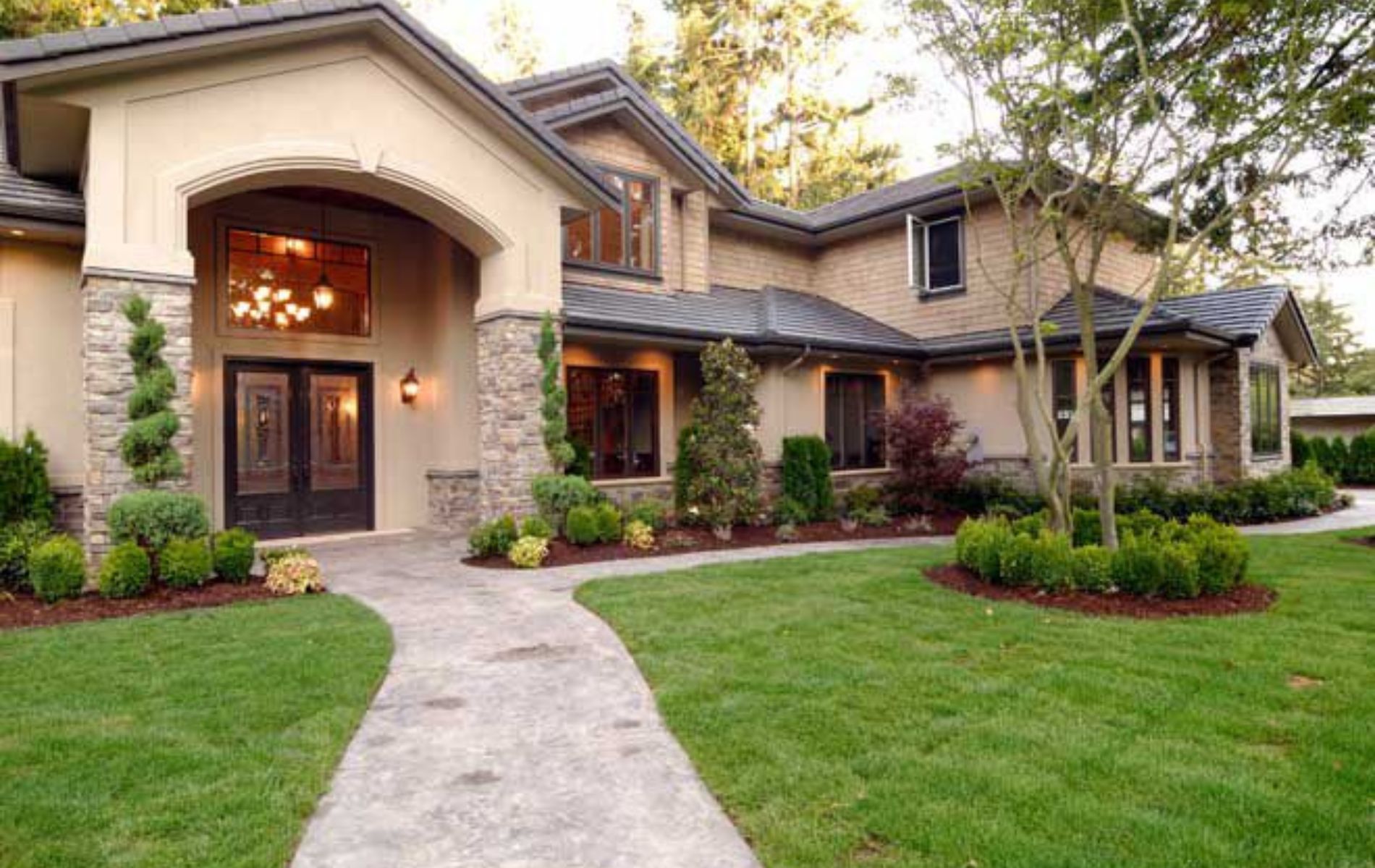
Professional concrete sidewalk installation starts with proper site assessment and preparation. The contractor must evaluate the existing ground, determine the appropriate sidewalk layout and slope, prepare a stable base, place and finish the concrete, and allow sufficient time for curing. Each stage affects how well the finished walkway performs over time.
For New York City property owners, there is another important consideration: sidewalks adjoining private properties are generally the responsibility of the property owner. Installation and repair work must follow applicable NYC Department of Transportation (DOT) requirements, including permit and inspection procedures where required.
This guide explains how concrete sidewalk installation works, what affects its quality, which problems to watch for, and what to consider before hiring a contractor.
Why Professional Concrete Sidewalk Installation Matters
Concrete is widely used for sidewalks because it provides a durable, relatively low-maintenance surface when properly designed and installed. It can accommodate everyday pedestrian traffic, complement different property styles, and create a consistent route between a sidewalk, driveway, entrance, or outdoor area.
However, concrete is not maintenance-free or immune to damage. Poor installation can lead to problems that become expensive to correct.
Professional installation helps address several important considerations:
- Stable support: Proper excavation and base preparation help reduce movement and uneven settling.
- Water management: Appropriate grading helps prevent water from collecting on the walkway or directing moisture toward the building.
- Crack management: Correctly positioned control joints provide planned locations for shrinkage-related cracking.
- Pedestrian safety: A properly finished surface helps reduce trip hazards and provides suitable traction.
- Consistent appearance: Accurate forming, placement, and finishing create a more uniform walkway.
- Compliance: Work in the public right-of-way must account for applicable local sidewalk standards and permit requirements.
The quality of a concrete sidewalk depends on the complete installation process, not simply the concrete mix used.
Signs Your Existing Concrete Sidewalk Needs Attention
Not every small surface crack means a sidewalk needs complete replacement. Some conditions can be addressed through localized repairs, while others indicate deeper problems with the base, drainage, or concrete itself.
Knowing what to look for can help you decide when to arrange an inspection.
1. Cracked or Broken Concrete
Small cracks may develop as concrete naturally shrinks during curing or experiences temperature changes. However, wide, spreading, or interconnected cracks can indicate movement, inadequate support, water-related damage, or other underlying problems.
If pieces of concrete are separating or breaking away, the affected section may need replacement rather than a superficial patch.
2. Uneven or Raised Sidewalk Sections
One sidewalk panel sitting higher than the next can create a trip hazard. Uneven sections may result from soil settlement, tree-root growth, water erosion, or changes in the supporting base.
Simply filling the gap between two panels does not necessarily correct the underlying issue. The cause of the movement should be assessed before deciding on a repair.
3. Standing Water After Rain
Water that remains on a sidewalk after rainfall may indicate inadequate grading, settlement, or an obstruction affecting drainage.
Persistent standing water can make the surface slippery and contribute to deterioration during freezing weather. A professional assessment should consider the sidewalk’s slope and where runoff travels.
4. Surface Scaling and Spalling
Scaling occurs when the concrete surface begins to flake or peel. Spalling involves more localized breaking or chipping of the concrete.
These conditions may be associated with moisture penetration, freeze-thaw exposure, unsuitable finishing practices, or the use of de-icing products. The appropriate repair depends on how deeply the damage extends.
5. Loose, Missing, or Undermined Sections
A sidewalk panel may become unstable when soil beneath it washes away or loses support. Gaps below the concrete, loose sections, or missing material should not be ignored.
NYC DOT identifies loose, cracked, uneven, missing, and undermined sidewalk sections, as well as improper slopes that create drainage issues, as conditions that may result in sidewalk violations.
The Professional Concrete Sidewalk Installation Process
A dependable installation follows an organized sequence. The exact scope varies according to the property, existing ground conditions, sidewalk dimensions, and applicable local requirements.
Step 1: Site Inspection and Project Planning
The first stage is evaluating the area where the sidewalk will be installed or replaced.
A contractor should consider:
- The length, width, and intended route of the walkway.
- Existing concrete and surrounding pavement conditions.
- Soil stability and visible signs of settlement.
- Nearby foundations, steps, driveways, and retaining structures.
- Trees, roots, utility covers, and drainage features.
- Pedestrian access and any temporary access requirements.
- Applicable local specifications and permit requirements.
For a replacement project, the inspection should also identify why the previous sidewalk failed. Replacing concrete without addressing an underlying drainage or soil problem may allow similar damage to develop again.
Step 2: Excavation and Removal
Where an existing sidewalk must be replaced, damaged concrete is removed carefully. The contractor then excavates the area to accommodate the planned base and concrete thickness.
The excavation depth depends on the design, ground conditions, expected use, and local requirements. A pedestrian walkway and a section exposed to vehicle loading may require different specifications.
During removal, the contractor should take care around nearby structures, utilities, tree roots, and other features that could be affected by excavation.
Step 3: Subgrade Preparation and Base Installation
The subgrade is the soil directly supporting the sidewalk system. It must provide a reasonably uniform and stable foundation.
Loose or unsuitable material may need to be removed, and the remaining soil should be prepared and compacted according to the project specifications.
A suitable granular base may be installed to provide more consistent support and help manage minor variations in the underlying ground. Its material and thickness should be selected according to the site conditions and design requirements.
This stage is particularly important because concrete can crack or settle when its support is inconsistent.
Step 4: Setting Forms and Establishing the Slope
Forms define the sidewalk’s shape, width, edges, and elevation while the concrete is placed.
The contractor must establish the intended finished height and slope before pouring. The walkway should direct water appropriately without creating uncomfortable or unsafe walking conditions.
Where a sidewalk connects to a driveway, entrance, curb, or existing pavement, the transitions need careful attention. A poorly planned connection can create abrupt level changes or interfere with drainage.
Public sidewalks also have accessibility and design requirements that may affect the permitted slope, cross-slope, and layout. These details should be checked against the applicable NYC DOT standards rather than decided solely on appearance.
Step 5: Concrete Placement
Once the base and forms are ready, the concrete can be placed.
The concrete mix should be appropriate for the intended application and expected environmental exposure. The contractor should also consider delivery timing, weather conditions, access to the site, and the amount of concrete required.
During placement, the material needs to be distributed consistently and consolidated as appropriate. Poor placement can create voids, inconsistent thickness, or weak areas.
The contractor should avoid allowing the concrete to dry too quickly or placing it on unsuitable, frozen, or poorly prepared ground.
Step 6: Leveling and Surface Finishing
After placement, the concrete is struck off and leveled to the required profile. The surface is then finished to achieve the intended appearance and texture.
For a pedestrian sidewalk, a broom finish is commonly used to create texture that helps provide traction. The final finish should be consistent without excessive surface manipulation.
The contractor must also ensure that the finished elevation works with adjacent pavement and that water can drain as intended.
Step 7: Control Joints and Isolation Joints
Concrete naturally changes volume as it hardens and experiences temperature and moisture changes. Joints help manage this movement.
Control joints create planned locations where shrinkage-related cracking can occur. Their spacing and depth should be appropriate for the slab dimensions and project specifications.
Isolation joints separate the sidewalk from fixed structures where independent movement is needed. They may be used near buildings, poles, or other permanent features.
Joints do not eliminate all cracking. Instead, they help manage where cracks are more likely to develop and reduce the risk of uncontrolled cracking.
Step 8: Curing and Protection
Curing is an essential part of concrete installation. Fresh concrete needs appropriate moisture and temperature conditions while it develops strength.
Depending on the project and weather, curing may involve a suitable curing compound, protective covering, or another specified method.
The surface should also be protected from premature foot traffic, vehicles, freezing temperatures, excessive heat, and other conditions that could damage the new concrete.
Concrete may become firm enough to walk on before it reaches its intended strength. The contractor should provide project-specific guidance on when the sidewalk can safely be used.
What Makes a Concrete Sidewalk Last Longer?
The longevity of a sidewalk depends on several factors working together. Choosing concrete alone does not guarantee a successful result.
Proper Ground Support
An unstable or poorly compacted base can contribute to settlement and cracking. Proper subgrade preparation and suitable base materials help provide more consistent support.
Appropriate Drainage
Water should not collect on the sidewalk or flow toward vulnerable building areas. Correct grading and suitable transitions help manage runoff.
Correct Joint Placement
Well-planned control and isolation joints help accommodate concrete movement. Their layout should suit the dimensions and design of the walkway.
Suitable Concrete and Finishing
The mix, placement, and surface texture should be appropriate for the intended use and local environmental conditions.
Weather-Aware Installation
Temperature, wind, precipitation, and seasonal conditions can affect placement and curing. Installation procedures should be adjusted when weather creates a risk to the finished surface.
Responsible Maintenance
Keep the walkway clear of debris, monitor developing cracks, and address drainage problems. Use de-icing products carefully and follow the recommendations provided for the concrete and any applied sealer.
Common Concrete Sidewalk Installation Mistakes to Avoid
Some sidewalk failures can be traced to shortcuts during preparation or finishing.
Pouring over an unsuitable base: Concrete placed on loose, unstable, or poorly prepared soil may settle or crack.
Ignoring drainage: An attractive surface can still create problems if its slope directs water toward the building or leaves standing water.
Incorrect joint layout: Missing, poorly spaced, or improperly constructed joints can increase the risk of random cracking.
Overworking the surface: Excessive finishing or adding water to the surface can affect the quality of the concrete’s top layer.
Insufficient curing: Allowing fresh concrete to dry too quickly or become exposed to damaging temperatures can affect strength and surface durability.
Opening the walkway too soon: Early foot or vehicle traffic can damage concrete before it has developed sufficient strength.
Ignoring local requirements: Sidewalk work in New York City may require permits, approved construction details, and inspections. Failing to address these requirements can delay completion or create compliance problems.
NYC Sidewalk Installation Requirements: What Property Owners Should Know
New York City has specific rules governing sidewalks next to private properties.
Under NYC Administrative Code Section 19-152, property owners are generally responsible for installing, maintaining, repaving, and repairing sidewalks adjoining their properties. This responsibility includes applicable corner areas.
NYC DOT also requires sidewalk construction permits for new installations and many repair or replacement projects. Permit requirements can depend on the scope and circumstances of the work, so owners should confirm the applicable rules before construction begins.
If a property owner receives a Notice of Sidewalk Violation, the notice generally provides a 75-day period to begin the required repair work. If the work is not started within that period, NYC DOT may arrange the repairs and bill the property owner under the applicable process.
After privately completed repairs, a dismissal inspection may be necessary to have the violation removed from the record.
Before starting a project, property owners should:
- Review any sidewalk violation notice and the marked repair areas.
- Confirm which sidewalk sections must be installed or replaced.
- Check applicable NYC DOT construction standards.
- Confirm permit requirements and who will obtain the permit.
- Use an appropriately licensed contractor.
- Arrange any required inspection after completion.
For current information, consult the official NYC DOT Sidewalks guidance and NYC 311 Sidewalk Construction Permit information.
How Much Does Concrete Sidewalk Installation Cost?
The cost of installing a concrete sidewalk depends on the property’s layout, the amount of concrete required, site access, preparation work, and local requirements. There is no reliable single price that applies to every project.
A contractor may consider the following factors when preparing an estimate:
- Sidewalk dimensions: The total length, width, and area affect material and labor requirements.
- Existing concrete removal: Breaking up, hauling, and disposing of old concrete adds to the project scope.
- Ground conditions: Soft soil, undermining, roots, or additional excavation may require more preparation.
- Base materials: The type and amount of granular base material affect the work.
- Concrete specifications: Mix requirements, thickness, reinforcement where specified, and finish can influence material costs.
- Site accessibility: Restricted access, narrow entrances, and difficult delivery conditions can affect labor and equipment requirements.
- Drainage and transitions: Adjustments near driveways, curbs, steps, or drainage features may add work.
- Permits and inspections: Required applications, permit-related work, and inspection procedures should be considered.
- Special finishes: Decorative patterns, colors, or other design features may affect the overall estimate.
A useful written estimate should explain the work included, the sections being replaced or installed, preparation requirements, materials, finishing, cleanup, and any permit responsibilities.
If two estimates differ significantly, compare their scope rather than looking only at the final price. One proposal may include excavation and base preparation, while another may cover only the concrete placement.
How to Choose a Concrete Sidewalk Contractor
Choosing a contractor involves more than comparing prices. The company should understand the technical requirements of sidewalk construction and the local rules governing work in the public right-of-way.
Before hiring, consider these questions:
Does the contractor understand NYC sidewalk requirements? Ask about relevant DOT specifications, permits, and inspection procedures.
Will the existing ground be assessed? The contractor should explain how the subgrade and base will be prepared.
How will drainage be handled? Ask how the proposed slope and transitions will direct water.
What concrete and finish are included? The estimate should identify the proposed materials and surface finish.
How will the work be protected during curing? Ask when pedestrian access can safely resume and whether weather protection is required.
Is the estimate detailed? A written proposal should explain the scope, materials, preparation, cleanup, and any exclusions.
Can the contractor provide relevant credentials? Verify the appropriate license and insurance for the work being performed. In New York City, property owners can use the Department of Consumer and Worker Protection’s contractor resources to check licensing information.
A professional contractor should be able to explain the project clearly and identify issues that could affect the installation before work begins.
Professional Sidewalk Installation and Exterior Property Improvements
A sidewalk is one part of a property’s exterior. Its condition can affect how people approach the building, how water moves around the site, and how the surrounding entrance looks.
When planning exterior improvements, it can be useful to assess nearby features such as roof drainage, gutters, downspouts, steps, and paved areas. For example, a downspout discharging water onto a walkway may contribute to recurring moisture or icing problems.
RH Renovation works on exterior property improvements, including roofing, gutters, chimney, siding, skylight, and flat roof services in the Bronx, Westchester, Queens, and Brooklyn. Property owners considering a broader exterior project can contact the company to discuss the services it currently provides and whether their needs fall within its scope.
BUSINESS INFORMATION REQUIRED: Confirm that RH Renovation currently offers concrete sidewalk installation, sidewalk replacement, or sidewalk repair before publishing a direct claim that the company provides these services.
Frequently Asked Questions About Concrete Sidewalk Installation
How long does concrete sidewalk installation take?
The schedule depends on the sidewalk’s size, excavation requirements, access, weather, and any permit or inspection requirements. Concrete placement may be completed in a relatively short period, but preparation and curing also need to be included in the project timeline.
How thick should a concrete sidewalk be?
The required thickness depends on the sidewalk’s intended use, design specifications, ground conditions, and applicable local standards. Areas exposed to vehicle loads may require different specifications from pedestrian-only sections. A contractor should confirm the appropriate design before installation.
Does a new concrete sidewalk need a base?
A properly prepared supporting surface is essential. Depending on the soil and project specifications, a compacted granular base may be used to provide more uniform support and reduce the effects of minor ground variations.
Why do concrete sidewalks crack?
Concrete naturally shrinks as it cures and expands or contracts with temperature changes. Ground movement, inadequate support, poor drainage, unsuitable installation conditions, and insufficient jointing can also contribute to cracking.
How soon can I walk on a newly poured sidewalk?
The waiting period depends on the concrete mix, weather, curing method, and project conditions. Do not assume that concrete is ready for use simply because its surface feels firm. Follow the contractor’s instructions.
Do I need a permit to install or replace a sidewalk in NYC?
NYC DOT requires sidewalk construction permits for new sidewalk installations and many repair or replacement projects. Limited exceptions may apply depending on the work’s size and circumstances. Confirm the current requirements before beginning construction.
Who is responsible for sidewalk repairs in New York City?
Property owners are generally responsible for installing, maintaining, and repairing sidewalks adjoining their properties. Specific circumstances and exceptions may apply, including certain conditions involving City tree damage.
Can an uneven sidewalk be repaired without replacing the entire walkway?
Sometimes. If the problem is limited to a small section, localized replacement may be possible. However, if the underlying base has failed, the sidewalk has extensive damage, or multiple sections are uneven, a broader replacement may be more appropriate.
Plan Your Concrete Sidewalk Project Carefully
A safe, attractive concrete sidewalk begins with proper planning and continues through careful excavation, base preparation, grading, concrete placement, jointing, finishing, and curing. Each stage contributes to the finished walkway’s performance.
For New York City property owners, understanding local sidewalk responsibilities and permit requirements is equally important. Reviewing the existing conditions and obtaining a clear written scope before work begins can help prevent avoidable problems.
If you are planning an exterior improvement project in the Bronx, Westchester, Queens, or Brooklyn, contact RH Renovation to discuss the exterior services currently available and arrange a consultation.
At RH Renovation NYC we believe that professional concrete walkway installation is an investment in your property’s functionality, safety, and aesthetics. With the right mix of quality, customization, and professional expertise, a concrete sidewalk is more than just a path—it’s a seamless addition that enhances the overall appeal and value of your property.