Skylight Maintenance Tips: Keeping Your Home Bright and Beautiful All Year Round
Skylights are relatively low-maintenance, but they should not be treated as maintenance-free. Regular cleaning, visual inspections, drainage checks, and attention to condensation or water stains can help you identify problems before they become larger roofing or interior-water-damage issues.
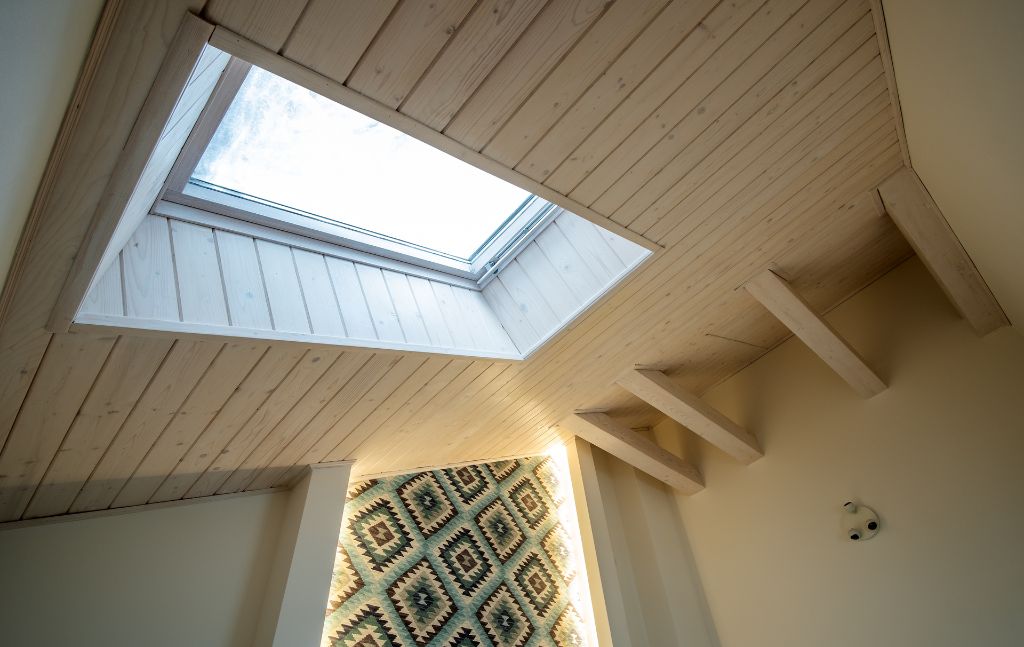
For most homeowners, a sensible skylight maintenance routine includes:
- Cleaning accessible glass and frames with manufacturer-approved products.
- Removing leaves and debris around the skylight and roof drainage areas.
- Checking the ceiling and light shaft for stains, discoloration, bubbling paint, or dampness.
- Looking for cracked glass, damaged acrylic, deteriorated seals, or fogging between panes.
- Checking whether an operable skylight opens, closes, and locks correctly.
- Watching for condensation and controlling excessive indoor humidity.
- Having the skylight and surrounding roof inspected professionally when there are signs of leakage, damage, or deterioration.
The important point is that a skylight is not just a pane of glass. It is part of the roof system. The glazing, frame, seals, curb or deck connection, flashing, surrounding roofing, and drainage all have to work together to keep water outside.
That is why a homeowner cleaning the glass is only one part of proper skylight maintenance.
Why Regular Skylight Maintenance Matters
A skylight performs two important jobs: it admits daylight and forms part of the building envelope.
Natural daylight can make darker rooms feel larger and brighter, while properly selected and installed skylights can contribute to daylighting and ventilation. At the same time, skylights can affect heat gain, heat loss, air leakage, and indoor comfort. The U.S. Department of Energy identifies U-factor and solar heat gain coefficient (SHGC) as important performance characteristics for windows and skylights.
Maintenance therefore isn’t simply about keeping the glass looking clean.
It can help you identify:
- Water intrusion around the frame or shaft
- Failed or deteriorated seals
- Cracked or damaged glazing
- Blocked drainage paths
- Condensation caused by indoor humidity
- Damaged flashing
- Deteriorated surrounding roofing
- Problems with opening or closing mechanisms
- Drafts or unwanted air movement
Early identification is especially useful because a stain on the ceiling may be the visible symptom of a problem that started somewhere above it.
How Often Should You Clean and Inspect a Skylight?
There is no single cleaning schedule that is appropriate for every skylight.
A skylight under mature trees, exposed to heavy pollen, or located in an area where roof debris accumulates may require more frequent cleaning than one with little surrounding vegetation.
A practical homeowner schedule is:
| Maintenance task | Suggested approach |
|---|---|
| Interior visual check | Every few months |
| Glass/frame cleaning | Around twice a year or as needed |
| After major storms | Visual check from a safe location |
| Drainage/debris check | During routine roof maintenance |
| Professional inspection | Periodically and whenever warning signs appear |
| Moving hardware | Follow the manufacturer’s instructions |
Spring and fall are useful times to make maintenance part of a broader roof and exterior inspection routine. However, do not wait for a scheduled inspection if you notice water, cracking, fogging, or other signs of failure.
The exact maintenance requirements should always follow the skylight manufacturer’s instructions.
How to Clean a Skylight Without Damaging It
Cleaning sounds simple, but using the wrong product or tool can damage skylight glazing.
For glass skylights, a mild soap-and-water solution or a manufacturer-approved glass cleaner and a soft, non-abrasive cloth are generally appropriate. FGIA specifically advises against abrasive materials, harsh solvents, razor blades, steel wool, and high-pressure washing for windows, doors, and skylights.
Step 1: Start from the safest position
If the skylight can be cleaned from inside without climbing onto the roof, that is generally preferable.
Use an appropriate long-handled cleaning tool where practical rather than placing yourself in an unsafe position.
Never assume that a skylight can support a person’s weight.
Step 2: Remove loose dust first
Dust and loose debris should be removed before wet cleaning.
A soft brush or appropriate vacuum attachment can help remove loose material around accessible interior surfaces and frames.
Step 3: Use a mild cleaning solution
Use the cleaning method specified by the manufacturer.
Avoid experimenting with strong chemicals, solvents, abrasive pads, scrapers, or blades.
Step 4: Clean gently
Use a soft cloth or other manufacturer-approved material.
Do not aggressively scrub the glazing to remove stubborn deposits. If something will not come off with an appropriate cleaning method, it may require professional assessment rather than increasingly aggressive chemicals.
Step 5: Rinse and dry
Remove cleaning residue with clean water where appropriate and dry the surface gently.
Cleaning in direct sunlight can also increase streaking because the surface dries quickly.
What About Acrylic or Polycarbonate Skylights?
Plastic glazing requires additional care.
Acrylic and polycarbonate can scratch or react adversely to certain chemicals. Cleaning instructions vary by product, so the manufacturer’s recommendations should take priority.
FGIA advises following the manufacturer’s instructions and avoiding abrasive materials and unsuitable solvents on plastic glazing.
Never assume that a cleaner suitable for ordinary glass is automatically suitable for plastic skylight glazing.
Never Pressure-Wash a Skylight
Pressure washing may seem like a quick way to remove dirt, but it can create unnecessary risk.
High-pressure water can damage seals, gaskets, finishes, or frame components and can potentially force water where it does not belong.
A skylight should be cleaned using a controlled, manufacturer-appropriate method.
The same principle applies to the surrounding roof: aggressive cleaning is not a substitute for proper inspection.
Inspect the Skylight From Inside First
One of the most useful maintenance habits is also one of the simplest: look at the area around the skylight from inside your home.
You do not need to climb onto the roof to notice many early warning signs.
Look for:
- Brown or yellow ceiling stains
- Fresh water marks
- Bubbling or peeling paint
- Damp drywall
- Mold or mildew
- Discoloration around the light shaft
- Persistent condensation
- Fogging between panes
- Drafts
- Damaged interior trim
- Water appearing after rain
Pay attention to timing.
If moisture appears after rain or snow, a roof or skylight water-intrusion problem becomes more likely.
If moisture appears mainly on cold mornings or after showers and disappears as indoor humidity falls, condensation may be the more likely explanation.
That distinction matters because the solution can be completely different.
Skylight Leak or Condensation: How Can You Tell?
This is one of the most important questions for skylight owners.
A wet skylight does not automatically mean the skylight is leaking.
Condensation occurs when moist indoor air contacts a sufficiently cold surface. FGIA explains that the likelihood of condensation increases as indoor relative humidity rises and interior surface temperatures fall. The EPA recommends maintaining indoor humidity around 30–50% where possible and below 60% to reduce moisture-related problems.
Signs that may point toward condensation
- Moisture appears during cold weather.
- The problem is worse after cooking or showering.
- Water droplets are visible across the interior glazing.
- The roof is dry and there has been no recent rain.
- The problem improves when indoor humidity decreases.
Signs that may point toward a leak
- Water appears during or shortly after rainfall.
- A ceiling stain is developing around the skylight shaft.
- Water is concentrated around one area of the frame.
- The drywall becomes soft, stained, or swollen.
- There is recurring moisture despite normal indoor humidity.
- The problem becomes worse during wind-driven rain or storms.
These clues can help narrow down the problem, but they do not replace a professional diagnosis.
Water can travel along roofing materials or framing before appearing inside, so the location of an interior stain is not necessarily the exact location of the exterior defect.
Check the Flashing—Not Just the Glass
Homeowners often focus on the glass because it is the most visible part of a skylight.
However, the surrounding roof assembly is just as important.
Flashing helps direct water around the skylight and back onto the roof drainage plane. Depending on the skylight and roofing system, the assembly may involve different flashing components, seals, membranes, or curb details.
Potential warning signs include:
- Lifted or damaged flashing
- Gaps around the skylight
- Deteriorated sealant
- Corrosion
- Damaged roofing around the unit
- Water staining beneath the flashing area
- Debris collecting around drainage paths
Do not simply cover a suspected leak with a new bead of exterior caulk and assume the problem is solved.
Sealant can deteriorate, but the actual problem may involve flashing, roofing, drainage, installation details, or the skylight itself.
A proper inspection should identify the source before deciding on the repair.
Keep Leaves and Roof Debris Away From the Skylight
Leaves, branches, pine needles, and other debris can collect around roof penetrations.
This matters because water needs a clear path to drain away from the skylight.
Debris can also retain moisture and contribute to staining or deterioration of nearby materials.
If trees overhang your roof, inspect the area more frequently, particularly after storms and during seasons when leaves accumulate.
Tree maintenance can also reduce the chance of branches or falling debris damaging the skylight.
However, homeowners should not climb onto a roof simply to remove debris if safe access is not available.
What About Skylight Weep Holes and Drainage?
Some skylight and fenestration systems incorporate drainage pathways or weep systems designed to direct accumulated water toward the exterior.
These openings can become obstructed by dirt, debris, paint, sealant, or other material.
FGIA recommends keeping drainage and weep pathways clear where the product is designed with them.
This is a small detail with an important lesson:
A drainage opening should never be sealed simply because water is visible near it.
If you are unsure how a particular skylight drains, check the manufacturer’s documentation or have the system inspected.
How to Maintain an Operable or Venting Skylight
Venting skylights have additional components that fixed skylights do not.
Depending on the design, these may include:
- Hinges
- Handles
- Chains
- Motors
- Opening mechanisms
- Screens
- Locks
- Sensors or controls
Test the skylight periodically.
It should open, close, and lock as intended without unusual resistance or noise.
Do not apply a random lubricant to moving parts. Some manufacturers specify particular lubricants or maintenance procedures, while others may have different requirements.
Follow the manufacturer’s owner manual and warranty instructions.
If a motorized skylight stops responding, the problem may be electrical, mechanical, control-related, or related to the skylight hardware itself.
Seasonal Skylight Maintenance Checklist
Spring
Spring is a good time to look for problems caused or revealed by winter weather.
Check for:
- Cracked glazing
- Damaged flashing
- Ceiling stains
- Interior moisture
- Debris accumulation
- Damaged surrounding roofing
- Problems with venting hardware
Clean accessible glazing as needed.
Summer
Summer maintenance should focus on heat, sunlight, ventilation, and storms.
Check:
- Excessive heat entering the room
- Damaged shades or blinds
- Operable skylight hardware
- Tree branches near the skylight
- Storm-related damage after severe weather
Skylight performance depends partly on glazing characteristics such as SHGC and visible transmittance, so excessive heat is not necessarily something that can be solved simply by cleaning the glass.
Fall
Fall is particularly important if your home is surrounded by trees.
Remove accessible debris and check for:
- Leaves around the skylight
- Blocked drainage
- Damaged branches
- Seal deterioration
- Interior stains
Winter
During winter, pay closer attention to condensation and ice-related conditions.
If moisture appears inside the skylight, check indoor humidity and ventilation rather than immediately assuming the roof is leaking.
Bathrooms and kitchens deserve particular attention because normal household activities can introduce significant moisture into indoor air.
Common Skylight Maintenance Mistakes to Avoid
1. Waiting until water is dripping
A visible drip is not always the first sign of a problem.
A ceiling stain, bubbling paint, musty smell, or persistent moisture may appear earlier.
2. Treating every moisture problem as a roof leak
Condensation can look remarkably similar to a leak.
Check the weather pattern and indoor humidity before jumping to conclusions.
3. Using abrasive cleaners
Scrapers, abrasive pads, unsuitable chemicals, and harsh solvents can damage glazing.
4. Pressure-washing the skylight
High-pressure water can damage seals and components.
5. Walking on or leaning against the skylight
FGIA specifically warns that skylights are not intended to withstand human impact or falling objects.
Never use the skylight itself as a foothold.
6. Caulking over everything
Sealant has a place in skylight and roofing work, but applying caulk over an unidentified problem may conceal symptoms without correcting the underlying defect.
7. Ignoring the surrounding roof
A skylight can be perfectly intact while the roofing or flashing around it has failed.
The entire assembly needs to be considered.
When Does a Skylight Need Professional Repair?
Professional help is appropriate when the problem involves roof access, water intrusion, damaged flashing, structural deterioration, cracked glazing, persistent condensation, or a component you cannot safely diagnose.
Contact a skylight or roofing professional if you notice:
- Recurring leaks
- Ceiling or drywall damage
- Cracked glass or acrylic
- Fogging between insulated glass panes
- Deteriorated flashing
- Severe seal deterioration
- Persistent drafts
- A skylight that will not open or close
- Water intrusion after storms
- Repeated repairs that have not solved the problem
A professional inspection should focus on identifying the actual source of the problem rather than automatically recommending replacement.
Should You Repair or Replace a Skylight?
Repair is often reasonable when the skylight itself remains in good condition and the problem is isolated.
For example, a repair may make sense when:
- Flashing has a localized problem.
- A seal or gasket has deteriorated.
- A replaceable operating component has failed.
- Minor damage affects a serviceable unit.
- The surrounding roof requires localized correction.
Replacement may become more appropriate when:
- The glazing is cracked or badly deteriorated.
- The frame or curb is severely damaged.
- The unit repeatedly leaks despite appropriate repairs.
- Compatible replacement parts are no longer available.
- The skylight’s overall condition is poor.
- The skylight performs poorly for the home’s needs.
Age alone should not be the only deciding factor.
The better question is:
What failed, how extensive is the failure, and what condition is the rest of the skylight and surrounding roof in?
Replacing a skylight without diagnosing the cause of a leak can leave the original roofing problem unresolved.
How Much Does Skylight Maintenance or Repair Cost?
There is no responsible single price for skylight maintenance because the scope can range from straightforward cleaning to flashing work, leak diagnosis, glass replacement, or complete skylight replacement.
The final cost can depend on:
- Skylight type
- Glass or acrylic condition
- Size and configuration
- Accessibility
- Roof type
- Flashing condition
- Surrounding roofing
- Water damage
- Required replacement components
- Whether repair or replacement is appropriate
- Whether interior drywall or insulation has been affected
For this reason, homeowners should be cautious about choosing a contractor based solely on an advertised flat repair price.
A proper assessment should establish what has failed before the work is priced.
For current information about the factors affecting skylight repair costs in New York, see RH Renovation NYC’s guide to skylight repair costs in New York.
A Simple Skylight Maintenance Checklist for Homeowners
Keep this checklist with your regular home-maintenance routine:
Inside the home
- Check the ceiling around the skylight.
- Look for stains or discoloration.
- Check for condensation.
- Look for fogging between panes.
- Inspect visible trim for moisture or damage.
- Test venting and opening hardware if applicable.
Outside, from a safe location
- Look for visible cracks or damage.
- Check for debris accumulation.
- Look for damaged roofing around the skylight.
- Watch for obvious flashing deterioration.
- Check nearby trees and branches.
During professional inspection
Ask the contractor to assess:
- Glazing
- Frame
- Seals
- Flashing
- Curb or deck connection
- Surrounding roof
- Drainage
- Interior moisture damage
- Venting hardware
- Repair versus replacement options
This approach turns skylight maintenance from occasional cleaning into a complete condition check.
When Should You Call a Skylight Contractor?
The safest approach is to handle simple, accessible cleaning yourself and leave roof-access work and leak diagnosis to a qualified professional.
You should consider professional skylight service when:
- You see water or staining.
- The skylight has cracked or fogged glazing.
- Flashing appears damaged.
- The skylight has repeatedly leaked.
- An operable unit no longer functions correctly.
- You cannot safely access the exterior.
- You are unsure whether the problem is condensation, flashing, roofing, or the skylight itself.
- You are considering repair versus replacement.
RH Renovation NYC provides skylight installation and repair as part of its broader roofing and exterior services in New York. The company states that its projects begin with a complimentary in-home quote and include a written report, with service covering residential and commercial properties across NYC and Westchester County.
For homeowners dealing with an active leak or damaged skylight, the next step should be identifying the source of the problem—not simply cleaning the glass or adding more sealant.
[Explore RH Renovation NYC’s skylight installation and repair services].
Frequently Asked Questions About Skylight Maintenance
How often should a skylight be cleaned?
Many homeowners can plan to clean accessible skylight surfaces around twice a year, adjusting the frequency for trees, pollen, dust, storms, and local conditions. Always follow the skylight manufacturer’s cleaning instructions.
How often should a skylight be inspected?
A visual inspection can be part of routine home maintenance throughout the year, particularly after severe weather. A professional inspection is appropriate when you notice leaks, staining, condensation problems, damaged glazing, flashing concerns, or other deterioration.
How do I know if my skylight is leaking?
Look for moisture or stains that appear during or after rain, damaged flashing, localized water marks, or recurring dampness around the light shaft. Because water can travel through roofing assemblies, the interior stain may not identify the exact exterior entry point.
Is condensation on a skylight normal?
Some condensation can occur when humid indoor air contacts a cold skylight surface. Persistent condensation may indicate excessive indoor humidity or ventilation issues. EPA guidance recommends keeping indoor relative humidity around 30–50% where possible and below 60%.
Can I clean a skylight myself?
You can generally clean accessible surfaces if you can do so safely and follow the manufacturer’s instructions. Do not walk on skylights or take unsafe roof access simply to clean the exterior.
Should I repair or replace a leaking skylight?
It depends on the source and extent of the problem. A localized flashing or component issue may be repairable, while cracked glazing, severe deterioration, repeated failure, or an extensively damaged unit may make replacement more practical.
Can I use a pressure washer on my skylight?
No. High-pressure water can damage seals, gaskets, glazing, or frame components. Use the manufacturer’s recommended cleaning method instead.
Does a dirty skylight reduce natural light?
Yes. Dust, pollen, mineral deposits, and debris can reduce the amount of daylight entering through the glazing. Regular appropriate cleaning helps maintain clarity, although persistent discoloration or glazing deterioration may require more than cleaning.
Final Takeaway
Good skylight maintenance is not complicated, but it is more than washing the glass.
Keep the glazing clean, keep drainage paths clear where applicable, monitor the ceiling and light shaft, control excessive indoor humidity, inspect after severe weather, and pay attention to flashing and surrounding roofing.
Most importantly, treat recurring moisture as a problem to diagnose rather than a reason to immediately replace the entire skylight.
If your New York skylight is leaking, fogging, damaged, difficult to operate, or simply showing signs of age, a professional inspection can help determine whether maintenance, repair, or replacement is the appropriate next step.
RH Renovation NYC provides skylight installation and repair services for residential and commercial properties across NYC and Westchester County.